
Most homeowners who call us start with the same question: is it a good time to sell? It’s a reasonable thing to ask, and it’s the wrong place to start.
The better first question is what you’re standing on. Because for a lot of Memphis-area homeowners, the honest answer to “should I move?” changes completely once they see the actual equity number instead of the vague sense that they probably have some. People who bought in Germantown in 2011 or Cordova in 2004 tend to guess low. Sometimes dramatically low.
That number decides more than you’d expect. It decides whether a higher mortgage rate on the next house is survivable. It decides whether you can compete against a cash offer. It decides whether you can buy before you sell instead of scrambling to do both in the same week. So before you make any decision about moving, get the number.
Equity, briefly
Your equity is what the house is worth today minus what you still owe on it. That’s the whole formula.
It grows two ways at once, which is why it compounds faster than people expect. Every mortgage payment shaves a little off the loan balance, and the share going to principal instead of interest gets bigger every year you stay. Meanwhile the home itself appreciates. One force pushes the debt down while the other pushes the value up, and the gap between them widens quietly in the background while you’re living your life and not thinking about it.
This post is about what that gap can do for a move. If you’re staying put and wondering how to tap equity without selling, through a HELOC, a home equity loan, or a cash-out refinance, we covered that separately in our guide to how home equity can work for you.
Most homeowners have been in place a long time
The reason so many people are sitting on more than they think is time. According to Realtor.com’s 2025 analysis of homeowner tenure:
“Nearly half (45.2%) of today’s homeowners have lived in their home for more than 15 years, and 1 in 4 for over 25 years.”
Fifteen years is a long stretch of paying down a loan while the market did its thing. Twenty-five years is longer than most people stay in a job.
We see this constantly around here. Longevity is normal in the Memphis suburbs. Families move into a Collierville or Bartlett house for the school zone and then never leave, because the schools stay good and the house keeps working. That’s a nice way to live. It also quietly builds a balance sheet that most of those families have never sat down and looked at.
What that looks like in dollars
Realtor.com’s research put numbers to it by taking a median-priced home and tracing what a buyer in different years would be sitting on now.
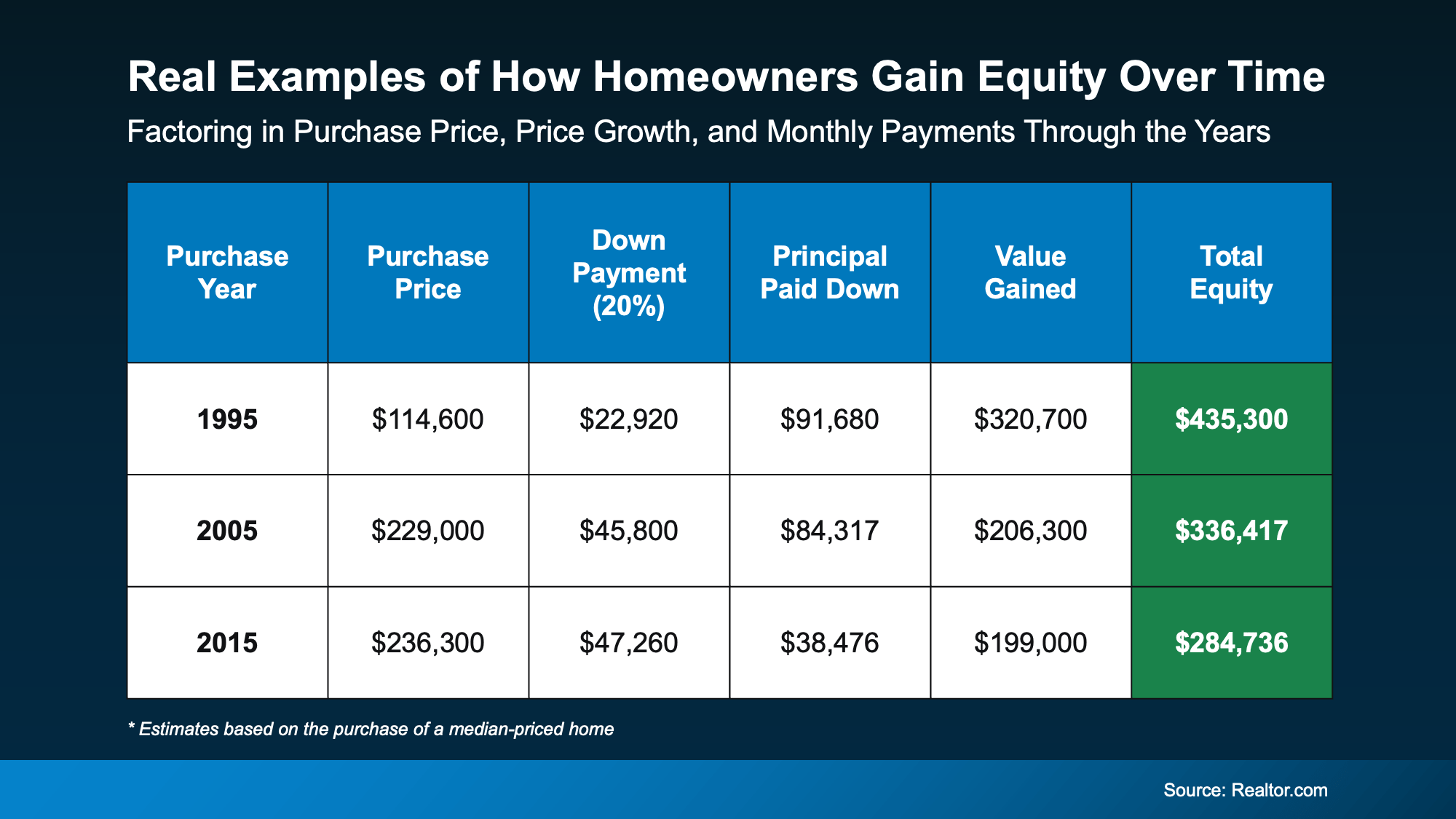
The pattern in that data:
Buy in the mid-1990s and you could be sitting on more than $400,000 today. Buy in the early 2000s, and even after owning straight through the 2008 crash, you’d be north of $330,000. Buy as recently as 2015 and a ten-year hold still lands near $285,000.
Two honest caveats before you get excited. These are national figures built on a median-priced home, and Memphis is not a median-priced market. Our entry prices have always run below the national number, so the raw dollar gains here are generally smaller than those examples. The percentage growth story holds up better than the dollar story does.
The second caveat is that this data is from Realtor.com’s 2025 work, so treat it as the shape of the trend rather than a live quote for this month. What hasn’t changed is the mechanism: long tenure plus steady appreciation plus loan paydown produces a number most owners underestimate.
Four things that move your actual number
Your equity is personal, and four variables do most of the work.
Your purchase price and year set the baseline. Someone who bought in Midtown in 2013 and someone who bought the same-sized house in Arlington in 2021 are in very different positions, even with identical incomes and identical payments today.
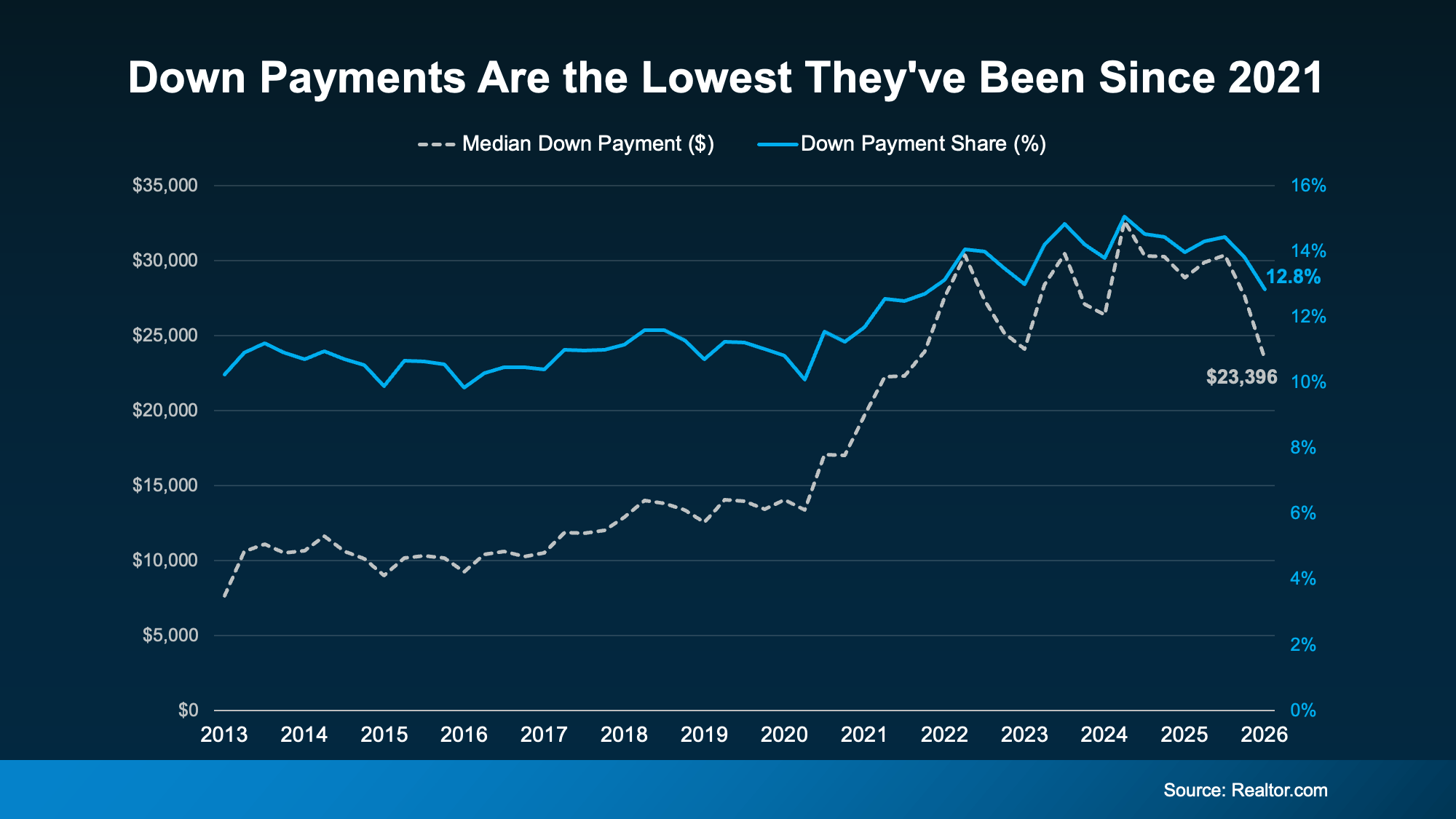
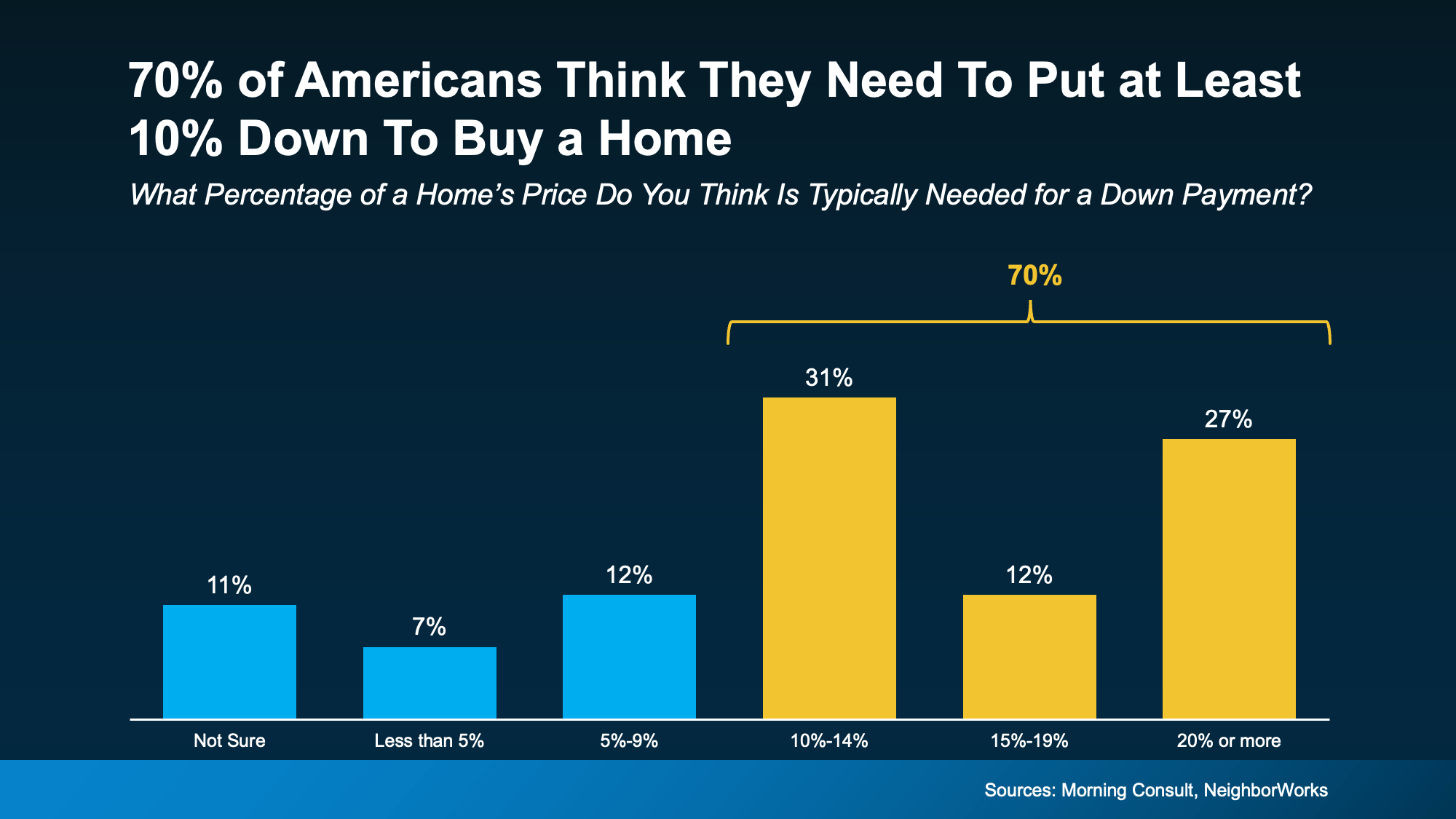
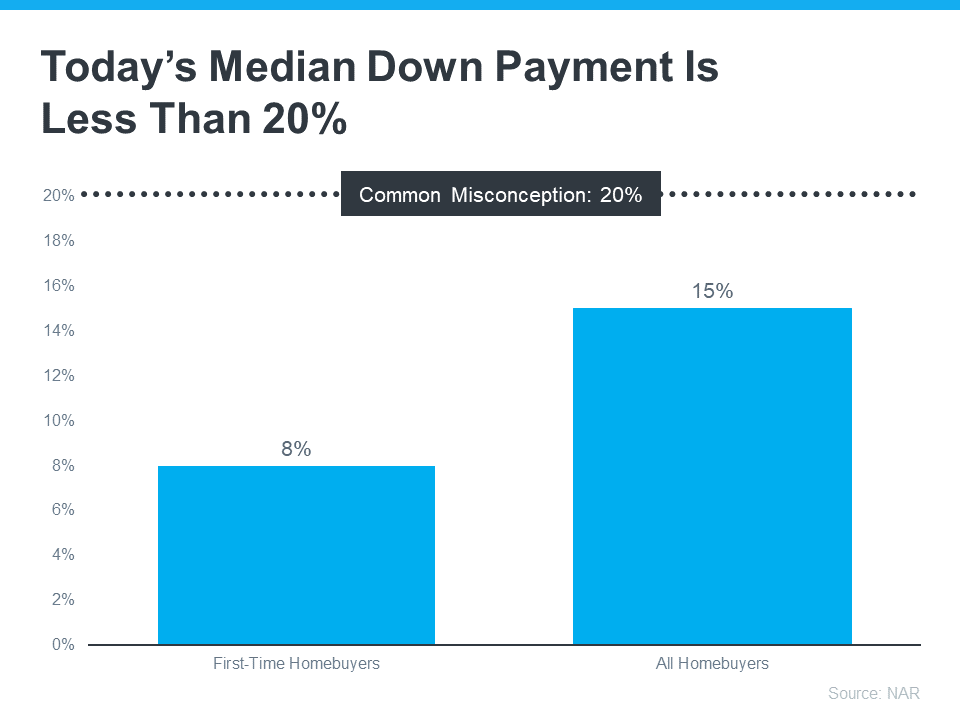
Your original down payment matters more than people remember. Twenty percent down means you started with equity before a single payment posted. Three and a half percent down through an FHA loan means you started nearly flat and built from there.
Anything you’ve already pulled out counts against you. A cash-out refinance in 2021, a HELOC for the kitchen, a second mortgage during a hard year. All of that is real, and all of it reduces what’s left.
And improvements help, though not dollar-for-dollar. A kitchen or a bath usually returns a solid chunk of its cost at resale. A pool in Shelby County usually doesn’t. We went through which projects hold their value in our post on the home improvements worth doing before you sell.
What equity does for your next move
This is where the number stops being trivia and starts being leverage.
It offsets the rate you’re afraid of
The most common reason people don’t move right now is the mortgage rate waiting on the next house. Equity is the direct counterweight. Every dollar you carry over as a down payment is a dollar you never finance at today’s rate.
Move $250,000 of equity into the next purchase and the loan you’re paying interest on gets small enough that the rate stops being the deciding factor. The rate applies to the balance, not to the house.
It can make you the strongest offer on the table
Depending on your number and your target price, you may be able to buy in cash or close to it. Sellers take cash offers seriously because financing is the thing that kills deals at the last minute. Even a very large down payment reads as low-risk to a listing agent, and it buys you room to negotiate on the things that aren’t price.
It pays for the move itself
Closing costs, agent commissions, repairs the inspection turns up, movers, the deposit on the next place. These are the expenses people forget to budget and then panic about halfway through. We broke down what buyers and sellers actually pay in closing costs around Memphis if you want to run your own math.
It solves the sequencing problem
The hardest part of moving is rarely finding a house. It’s the timing of selling one while buying another. Real equity gives you options there, whether that’s a bridge loan, a stronger contingency, or the ability to carry two payments briefly without losing sleep. We laid out the tradeoffs in sell before buying, or buy first.
The 3% mortgage question, answered honestly
Plenty of you are reading this with a rate in the low threes and thinking none of it applies.
That’s a fair instinct and it deserves a real answer instead of a sales pitch. Giving up a 3% rate is a genuine cost, and for some households the math simply doesn’t work. We wrote a whole post on why you’d move with a 3% mortgage rate precisely because the answer isn’t automatic.
The short version: the low rate only wins the argument if the loan you’d take on next is large. If your equity covers most of the next purchase, you’re comparing a big cheap loan against a small expensive one, and those can land closer together than the headline rates suggest. Run it on your own numbers before deciding. Plenty of people who assumed they were locked in find they aren’t, which is part of why the lock-in effect is finally loosening.

The tax question long-tenure owners should ask
If you’ve owned for fifteen or twenty-five years, there’s a question worth raising with your accountant before you list, and the source articles on this topic almost never mention it.
When you sell a primary residence, federal rules let you exclude a large chunk of the gain from capital gains tax: up to $250,000 if you file single, up to $500,000 if you’re married filing jointly. The general test is that you owned the home and lived in it as your primary residence for at least two of the five years before the sale.
For most Memphis sellers that exclusion covers the entire gain and the question never comes up. But if you bought in the mid-1990s, or you’ve done substantial work on the house, or the property was a rental for part of the time you owned it, the math gets more interesting and the answer stops being automatic. Your basis, your improvement records, and any depreciation you claimed all matter.
We’re agents, not accountants, so treat this as a flag rather than advice. The point is that a very large equity number is exactly the situation where a conversation with a CPA before you list is worth the hour. Our overview of the tax side of owning a home in Memphis covers the ownership years; the sale year is its own conversation.
What equity won’t do
Being straight about the limits matters as much as the upside.
Equity isn’t cash until you sell or borrow against it. It’s real wealth, and it’s illiquid wealth. You can’t spend it from your kitchen table.
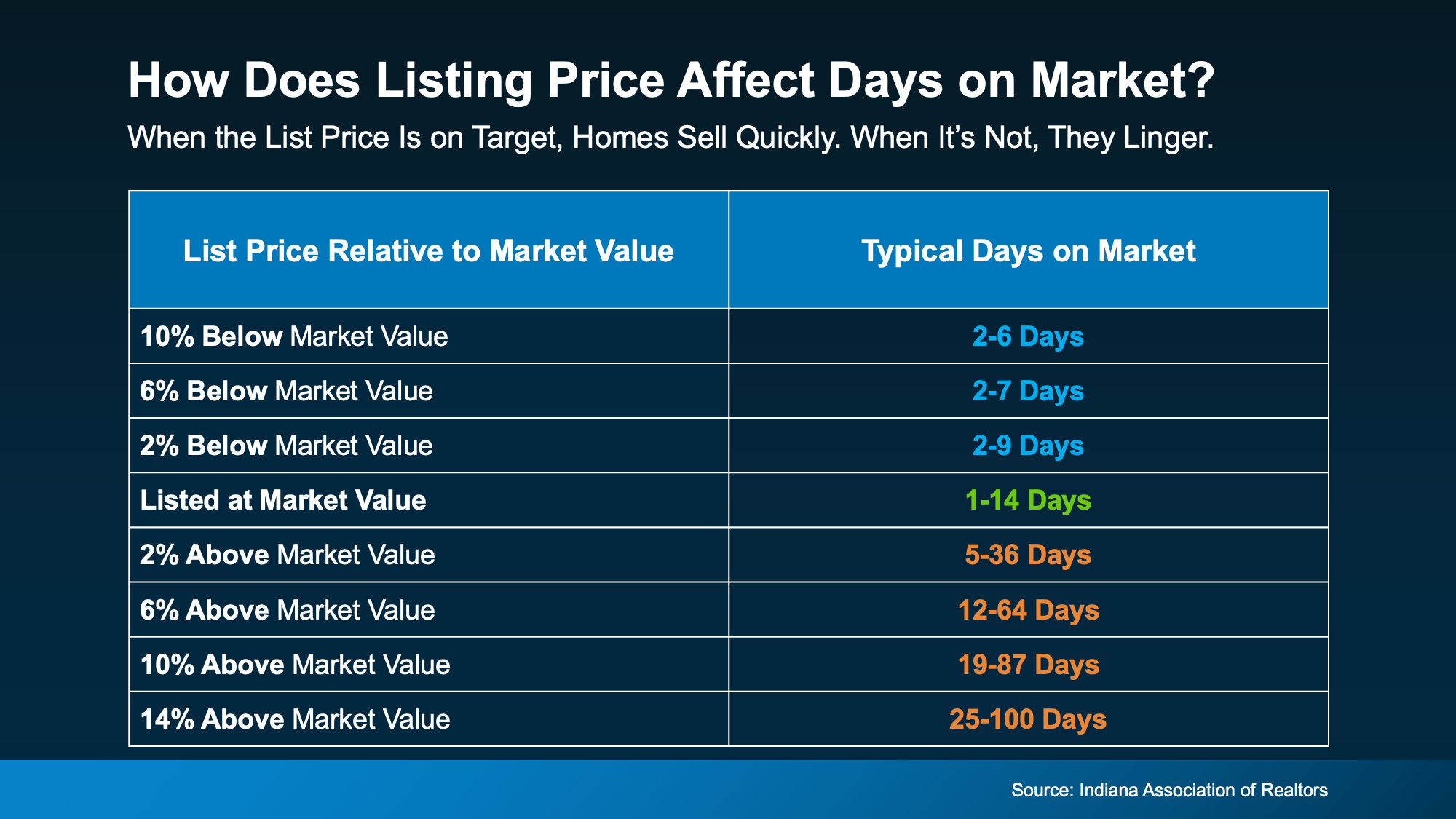
It also won’t rescue a bad listing price. Having $300,000 in equity doesn’t mean the market will pay you $30,000 over what comparable homes in your neighborhood are selling for. Overpricing costs sellers real money regardless of how much equity is underneath, which is the whole subject of the pricing mistake that costs sellers the sale.
And a big number is not by itself a reason to move. If the house still fits your family, staying is a perfectly good decision. Equity is information, not instruction. It tells you what’s possible, and you decide whether any of it is something you want.
How to find your real number
Three steps, and the whole thing takes about a week.
Start with what you owe. Log into your mortgage servicer and get the current payoff amount, not the original loan balance and not last year’s statement. If you have a second mortgage or a HELOC, get that balance too and add it in.
Then get a serious opinion on value. This is where people go wrong, because they check an automated estimate online and treat it as gospel. Those tools work from public records and broad averages, and they don’t know that your street backs up to a greenbelt or that the house two doors down sold cheap because of a foundation issue. In neighborhoods with varied housing stock, which describes most of Memphis, the automated numbers can miss badly in both directions. A real comparative market analysis from an agent who has walked houses in your zip code will be closer. You can start with our home value tool and then have someone check it against the actual comps.
Then subtract the cost of selling. Agent commissions, closing costs, any repairs you’d need to make. What’s left is your net proceeds, and that’s the number that matters. Gross equity feels great; net proceeds are what shows up at the closing table and what you’d carry into the next house.
If you’re weighing which neighborhood that money would go furthest in, our comparison of Collierville, Germantown, and Bartlett is a decent starting point, and the current state of the Memphis market will tell you what kind of buyer you’d be walking in as.

Get the number, then decide
You don’t need to sell anything to find out what you’re worth on paper. You just need to stop guessing.
Most people we walk through this end up somewhere between surprised and slightly stunned, and a meaningful share of them discover that the move they’d written off as financially impossible has been sitting there available for a couple of years. Some of them move. Plenty of them don’t, and that’s a fine outcome too, because now it’s an actual choice instead of an assumption.
If you’d like a straight read on what your house would sell for today and what you’d walk away with after costs, get in touch. No pressure to list, and no obligation. Just the number, and an honest conversation about what it could do.