Saving for a down payment can feel like the hardest part of buying a home. And with affordability as tight as it’s been, it’s fair to wonder how anyone pulls it off right now. So here’s something that might surprise you.
Down payments are actually getting smaller.
According to Realtor.com, the typical buyer put down about $23,400 in early 2026. That’s roughly $5,000 less than a year earlier, a 19% drop, and the lowest down payments have been since 2021.
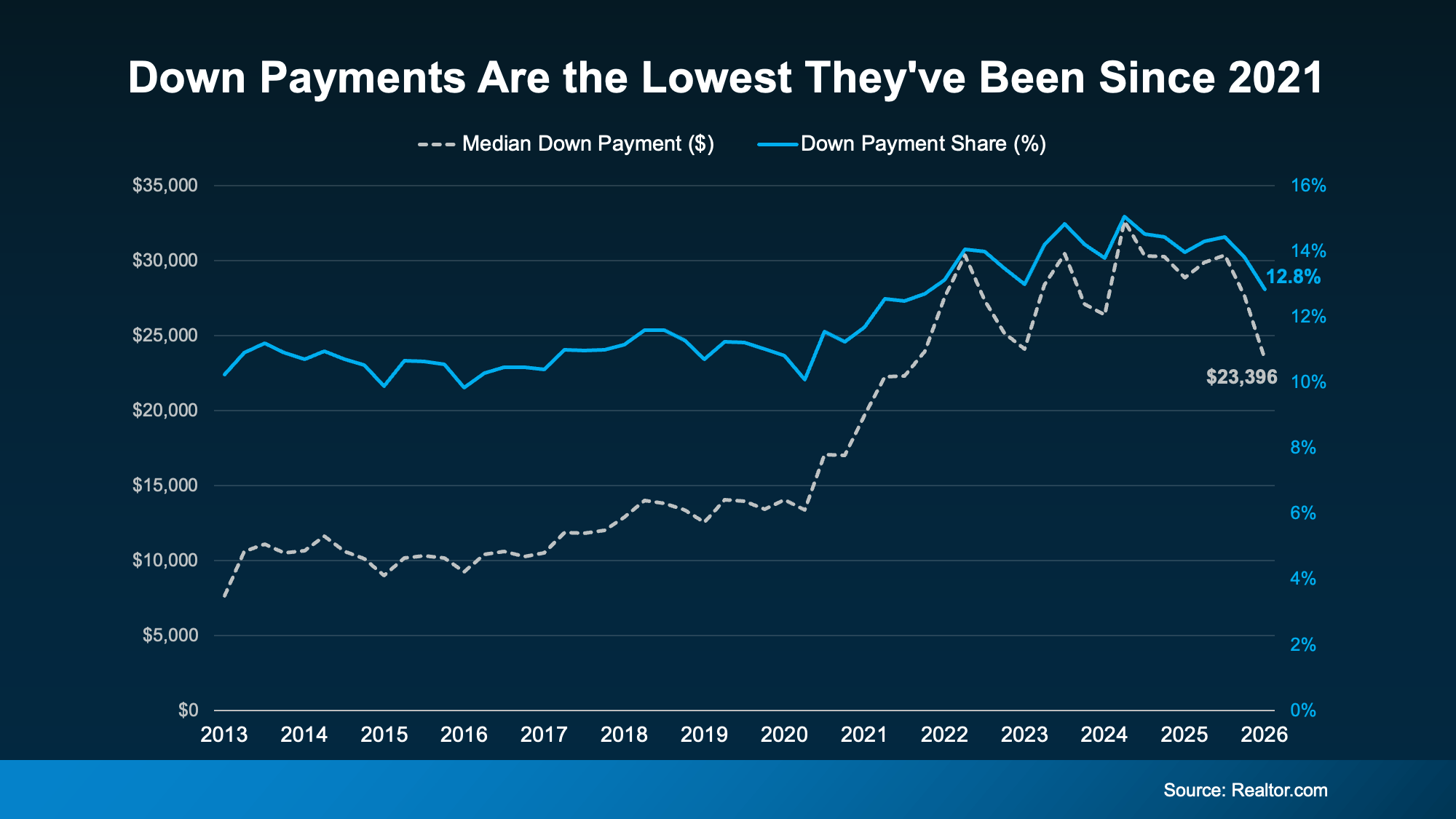
The typical down payment fell about 19% year over year to roughly $23,400, its lowest point since 2021. Source: Realtor.com.
That runs against almost everything people think they know about buying a home. Most of what you’ve heard about down payments is outdated, exaggerated, or just wrong, and believing the wrong number is what keeps a lot of would-be buyers renting longer than they need to. Let’s fix that. We’ll cover why down payments are shrinking, how much you actually need, and where the rest of the money tends to come from.
Why down payments are shrinking
A few things are driving the trend at once.
There’s less competition between buyers. In a more balanced market, you’re not going up against ten other offers the way buyers were a couple of years ago, so there’s less pressure to throw a huge sum down just to look serious.
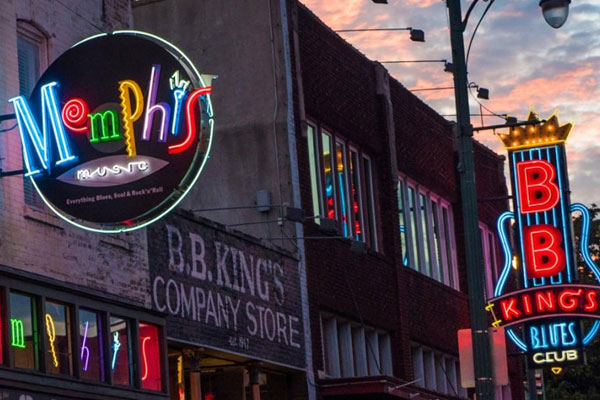
Prices have cooled off, too. Your down payment is a percentage of the purchase price, so when price growth slows or dips, the dollar amount you need follows it down. A lot of markets have leveled off, and Memphis is more affordable than most of them to begin with.
And more buyers are choosing loans built for smaller down payments. Government-backed loans like FHA and VA often need little or nothing up front, and buyers are leaning on them hard. FHA loans have made up more than 24% of purchase mortgages for five straight quarters, and VA loans recently hit their highest share in over a decade. When more of the market runs on low-down-payment financing, the typical down payment drops.
The 20% myth that won’t die
The belief that does the most damage is that you need 20% down to buy a house.
You don’t. You never really did. But the idea is stubborn. When people were surveyed, about 70% thought they needed at least 10% down, and roughly a quarter assumed the number was 20% or higher.
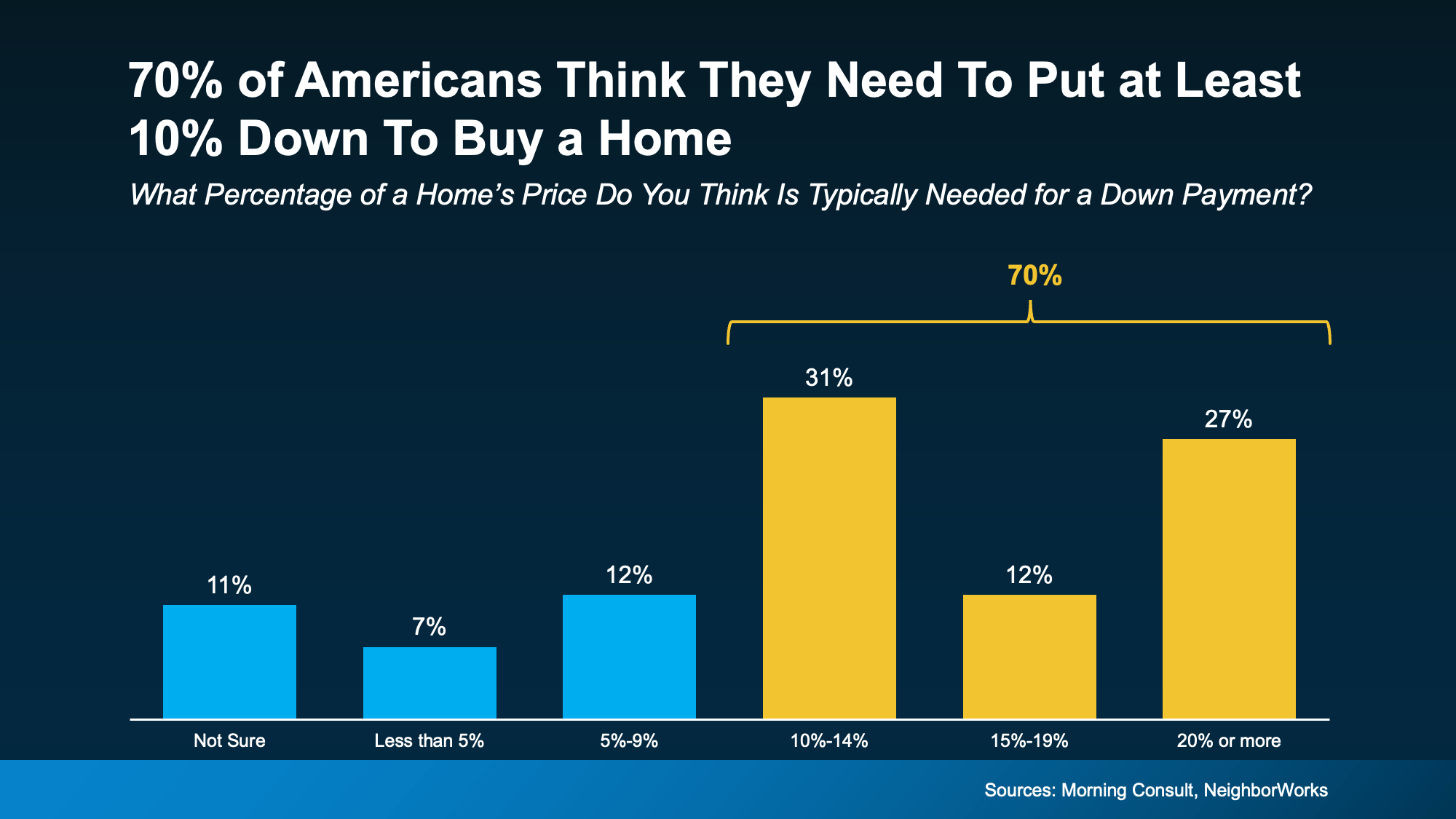
Around 70% of Americans think they need at least 10% down. The real numbers are a lot lower.
Reality looks nothing like that. The typical first-time buyer has put down somewhere in the 6-9% range since 2018, and plenty put down less.
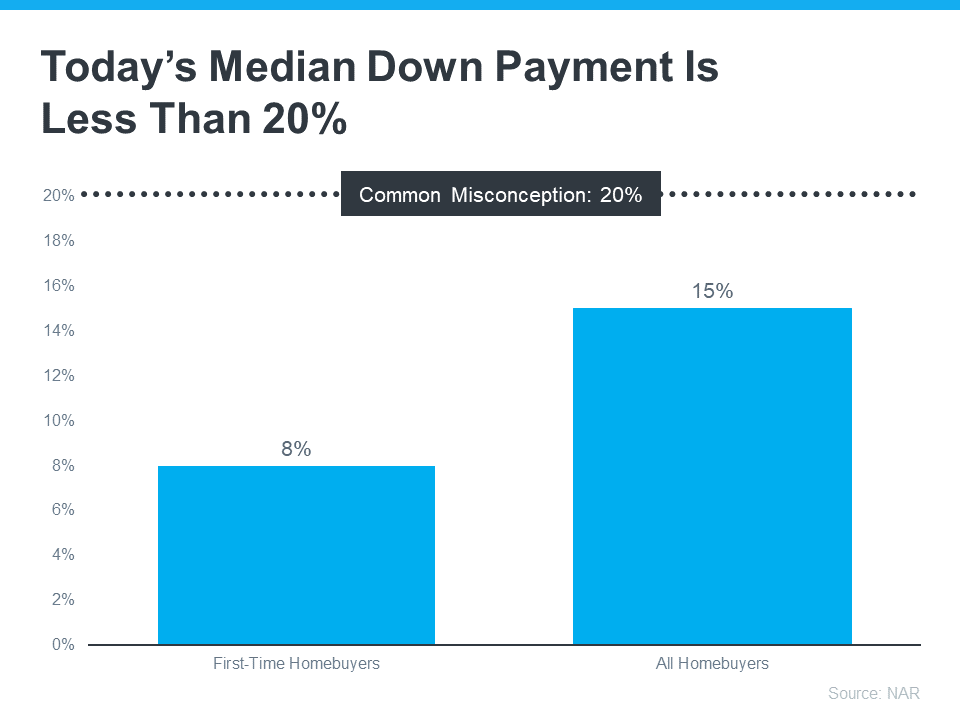
The median down payment has sat well below 20% for years, not the figure most people picture.
So where did 20% come from? It was never a law. It’s the point at which lenders stop requiring private mortgage insurance on a conventional loan. That’s it. Twenty percent became shorthand for “the responsible amount” over the years, but it was always a threshold, not a rule. If you’ve been holding off because you’re chasing that number, you may already be in better shape than you assumed. That’s worth knowing before you decide to keep waiting for the timing to feel perfect.
How much do you actually need?
The honest answer is that it depends on your loan. The real floor for the common ones is a lot lower than 20%.
Conventional loans start around 3-5% down. FHA loans go down to 3.5% if your credit score is roughly 580 or higher. VA loans, for eligible veterans and service members, can require zero down and carry no monthly mortgage insurance. USDA loans, for homes in qualifying rural areas, also allow zero down within certain income limits, and a chunk of the land around greater Memphis qualifies.
On a $300,000 home, 3.5% down is $10,500, not $60,000. That’s a very different mountain to climb. The right loan for you depends on your credit, your service history, where you’re buying, and your budget, which is exactly the kind of thing to sort out early with a lender and a buyer’s agent who knows the Memphis market.
What PMI is, and why people fear the wrong thing
Since the 20% number comes down to mortgage insurance, it’s worth understanding what that insurance is.
Private mortgage insurance, or PMI, protects the lender if you stop paying. You cover the premium, usually around 1% of the loan balance a year, folded into your monthly payment. On a conventional loan, PMI isn’t forever. Once you build about 20% equity, through payments or rising home values, you can request to have it removed, and it drops off automatically at 22%.
FHA loans work differently. Their mortgage insurance typically stays for the life of the loan unless you refinance out of it later. That trade-off, an easier entry now for a longer insurance cost, is often worth it, especially when a smaller down payment lets you stop renting years sooner. Paying PMI for a while beats waiting half a decade to save a 20% down payment while home prices and rent keep climbing.
Where the rest of the money comes from
Even a smaller down payment is real money, and saving it is hard. So for a lot of buyers, the gap gets closed two ways: programs built to help, and a hand from family.
Assistance you might already qualify for
Down payment assistance is one of the most overlooked tools in the whole process. Looking at the ten largest U.S. metros, the Urban Institute and Down Payment Resource found that nearly 44% of recent buyers already qualified for a down payment program, and many of them closed without ever using it.
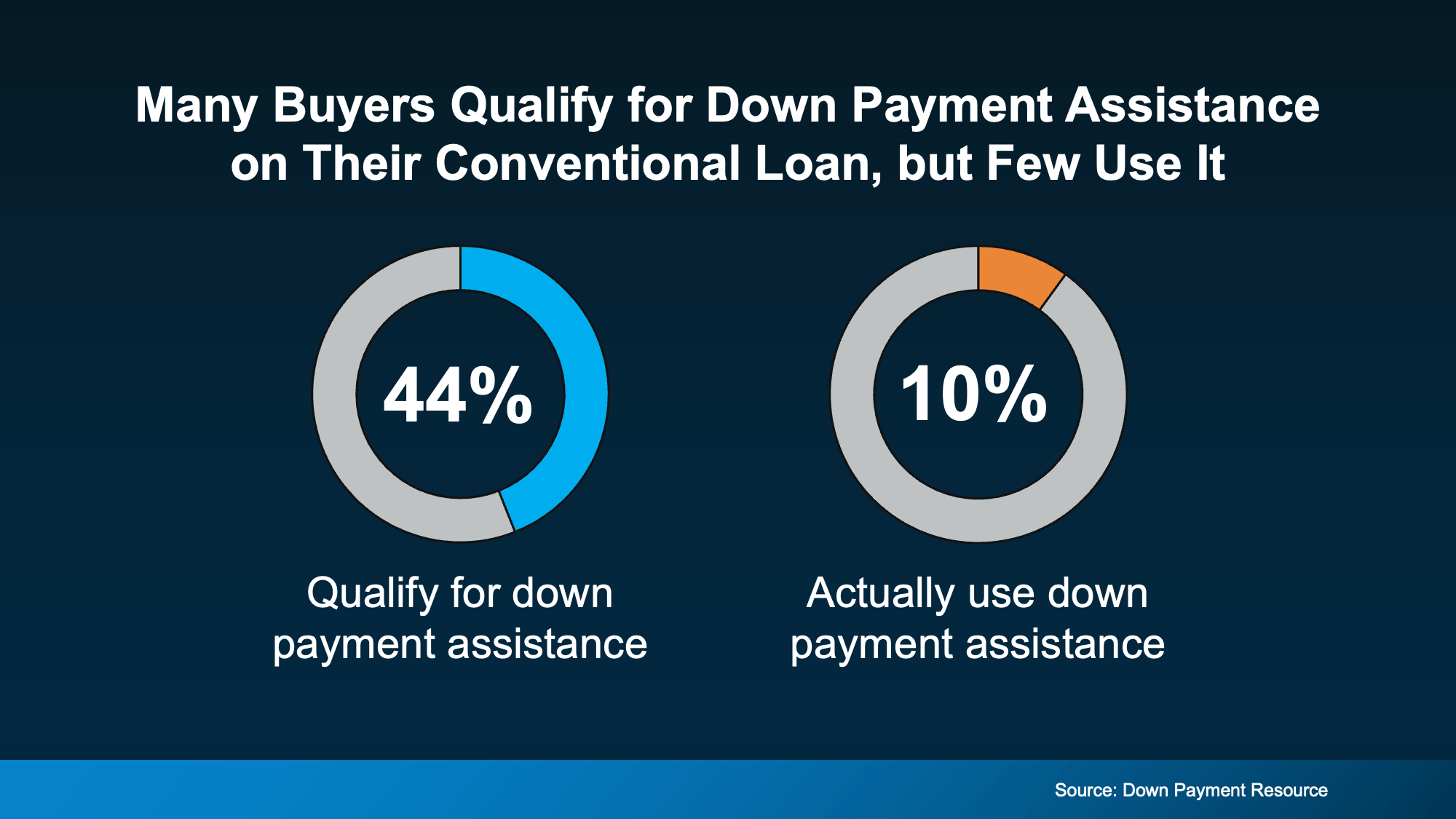
Nearly 44% of recent buyers already qualified for down payment help, but many never tapped it.
The options are broader than most people assume:
- There are more than 2,600 down payment assistance programs nationwide.
- About 62% are aimed at first-time buyers, and the average benefit runs around $17,000.
- 38% have no first-time-buyer requirement, so you may qualify even if you’ve owned before.
- 62% are open to buyers earning $100,000 or more, so don’t count yourself out on income.
And the number of programs keeps growing, which matters most in exactly the kind of market we have now, where every dollar of help counts.
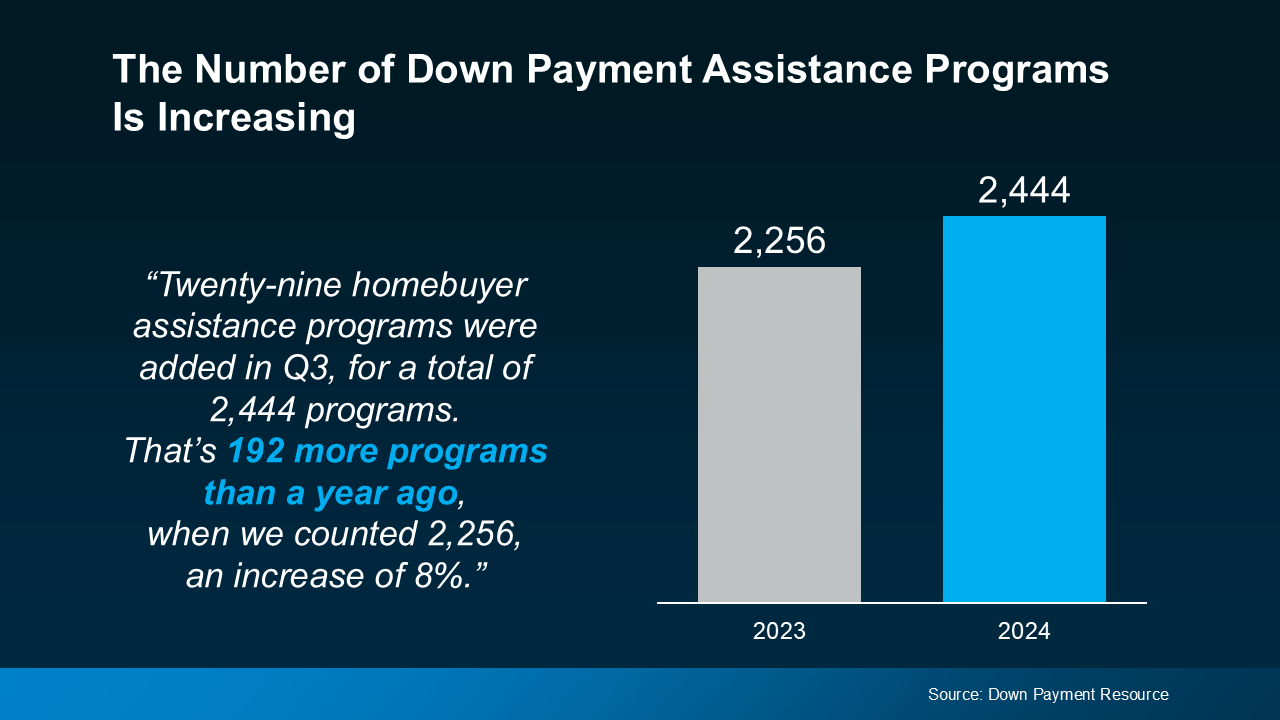
The number of down payment assistance programs has been climbing year over year.
The catch is that eligibility rules vary by program, and they’re not always easy to find on your own. This is where a good agent and loan officer earn their keep. They know which local and state programs are active and can point you to the ones you actually fit. Don’t assume you make too much or bought too long ago. A lot of solidly middle-class buyers qualify and never find out.
Help from family
For a growing number of buyers, the help comes from closer to home. Research from Veterans United found that about 59% of parents have given or plan to give financial support to help a child buy a home.
That support most often goes straight toward the down payment. Chris Birk, VP of Mortgage Insight at Veterans United, put it this way:
“For many families, helping a child buy a home has become less of an optional gesture and more of a practical response to today’s affordability challenges.”
If your family is in a position to help, gift money is allowed on most loan types, but it comes with rules. Lenders want a gift letter stating the money is a gift and not a loan you have to repay, and they usually want it to have “seasoned” in your account for 30 to 60 days before closing. Sort that out early so a generous gift doesn’t turn into a paperwork scramble at the finish line. When family money isn’t on the table, some buyers get there another way, like teaming up with a co-buyer to split the upfront cost.
Should you put more down if you can?
Low down payments open the door, but that doesn’t automatically mean you should put down as little as possible. It’s a real trade-off.
A bigger down payment shrinks your loan, lowers your monthly payment, and can help you skip PMI on a conventional loan. If you’ve got the cash and stability, that’s a lighter payment for the life of the loan.
The other side is liquidity. Draining your savings to hit 20% can leave you house-rich and cash-poor, with nothing left for a new roof or a stretch without income. There’s also opportunity cost. Money sunk into a larger down payment is money that isn’t in an emergency fund, an employer 401(k) match, or growing somewhere else. And buying sooner with less down means you start building equity instead of paying rent years earlier. For a lot of buyers, a moderate down payment with a healthy cushion behind it beats an all-in 20%.
Don’t forget the other upfront costs
The down payment isn’t the only cash you bring to closing, and this trips people up. Budget for the rest so nothing surprises you.
Closing costs usually run about 2-5% of the purchase price and cover things like the appraisal, title work, and lender fees. Earnest money, typically 1-2%, shows the seller you’re serious and gets applied to your costs at closing. Then there’s moving, immediate repairs, and a reserve so you’re not starting homeownership with an empty account. A useful rule of thumb is to plan for closing costs on top of your down payment and keep some cushion beyond that. Our Memphis-area closing cost breakdown walks through the real line items for our market.
How to save for it
Once you know the target is smaller than you feared, saving for it gets a lot less scary. A few things that actually move the needle:
Set a real number. Pick your price range, your likely loan, and work backward to the down payment plus closing costs. A vague “a lot” is paralyzing. A specific figure is a goal.
Automate it. Move a set amount into a separate savings account the day you get paid, before you can spend it. Out of sight does most of the work.
Point windfalls at it. Tax refunds, bonuses, and a side gig here and there add up faster than daily penny-pinching, without making your life miserable.
Check for employer help. Some companies offer homebuyer assistance and don’t advertise it. It costs nothing to ask HR.
Your credit score matters too
One more piece that quietly affects the whole thing: your credit score shapes both your interest rate and which low-down-payment loans you can use.
Buyers with scores around 740 and up tend to see the best rates. From roughly 620 to 740 you’ve still got solid options, just at a higher rate. Below 620, choices narrow but don’t disappear, and FHA in particular is built to work with lower scores. The encouraging part is that small improvements pay off. Nudging your score up a tier before you apply can save real money every month for the life of the loan, so it’s worth checking your credit early and cleaning up what you can.
You might be closer than you think
Down payments are smaller than they’ve been in years, the 20% rule was never a rule, and between assistance programs and family help there are more paths in than most people realize. The barrier is usually the belief, not the math.
If you’re wondering what any of this looks like for your budget in Memphis, that’s a conversation worth having before you decide you can’t buy yet. Reach out and let’s run your real numbers together. You may be a lot closer than the headlines have led you to believe.