Buying your first home is one of those things that feels like it should be straightforward. You find a house, you get a loan, you move in. Then you start reading about pre-approvals, earnest money, inspection contingencies, and appraisal gaps, and suddenly the whole thing feels like it was designed to confuse you.
It doesn’t have to be that complicated. Memphis is one of the more affordable markets in the country, and Tennessee has first time buyer programs that most people don’t know about. If you’re a first time home buyer in Memphis, you’re in a better position than buyers in a lot of cities. You just need to know how the process works and where the common traps are.
This guide covers the money side, the neighborhood question, the step-by-step process, and the mistakes that trip people up most often. If you read the whole thing, you’ll know more than most first-time buyers do when they start looking.
What the Memphis market looks like right now
Memphis home prices sit well below the national average. The median home value in the metro area runs around $150,000, which means a starter home here costs roughly half of what you’d pay in Nashville or most of the Southeast. That’s the single biggest reason Memphis keeps attracting first-time buyers.
Inventory has grown about 20% compared to last year. More homes on the market means less competition and more negotiating room for buyers. Homes are sitting for 50 to 65 days on average before going under contract. That’s a far cry from 2021 and 2022 when good houses were gone in a weekend.
None of this means you should rush, but it does mean the timing is reasonable. You’re not fighting over every listing, and sellers are more willing to work with you on price and repairs than they were two years ago.
Getting your money in order
The finances are where most first-time buyers stall out, usually because they think they need more money saved than they do.
Credit scores
Your credit score determines what kind of loan you qualify for and what interest rate you’ll get. For a conventional loan, most lenders want to see a 620 or higher. FHA loans (which are popular with first-time buyers) go as low as 580. Some FHA lenders will work with scores in the 500s, but you’ll need a bigger down payment.
If your score is below 620, don’t panic. Give yourself three to six months to pay down credit cards, dispute any errors on your report, and avoid opening new accounts. Small moves add up fast.
How much house you can afford
Lenders typically cap your housing payment at 28% to 30% of your gross monthly income. That includes the mortgage principal, interest, property taxes, homeowner’s insurance, and PMI if you’re putting less than 20% down.
On a $60,000 household income, that works out to roughly $1,400 to $1,500 per month for housing. In Memphis, that puts a lot of the market within reach. Run the math on your own income before you start browsing, because falling in love with a house you can’t afford is a miserable experience.
Down payments
You don’t need 20% down. That’s the biggest myth in home buying. FHA loans require 3.5% down. Conventional loans through programs like HomeReady or Home Possible go as low as 3%. On a $150,000 house, that’s $4,500 to $5,250.
You will pay private mortgage insurance (PMI) with less than 20% down. It adds $50 to $150 a month depending on your loan size and credit score. Most buyers accept that trade-off because saving up $30,000 for a 20% down payment would take years. The rent vs. buying gap in net worth keeps growing the longer you wait, so getting in sooner with a smaller down payment usually works in your favor.
Tennessee programs for first time buyers
Tennessee Housing Development Agency (THDA) runs two programs that first-time buyers should know about.
Great Choice Home Loan
This is a 30-year fixed-rate mortgage available to first-time buyers (and some repeat buyers) who meet income and purchase price limits. The rates are competitive with what you’d find on the open market, and the qualification process is more forgiving than conventional loans. You’ll need a 640 credit score minimum and must buy within THDA’s purchase price limits, which are generous enough to cover most of the Memphis market.
Great Choice Plus
This is the down payment help. It provides up to $6,000 as a second loan that’s deferred, meaning you don’t make monthly payments on it. The money covers your down payment and closing costs. For a lot of first-time buyers making $50,000 to $70,000 a year, this program is the difference between buying this year and waiting another two years to save.
You can combine both programs. A THDA Great Choice loan with Great Choice Plus assistance means you could buy a $150,000 home with very little cash out of pocket. Your lender has to be THDA-approved, so ask about it early in the process.
Memphis neighborhoods for first time buyers
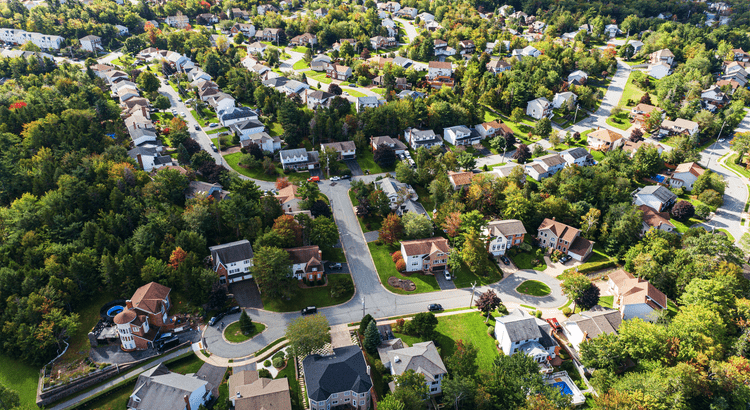
Memphis is a city of neighborhoods, and they’re different enough that where you buy matters as much as what you buy. These are the areas where first-time buyers tend to land.
Bartlett
Bartlett is one of the most popular suburbs for first-time buyers. Homes typically start in the low $100,000s and run into the mid $200,000s. Good schools, low crime rates, and easy access to both I-40 and the Stage Road corridor. It’s suburban without being remote. You can browse Bartlett listings here.
Collierville
Collierville is pricier than Bartlett but has some of the best schools in the Memphis area. Entry-level homes start closer to $250,000, so it’s on the edge for some first-time budgets. If you can swing it, the schools and the town square area make it worth considering. We wrote a comparison of Collierville, Germantown, and Bartlett that digs into the differences.
Germantown
Germantown falls between Bartlett and Collierville on price. Homes in the older sections near Poplar and Germantown Road can dip into the $200,000s, which puts them in range for first-time buyers with a bit more saved. It’s a well-run city with good parks and a strong sense of community. See what’s available in Germantown.
Lakeland and Arlington
These two suburbs sit further east and north. They’re newer, growing fast, and offer more house for your money than Germantown or Collierville. If you work in the Bartlett or northeast Memphis corridor and don’t mind a slightly longer commute, Lakeland and Arlington are worth looking at. Homes start in the $200,000s for new construction.
East Memphis
East Memphis is the closest-in suburb on this list. It’s technically inside the city limits, so you’ll pay Memphis taxes, but the neighborhoods between Park and Walnut Grove offer a mix of ranch homes and updated bungalows that first-time buyers like. It’s walkable in spots and close to restaurants and shopping. Price ranges vary block by block, so drive the neighborhoods before committing. Search East Memphis homes.
Midtown
Midtown is the choice for buyers who want a more urban feel. Overton Park, Cooper-Young, and the Broad Avenue district all sit in Midtown. Homes here are older, which means character but also potential repair costs. Prices range from under $100,000 for a fixer-upper to $300,000+ for a fully renovated Craftsman. If walkability and nightlife matter to you, Midtown is worth a look.
The buying process, step by step
Once your finances are in shape and you have a general idea of where you want to live, the process follows a predictable path. Expect it to take 45 to 60 days from offer to closing, sometimes less.
Get pre-approved (not just pre-qualified)
Pre-qualification is a lender guessing what you might afford based on what you tell them. Pre-approval means they’ve pulled your credit, verified your income, and committed to a specific loan amount. Sellers in Memphis take pre-approved buyers more seriously, and your agent can move faster when you find a house you want.
Find an agent
Working with a buyer’s agent costs you nothing. The seller pays the commission. Your agent’s job is to find homes that match your criteria, schedule showings, write your offers, and negotiate on your behalf. Pick someone who knows the neighborhoods you’re targeting and has closed deals with first-time buyers before. You can reach out to our team if you want to talk through your situation.
Tour homes and make an offer
Your agent will set up searches based on your budget, location, and must-haves. When you find a house, you’ll make a written offer that includes your price, your financing terms, any contingencies (inspection, appraisal), and your proposed closing date. In this market, you usually have a few days to decide rather than a few hours. If you’re competing with other offers, read our guide to winning multiple-offer situations.
Home inspection
Once your offer is accepted, you’ll hire a home inspector. In Memphis, pay attention to foundation issues (clay soil shifts), HVAC age and condition, termite damage, and roof condition. These are the big-ticket items. A $400 inspection can save you from a $15,000 surprise.
Appraisal and final approval
Your lender orders an appraisal to confirm the home is worth what you’re paying. If the appraisal comes in low, you’ll renegotiate with the seller or make up the difference out of pocket. Once the appraisal clears and your lender issues final approval, you’re heading to the closing table.
Closing
You’ll sign a lot of paperwork, hand over your down payment and closing costs (usually 2% to 5% of the purchase price), and get the keys. Total closing costs on a $150,000 home in Tennessee run somewhere between $3,000 and $7,500 depending on your lender, loan type, and what you negotiated with the seller.
Mistakes that burn first time buyers
Every real estate agent has seen these. They’re all avoidable if you know to watch for them.
Don’t change jobs, buy a car, or open new credit cards between pre-approval and closing. Lenders check your credit again right before closing, and any change to your debt-to-income ratio can delay or kill your loan.
Don’t drain your savings to make a bigger down payment. You need reserves for moving costs, immediate repairs, and the first few months of ownership. Running your bank account to zero to avoid PMI is a bad trade.
Don’t skip the neighborhood research. Drive through at different times of day. Check the commute during rush hour. Look up the school ratings even if you don’t have kids, because they affect resale value. Talk to people who live there.
Don’t waive your inspection to make your offer stronger. In a slow market like this one, you don’t need to. An inspection contingency is your safety net.
What you’ll pay after closing
Your mortgage payment is the starting point, not the finish line. Budget for these ongoing costs so you’re not caught off guard.
Property taxes in Shelby County run about 1.5% to 2% of your home’s assessed value per year. On a $150,000 home, that’s roughly $2,250 to $3,000 annually, rolled into your monthly payment through escrow.
Homeowner’s insurance runs $1,200 to $2,000 per year in the Memphis area. Shop multiple quotes before you close.
Maintenance costs average 1% to 2% of your home’s value per year. Some years you’ll spend less, some years the water heater dies and you spend more. Keep a repair fund.
If you’re in a neighborhood with an HOA, dues range from $50 to $300 per month depending on what’s covered. Ask about the HOA’s financial health before you buy. A low monthly fee with a depleted reserve fund means a special assessment is coming.
Your next step
If you’re thinking about buying a house in Memphis TN as a first-time buyer, the best move is to talk to a lender and find out exactly what you qualify for. That single conversation turns the whole process from abstract to concrete. You’ll know your price range, your estimated monthly payment, and whether THDA programs can help.
From there, start browsing Memphis homes and get a feel for what’s available in your budget. And when you’re ready to see places in person, get in touch with us. We’ve helped a lot of first-time buyers in this market and can walk you through the parts that feel confusing.