Three generations under one roof used to sound like a story your grandparents told about the old days. In the Memphis area right now, it’s one of the most practical answers to a market that keeps asking buyers for more than one household income can give.
Maybe you’re helping a parent who shouldn’t live alone anymore. Maybe your daughter and her kids need a landing spot that doesn’t drain her savings. Or you’ve run the numbers on a mortgage and daycare in the same month and concluded, reasonably, that something has to give. Families all over Germantown, Bartlett, and Collierville are arriving at the same answer from different directions: buy one bigger home together, and split everything about it.
This guide covers the whole decision, because it’s a bigger one than a normal home purchase. The numbers behind the trend, how the math works when you pool resources, how the loan and the title work with multiple names on them, the Tennessee-specific breaks that help, what the house itself needs, where to look around Memphis, and the family conversation that should happen before any of it.
A trend with real numbers behind it
The National Association of Realtors has tracked multi-generational buying for years, and the recent numbers are the strongest they’ve recorded. In NAR’s latest buyer profile, about one in seven home buyers purchased a multi-generational home, hovering near the record share. More striking is why. A decade ago, cost savings was a minor reason, cited by about 15% of these buyers. That figure has more than doubled since.
And for the first time, NAR’s report broke out two new reasons on the list: grandchildren living in the home, and reducing the cost of childcare. Childcare, as its own named reason for how families buy houses. That says as much about the last few years as any price chart.
None of this is hard to believe from inside the Memphis market. Prices ran up, rates bounced around, and wages didn’t keep pace. Buyers who would have qualified comfortably five years ago now come up short on the same houses. Some wait. A growing number stop trying to solve it alone.
Why families are combining households
Caregiving used to be the main driver, and it’s still a big one. Adult kids want aging parents close enough to help, and a parent who needs a little support today may need a lot more of it in five years. Under one roof, “checking in” stops being a drive across town.
But affordability has moved to the front. For many families it’s the whole reason the conversation starts, and then the other benefits show up after move-in: the built-in babysitting, the kids who eat breakfast with their grandmother. A year in, the money is rarely the part families talk about most. It’s just the part that got them to consider it.
There’s a version of this that’s purely defensive, families doubling up because they have to. But most of the multi-gen buyers we’ve worked with describe it differently once they’ve lived it. It stops feeling like a compromise and starts looking like the plan they wish they’d made sooner.
The math when you pool resources
Buy a home on one income, or even two, and your lender caps you at what those earnings support. Sometimes that cap lands well short of what a family-sized home in a good Memphis-area school zone costs.
Add another generation and the picture changes. You and your spouse plus a parent with retirement income. You and an established adult child. Pooled incomes make a stronger application, and lenders can approve an amount none of you would reach alone.
Qualifying is only half of it. The monthly cost of owning is where sharing really shows up. Take a $3,000 monthly housing cost, which around here buys a serious house. Carried alone, that’s heavy. Divided among four working adults, it’s $750 each, less than most one-bedroom apartments in the area. Property taxes, insurance, utilities, and the water heater that dies on a Sunday all divide the same way.
Then there’s childcare, the line item that’s been quietly breaking budgets. Full-time care in the Memphis area can easily top a thousand dollars a month per child. A grandparent home during the day can shrink that number or erase it, and NAR’s data now shows families buying multi-gen homes for exactly this reason. For a lot of households, childcare savings alone are the difference between a payment that works and one that doesn’t.
It’s the same instinct behind co-buying a home with family or friends, and one of the moves families make when buying starts to feel out of reach. Pooling doesn’t just get you into a home. It usually gets you into a better one, with the space that makes shared living work instead of grate.
How the loan works with multiple generations on it
This is the part most articles skip, and it’s where families have the most questions.
There’s no special “multi-generational mortgage.” What you’re doing is applying with co-borrowers. Everyone whose income counts toward qualifying goes on the loan, and everyone on the loan is fully responsible for the payment. Not their share of it. All of it, if it comes to that. Lenders don’t split blame in thirds, which is one reason the family conversation later in this guide matters so much.
A few useful things to know going in. Some loan programs allow a relative’s income to help you qualify even if that relative won’t live in the home, and others are designed with exactly this kind of household in mind. The rules differ by program and lender, so this is a conversation to have early, not after you’ve fallen for a house. Getting pre-approved before the house hunt matters even more with three or four incomes in the mix, because the pre-approval is where you learn what the combined application supports.
Down payments get more interesting with more contributors, too. A parent selling their current home may bring substantial equity, while the younger generation brings income strength but thinner savings. That’s a normal shape for these purchases, and there’s flexibility in how it comes together, though lenders document where funds come from. Our post on the truth about down payments covers the basics, including why the 20% figure scares more people than it should. And budget together for what closing costs run in the Memphis area, since that’s a shared bill as well.
Whose name goes on the house
The loan decides who pays. The title decides who owns, and with multiple generations it deserves real thought instead of a default checkbox at closing.
Broadly, co-owners in Tennessee can hold a home in a couple of ways. In one arrangement, when an owner dies, their share passes automatically to the surviving owners. In another, each owner’s share is theirs to leave through their will, which matters when a parent has other children who aren’t part of the purchase. Which structure fits depends on your family, and this is one of the places where spending a few hundred dollars on a real estate attorney before closing can prevent a five-figure family dispute later.
While you’re at it, put the informal stuff in writing. Who pays what each month. What happens if someone wants out in five years. What happens if a parent’s care needs eventually exceed what the family can provide at home. How the equity splits if the house sells. Nobody enjoys drafting this document, and every family that has one is glad they do. Treat it like a business agreement between people who love each other, because that’s exactly what it is.
The Tennessee-shaped advantages
A few local wrinkles work in your favor here, and they’re worth knowing even though the details depend on your situation.
Tennessee has no state income tax, which includes retirement income. For a parent moving from a state that taxes their pension or retirement withdrawals, relocating to Memphis to join the household can come with a raise nobody had to ask for.
For homeowners 65 and older, Tennessee runs a property tax freeze program that participating counties, including Shelby, have adopted. Qualifying seniors can have the tax amount on their principal residence frozen, so it doesn’t climb as assessments rise. There’s also a separate property tax relief program for lower-income seniors and disabled veterans. Income limits and paperwork apply to both, and the county trustee’s office is the place to confirm eligibility, but for a multi-gen household where a parent is on the deed, these programs can take a real bite out of the ongoing cost of owning.
None of this decides the purchase on its own. Stacked together with the shared expenses, it’s part of why the Memphis area is a genuinely good place to run this playbook.
What the house itself needs
Here’s where a multi-gen search gets more involved than a normal one. More people means more opinions, and a floor plan that has to do more work.
Bedroom placement usually sorts itself into a pattern: aging parents want a bedroom and full bath on the main floor, away from stairs, and everyone wants at least one buffer between their door and someone else’s. Bathrooms are the real pinch point. Two full baths for five adults is a morning traffic jam with no exit. Three is livable. A private bath for the senior generation is the single upgrade families say mattered most.
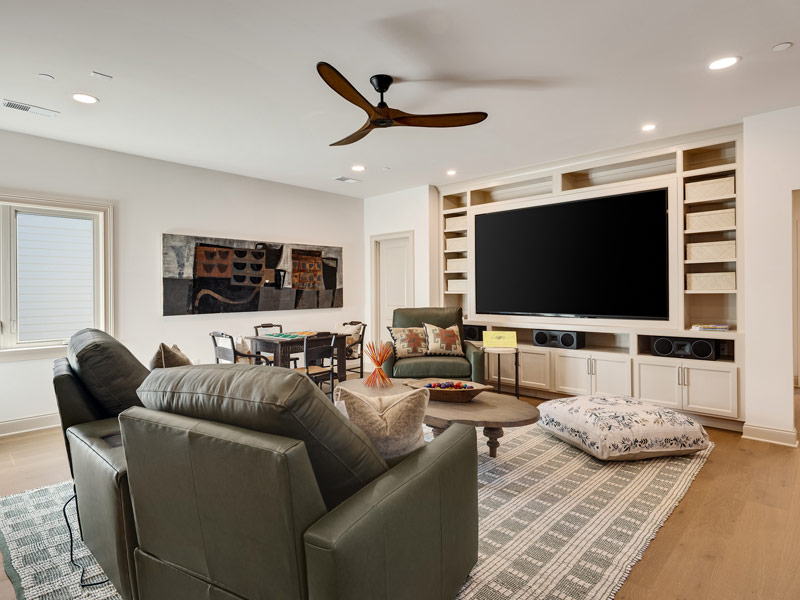
The gold standard is a true in-law suite: bedroom, bath, sitting area, ideally a kitchenette and a separate entrance. Something close to an apartment within the home, so togetherness stays a choice. Short of that, look for the bones of one: a finished basement, a bonus room over the garage, a split floor plan with a bedroom wing that can close off.
Think a decade ahead on accessibility while you’re touring, not after a fall makes it urgent. A step-free entrance, wider doorways, a shower without a lip. Retrofitting these costs multiples of what buying them does. If the parent joining you is a spry 68, buy the house that will still work when they’re 80.
Also worth checking: whether the lot and the local zoning would allow adding a detached suite or accessory dwelling later. Rules differ meaningfully between Memphis proper and the suburbs, and each city has its own code and process, so don’t count on building until you’ve checked. A property with that option holds flexibility your family may want in ten years, whether or not you ever use it.
Where to look around Memphis
Now the local reality check: most Memphis-area housing stock was not built with a second master suite in mind. There’s a lot of single-story ranch and two-story traditional, and true multi-gen layouts are scarcer here than in Sun Belt metros where builders have been pouring them out for years. They exist. Finding them is the skill.
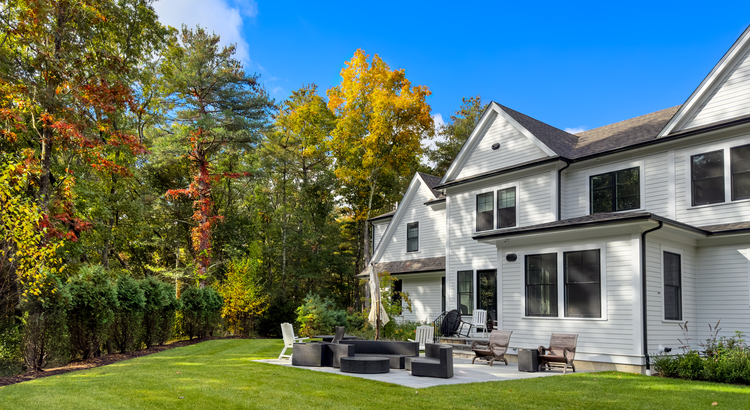
The suburbs are the natural hunting ground, because square footage is the raw material and the suburbs have it. Germantown offers larger established homes and top-rated schools, at the area’s higher price points, though a pooled budget is exactly the kind that can reach them. Collierville has much of the area’s newer large-format construction, where bonus rooms and flexible suites are more common. Bartlett tends to deliver the most square feet per dollar of the three, which matters when the whole point is stretching a shared budget; our home buyer’s guide to Bartlett goes deeper. For a side-by-side, the Collierville vs. Germantown vs. Bartlett comparison breaks down where a family-sized home stretches furthest.
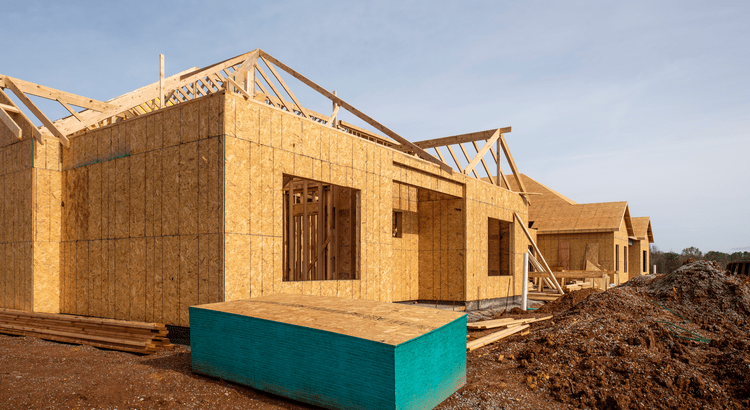
Two more ideas that fit multi-gen searches specifically. Further east, buyers are increasingly looking at Eads, where larger lots open options the inner suburbs can’t match: room for a detached suite, space for two households’ worth of vehicles, and privacy measured in acreage. And don’t rule out new construction. Several national builders now offer floor plans designed for multi-gen households, with a semi-private suite built in from the slab up, and some local builders will modify a plan if you ask early enough. If you’re touring models, ask specifically which plans offer a suite option; they don’t always advertise it.
The timing is also better than it’s been in a few years. As affordability improves into 2026 and the lock-in effect loosens, more of the larger homes these searches need are reaching the market, and sellers of big houses are negotiating again.
The family conversation that has to come first
Every multi-gen purchase that goes wrong goes wrong the same way: the family bought the house before they talked through the household. The house hunt is the easy part. Have these conversations first, while everything is still hypothetical and nobody’s ego is attached to a specific address.
Money first. Who pays what share of the mortgage, taxes, utilities, groceries? Is it split evenly, by income, or by space? Who funds the repair account, and how much lives in it? If a parent contributes a large down payment, does that buy them a bigger ownership share, or is it a gift, or a loan? Say the numbers out loud. Vague generosity today is resentment with interest later.
Then daily life. Who cooks, and does everyone eat together or is that a Sunday thing? How do you handle noise, guests, and the thermostat wars? What does privacy look like, concretely: is a closed door a wall or a suggestion? If grandparents are providing childcare, how many hours a week is sustainable for them, and what happens when they’d rather not anymore? That last one needs a real answer, because “Grandma loves it” is a plan with an expiration date.
And the exits, the part nobody wants to raise. What happens if an adult child gets a job offer in Denver? If a parent’s health needs grow beyond what home care can handle? If someone dies, or divorces, or just wants out? Deciding these things in advance, in writing, is the kindest thing a family can do for its future self. Awkward now beats litigated later.
Be realistic about personalities, too. Some families genuinely thrive in close quarters. Others love each other best from a fifteen-minute drive away, and there’s no wrong answer there. The only mistake is pretending you’re one kind of family when you’re the other.
Where an agent fits in all this
A multi-gen search is a different job than a standard one, and it rewards an agent who’s done it before. Someone who can walk a listing and spot the workable layout in the first five minutes, who knows which neighborhoods and builders have the inventory, and who can keep a purchase moving when it has three decision-makers instead of one. That last skill gets underrated. When parents, adult kids, and grandparents all have a vote, a neutral professional keeping everyone pointed at the shared priorities is worth a lot.
There’s often a second transaction hiding inside these purchases, too. If part of the plan is a parent selling their current home to fund the shared one, sequencing matters: knowing what that home is worth and what selling involves shapes the whole budget, and coordinating the sale with the purchase keeps anyone from living in a moving truck between the two.
A Reid Realtors agent can run both sides of that and has walked families through the whole arc, from the first “what could we afford together?” conversation to a closing table with three generations of signatures on it. Reach out whenever you’re ready, even if the idea is still just something you’ve floated at dinner.
One house, one team
A multi-generational home is not a smaller version of a normal purchase. It’s a different one: more incomes, more opinions, more paperwork, and, when it’s done right, more of what people buy houses for in the first place. The families who make it work don’t stumble into it. They talk first, put the agreements in writing, buy the layout that protects everyone’s privacy, and treat the whole thing as one team making one decision.
If that sounds like a conversation your family is edging toward, have it. The market around Memphis has finally started cooperating, and you might be one honest dinner-table talk away from a house none of you could buy alone.