Updated October 6, 2026
You pull into a new subdivision on the east side of Collierville or out in Arlington, park in front of the model home, and walk into a house that smells like fresh paint and has a bowl of cookies on the island. A sales rep greets you by name before you’ve finished signing the guest book. She knows the floor plans cold, she’s easy to talk to, and twenty minutes in, she’s asking which lot you liked best.
That rep is good at her job. Her job is selling the builder’s houses at the builder’s best number. So the question most people ask a little too late is whether they need their own real estate agent for new construction. Our answer is yes, almost every time. On most builds it costs you nothing out of pocket. The catch is timing: in a lot of communities, if your agent isn’t with you on that first visit, you may lose the option for good.
Below: who the on-site rep works for, the registration rule, the builder’s contract, and where your own agent pays for themselves on a new build. We wrote it with the subdivisions going up around Collierville, Arlington, Lakeland, and Eads in mind, plus a short section on when you can skip an agent.
The sales rep works for the builder
The person in the model home is usually a licensed agent, and that’s where buyers get confused. Same license, same name tag energy. But her client is the builder. She’s paid by the builder and accountable to the builder, and anything you mention in passing (“we need to be in by August for school,” “we’re stretching on this one, but we love it”) can shape how hard the builder pushes back when you ask for something.
None of that makes her dishonest. It makes her the other side of the deal, the same way the listing agent on a resale home is the other side. We covered the general version of this in our post on buyer’s agents vs. seller’s agents. New construction is the case where people forget it most, because there’s no “seller” in the usual sense. There’s a sales office, a brochure, and a very nice person handing you a price sheet.
Tennessee adds a wrinkle. An agent doesn’t automatically represent you just because they’re helping you. Without a written agency agreement, a licensee can act as a facilitator and owe loyalty to no one in particular. If you want someone contractually on your side, you need it on paper.

Register your agent on the first visit
This is the rule that costs buyers the most, and it’s buried in fine print most people never read.
Many builders require your agent to be present, or at least registered, the first time you walk into their community. Some ask the agent to come in person. Others accept a registration form or email sent before your visit. If you tour first and call an agent afterward, the builder can decline to work with that agent, or decline to pay them, because by the builder’s logic their sales team found you.
Policies differ by builder and sometimes by community, so there’s no single rule we can quote for the whole east metro. What doesn’t differ: once you’ve signed that guest book on your own, you may not be able to undo it. That’s why our standing advice is boring and specific. Before you visit a single model home, even “just to look,” call your agent and let them register you or come along.
What the builder’s contract leaves out
When you buy a resale home in the Memphis area, the contract is usually a standard Tennessee REALTORS form that both sides’ agents know line by line. Builders often use their own purchase agreements, written by their own attorneys. Read one and you’ll notice who it was written for.
Things we see in builder contracts that buyers don’t expect:
- Earnest money that becomes non-refundable once construction starts, or once you’ve picked options
- Wide discretion for the builder to substitute materials “of equal or better quality”
- Completion dates written as estimates, with little or no penalty if the house runs late
- Limited or no inspection contingency, and sometimes language restricting third-party inspectors on site
- Deposits on upgrades that are paid up front and gone if the deal falls apart
A good agent won’t rewrite a national builder’s contract. Most builders won’t allow big changes. But your agent can explain what each clause means for you, push on the items that are negotiable, and tell you when something is unusual enough that a real estate attorney should read it before you sign.
Where a buyer’s agent earns their keep
Most buyers assume the agent’s job ends once they’ve picked a lot. On new construction, a lot of the useful work comes after that.
Price, incentives, and the design center
Builders hate cutting the base price, because it sets the comps for every house left in the subdivision. They’re often more flexible on everything around it: closing cost help, rate buydowns, upgrades thrown in, a better lot without the lot premium. We broke down why builders are motivated sellers right now in our look at new construction prices in 2026. A builder carrying finished spec homes pays for every month they sit, and that cost is your leverage.
Your agent knows which incentive is worth the most to you. A $15,000 credit toward a rate buydown and $15,000 in design center upgrades aren’t the same money. The buydown lowers your payment for years. The upgrades are priced at the builder’s markup, and some of them (a nicer faucet, a different cabinet pull) you could add later for less.
Incentives often come with a string: use the builder’s preferred lender. That can be a fine deal. Get a Loan Estimate from at least one outside lender anyway, so you can see whether the incentive covers a higher rate or fees somewhere else. If you haven’t started that part yet, our guide to getting pre-approved before you house hunt walks through it.
Inspections on a brand-new house
“It’s new, why would I inspect it?” We hear this every month. City and county inspectors check that a house meets code, and code is a minimum. They aren’t checking whether the crew framed your bonus room the way you’d want.
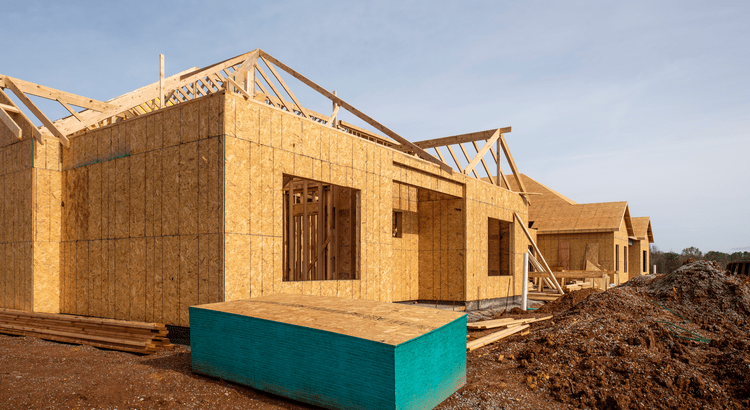
On a new build we push for up to three inspections. Pre-drywall is the one people skip and the one we’d fight hardest for, because it’s the only time anyone sees the framing, plumbing, wiring, and ductwork before they disappear behind sheetrock forever. Then a final before closing, so the punch list gets written while the builder still has a reason to fix it. And one around month eleven, just before most builders’ one-year workmanship warranty runs out, to catch what a year of living there turns up: settling cracks, grading that sends water toward the slab, a bathroom fan venting into the attic instead of outside.
Your agent’s role is getting those inspections into the contract and onto the schedule, since the builder won’t bring it up. Our post on home inspection red flags covers what inspectors look for in general.
Warranty and appraisal
Builder warranties usually follow a familiar pattern: around a year on workmanship, a couple of years on major systems, and longer coverage on structural items. The exact terms vary by builder, and so does how claims get handled. Your agent should be asking how warranty requests get submitted and how fast the builder responds. Ask buyers who closed in phase one, too.
Appraisals can be tricky in a young subdivision because the closest comps are often the builder’s own recent sales. If the appraisal comes in short, someone has to cover the gap. A buyer’s agent who sees that risk early can negotiate who covers it before it becomes a closing-week fight.
Who pays your agent on new construction
In most new construction deals around Memphis, the builder pays the buyer’s agent. Builders expect buyers to have representation and budget for it as a marketing cost. That’s the main reason “do I need a realtor for new construction” has such an easy answer for most buyers. You’re getting an advocate the builder is already prepared to pay for.
Since the industry rule changes in 2024, buyers sign a written agreement with their agent before touring. It spells out the agent’s fee and where it can come from. On new construction, that fee is usually paid by the builder at closing. Confirm the builder’s policy before you sign anything, and if there’s a gap between what the builder pays and what your agreement says, talk about it up front. You don’t want to find out at the closing table.
New construction around Collierville, Arlington, Lakeland, and Eads
New construction in the east metro isn’t one market.
Collierville’s newer building has mostly moved to the east and south sides of town, where lots cost more and the buyers are often moving up from somewhere else in Shelby County. If that’s you, a to-be-built house gives you a moving target for a closing date, which makes the sell first or buy first question harder than usual. Plan it with your agent before you pick a lot. Arlington and Lakeland have carried a lot of the area’s production building over the last decade. More inventory means more competition between builders, which tends to mean more room on incentives. Eads draws buyers who want bigger lots and fewer rooftops, which we covered in why buyers are looking at Eads. Some of those builds are semi-custom or custom, so the contract and the draw schedule look very different from a production builder’s.
Two east-metro questions we’d ask for any new subdivision. First, which school zone does this specific lot fall in? Zoning lines don’t always follow the subdivision sign, and in Collierville and Arlington, school zones move resale value. Second, how many more phases are coming? A house in phase two will someday compete with brand-new houses in phase four, sold by a builder with incentives you won’t be able to match as a resale seller. That doesn’t kill the deal. It just affects which lot and which floor plan hold value best. You can browse what’s available now on our Arlington and Collierville community pages.
When going it alone can make sense
To be fair to the other side of this, a few buyers don’t need a buyer’s agent on a new build.
If you own the land and you’re hiring a custom builder you already know, the deal looks more like a construction contract than a home purchase. A construction attorney may help you more than an agent would. And if you’re a repeat new-construction buyer who knows the builder’s contract, has a lender lined up, and will hire your own inspectors at every stage, you may decide you can handle it.
Don’t go solo expecting a discount, though. Plenty of buyers skip an agent assuming the builder will knock the commission off the price. Sometimes a builder will. Often they won’t, because cutting the price for one buyer resets the comps for everyone else in the subdivision. The budget for an outside agent tends to stay with the builder whether you use it or not.

Your agent goes in the door first
The order matters more than the agent you pick. Call before you tour, register before you sign the guest book, and have someone on your side reading the contract before your earnest money goes hard. Everything else on a new build (incentives, inspections, the punch list, the eleven-month walk-through) gets easier with an advocate who was there from the first visit.
If you’re starting to look at new construction around Collierville, Arlington, Lakeland, or Eads, talk to us before you head out. We’ll get you registered with the builders on your list and meet you at the model home.