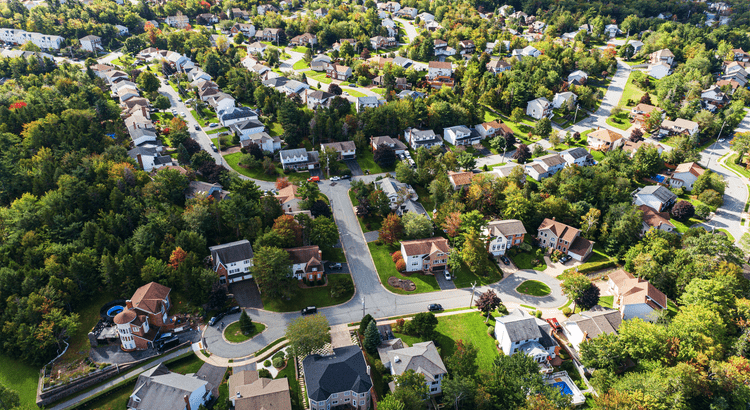
Somewhere right now, a family with a moving date is comparing Collierville vs Germantown vs Bartlett on a laptop in another state, trying to decide where the next ten years happen. We have this conversation weekly, and the first thing we tell people is good news: you’re choosing between three right answers. All three suburbs run their own school districts, all three hold their value, and all three are full of people who looked at the other two first.
The second thing we tell people is that the three are far less interchangeable than the listing photos suggest. They were built in different decades, they’re aimed at different budgets, and they sit on different sides of the county with different commutes attached. Pick on price alone and you can end up in the right house in the wrong town for how your family lives.
So this is the conversation we’d have with you in the car, written down. What each suburb does best, where the schools and taxes genuinely differ, and how to break the tie when you like all three.
What Germantown gets you
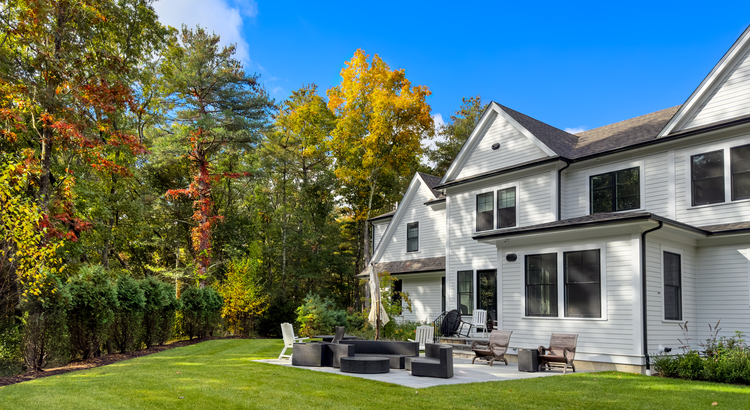
Germantown is the established one. Most of it was built between the 1970s and the 1990s, which means mature oaks over the streets, larger lots than anything being built today, and neighborhoods that have looked the way they look for forty years. That’s not an accident. Germantown has some of the strictest zoning and appearance standards in the region, famously so, and the result is a city with almost no visual clutter and almost no vacant land left to build on.
Being mostly built out changes the market math. Supply is capped, so competition for well-kept homes is constant, and the school-zone streets move fast in any season. You’re rarely buying new construction in Germantown; you’re buying a 1985 house that someone has renovated, or a 1985 house that you’ll renovate. Either way you’re paying for the location first and the finishes second.
Daily life centers on the Poplar Avenue corridor, with Saddle Creek and the shops around it, and the city parks system that residents mention unprompted. If your job is in East Memphis or along the Poplar corridor, Germantown is the shortest drive of the three by a comfortable margin.
The price of admission is the highest of the three, and we wrote a whole post on why so many buyers land on Germantown anyway. If you want to see what’s on the market before you’ve finished this article, the current Germantown listings will give you an honest read on what the entry point looks like this month.
Who it fits: buyers who want established streets and the shortest Poplar-corridor commute, and who’d rather renovate a kitchen than wait on a builder.
What Collierville gets you
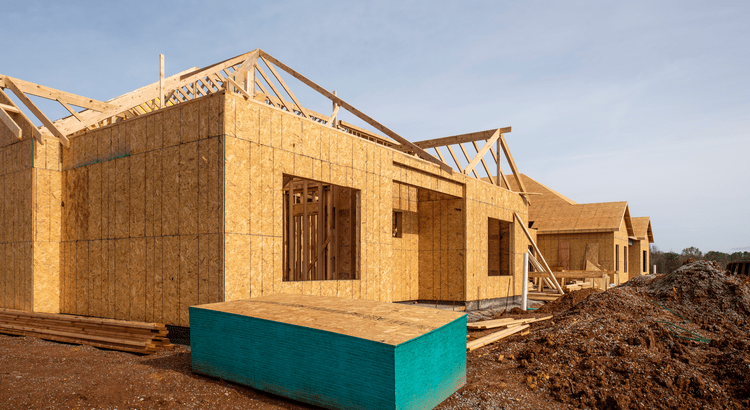
Collierville is where the county has been growing. The west side of town shares a border and a general vintage with Germantown, but as you move east you get progressively newer construction, up to and including subdivisions still being built. It’s the one suburb of the three where you can realistically buy a house nobody has ever lived in.
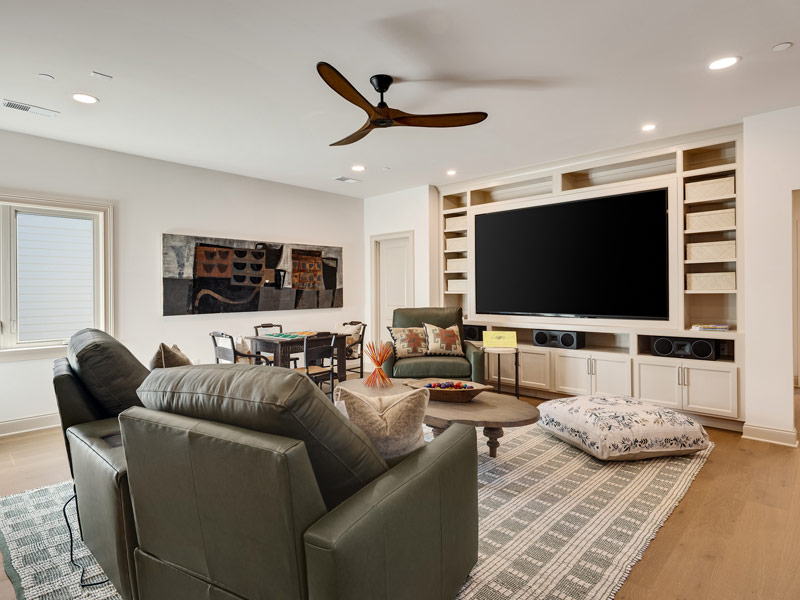
That newer stock is Collierville’s core trade: for the money that buys an established house in Germantown, you generally get a newer, larger house in Collierville, with the open floor plan and the primary-suite math that post-2000 construction does well. The trade-off is distance. Collierville is the farthest out of the three, and while TN-385 moves fast, you’re counting on it every single workday.
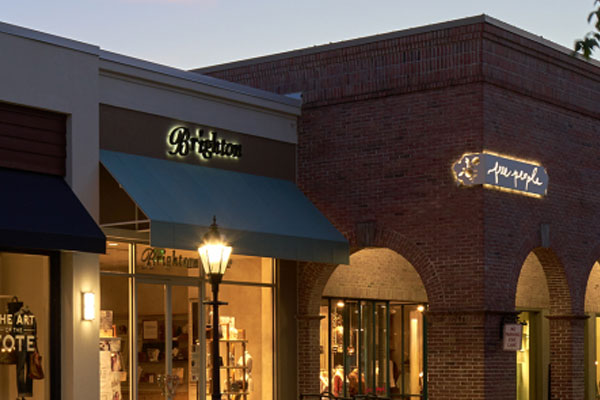
The town square deserves its reputation. Collierville kept a genuine historic main street, anchored by shops and restaurants around a green, and it gives the town a center of gravity that newer suburbs everywhere else spend millions trying to fake. Add Carriage Crossing on the east side and a heavy corporate presence nearby, including FedEx’s large Collierville campus, and the town works for daily life without a trip up Poplar.
We took a street-level tour in our guide to the best neighborhoods in Collierville, from the historic district out to the new east-side builds, and if maintenance-free appeals to you more than a big yard does, there’s a growing townhome scene in Collierville worth knowing about. The live Collierville listings show the full spread, square to new construction.
Collierville’s buyer wants the newest house the budget allows, can live with the longest commute of the three, and likes a town with an actual downtown.
What Bartlett gets you
Bartlett is the value play, and we mean that as a compliment. It sits on the north side of the county, its housing stock runs heavily 1980s and 1990s, and dollar for dollar it buys more square footage than either Germantown or Collierville. For a lot of families, that gap is the whole decision: the difference between a three-bedroom in one town and a four-bedroom with a bonus room in the other.
What surprises buyers is how little you give up. Bartlett runs its own school district like the other two, has its own historic core at Bartlett Station, and puts you close to the I-40 and US-64 corridors, which makes it the practical pick when the job is in northeast Memphis, near Wolfchase, or anywhere the interstate reaches. For commuters heading downtown, it’s competitive with Germantown and clearly ahead of Collierville.
The honest trade-offs: less new construction than Collierville, less name-brand cachet than Germantown, and a busier retail landscape along the main corridors than Germantown’s manicured version. None of those show up in your monthly budget, which is exactly why Bartlett keeps winning buyers who started their search two towns south.
Our full home buyer’s guide to Bartlett goes deeper on neighborhoods and what to expect at each price point, and the current Bartlett listings will show you quickly what the extra square footage looks like in practice.
If you’re maximizing house per dollar, want a suburb with its own school district but without the premium, or commute north or downtown, Bartlett belongs at the top of your list, not the bottom.
Schools are a three-way tie, with footnotes
For most families this is the real question, so let’s be direct: you are not choosing between a good district and a bad one. Since the suburbs formed their own municipal districts in 2014, Germantown Municipal School District, Collierville Schools, and Bartlett City Schools have each run their own show, and all three are the reason relocating families shortlist these towns in the first place.
The differences are texture, not tier. Collierville consolidated its high schoolers onto one big modern campus, so your kid attends Collierville High, full stop, with the deep course catalog and the crowd that comes with scale. Germantown’s district is smaller and feeds Houston High. Bartlett’s district is the largest-feeling of the three in terms of school count, with Bartlett High as the flagship.
The footnote catches out-of-town buyers every year: a suburb address doesn’t automatically equal that suburb’s district. Germantown in particular has zoning quirks left over from the 2014 county split, when some of its namesake schools stayed with the county district instead of joining GMSD, and the boundaries have been the subject of agreements and changes since. Trust the district map over the city-limits map. Before you fall in love with a house, we verify the actual school assignment for that address, that year. It takes ten minutes and it has saved more than one buyer from an expensive assumption.
Taxes differ more than people expect
All three suburbs pay Shelby County property tax plus their own city tax, and the city rates are not the same, so two similarly priced houses in different towns can carry noticeably different tax bills. Germantown and Collierville generally cost more to hold than Bartlett once you account for both the higher home prices and the city rates, which is part of the value math from the Bartlett section.
The rates change with every budget cycle, so we won’t quote numbers here that will be stale by next summer. We keep a current explainer on how property taxes work in Germantown and Shelby County, including how the 25% assessment ratio turns a sticker price into an actual bill. Run the numbers for any house you’re serious about; on a larger home the difference between towns is real money every year, forever.
Same budget, three different houses
Put the three side by side with one budget and the shape of the trade gets clear. In Germantown, the money goes to location and lot: an established street, mature trees, an older house you may want to update. In Collierville, it goes to the structure: newer systems, newer layout, farther east. In Bartlett, it goes to volume: the most bedrooms, the most garage, the most yard, in a solid 1990s package.
None of those is the wrong way to spend the same dollars. But families genuinely differ on which one they’ll still be happy with in year eight, and that’s worth an honest household conversation before you start touring. The couple who loves the Collierville new build usually knew it within one showing. So did the one that walked into a 1982 Germantown ranch under a canopy of oaks.
How to break the tie
When a family is stuck, we give them homework, and it never involves a spreadsheet.
Drive your actual commute from each finalist town at your actual hour, once on a Tuesday, not on the sunny Saturday you toured. TN-385 at 7:40 AM and TN-385 at 2 PM are different roads, and so is Poplar. Then spend an unstructured Saturday morning in each town: square in Collierville, Saddle Creek and a park in Germantown, Bartlett Station and the Stage Road corridor. Where did you stop noticing you were evaluating? That’s data.
And if you catch yourself wishing for more land and less suburb, that instinct has an address too; it’s worth reading why buyers are looking at Eads before you force a fit in town. Buyers coming from out of state can get the wider lay of the land, neighborhoods, timing, and all, in our newcomer’s guide to relocating to Memphis.
Three right answers, one that’s yours
Collierville, Germantown, and Bartlett have spent decades quietly specializing: one in newness, one in permanence, one in value. That’s why the comparison feels hard from a laptop two states away, and why it gets easy fast once you’re on the ground with someone who knows all three.
That part’s our job. Tell us your budget, your commute, and what year eight needs to look like, and we’ll tell you which of these towns fits, street by street. You’re not looking for the best suburb. You’re looking for yours.