
No Comments

Is January the Best Time To Buy a Home?

Here’s something that might catch you off guard: if you’re serious about buying a house without breaking the bank, you might want to skip the traditional spring house-hunting season and start your search in the dead of winter instead.

I know what you’re thinking. January? Really? When it’s freezing outside and everyone’s recovering from the holidays? But hear me out, because the data tells a pretty compelling story that could save you tens of thousands of dollars.

Most people assume spring is when you should buy a house. The weather’s nice, the flowers are blooming, and there’s just something about those sunny open houses that feels right. But while everyone else is waiting for warmer weather, they’re actually missing out on some of the best deals of the entire year.

Let’s dig into why January could be your secret weapon in today’s tough housing market.

Price Tag Differences

When researchers looked at housing data across the United States, they found something interesting: January consistently comes out as one of the cheapest months to buy a home. We’re not talking about small differences here either.

Think about it this way. If you’re looking at a standard 1,500 square foot house, buying in January versus waiting until May could save you around $23,000. That’s not pocket change. That’s a new car. That’s a year of daycare. That’s a pretty substantial down payment on your next home down the road.

The reason comes down to basic economics: supply and demand. During the winter months, there are simply fewer people out there looking at houses. When demand drops, prices tend to follow. It’s the same principle that makes airline tickets cheaper on Tuesdays or hotel rooms more affordable during the off-season.

a graph of a number of blue bars

Historical data backs this up year after year. January typically offers some of the lowest price-per-square-foot numbers you’ll see all year. Meanwhile, spring and early summer? That’s when prices tend to hit their peak because that’s when everyone and their cousin decides it’s time to buy.

a blue and white table with white text

Competition Changes Everything

Let’s talk about one of the most frustrating parts of home buying: competing with other buyers. If you’ve ever been in a bidding war, you know exactly how stressful and expensive it can get. You fall in love with a house, make what you think is a fair offer, and then suddenly three other families are bidding against you, driving the price up beyond what you wanted to spend.

Winter completely changes this dynamic. When most people are focused on holiday recovery and hunkering down until spring, the housing market quiets down significantly. This creates a totally different buying environment.

With fewer buyers actively searching, you’re much less likely to find yourself in a multiple offer situation. That house you love? You might actually be the only serious buyer looking at it. This gives you room to breathe, to think clearly, and to make decisions based on what works for your budget rather than what it takes to outbid someone else.

There’s also a psychological benefit here that shouldn’t be underestimated. When you’re not constantly worrying about losing out to other buyers, you can take your time during showings. You can really look at that foundation, test those windows, and imagine your life in the space without feeling rushed.

Winter  Sellers Need to Sell

Here’s something important to understand about winter listings: sellers who put their homes on the market during the coldest, slowest time of year usually have a reason. They need to sell.

Think about it from their perspective. Who wants to deal with showing their house during the holidays? Who wants to keep their home in showing condition when they could be relaxing with family? The sellers listing in December and January are typically motivated by circumstances that make selling now worth the hassle.

Maybe they’ve already accepted a job in another city. Maybe they’re going through a life change that requires them to move quickly. Maybe they’ve been trying to sell for months and they’re ready to be done with it. Whatever their reason, their motivation becomes your advantage.

Motivated sellers are negotiating sellers. They’re more likely to consider reasonable offers, work with your timeline, and potentially contribute to closing costs or make other concessions that sellers in the hot spring market simply wouldn’t consider.

One real estate professional put it perfectly: when there aren’t dozens of buyers lined up, sellers have to work with the buyers who show up. That means you have actual negotiating power. You can ask for things like help with closing costs, repairs to be completed before you move in, or a home warranty to be included. These extras can easily add up to thousands of dollars in savings.

Numbers Don’t Lie 

Let’s get specific with some data points that really illustrate the winter advantage. In recent years, the median price per square foot in May has been around $194, while January’s median sits closer to $179. That’s roughly an 8% difference, which sounds moderate until you actually calculate what it means for a real purchase.

For that typical 1,500 square foot home we mentioned earlier, an 8% difference translates to actual savings of over $20,000. And if you’re looking at larger homes or properties in higher-priced markets, the absolute dollar amount of savings scales up accordingly.

This isn’t just a one-year fluke either. When you look at patterns over the past decade, January consistently ranks as one of the most affordable months for home purchases. The trend holds steady year after year, which suggests this is a reliable market pattern rather than random chance.

What makes this even more valuable is what you can do with those savings. If you’re stretching to reach a 20% down payment to avoid private mortgage insurance, those extra dollars could make the difference. Or you could use the savings for renovations, furniture, or building up your emergency fund after making such a major purchase.

Trade-offs

Now, I’d be doing you a disservice if I didn’t mention that buying in January isn’t all sunshine and roses. There are legitimate reasons why fewer people shop for homes in winter, and you should go in with your eyes open about what you’re signing up for.

First and foremost: inventory is lower. While you might face less competition, you also have fewer homes to choose from. The selection just isn’t as robust as what you’d see in summer when everyone’s listing their properties. If you’re very particular about specific features or you’re searching in a small geographic area, the limited inventory could be frustrating.

Weather is another consideration that’s impossible to ignore. Trying to view properties when it’s snowing or icy isn’t just inconvenient – it can actually impact your ability to properly evaluate a home. That beautiful backyard might be covered in snow, making it hard to assess landscaping or drainage issues. Winter weather can hide problems that would be obvious in other seasons.

Inspections can be trickier too. Some issues, like air conditioning functionality or roof conditions, are harder to fully evaluate in winter. Your inspector might not be able to see everything they normally would, which means you’re taking on slightly more risk.

The holiday season can also create scheduling challenges. If you’re trying to close in late December or early January, you might run into issues with professionals being on vacation or offices operating at reduced capacity. This can slow down a process that already feels like it takes forever.

First-Time Buyers

If you’re buying your first home, the January advantage becomes even more significant. Unlike people who are selling one house to buy another, first-time buyers don’t have to worry about timing two transactions simultaneously. You’re not trying to find the perfect moment to list your current home while also searching for a new one.

This flexibility is huge. You can focus entirely on finding the right property at the right price without the added stress of coordinating a sale. While homeowners trying to upgrade or downsize often need to buy during peak season to maximize their sale price, first-time buyers can time their purchase purely around getting the best deal possible.

The savings we’re talking about also matter more when you’re making your first purchase. Your budget is probably tight. You’re trying to save for a down payment, cover closing costs, and still have money left over for moving expenses and those immediate repairs or purchases every new home requires. An extra $20,000 in savings isn’t just nice – it could be transformational for your financial situation.

Plus, getting into a home for less money means your monthly mortgage payment is lower. Over the life of a 30-year loan, the compound effect of starting with a lower purchase price adds up to significant savings in interest payments alone.

Market Timing

Let’s address the elephant in the room: most people can’t perfectly time their home purchase. Life doesn’t work that way. You buy when you need to buy, whether that’s because of a new job, a growing family, or a lease that’s ending.

If you absolutely need to move in March or your circumstances require a summer purchase, then obviously you should buy when it makes sense for your life. A slightly higher purchase price is worth it if the alternative is making decisions that don’t align with your actual needs.

But here’s the thing: if you have flexibility, you’d be leaving money on the table by not at least considering a winter purchase. We’re talking about potential savings in the neighborhood of 25% compared to peak season. That’s substantial enough that it’s worth planning your timeline around if you possibly can.

Ask yourself honestly: is there a genuine reason you need to wait until spring, or are you waiting simply because that’s what everyone says you should do? If it’s the latter, you might want to reconsider.

Homes Sit on the Market Longer in Winter

Another advantage that doesn’t get talked about enough: homes listed in January typically sit on the market longer before selling. While that might sound like a bad thing from the seller’s perspective, it’s great news for you as a buyer.

Data shows that newly listed homes in January stay on the market for a median of about 75 days before finding a buyer. Compare that to the spring and summer months, when homes often sell within 48 days. That extra time works in your favor in several ways.

First, you’re not forced to make lightning-fast decisions. You can schedule a second showing. You can bring your parents or a contractor friend to get their opinion. You can sleep on it and really think through whether this home meets your needs. When homes are flying off the market in 48 hours, you don’t have that luxury.

Second, the longer a home sits, the more anxious the seller becomes. A house that’s been listed for two months with minimal activity? That seller is going to be much more receptive to negotiation than one who just listed last week and already has three showings scheduled.

This extra time also reduces the pressure that leads to buyer’s remorse. Making a decision about the biggest purchase of your life in 24 hours because that’s how fast you have to move in spring? That’s a recipe for second-guessing yourself. Having the space to carefully consider your options leads to more confident decisions.

Make January House Hunting Work

If I’ve convinced you that January might be worth exploring, here’s how to actually make it happen successfully despite the challenges.

Start your preparation in the fall. Get your financing sorted, know your budget, and understand what you’re looking for well before January arrives. This way, when you see the right property, you can move quickly even though you have more time than you would in spring.

Be strategic about viewing homes. Yes, weather can be an issue, but schedule showings on clearer days when possible. Bring a flashlight for those shorter winter days. Ask sellers if they have photos from other seasons so you can see what the landscaping looks like or how the deck is set up.

Work with an experienced local agent who knows how to navigate winter sales. They’ll have strategies for dealing with weather challenges, understand which sellers are truly motivated, and can help you take advantage of the seasonal dynamics without falling into common traps.

Don’t be afraid to make reasonable requests. If you’re concerned about something you can’t properly evaluate in winter, build contingencies into your offer. Ask for a spring inspection of the roof, or request that the seller demonstrate the air conditioning works when warm weather arrives. Good sellers understand these concerns and will work with you.

Strategic Timing

Look, buying a house is always going to be expensive. We’re living in a market where affordability is challenging for a lot of people, and there’s no magic bullet that makes homeownership easy. But that doesn’t mean you can’t be strategic about how you approach it.

January offers a combination of advantages that simply don’t exist during the traditional busy season: lower prices, less competition, and more motivated sellers who are willing to negotiate. For buyers who can handle a bit of cold weather and a more limited selection, these benefits can translate into real, substantial savings.

Twenty-three thousand dollars might not sound life-changing if you’re extremely wealthy, but for most families trying to break into homeownership or upgrade to something better, that’s a significant amount of money. It could mean the difference between comfortably affording your dream home and stretching your budget to uncomfortable limits.

The key is understanding what you’re signing up for and being realistic about whether the trade-offs work for your situation. If you need a huge selection to choose from or you’re looking in a market where winter inventory essentially disappears, January might not be your best bet. But if you’re flexible, patient, and motivated by getting the best possible deal, winter house hunting deserves serious consideration.

Making Your Move

So what should you actually do with this information? If you’ve been thinking about buying a home and your timeline is flexible, start watching the market now. See what’s listed in your area during the winter months. Talk to a local real estate agent about what they’re seeing in terms of prices and competition.

Even if you decide January itself doesn’t work for your timeline, understanding these seasonal patterns can help you make smarter decisions about when to buy. The shoulder seasons – late fall and early spring before the rush starts – can offer similar advantages with slightly better inventory.

The worst thing you can do is just go with what everyone else is doing without thinking about whether it’s actually the best choice for you. Yes, spring is pleasant for house hunting. Yes, summer makes logistics easier. But if those preferences are costing you twenty grand, maybe they’re worth reconsidering.

Your financial situation, your market, and your specific needs all play into what timing makes sense. But don’t rule out winter buying just because it seems unconventional. Sometimes the path less traveled is less crowded for a very good reason – because it’s actually the smarter route.

If you’re curious about what January buying could look like in your specific market, reach out to a local real estate professional who can pull recent data for your area. Markets vary significantly by region, and what’s true nationally might be even more pronounced where you live, or it might be different. The only way to know is to look at the actual numbers.

One thing’s certain though: you’re not going to accidentally stumble into the best possible deal. Strategic home buying requires planning, patience, and sometimes the willingness to do things differently than everyone else. If January offers you a legitimate advantage and your situation allows for it, that’s an opportunity worth exploring. Your future self – and your bank account – might just thank you for it.

No Comments

Why Would I Move with a 3% Mortgage Rate?

(Updated 12/16/25)

So you snagged a mortgage rate under 3% a few years back. First off, congratulations. That’s honestly impressive, and you should feel good about that decision. With rates sitting above 6% these days, I totally get why you’d want to hold onto that golden ticket for as long as humanly possible.

But here’s the thing I want to chat with you about today. What if that amazing rate is actually keeping you stuck in a situation that’s no longer working for you? I know that sounds counterintuitive, but stick with me here. Let’s explore whether staying put is really the financially savvy move you think it is.

The Real Question

When people talk about moving, the conversation usually starts and ends with mortgage rates. But honestly, that’s looking at it backward. Most folks don’t wake up one day and think, “You know what? I want a higher interest rate!” That’s not how life works.

People move because their lives change. Your family grows. Kids head off to college. You land a new job across town. Your elderly parents need to move in with you. Maybe you’ve just outgrown your space, or perhaps you’re rattling around in a house that’s way too big now.

So instead of asking “Why would I give up my amazing rate?” try flipping it around. Ask yourself this instead: Where do you honestly see yourself five years from now?

A Hard Look at Your Future

Close your eyes for a second and really picture the next few years of your life. What does that look like? Are you planning to expand your family? Do you have teenagers who’ll be leaving for college soon? Is retirement creeping closer than you’d like to admit? Maybe you’re already tripping over each other in your current space.

If you can picture any major life changes on the horizon, that low rate might not be doing you the favor you think it is. Because here’s what a lot of homeowners don’t realize until it’s too late.

a graph of a graph showing the price of rising

The Hidden Price of Waiting

Home values don’t just sit still while you’re debating whether to move. They keep climbing, year after year. And that means the house you’re eyeing today will cost substantially more down the road.

Let me break this down with some real numbers because I think it’ll surprise you. Say you’re looking at homes around the $400,000 mark right now. Based on what housing experts are predicting, if you wait five years to make that purchase, you could be looking at paying nearly $80,000 more for a comparable property. Eighty thousand dollars. That’s not pocket change.

Think about what else you could do with $80,000. That’s a college fund for your kids. That’s a serious chunk of your retirement nest egg. That’s multiple dream vacations. The point is, every year you wait, that future home gets more expensive. The gap keeps widening.

Mortgage Rate Reality Check

Now, I know what you might be thinking. “But rates will come back down eventually, right? Maybe I should just wait for that.” I wish I had better news for you, but I need to be straight with you here.

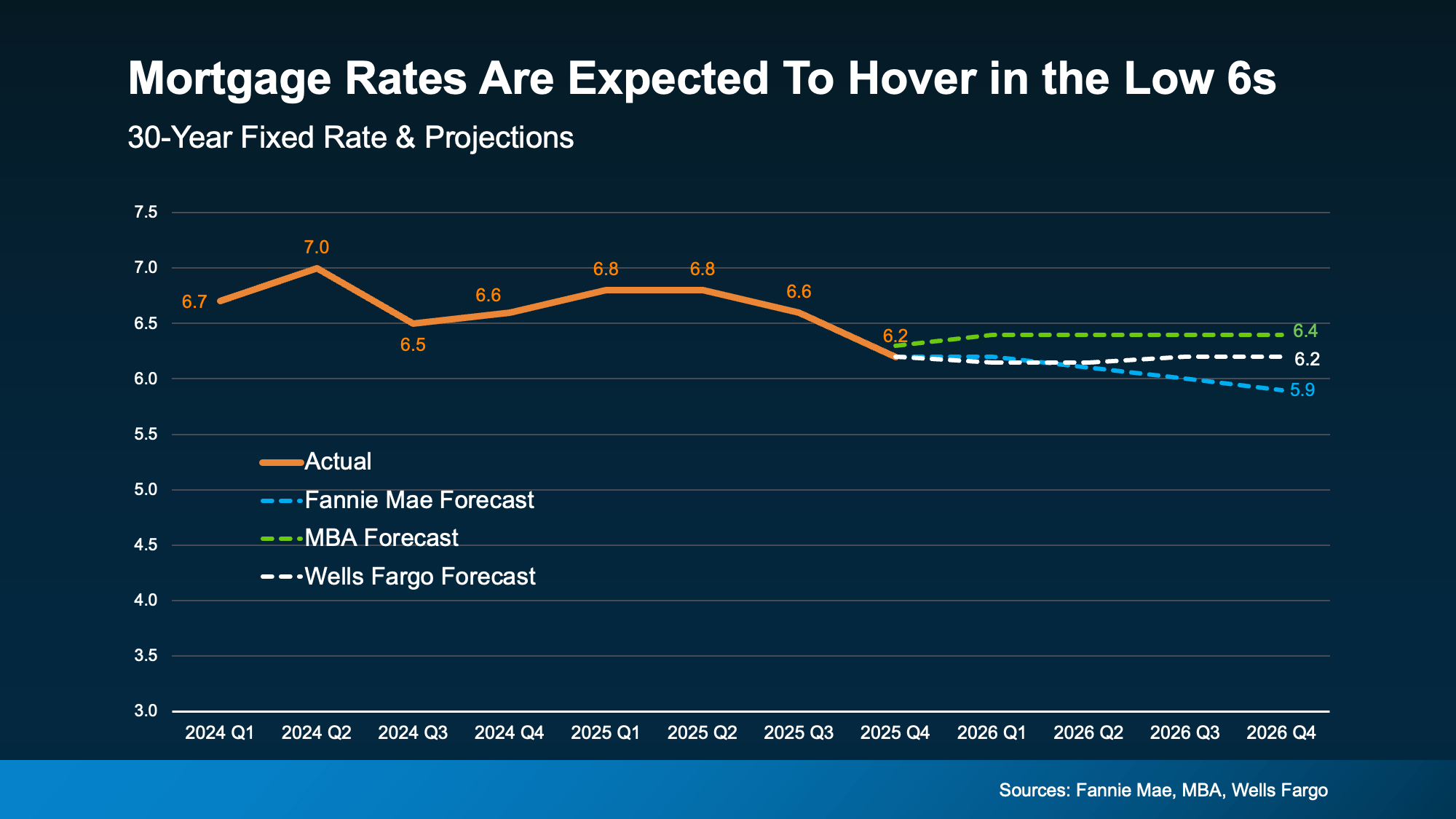
Virtually every major housing expert and economist out there agrees on one thing. We’re not going back to the days of 3% or even 4% mortgage rates. Those days are behind us. Could rates drop a bit from where they are now? Sure, most forecasts show them settling somewhere in the 5.5% to 6% range over the next few years. But we’re not looking at a dramatic plunge.

The Federal Reserve, major banks, housing economists, they’re all singing the same tune. That era of ultra-low rates was a unique moment in history, driven by extraordinary circumstances. Waiting around hoping for a return to 3% rates is like waiting for gas prices to drop back to what they were in 1995. It’s just not realistic.


a graph with lines and numbers

When Staying Becomes More Expensive Than Moving

Here’s something that doesn’t get talked about enough. Just because you have a low monthly mortgage payment doesn’t mean your house is actually saving you money. Let me explain what I mean.

Older homes come with their own set of expenses that add up fast. You’ve got ongoing maintenance that never really stops. Things wear out. Systems break down. And if your home doesn’t fit your needs anymore, you start throwing money at it trying to make it work.

Renovation Trap

Maybe you’re constantly remodeling, trying to squeeze more functionality out of your space. Adding a home office here. Converting a closet into storage there. Finishing the basement because you desperately need more room. These projects aren’t cheap, and they often don’t add enough value to make the investment worthwhile.

I’ve seen people pour $50,000, $75,000, even $100,000 into homes trying to make them work, when that money could have been a substantial down payment on a place that already meets their needs. The math on that rarely works out in your favor.

The Opportunity Cost

There’s also the daily cost of living in a space that doesn’t work for you. Are you constantly reorganizing just to make things fit? Have you stopped having friends over because your place feels too cramped? Are you spending money on storage units because you’ve run out of space?

These aren’t just financial costs, they’re quality-of-life costs. And they add up in ways that are harder to see on a spreadsheet but are very real in how you experience your daily life.

What Getting Educated Means

Look, I’m not here to push you into making a decision you’re not ready for. But I am going to encourage you to get educated about your options. And the best part? This education is completely free.

Talk to a Real Estate Agent

A good local agent can give you a realistic picture of your current home’s value and what you could actually afford in today’s market. They know your neighborhood, they understand the inventory, and they can show you what’s actually out there that might fit your needs better.

This conversation costs you nothing, and you’re not committing to anything. You’re just gathering information. Think of it as doing your homework before making one of the biggest financial decisions of your life.

Talk to a Mortgage Lender

This is equally important. A lender can show you exactly what your payment would look like with today’s rates, based on your specific financial situation. They’ll look at your credit, your equity, your income, and give you real numbers to work with.

But here’s what a lot of people don’t know. There are strategies that can help make the math work better in your favor. Rate buydowns, where you pay points upfront to lower your rate. Adjustable-rate mortgages that start lower and might make sense if you don’t plan to stay forever. Different loan terms that can adjust your monthly payment.

A knowledgeable lender will walk you through all these options and help you understand the trade-offs. They can also calculate your break-even point, which tells you how long it would take for a move to make financial sense given all the costs involved.

Home Equity

Here’s something that might surprise you. While you’ve been sitting on that low rate, chances are you’ve also been building up some serious equity in your current home. Depending on when you bought and where you live, you might have way more buying power than you realize.

That equity becomes your down payment on your next place. It can significantly offset the impact of a higher rate because you’re borrowing less money overall. Sometimes, the equity alone can make a move financially viable even with higher rates.

But you won’t know what you’re working with until you have those conversations with an agent and lender. They’re the only ones who can give you a clear picture of your actual financial position.

The Timing Concern

One of the biggest fears people have about moving is the logistics. “What if I sell my house but can’t find something to buy? What if I’m stuck homeless with my stuff in storage?” I get it. That’s a legitimate concern.

But here’s the thing, you have way more flexibility than you might think. Yes, contingent offers (where you only buy if you sell first) can be tougher in competitive markets. But there are other strategies that give you breathing room.

You can list your current home, accept an offer, and then negotiate a closing date that’s 60 or 90 days out, which gives you time to find your next place. You can include a rent-back provision where you pay the buyers to stay in your home for a month or two after closing while you complete your purchase. Some sellers even arrange temporary housing as a bridge between homes.

Your agent can help you structure a strategy that works for your specific situation. The point is, you don’t have to feel trapped by the logistics. There are ways to make the transition work.

A Personal Story That Might Resonate

Let me share something with you. There’s a family I know, and the mom described herself as the “financial one” in the household. She was the spreadsheet person, the one who ran all the numbers and kept everyone on budget. They had locked in a rate under 3% on their 1,400 square foot home.

Meanwhile, her family was dreaming out loud. The kids wanted a pool. Everyone wanted more space. They talked about possibilities. But she couldn’t get past that interest rate. In her mind, the math didn’t work. They’d already invested heavily in their current home too, new AC, new roof, screened porch, all those updates that are supposed to make a house feel perfect.

But something was still missing. The walls felt like they were closing in. Then one day, they found the right property. At first, she resisted hard. The numbers in her head screamed that it was the wrong decision. But then she watched her family light up. She saw them excited about picking out design features. She saw the pride of ownership in a space that actually fit them. She watched them use the community pool without the maintenance headache of owning one.

Here’s what she said looking back: The happiness and sense of ownership her family feels now far outweighs the interest rate she was clinging to. Sometimes the best investments aren’t just about the numbers on paper. Sometimes they’re about your family’s everyday joy and quality of life.

I’m not saying everyone should do what they did. But I am saying that when you’re making a decision this big, you need to look at the whole picture, not just one number on a loan document.

The Benefits of a Better-Fitting Home

Let’s talk about what you might actually gain from moving to a home that’s a better fit. Because it’s not just about square footage or fancy features.

Energy Efficiency Savings

Newer homes are typically way more energy-efficient than older ones. Better insulation, more efficient HVAC systems, modern windows, all of this adds up to lower utility bills month after month. Depending on where you live and how old your current home is, this could save you hundreds of dollars monthly.

Lower Maintenance Costs

When you move into a newer home, you’re not dealing with the constant maintenance parade of an older property. New roof. New water heater. New appliances. New HVAC system. These things typically come with warranties, and they’re not going to fail on you anytime soon. That peace of mind has real value.

Better Functionality

Modern homes are designed differently than homes built 20 or 30 years ago. Open floor plans. Home offices. Better storage solutions. Larger primary suites. These aren’t just luxuries, they reflect how people actually live today. When your home works with your lifestyle instead of against it, that’s worth something.

Mental and Emotional Benefits

Don’t underestimate the value of loving where you live. Coming home to a space that feels right, that has room for everyone to spread out, where you can comfortably entertain friends and family, that impacts your daily happiness in ways that are hard to quantify but very real.

Current Market Realities

As of late 2025, mortgage rates are hovering in the mid-6% range for most borrowers with good credit. That’s roughly double what people were getting a few years ago, and I’m not going to sugarcoat it, that hurts when you’re comparing numbers.

But here’s some context that’s important. Interest rates sitting in the 6% to 7% range isn’t historically unusual. If you look at mortgage rate history over the past 40 or 50 years, what we’re seeing now is actually closer to normal. The 3% rates were the outlier, not what we have today.

Does that make it easier to swallow? Maybe not. But it does help put things in perspective. Generations of homebuyers built wealth through real estate with rates in this range and higher. It’s still possible to make smart real estate moves in this environment.

Running Your Own Numbers

Here’s my challenge to you. Stop thinking in hypotheticals and get some real numbers to work with. Schedule those conversations with an agent and lender. Give them permission to show you what’s actually possible.

Ask them to run specific scenarios:

  • What’s my home worth right now?
  • How much equity do I have after paying off my current mortgage?
  • What would my payment be on a $400,000 home with 20% down at today’s rates?
  • What about with 30% down using more of my equity?
  • How does a 15-year mortgage change the picture versus a 30-year?
  • What would a rate buydown cost, and how much would it save me monthly?

Once you have real numbers in front of you, you can make an informed decision instead of guessing or going off general assumptions that might not apply to your specific situation.

The Lock-In Effect Is Real

What you’re experiencing has a name in the housing industry. They call it the “lock-in effect,” and it’s having a measurable impact on the entire market right now.

Research shows that the vast majority of current homeowners, something like 99%, have mortgage rates below the current market rate. More than a quarter of homeowners have rates at or below 3%. Almost three-quarters are below 4%.

This has created a really unusual situation where inventory is constrained because people don’t want to sell. New listings in some markets have dropped by 40% or more compared to typical years. This lack of inventory is one reason prices keep climbing, which creates more urgency for people who do want to move.

Some homeowners are finding creative solutions. They’re keeping their low-rate properties and converting them to rentals when they move. That way, they preserve that great financing while still getting the new home they need. It’s not the right move for everyone, but it’s an option worth considering if you have the financial capacity to manage a rental property.

Your Rate Was Smart Then, But What About Now?

Nobody’s questioning whether getting a 3% rate was smart. It absolutely was. You made a great decision based on the market conditions at that time. Give yourself credit for that.

But being smart with your money isn’t about making one good decision and then never revisiting it. It’s about continually evaluating whether your financial choices still make sense for where you are now and where you’re headed.

The mortgage that was perfect for you three years ago might not be the right financial choice for your life today. And that’s okay. Circumstances change. Needs evolve. Smart money management means being willing to adapt when it makes sense to do so.

What Financial Advisors Say

If you talk to financial planners and real estate economists, most of them will tell you the same thing. They’re not encouraging people to jump ship from low rates just for the sake of it. But they are encouraging people to make decisions based on their life needs, not just their interest rate.

A 3% mortgage on a home that doesn’t fit your life isn’t necessarily better than a 6% mortgage on a home that does. The “best” financial decision is the one that balances all factors, including your quality of life, your family’s needs, and your long-term goals.

Some advisors also point out that home equity is a form of savings. If you’re sitting on $200,000 in equity in a home that’s making you miserable, that’s not smart money management. That’s being penny-wise and pound-foolish.

Questions to Ask Yourself

Before we wrap up, I want to leave you with some questions worth pondering. Be honest with yourself about the answers:

How much are you spending annually on maintenance and repairs to keep your current home functional? If you added it up over the next five years, what would that total look like?

Are you constantly compromising on how you live because your space doesn’t work? What’s the cost of that, not just in money but in stress and daily frustration?

If you knew for certain that you’d be moving within five years, would you still make the same decision to stay put now? Or would you move sooner rather than later to take advantage of today’s prices?

What opportunities are you missing by staying in your current location? A shorter commute? Better schools? Closer to family? A community that better fits your lifestyle?

If you remove the mortgage rate from the equation entirely, would you still want to live in your current home? If the answer is no, that tells you something important.

Make the Decision That’s Right for You

Look, I’m not going to tell you whether you should move or stay. That’s your decision, and it depends on a whole bunch of factors that are unique to your situation.

What I am saying is that you deserve to make that decision based on complete information, not just one piece of the puzzle. Your mortgage rate is important, sure. But it’s not the only thing that matters. It might not even be the most important thing when you look at the bigger picture.

The smartest thing you can do right now? Get educated. Have those conversations. Run the numbers. Look at real properties that interest you. Understand what moving would actually cost and what it would get you. Then you can make a choice you feel confident about, whatever that choice turns out to be.

Your low mortgage rate was a win, no question about it. But if you’re feeling stuck, cramped, or compromised in your current home, it might be time to look beyond that one number and consider the full picture.

Home prices are climbing every year. Expert forecasts suggest rates aren’t dropping back to 3% anytime in the foreseeable future. Meanwhile, your life is happening right now, not five years from now. The question isn’t really “Why would I move?” It’s more like “When should I move?” And for some people, the answer might be sooner than they think.

The only way to know for sure is to do your homework. Talk to professionals who can give you real numbers based on your actual situation. Look at what’s available in your market. Calculate the true cost of staying versus moving. Then make an informed decision that takes everything into account.

You were smart enough to lock in that great rate. Trust yourself to be smart enough to figure out what the right move is now. And remember, sometimes the wisest financial decision is the one that improves your life, not just the one that looks best on a spreadsheet.

Whatever you decide, make sure it’s based on the full picture of your life, your goals, and your genuine needs. That’s how you make money decisions you won’t regret, regardless of what the interest rates are doing.

No Comments

Smart Homebuyers Are Making Their Move

You’re standing at a crossroads. News headlines scream about economic uncertainty, job market shifts, and housing market chaos. Your social media feeds overflow with conflicting advice about whether now is the right time to purchase a home. With all this noise swirling around, it’s completely understandable if you’re second-guessing whether homeownership makes sense for you right now.

But here’s something interesting that might change your perspective: thousands of people just like you decided to move forward with their home purchase this year. And when you ask them about it? Most will tell you it was absolutely the right decision, market conditions and all.

Let’s dig into why they made the leap, what’s really happening with home values, and how you can make the smartest decision for your unique situation.

Personal Reasons That Matter

Here’s a truth that might surprise you: most people who bought homes recently didn’t make spreadsheets comparing interest rates from the past decade or obsess over whether they caught the absolute bottom of the market. Instead, they focused on something far more important—what they needed for their lives right now.

Creating Space for What Matters

Think about the last time you walked into your current living space. Does it fit who you are today? For many recent buyers, the answer was a resounding no. Maybe you’ve been working from home in a cramped apartment, holding Zoom meetings from your bedroom while trying to maintain some semblance of work-life boundaries. Perhaps your family has grown, and you’re literally tripping over toys in a space that made sense five years ago but feels impossibly small now.

Recent data shows that the desire for a home that actually fits your lifestyle is driving more purchase decisions than market timing ever could. Some buyers are finally getting that home office they desperately need. Others are finding places with yards where their kids can play without constant supervision. Still others are discovering the joy of having a guest room for when family visits, rather than awkwardly shuffling sleeping arrangements every holiday season.

Proximity

There’s something magical about living close to the people you care about. Recent buyers consistently mention proximity to family and friends as one of their top motivators. And honestly, can you blame them?

Imagine this: Instead of planning visits to see your parents weeks in advance, you can drop by for Sunday dinner. When your best friend texts asking if you want to grab coffee, you don’t have to decline because they live forty-five minutes away. When you need a hand moving furniture or someone to watch the dog for an afternoon, help is nearby rather than requiring elaborate coordination across time zones.

This kind of connection fundamentally changes your daily experience. It transforms isolated moments into shared experiences. It means your kids actually know their grandparents, not as people they see twice a year, but as regular presences in their lives. That’s not something you can put a price tag on, and it’s certainly not something worth delaying for slightly better interest rates.

First-Time Buyers Taking the Plunge

For many people, this year represented the moment they finally transitioned from renting to owning. After years of watching rent checks disappear into someone else’s pocket, they decided to start building their own equity instead.

First-time buyers talk about the freedom of making a space truly theirs. You can finally paint that accent wall the exact shade of blue you’ve been dreaming about. Want to install shelving or hang heavy artwork? Go for it—no need to check with a landlord. Planning to adopt a dog? You don’t need permission from anyone but yourself.

There’s also something deeply satisfying about stability. No more wondering whether your lease will renew at an affordable rate. No more worrying about whether your landlord might sell the property and force you to move. You’ve planted roots, and they’re yours.

The Simplification Movement

Not everyone is upsizing. A significant number of recent buyers are actually moving to smaller, more manageable homes. This isn’t about settling for less—it’s about intentionally choosing more.

Empty nesters are trading large family homes for cozy condos or smaller houses that require less maintenance and sit closer to the activities and amenities they actually use. Busy professionals are choosing homes that don’t demand every weekend be dedicated to upkeep and repairs. People nearing retirement are positioning themselves in locations that will support their lifestyle for decades to come.

Downsizing often means freeing up both money and time for what truly matters. Less space to clean means more time for hobbies. Lower utility bills mean more budget for travel. A more manageable property means less stress and more enjoyment of daily life.

What’s Actually Happening with Home Prices

Let’s cut through the sensational headlines and talk about what housing market experts are actually projecting. Because spoiler alert: the crash everyone keeps predicting probably isn’t coming.

The Five-Year Outlook

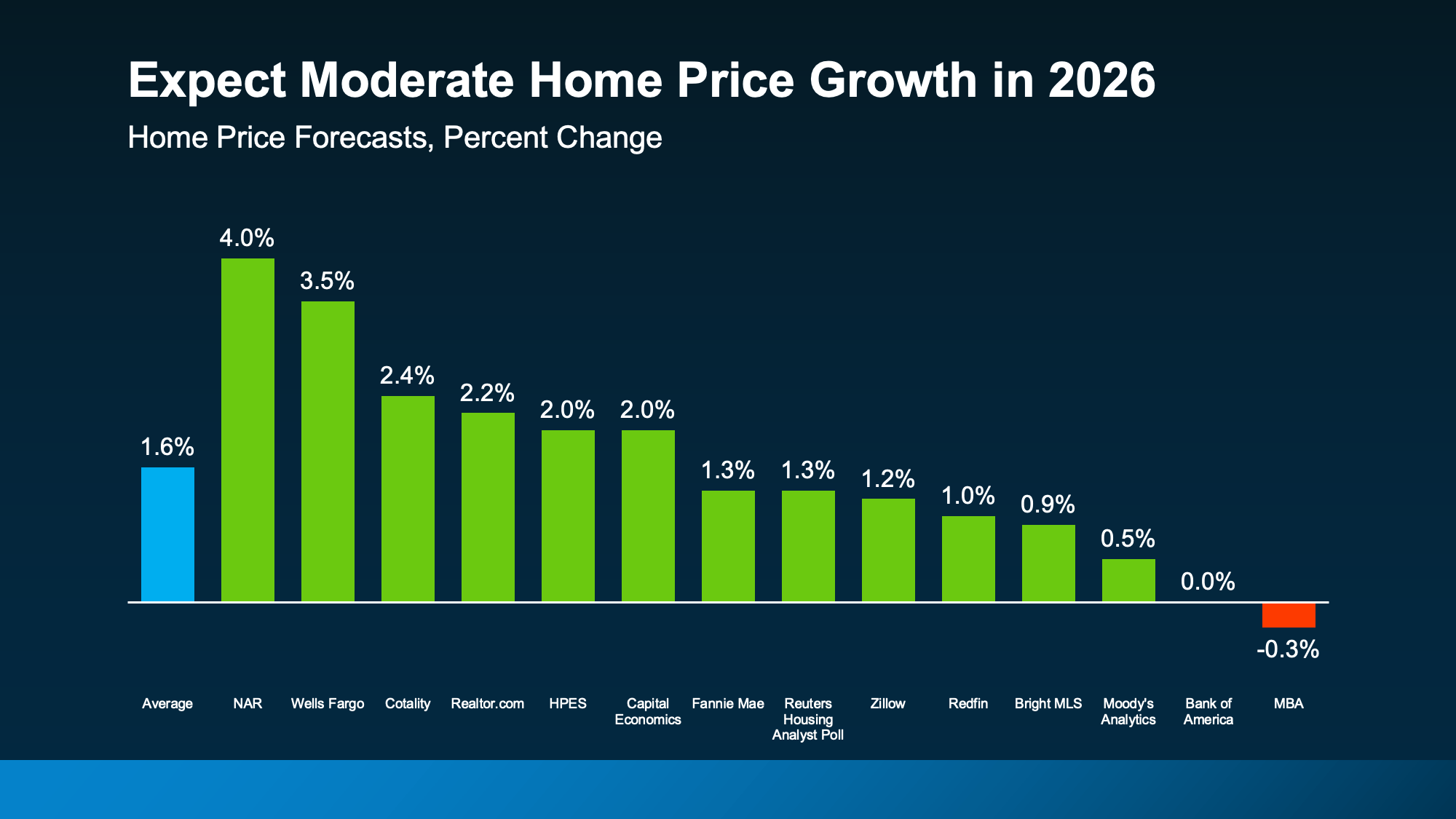
Over one hundred leading housing market analysts recently shared their projections for where home values are headed through 2029. The consensus? Steady, sustainable growth—not a dramatic crash, but also not the wild appreciation we saw during the pandemic years.

On average, experts predict home values will increase by approximately 3.3% annually over the next five years. Now, before you dismiss that as modest, consider what it actually means. If you purchase a home today at the median national price, you’re looking at tens of thousands of dollars in equity building over the next half-decade. That’s not even accounting for the principle you’ll pay down through your mortgage payments.

But here’s what’s really interesting: even the most conservative analysts in the survey still project growth. The pessimists (if you can call them that) forecast annual increases around 1.3%. Meanwhile, the optimists see growth closer to 5% per year. Notice something? Not a single expert group predicts a major nationwide decline.

a graph with green bars

Why This Growth Pattern Matters

The current trajectory represents something we haven’t seen in years: normalcy. The frenzied bidding wars and double-digit annual appreciation of recent years created an unsustainable situation. Homes became unaffordable for average families. People felt pressured to make rushed decisions or risk being priced out forever.

Now we’re seeing a return to healthier, more sustainable market dynamics. Some local markets might experience slight dips or flat growth in the short term, particularly where inventory has increased significantly. Other areas will continue appreciating faster than the national average because demand still outpaces supply.

This regional variation is actually a good thing. It means the market is functioning normally, responding to local economic conditions rather than being driven by pandemic-related panic and speculation.

The Factors Supporting Stability

Several fundamental factors are keeping the housing market stable and preventing the dramatic crash that some headlines predict.

Foreclosure rates remain remarkably low. During the housing crisis of 2008, foreclosures flooded the market with distressed properties that dragged down values across entire neighborhoods. Today’s lending standards are much stricter, and homeowners who purchased in recent years generally have solid financial footing.

Speaking of homeowners, equity levels are near historic highs. When you have substantial equity in your property, you have options if you encounter financial difficulties. You can sell without going through foreclosure. You can tap into a home equity line of credit to bridge temporary cash flow gaps. This cushion of equity provides stability to the broader market.

Finally, we’re not seeing the kind of oversupply that would crash prices. While inventory has increased from the extreme lows of recent years, we’re still not flooded with available homes in most markets. Basic supply and demand dynamics suggest that values should remain relatively stable when supply and demand are roughly balanced.

Regional Differences

Here’s something that often gets lost in national headlines: your local market might behave very differently from national trends. Real estate is inherently local, and understanding your specific area is crucial for making smart decisions.

Markets Showing Price Adjustments

Some cities, particularly in the Sun Belt, are experiencing price corrections after years of explosive growth. Places like Tampa, Phoenix, Dallas, and Miami saw enormous appreciation during the pandemic as people flooded in seeking better weather, lower costs of living, and remote work opportunities.

That surge in demand drove prices up rapidly—sometimes too rapidly. These markets are now adjusting as inventory increases and buyer enthusiasm moderates. If you’re looking in one of these areas, this adjustment might actually work in your favor, creating opportunities that didn’t exist a year or two ago.

However, “adjustment” doesn’t mean “crash.” Even in markets seeing the largest price declines, we’re typically talking about single-digit percentage drops, not the catastrophic collapses of 2008. And many buyers who purchased during the pandemic peak still have substantial equity because prices rose so dramatically.

Markets Maintaining Strength

Meanwhile, many markets in the Northeast and Midwest continue showing solid appreciation. Cities like Chicago, New York, and Boston are posting healthy year-over-year gains because they have tight inventory and steady demand driven by job markets and urban amenities.

These markets never experienced the same pandemic-driven frenzy, so they don’t need the same level of correction. They’re benefiting from fundamental factors like strong local economies, limited new construction, and consistent buyer demand.

What This Means for You

National statistics provide context, but your decision should be based on your local market. Are homes sitting on the market for months in your area, or do they still sell quickly? Are sellers reducing prices frequently, or are properties still commanding close to asking price? How does current inventory compare to historical norms for your region?

These hyperlocal factors matter far more than whether home prices rose or fell three percent nationally last quarter. A real estate professional familiar with your specific market can provide insights that general news articles simply cannot.

The Cost of Waiting

Let’s talk about something that doesn’t get discussed enough: what you’re giving up by waiting for “perfect” conditions that may never arrive.

Missing Life’s Moments

Every month you spend in a home that doesn’t fit your needs is a month you can’t get back. If you need more space for your growing family, your kids are getting older every day while you wait for interest rates to drop another quarter point. If you’re ready to simplify and downsize, you’re spending time and money maintaining a property that no longer serves your lifestyle.

Think about the memories you could be making in a home that truly fits. The dinner parties in that dream kitchen. The lazy Saturday mornings in your backyard. The home office where you can finally close the door and focus. These experiences have value that doesn’t show up on any financial calculator.

Equity Building

Here’s a simple truth: you start building equity the moment you close on a home. Every mortgage payment increases your ownership stake. Every year of appreciation adds to your net worth. When you wait, you’re not building either of these.

Let’s say you’re considering a home purchase but decide to wait a year because you think prices might drop five percent. Even if prices do decrease that much (which historical data suggests is unlikely in most markets), you’ve also missed out on a year of building equity and a year of appreciation in an upward-trending market.

Run the numbers on your specific situation, and you might be surprised to discover that the potential savings from waiting don’t offset what you lose by not building equity now.

Rent Isn’t Standing Still

While you’re waiting for the “perfect” time to buy, your rent probably isn’t staying flat. In many markets, rents continue increasing steadily. Every rent increase makes homeownership relatively more affordable and means you’re paying more for the temporary housing arrangement you’re already dissatisfied with.

Consider this: if your rent increases by $100 per month over the next year while you wait to buy, that’s $1,200 in additional housing costs that build exactly zero equity. Meanwhile, that same $100 applied to a mortgage payment would be increasing your ownership stake in a property.

Making the Decision

So how do you cut through all the noise and make a decision you’ll feel good about five or ten years from now?

Your Personal Situation

Start by looking inward rather than outward. What do you need from a home right now? Not what do market conditions suggest you should do, but what would genuinely improve your daily life and support your goals?

Consider your job stability. Are you in a career and location where you expect to stay for at least a few years? Real estate generally makes more sense as a medium to long-term investment rather than a short-term flip.

Look at your financial foundation. Do you have a solid emergency fund? Is your debt manageable? Can you comfortably afford the monthly payment without stretching your budget dangerously thin?

Think about your life plans. Are you likely to need to relocate for work? Are major life changes on the horizon that might affect your housing needs? Homeownership works best when you have some stability and predictability in your life situation.

Your Local Market

Once you’ve assessed your personal readiness, dive deep into your specific market. This is where working with a knowledgeable local real estate professional becomes invaluable.

What’s the current inventory situation in your price range and desired neighborhoods? Are you competing with dozens of other buyers, or do you have some negotiating leverage? How long are properties typically sitting on the market before selling?

Are there local economic factors that might affect values in the near term? Major employers moving in or out? Significant infrastructure projects? Changes to zoning or development patterns?

Understanding these local dynamics helps you make informed decisions rather than gambling based on national headlines that may not reflect your reality at all.

Run Your Personal Numbers

Take the time to crunch the numbers for your specific situation. Online calculators can help, but consider sitting down with a mortgage professional and a financial advisor to really understand the implications.

How does your anticipated monthly housing payment (including insurance, taxes, and maintenance reserves) compare to your current rent? What’s your break-even timeline if you had to sell? How would a modest increase or decrease in property values affect your financial position?

Don’t forget to factor in the tax implications. For many buyers, the mortgage interest deduction and the long-term capital gains treatment of home sales provide significant financial benefits that rent doesn’t offer.

Consider the Intangible Benefits

Not everything that matters can be quantified. Yes, you need to make sure homeownership makes financial sense. But there’s also real value in the stability, autonomy, and sense of belonging that comes with owning your home.

Think about what it would mean to never worry about lease renewals or unexpected moves. Consider the satisfaction of building something that’s truly yours. Imagine the security of knowing you’re protected from rent increases and can stay as long as you choose.

These factors are harder to measure, but they’re very real components of your overall quality of life.

Moving Forward

If you’ve determined that homeownership aligns with your goals, your finances, and your life situation, the next step is taking action without getting paralyzed by analysis.

Work with Trusted Professionals

Surround yourself with experts who can guide you through the process. A experienced real estate agent brings market knowledge and negotiation skills that can save you thousands of dollars and countless headaches. A mortgage professional helps you understand your financing options and structure your loan optimally. A home inspector protects you from buying a property with hidden issues.

These professionals exist to make your transaction smoother and more successful. Use their expertise rather than trying to figure everything out on your own.

Stay Focused on Your Why

Throughout the homebuying process, you’ll encounter moments of doubt. Markets will fluctuate. Interest rates might shift. You’ll see properties that don’t quite work or negotiations that fall through. This is all normal.

In these moments, return to your original motivation. Why did you decide homeownership was right for you? What were the needs and goals driving your decision? Keeping your “why” front and center helps you navigate the inevitable ups and downs without losing sight of what matters.

Don’t Try to Time the Market Perfectly

Here’s a truth that applies to both real estate and investing: nobody consistently times the market perfectly. The people who build wealth do so by making sound decisions based on solid fundamentals and then sticking with them long enough for compound growth to work its magic.

The best time to buy a home is when you’re financially ready, you’ve found a property that meets your needs, and homeownership aligns with your life goals. It’s not when mortgage rates hit their absolute lowest point or when you’ve correctly predicted the exact bottom of the local market cycle.

Look Beyond the Headlines

In a world of 24-hour news cycles and social media hot takes, it’s easy to feel overwhelmed by conflicting information about the housing market. Remember that most headlines are designed to generate clicks, not to provide nuanced guidance for your specific situation.

The reality is more complex and more boring than dramatic headlines suggest. Most markets are experiencing modest, sustainable growth. Some areas are adjusting after rapid pandemic-era appreciation. Others are showing steady strength based on local fundamentals.

What matters is not whether the national market went up or down last quarter. What matters is whether homeownership serves your needs, fits your finances, and supports the life you want to build.

Your Home, Your Timeline, Your Decision

At the end of the day, this is your decision to make. Not what the headlines suggest you should do. Not what worked for your neighbor or your coworker. What works for you, based on your unique situation, goals, and needs.

The buyers who purchased homes this year didn’t wait for perfect conditions because perfect conditions rarely exist. They evaluated their situations honestly, ran the numbers, consulted with professionals, and moved forward when it made sense for them.

Many of them will tell you they’re sleeping better now. They’re enjoying homes that finally fit their lives. They’re building equity with every payment. They’re creating memories in spaces that feel like home.

That could be you. Not because market conditions are perfect, but because you made a well-informed decision based on sound fundamentals and your personal circumstances.

If you’re ready to explore what homeownership might look like for you, start by having honest conversations with real estate and financial professionals who can help you evaluate your specific situation. They can help you understand your local market, assess your readiness, and determine whether now is your right time—regardless of what the headlines say.

Because here’s the ultimate truth: the people who buy homes aren’t trying to time the market perfectly. They’re trying to build lives that work for them. And that’s something worth moving forward on, market conditions and all.

No Comments

Are These Myths About Buying a Newly Built Home Holding You Back?

If you’ve been scrolling past new construction homes in your search, you might be making a mistake based on outdated assumptions. In today’s Memphis, Germantown, and Collierville real estate markets, newly built homes represent one of the smartest opportunities available—yet many buyers skip right over them because of persistent myths that simply aren’t true anymore.

New construction now accounts for nearly a third of available inventory, offering move-in-ready homes with modern features, energy efficiency, and warranties that older homes can’t match. But misconceptions about cost, quality, and the buying process keep qualified buyers from even considering these properties.

Let’s clear up the most common myths about buying newly built homes, so you don’t miss out on what could be your perfect home.

Myth 1: New Homes Are More Expensive

The Reality: New construction can actually offer better long-term value.

This is probably the biggest myth, and it’s time to put it to rest. While the sticker price on a new home might seem higher at first glance, the real story is more complicated—and often more favorable than you’d think.

Recent data shows that in many markets, the median price of newly built homes is actually lower than existing homes. But even when new construction carries a slightly higher initial cost, you need to look at the complete financial picture.

What You’re Not Paying For:

When you buy a new home, you’re not inheriting someone else’s deferred maintenance. That means no immediate need to replace:

  • A 15-year-old HVAC system ($5,000-$10,000)
  • Aging roof that’s nearing the end of its life ($8,000-$15,000)
  • Outdated appliances that break down constantly ($2,000-$5,000)
  • Old water heater on borrowed time ($1,200-$2,500)
  • Worn carpeting or flooring ($3,000-$10,000)

Studies show that 92% of homeowners who purchase older homes encounter at least one major issue in their first year, spending an average of $5,719 out of pocket. With a new home, you avoid these surprises entirely.

Energy Efficiency Saves Real Money:

Modern homes are built with energy efficiency as a priority. According to the U.S. Department of Energy, energy-efficient homes can reduce utility bills by up to 30%. Over the life of your mortgage, that adds up to tens of thousands of dollars in savings.

New homes feature better insulation, high-efficiency windows, modern HVAC systems, and energy-efficient appliances—all of which keep money in your pocket every single month.

Warranties Provide Protection:

Most builders provide comprehensive warranties covering structural components, systems, and appliances for anywhere from one to ten years, depending on the item. If your furnace fails or your water heater gives out during the coverage period, the repair or replacement is covered. This peace of mind and financial protection simply doesn’t exist with older homes.

a graph of sales and prices

Myth 2: Builders Don’t Negotiate

The Reality: Many builders are highly motivated and offer significant incentives.

The idea that builders have all the power and won’t budge on price is completely outdated. In today’s market, many builders are sitting on completed inventory they want to move quickly—and that makes them surprisingly flexible.

As economists point out, builders don’t live in their spec homes. Every day a completed house sits unsold costs them money. They have carrying costs, financing expenses, and pressure from investors or corporate leadership to move inventory.

What Builders Commonly Offer:

  • Mortgage rate buydowns – Builders are often three times more likely than individual sellers to offer rate buydowns, potentially saving you half a percent or more on your mortgage rate
  • Closing cost assistance – Many builders will contribute thousands toward your closing costs
  • Upgrades and incentives – Free upgrades like granite countertops, hardwood floors, or finished basements
  • Flexible completion dates – Ability to coordinate timing that works for your situation
  • Appliance packages – Including upgraded appliances at no additional cost

The key is working with an experienced real estate agent who knows how to negotiate with builders and understands what incentives are on the table. These deals aren’t always advertised—you need to ask.

Myth 3: New Homes Are All Cookie-Cutter 

The Reality: Customization and variety are more prevalent than ever.

If your mental image of new construction is rows of identical beige boxes, you’re about a decade behind. Today’s new home market offers remarkable variety in both style and customization.

Recent surveys show that 72% of new homebuyers personalize their homes in some way, with options ranging from semi-custom to fully custom builds. Even in planned communities, you’ll find different layouts, exterior facades, and interior finishes from home to home.

Your Customization Options:

Depending on the builder and stage of construction, you might be able to select:

  • Floor plan variations and room configurations
  • Exterior finishes and architectural styles
  • Flooring materials throughout the home
  • Cabinet styles and countertop materials
  • Paint colors for every room
  • Light fixtures and hardware
  • Appliance packages and upgrades
  • Bathroom fixtures and finishes

Some builders offer semi-custom options where you can make selections from their preferred vendors and product lines. Others offer fully custom builds where nearly everything is up to you. And even with spec homes that are already underway or completed, you’ll typically find significant variety in style and features.

The farmhouse aesthetic popular in Collierville looks nothing like the modern craftsman homes you’ll find in East Memphis, and both are completely different from the traditional Southern styles in Germantown. Today’s builders recognize that buyers want homes that reflect their personal taste.

Myth 4: New Construction Takes Forever to Build

The Reality: More than a third of new homes are move-in ready right now.

Yes, if you’re building a custom home from the ground up, you’ll wait several months. But that’s not your only option—not by a long shot.

Recent data shows that 37% of new homes listed are already complete and ready for immediate move-in. These are called spec homes—properties that builders started and finished before finding a buyer. They offer the best of both worlds: brand-new construction with no waiting period.

For homes still under construction, typical build times have actually shortened thanks to improved project management tools and processes. Many semi-custom homes can be completed within four to six months, especially when construction is already underway when you sign your contract.

Timeline Variables to Consider:

  • Spec homes – Move in next month
  • Homes in progress – 2-4 months typical
  • Quick-start custom – 4-6 months typical
  • Full custom build – 7-10 months typical

The key is being clear about your timeline from the start. If you need to move quickly, focus on completed or nearly completed homes. If you can wait a bit longer, you might have more customization options.

Myth 5: Financing New Construction Is Too Complicated

The Reality: Builders often make financing easier and more affordable.

Many buyers assume that financing a new home involves complicated construction loans and complex processes. In most cases, that’s simply not true—especially with spec homes and homes nearing completion.

Here’s a surprising fact: new home buyers often secure better mortgage rates than buyers of existing homes. Recent data shows that new construction buyers have been paying, on average, about half a percent lower on mortgage rates, thanks to builder incentives and preferred lender relationships.

Why Builder Financing Can Be Better:

Builders typically have relationships with preferred lenders who:

  • Understand the builder’s quality and track record
  • Process new construction loans efficiently
  • Offer special incentives to buyers who use their services
  • May provide rate buydowns or closing cost assistance
  • Can move faster because they’re familiar with the builder’s process

These lenders are comfortable with new construction because it represents less risk than a 30-year-old home with potential hidden issues. The appraisal is straightforward, the condition is known, and there are no surprises.

That said, you’re never required to use the builder’s preferred lender. You can absolutely shop around for your own financing. Just know that using the builder’s lender may unlock additional incentives or concessions.

Myth 6: New Homes Don’t Appreciate in Value

The Reality: New construction appreciates just as well as existing homes—often better.

Some buyers worry that a new home will lose value quickly, like driving a new car off the lot. This misconception couldn’t be further from the truth.

Data from the past decade shows that newly built homes have appreciated by an impressive 72% from 2015 to 2025. That’s strong, consistent appreciation that matches or exceeds existing home appreciation in most markets.

Why New Homes Build Equity:

New homes in growing communities often appreciate faster in their early years because:

  • The neighborhood is still developing and improving
  • More amenities are being added over time
  • Later phases of construction sell at higher prices
  • You’re in the ground floor of an appreciating community
  • No deferred maintenance issues to hurt resale value

Plus, you’re building equity through your mortgage payments while avoiding the major repair expenses that drain equity from older homes. That $8,000 you didn’t spend on a new roof? That’s $8,000 more equity in your pocket.

Myth 7: You Don’t Need Your Own Real Estate Agent

The Reality: Having your own agent is more important than ever with new construction.

This might be the most dangerous myth of all. Yes, the builder has a sales representative on-site who will help you through the process. But that person works for the builder—not for you.

Builder contracts have different fine print than typical resale contracts. There are deadlines, contingencies, upgrade processes, and warranty terms that you need someone on your side to explain and negotiate. Your own agent advocates for your interests and makes sure you understand exactly what you’re signing.

What Your Agent Does For You:

  • Reviews builder contracts with your interests in mind
  • Negotiates incentives and upgrades on your behalf
  • Identifies red flags or unusual contract terms
  • Coordinates inspections at critical stages
  • Ensures deadlines are met and quality standards maintained
  • Helps you understand warranty coverage and limitations
  • Advocates if issues arise during or after construction

Recent surveys show that buyers who used their own agents when purchasing new construction rated those agents as far more helpful than the builder or the builder’s representative throughout the entire process. That’s because your agent’s loyalty is to you, not the builder’s bottom line.

The best part? The builder typically pays your agent’s commission from their marketing budget. It costs you nothing extra to have professional representation, so there’s no reason not to have someone in your corner.

a screenshot of a graph

Myth 8: New Homes Are Lower Quality Than Older Homes

The Reality: Modern building codes and materials make today’s homes more durable and safe.

There’s a romantic notion that “they don’t build them like they used to.” That’s true—and it’s a good thing. Modern construction techniques, materials, and building codes have improved dramatically.

What’s Better in New Construction:

Today’s homes must meet or exceed current codes for:

  • Electrical safety – Advanced GFCI and AFCI protection throughout
  • Plumbing systems – Modern PEX and CPVC that outlast old copper
  • Energy efficiency – Insulation and air sealing requirements far exceed older standards
  • Structural integrity – Engineering advances in framing and foundations
  • Fire safety – Better materials and required safety features
  • Climate resilience – Built to withstand local weather and climate challenges

The lumber is stronger, the fasteners are better, the electrical is safer, and the plumbing is more reliable. Every component is manufactured to tighter tolerances than what was available 30, 40, or 50 years ago.

Sure, some older homes were built exceptionally well—but many weren’t. The difference is that today’s codes ensure a minimum standard of quality that simply didn’t exist in previous decades.

Making Your Decision

The bottom line is simple: if you’ve been avoiding new construction based on these myths, you’re limiting your options in a market where inventory is tight and competition is fierce. New homes offer advantages that are hard to match—modern efficiency, low maintenance, warranties, and the ability to make a space truly yours from day one.

Whether you’re a first-time buyer stretching to make homeownership work, a growing family needing more space, or someone downsizing who doesn’t want to deal with endless home maintenance, new construction deserves a serious look.

The Memphis area is experiencing steady growth in Germantown, Collierville, and surrounding communities, with quality builders creating homes that blend Southern charm with modern convenience. From traditional designs to contemporary layouts, there’s more variety available than most buyers realize.

Let Reid Realtors Guide You

At Reid Realtors, we work with new construction buyers every day. We know the builders in the area, understand their contracts, and know how to negotiate the best possible deal on your behalf. We’ve helped countless clients navigate the new construction process, from choosing the right community to closing on their perfect home.

If you’ve been curious about new construction but weren’t sure where to start, let’s talk. We’ll help you separate fact from fiction, explore your options, and determine whether a newly built home is the right choice for you and your family.

Don’t let outdated myths keep you from finding your dream home. The truth about new construction might just surprise you—in the best possible way.

Reid Realtors specializes in helping buyers find their ideal homes throughout Memphis, Germantown, Collierville, and surrounding areas. Whether you’re interested in new construction or exploring existing homes, our experienced agents provide the guidance and expertise you need to make confident decisions. Contact us today to start your home search.

No Comments

Should You Rent Your House or Sell It?

(Updated 11/18/25)

So, you’re getting ready to move. Maybe you’ve found your dream job in another city, you’re upgrading to a bigger place, or perhaps you’re downsizing for retirement. Whatever the reason, you’re facing a question that keeps a lot of homeowners up at night: what should I do with my current house?

It’s one of those decisions that feels huge because, well, it is. Your home represents years of memories, a significant chunk of your net worth, and quite possibly your biggest financial asset. The choice between selling and renting it out isn’t something you want to make lightly or on a whim.

Here’s the thing though—there’s no one-size-fits-all answer. What works brilliantly for your neighbor might be a disaster for you. That’s why we’re going to walk through everything you need to think about, from the practical realities of being a landlord to the financial nitty-gritty that could make or break your decision.

Let’s dig in and figure out what makes the most sense for your unique situation.

Taking a Look at Your Property

Before you get too excited about the idea of passive rental income rolling in every month, let’s pump the brakes for a second. Not every house makes a good rental property, and that’s just the reality of it.

Think about where your house is located. Are you moving across town or across the country? If you’re relocating halfway across the nation, managing a rental property from that distance becomes exponentially more challenging. Sure, property management companies exist, but they eat into your profits and you’re still dealing with the stress of managing something from afar.

Then there’s the neighborhood factor. Is your area actually desirable for renters? Some neighborhoods are fantastic for homeowners but struggle in the rental market. Maybe the schools aren’t great, or perhaps it’s in a location where most people prefer to buy rather than rent. Do a little digging into what rental properties in your area are going for and how long they typically sit vacant between tenants.

And let’s talk about the condition of your home. Be brutally honest here. Does your house need significant repairs or updates before someone else could comfortably live there? That leaky roof you’ve been meaning to fix, the outdated electrical system, or the HVAC unit that’s been making weird noises—these aren’t things you can ignore when you’re renting to someone else. You’ll need to address them upfront, and that could mean a substantial investment before you see a single rent check.

If your gut is telling you that your house isn’t cut out for rental life, that’s valuable information. Sometimes selling really is the smarter play.

Being a Landlord

Let’s get something straight right off the bat—being a landlord isn’t just about collecting rent checks and watching your bank account grow. If that’s what you’re picturing, you might want to adjust your expectations.

The reality? It’s a job. A real, actual job that doesn’t come with regular hours or predictable demands.

Day to Day Challenges

Imagine this: It’s 11 PM on a Saturday night, and you’re finally settling in to watch a movie. Your phone rings. It’s your tenant, and the water heater just quit working. What do you do? You handle it, that’s what. Because you’re the landlord, and that’s part of the deal you signed up for.

Or picture this scenario: You’ve just finished a lease with one tenant and you’re getting ready for the next one. You walk into the property and discover carpet stains that weren’t there before, holes in the walls that need patching, and a generally trashed kitchen. Now you’re looking at cleaning costs, repair expenses, and potentially several weeks without rental income while you get everything fixed up.

These aren’t horror stories meant to scare you—they’re just regular parts of being a landlord that many people don’t think about until they’re in the middle of dealing with them.

The Emotional Toll

Here’s something people don’t talk about enough: the emotional aspect of renting out your home. This was your space. You picked out the paint colors, you planted those trees in the backyard, you know every quirk and creak of that house. Watching someone else live there—and potentially not treat it the way you would—can be surprisingly tough.

You might find yourself stressed about whether the tenants are taking care of the place. You might lose sleep worrying about late rent payments or lease violations. And if you end up needing to evict someone? That’s a whole legal process that’s both emotionally draining and financially costly.

The experts have seen enough landlord nightmares to warn people pretty explicitly about this. Before you jump into rental property ownership, talk to people who are actually doing it. Not just the success stories—find people who’ll be honest about the headaches, the unexpected costs, and the 2 AM phone calls. You might discover that selling your home sounds a whole lot more appealing when you don’t have to deal with all that stress.

Breaking Down the Costs

Okay, so you’re thinking about the rental income you could generate. Let’s say you figure you can rent your place for two thousand dollars a month. That sounds pretty good, right? Twenty-four thousand dollars a year coming in. But hold on—that’s not money in your pocket. Not by a long shot.

The Expenses That Keep Coming

First up, you’ve still got that mortgage payment to make. Even if your rent covers it completely, that money is spoken for. Then there’s property taxes—and those don’t go away just because you’re not living there anymore. In fact, in some areas, you might even face higher tax rates for rental properties.

Insurance is another big one. Your regular homeowner’s insurance won’t cut it once you start renting. You need landlord insurance, and that typically costs about 25% more than standard home insurance. Why? Because you’re covering not just property damage, but potential liability issues, loss of rental income, and a whole host of other scenarios that come with having tenants.

Maintenance Adds Up

Here’s a rule of thumb that might surprise you: plan on spending at least 1% of your home’s value annually on maintenance and repairs. For a three-hundred-thousand-dollar house, that’s three thousand dollars a year. And if your home is older? Bump that percentage up.

This isn’t optional money or worst-case-scenario budgeting. This is just the reality of owning property. Things break. Appliances die. Roofs develop leaks. Water heaters give up the ghost. And when you’re a landlord, you can’t just decide to live with that dripping faucet for a few months until you feel like dealing with it. You have to fix things promptly, or you’re likely violating your lease agreement and potentially local housing codes.

Hidden Costs

Finding a tenant isn’t free. You’ve got advertising costs, background check fees, and the time investment of showing the property and reviewing applications. If you’re using a platform to list your rental, there might be fees associated with that too.

Then there’s vacancy. Even the best rental properties sit empty sometimes. The average gap between tenants is typically a few weeks, but it could be months depending on your market and the time of year. During that time, you’re covering all the costs with zero income coming in.

If you decide to hire a property management company to handle the day-to-day stuff (which might be necessary if you’re moving far away), they typically charge around 10% of your monthly rent. On that two-thousand-dollar monthly rent, that’s two hundred dollars right off the top.

And if your property is in an HOA? Those fees keep rolling in whether you’re living there or renting it out. Some HOAs even have restrictions on rentals, so make sure you check your bylaws before you even consider this option.

Running the Numbers

Let’s do some actual math here. Say you’re renting that property for two thousand dollars a month. Sounds great until you subtract:

Mortgage payment: nine hundred dollars. Property taxes: three hundred dollars. Landlord insurance: one hundred fifty dollars. Maintenance reserve: two hundred fifty dollars. Property management: two hundred dollars. HOA fees: one hundred dollars. That’s already nineteen hundred dollars in regular expenses.

You’re looking at maybe a hundred dollars a month in actual profit—before you account for vacancy periods, major repairs, or any of the unexpected costs that inevitably pop up. Suddenly that passive income dream looks a lot less dreamy, doesn’t it?

The Short-Term Rental Temptation

Maybe you’re thinking traditional long-term rentals don’t appeal to you, but what about turning your place into a vacation rental? You know, list it on one of those popular platforms and rent it out by the night or by the week?

It’s an appealing idea on the surface. Short-term rentals can often command higher nightly rates than long-term monthly rent, and you might have the flexibility to use the property yourself occasionally. But before you start fantasizing about that vacation rental income, let’s talk about what you’re really signing up for.

The Workload Is Intense

Short-term rentals are significantly more work than long-term rentals. We’re not talking a little more work—we’re talking about a completely different level of commitment.

You’re dealing with constant turnover. Every few days or every week, you’ve got new guests checking in and out. That means coordinating schedules, managing keys or lockboxes, handling endless messages and questions, and making sure the place is spotlessly clean for each new arrival. Miss one cleaning, get one bad review, and your bookings can dry up fast.

The wear and tear is substantial too. Think about it—a long-term tenant might have a friend over occasionally and host the odd dinner party. Short-term rental guests? You could have a different family cooking in your kitchen every single week. Different people using your shower, sleeping in your beds, sitting on your furniture. All those different guests add up to accelerated wear on everything in your home.

Furniture, fixtures, and appliances that might last years with one careful tenant could need replacing within a couple of years of heavy short-term rental use. Your couch starts looking shabby. Your mattresses need to be replaced. Your kitchen appliances work overtime and burn out faster. These aren’t small costs.

The Platform Requirements

If you’re using a major vacation rental platform, they have standards you need to meet. Response times to guest messages, cleanliness ratings, accuracy of your listing description, house rules enforcement—all of this factors into your property’s visibility and success on the platform.

Fall behind on responding to messages? Your ranking drops. Get a bad review about cleanliness? Your bookings decrease. It’s a constant hustle to maintain good ratings and stay competitive with other listings in your area.

And here’s the kicker—you need to be handy or have a reliable network of contractors on speed dial. When something breaks and you’ve got guests checking in tomorrow, you can’t wait a week for someone to come fix it. You need solutions fast, and that often means paying premium prices for emergency service calls.

Regulatory Maze

Short-term rentals have become so popular that local governments are cracking down hard on regulations. And this stuff is serious—you can’t just ignore it and hope for the best.

Many cities now limit the number of short-term rental permits they issue. Some neighborhoods are completely off-limits for vacation rentals. Others require you to live on the property or be present during rentals. The regulations vary wildly from one place to another, and they’re constantly changing.

You might need special business licenses. You might have to collect and remit occupancy taxes. You might face restrictions on how many days per year you can rent out the property. In some places, particularly popular tourist destinations or major cities, the rules are so strict that short-term rentals are essentially banned or so regulated that they’re not worth the hassle.

Don’t forget about your HOA either. Even if your city allows short-term rentals, your homeowners association might have its own rules prohibiting them. Breaking HOA rules can result in fines and legal action, so you absolutely need to check before even considering this option.

Most local governments treat short-term rentals as businesses, not just occasional property use. That means business licensing requirements, compliance with workplace regulations, and potentially different insurance and tax treatment. It’s a legitimate business venture, with all the complexity that implies.

When Selling Makes Sense

Sometimes the best financial move is the simplest one—just sell the house and move on with your life. There’s something to be said for cutting ties cleanly and not having the ongoing responsibility of property management hanging over your head.

Freedom

When you sell, you’re done. You walk away from closing with a check, and that’s it. No more property taxes on that property. No more insurance premiums. No more wondering if your tenant is going to trash the place or pay rent on time. No more emergency repair calls interrupting your vacation.

That mental freedom is worth something, even if it’s hard to put a dollar value on it. Many people who’ve tried being landlords eventually sell their rental properties because they realize the stress and hassle just isn’t worth whatever profit they’re making.

Putting Your Equity to Work

When you sell, you unlock all that equity sitting in your home. Maybe you’ve built up a hundred thousand dollars in equity, or two hundred thousand, or more. That’s capital you can use however you want—put it toward your next home, invest it in something else, pay off other debts, or just have it as a financial cushion.

Compare that to keeping it as a rental, where your equity is essentially locked up. Sure, it might grow over time as the property appreciates and the mortgage gets paid down, but you can’t access it without either selling or refinancing. And any profit you’re making month to month is probably minimal after you cover all those expenses we talked about.

Market Timing

If you’re in a seller’s market—where home prices are high and inventory is low—that might be the perfect time to cash out. You could potentially get more for your home now than you might if you wait several years and the market shifts.

Real estate markets are cyclical. Nobody can predict exactly when prices will go up or down, but if you’re sitting on substantial equity and the market is hot, selling now could mean maximizing your return. Holding onto it as a rental means gambling that the appreciation will continue and that rental income will be worth the wait.

The Emotional Side of the Decision

Let’s talk about something that doesn’t show up on any financial spreadsheet—your emotions and your peace of mind.

Some people genuinely enjoy being landlords. They like managing properties, they get satisfaction from maintaining a building and providing housing, and they don’t mind the occasional headache that comes with tenants. These folks tend to build portfolios of rental properties over time because it aligns with their personality and interests.

But if you’re someone who stresses easily, who values your free time highly, or who doesn’t want the responsibility of managing someone else’s living situation, being a landlord might make you miserable. And no amount of rental income is worth being perpetually stressed out and anxious.

Think about your lifestyle and your plans. Are you in a stable situation where you can handle the demands of managing a rental? Or are you heading into a busy season of life—new job, growing family, aging parents to care for—where adding landlord responsibilities to your plate would be overwhelming?

Consider your relationship with the house itself too. Some people can detach emotionally and see it purely as a financial asset. Others have a harder time watching someone else live in their space, especially if it’s a home where they made a lot of memories. There’s no right or wrong here, just honest self-assessment.

Professional Guidance

Here’s where talking to professionals becomes invaluable. A good real estate agent who knows your local market can give you insights you simply can’t get from online research.

They can tell you what similar homes in your area are selling for and how long they’re sitting on the market. They can give you a realistic assessment of what repairs or updates would give you the best return on investment if you decide to sell. They can walk you through the actual process and timeline so you know what to expect.

If you’re seriously considering keeping it as a rental, talk to other landlords in your area. Ask them about their experiences, their unexpected costs, their horror stories, and their success stories. Join local landlord groups or online communities where people share real, practical advice about the realities of rental property ownership.

Consider consulting with a financial advisor too, especially if you’re looking at this from a long-term wealth-building perspective. They can help you run the numbers on whether rental property investment makes sense compared to other ways you could use that equity.

And don’t forget about talking to a CPA or tax professional. The tax implications of rental property ownership are complex—depreciation, expense deductions, potential capital gains issues down the road. You want to understand all of this before you make your decision, not after.

Questions to Ask

Before you make your final decision, work through these questions honestly:

Can you afford to cover the mortgage and all expenses if the property sits vacant for several months? Because vacancy happens, and if you can’t weather that gap, you could find yourself in financial trouble quickly.

Do you have an emergency fund specifically for property repairs? When the roof needs replacing or the HVAC system dies, you need to have that money available immediately. It can’t come from your personal emergency fund because you need that for your own life emergencies.

Are you prepared to handle tenant issues, or will you need to hire a property manager? Be realistic about this. If you’re moving far away or you know you don’t want to deal with tenant calls, you need to factor that management cost into your calculations.

How does this fit into your bigger financial picture? Does it make sense as part of your overall investment strategy, or are you just doing it because you’re not sure what else to do with the property?

What are your goals for the next five to ten years? If you might need access to that equity for something else—buying a different investment property, starting a business, helping kids with college—then having it locked up in a rental might not align with your plans.

Making Your Decision

There’s no magic formula that’s going to tell you definitively whether to rent or sell. What we’ve covered here are all the factors you need to weigh against each other based on your unique situation.

Some people read through all the landlord challenges and think, “Yeah, I can handle that. The long-term wealth building potential is worth it to me.” Others get to the part about 2 AM maintenance calls and midnight emergencies and think, “Absolutely not. I’m selling.”

Both responses are completely valid. This is your property, your financial future, and your peace of mind we’re talking about.

What matters is that you go into this decision with your eyes wide open. You understand the real costs, not just the potential income. You understand the time commitment and emotional energy required. You’ve talked to professionals and done your research. You’ve been honest with yourself about what you’re willing and able to take on.

If you decide to rent, go into it with a solid plan. Get proper insurance. Set aside adequate reserves for repairs and vacancy. Screen tenants carefully. Consider working with a property manager if you’re not up for handling everything yourself. Understand your legal obligations as a landlord in your state and city.

If you decide to sell, work with a qualified real estate agent who can help you get top dollar for your property. Take the time to prepare your house for sale properly—those small investments in staging and minor repairs often pay off significantly in your final sale price.

Whatever you choose, make sure it’s a decision you can live with comfortably. The “right” choice is the one that helps you sleep well at night and moves you closer to your financial and life goals. Because at the end of the day, that’s what matters most—not what worked for someone else, but what works for you.

Take your time with this decision. Gather information, run the numbers, consult with professionals, and trust your gut. Your home represents a significant investment and a major life transition. Give yourself permission to think it through carefully before you commit to either path.

No Comments

Discover The Towne: Collierville’s Most Affordable New Townhome Community

If you’re searching for new construction in Collierville that won’t break the bank, you need to know about The Towne. This one-of-a-kind townhome community is changing the game for homebuyers who want modern living without the hefty price tag—or the yard work.

What Makes The Towne Special?

The Towne at Collierville isn’t your typical townhome development. Developed by Crews Development and built by Eagle Builders, this community of 167 townhomes offers something genuinely unique: a fresh take on classic townhome design that prioritizes both comfort and convenience.

Located in one of Tennessee’s most desirable suburbs, The Towne combines beautifully landscaped grounds, lush natural scenery, and resort-style amenities—all while being the most affordable new home construction option in Collierville.

Low-Maintenance Living at Its Finest

Here’s where The Towne really shines: you get all the benefits of homeownership without the weekend chores. The Homeowner Association manages lawn care and exterior home maintenance, which means your Saturdays are yours again. No more mowing, edging, or worrying about exterior repairs. Just lock the door and go live your life.

This is perfect for young professionals, busy families, empty nesters downsizing, or anyone who’d rather spend their free time doing literally anything besides yard work.

Spacious Floor Plans Built for Real Life

Each townhome at The Towne offers approximately 2,000+ square feet of thoughtfully designed living space. The 3-bedroom, 2.5-bath floor plans are ideal for comfortable daily living and entertaining guests.

Key features include:

Open Concept Layouts – Modern floor plans that flow naturally from room to room, perfect for today’s lifestyle.

9-Foot Ceilings Throughout – Both upstairs and downstairs, creating an airy, spacious feel throughout the home.

Primary Bedroom on Main Level – No stairs to navigate to your bedroom—a huge plus for many homebuyers.

Covered Patios – Private outdoor space for morning coffee or evening relaxation.

Quality Construction Details – From Hardie Cement Board siding with a 30-year warranty to engineered oak hardwood floors, these homes are built to last.

Resort-Style Amenities

Living at The Towne means you’ll have access to amenities typically found in much pricier communities:

  • Private neighborhood pool and pool house – Perfect for hot Memphis summers
  • Common open spaces – Beautiful landscaping and green spaces throughout the community
  • Fire suppression system – Added safety that also saves on insurance costs
  • Professional landscaping – The entire community is beautifully maintained

Location, Location, Location

The Towne’s Collierville location puts you minutes from everything that matters:

  • Award-winning Collierville schools
  • Parks and recreational facilities
  • Shopping and dining options
  • Easy access to Memphis
  • Close to major employers

Collierville consistently ranks as one of the best places to live in Tennessee, known for its excellent schools, low crime rates, and strong sense of community. Living at The Towne means you’re part of that.

The Most Affordable New Construction in Collierville

Let’s address the elephant in the room: new construction in Collierville typically comes with a premium price tag. The Towne breaks that mold by offering brand-new homes at price points that make homeownership accessible to more buyers.

You’re not sacrificing quality for affordability, either. These homes feature:

  • Argon-filled low-E windows with lifetime warranties
  • CertainTeed architectural roof shingles with 50-year warranties
  • Quality trim work throughout
  • Lighting selections from Magnolia Lighting
  • 2-inch ultra shaft liner walls between homes for noise reduction and fire protection

This is modern construction with attention to detail, built by Eagle Builders with Crews Development’s proven track record behind it.

Who Should Consider The Towne?

The Towne is ideal for a wide range of buyers:

First-Time Homebuyers – Affordable new construction with low maintenance is perfect for getting into the housing market.

Young Professionals – Focus on your career and social life, not yard work.

Growing Families – Three bedrooms and great Collierville schools make this an excellent choice for families.

Empty Nesters – Downsize from a larger home without giving up space or quality.

Anyone Tired of Home Maintenance – Seriously, the HOA handles lawn care and exterior maintenance. Need we say more?

Experience The Towne for Yourself

The best way to understand what makes The Towne special is to see it in person. The community’s beautiful landscaping, quality construction, and thoughtful design really shine when you walk through.

Whether you’re relocating to the Memphis area, looking to upgrade, or searching for your first home, The Towne deserves a spot on your list. It’s rare to find new construction that combines this level of quality, amenities, and affordability in such a desirable location.

Ready to learn more about The Towne and see what makes it Collierville’s best value in new construction? The Reid Realtors team knows this community inside and out, and we’re here to help you find your perfect home.

Explore The Towne and see available homes →


Reid Realtors specializes in helping buyers find their ideal homes in Memphis, Germantown, Collierville, and surrounding areas. Whether you’re interested in The Towne or exploring other neighborhoods, our experienced agents are here to guide you through every step of the homebuying process. Contact us today to start your home search.

No Comments

Is Wall Street Really Buying All the Homes?

(Updated 11/11/25)
If you’ve been house hunting lately, you know how frustrating it can be. You find a place you love, submit an offer, and then—someone else gets it. Maybe you’ve heard the rumors swirling around social media and news sites about big Wall Street firms swooping in with cash offers, buying up entire neighborhoods, and leaving regular folks like you and me with nothing. It’s easy to feel defeated before you even start, right?

But here’s some good news that might surprise you: the whole “Wall Street is buying everything” narrative? It’s mostly not true. Yes, there are investors in the housing market, but the reality is way different from what those viral headlines would have you believe. Let’s dig into what’s actually happening out there, because understanding the truth might just give you the confidence boost you need to jump back into your home search.

The Numbers Tell a Different Story

When you’re scrolling through your social media feed and you see another post claiming that hedge funds own half the housing market, it’s natural to feel discouraged. But data from reliable sources like Redfin paints a completely different picture. Investors of all types—from massive corporations to your neighbor who owns a rental property—purchase roughly one out of every six homes sold in America.

Think about that for a second. That means five out of every six homes are going to regular homebuyers. People just like you who are looking for a place to call their own, raise their families, or start their next chapter. The competition you’re facing isn’t coming from some faceless Wall Street giant—it’s probably coming from other families who are in the exact same boat as you.

This isn’t to say the market isn’t competitive. It absolutely is, especially in desirable neighborhoods and growing cities. But knowing that most of your competition consists of other regular people rather than billion-dollar investment firms should help you feel less like you’re David going up against Goliath.

Who Are These Investors Anyway?

When we talk about investors in the housing market, most people immediately picture massive corporations with unlimited budgets and armies of real estate agents. That image has been reinforced by countless articles and social media posts. But the reality is much more down-to-earth and, frankly, more relatable.

According to research from CoreLogic, the vast majority of property investors are what we call “mom-and-pop” investors. These are everyday people who own fewer than ten properties. Maybe it’s your coworker who kept their starter home when they moved and now rents it out. Perhaps it’s a retired couple who bought a vacation home at the beach and lists it on rental sites when they’re not using it. It could even be someone in your own family who saw real estate as a smart way to build wealth for retirement.

These small investors aren’t the enemy. They’re not using sophisticated algorithms to identify undervalued properties or making all-cash offers sight unseen. They’re regular people who believe in homeownership and see rental properties as a way to generate income or build their financial future. In many ways, they’re proof that homeownership in America is still a viable path to building wealth.

Now, what about those mega-investors with thousands of properties? They do exist, but they represent only about one percent of the market. One percent! That’s a tiny slice of the pie. So while companies like Invitation Homes and American Homes 4 Rent do own substantial portfolios, their overall impact on your ability to buy a home is much smaller than you’ve probably been led to believe.

The Investor Trend Is Declining

Here’s another piece of good news that doesn’t get nearly enough attention. Investor activity in the housing market has been steadily decreasing over the past few years. We’re not just talking about a slight dip—we’re talking about a significant decline that shows no signs of reversing anytime soon.

CoreLogic’s data shows that investors made about eighty thousand home purchases in June of last year, compared to over one hundred thousand purchases the year before. If you go back to the peak in June of 2021, investors were buying nearly one hundred fifty thousand homes. That’s almost a fifty percent drop from the peak to now. The trend line is clearly pointing downward, and analysts expect this decline to continue through this year and beyond.

Why is this happening? Several factors are at play. Rising interest rates have made it more expensive for investors to finance purchases, especially smaller investors who rely on mortgages rather than all-cash offers. The narrowing profit margins in many markets mean that rental income doesn’t always justify the purchase price anymore. And increased competition from regular homebuyers—yes, you!—means investors can’t always win bidding wars like they used to.

This cooling of investor activity is creating more opportunities for primary homebuyers. Those homes that might have gone to an investor a few years ago are increasingly available for families looking to buy. The playing field is leveling out, slowly but surely.

Investor Categories

To really understand the investor landscape, it helps to break down the different types of investors and what percentage of rental properties each group owns. When you see the actual numbers, the picture becomes even clearer.

At the bottom tier, we have mom-and-pop investors who own between one and nine single-family rentals. This group owns the overwhelming majority of rental homes in America. These are the small-time landlords who might have inherited a property, decided to keep their first home when they upgraded, or intentionally purchased one or two rental properties as part of their investment strategy.

Moving up, there are regional investors who own between ten and ninety-nine properties. This group often consists of small property management companies or individuals who’ve made real estate investing their primary business. They’re more professional than mom-and-pop investors but still operate on a relatively small scale compared to what most people imagine when they think of corporate landlords.

Then we have smaller national investors with portfolios of one hundred to nine hundred ninety-nine homes. These companies operate across multiple markets but still represent a fairly small portion of the overall rental market.

Finally, at the top, we have institutional investors—the ones that get all the attention—who own more than one thousand properties. Despite all the headlines and social media fury directed at this group, they own the smallest percentage of rental homes. We’re talking about single-digit percentages at most, even though they receive ninety percent of the blame for housing market challenges.

Viral Myths

Remember when a claim went viral saying Wall Street investors bought forty-four percent of all homes in 2023? That story spread like wildfire across social media, got shared by news outlets, and even prompted some lawmakers to introduce legislation. There was just one problem: it was completely false.

The actual data from organizations like Freddie Mac and John Burns Real Estate shows that institutional homebuyers—those who purchased one hundred or more homes in a twelve-month period—never even reached two and a half percent market share at their peak. Not forty-four percent. Not even four percent. At the peak, it was less than five percent, and current figures show it’s now roughly half that amount.

So where did that forty-four percent claim come from? It appears to have originated from a misunderstanding or misrepresentation of data in an article that then got amplified through the social media echo chamber. Once something goes viral, it’s incredibly hard to correct, even when the actual numbers are readily available and clearly show something entirely different.

The confusion often stems from lumping all investors together. When you include every single investor from the person with one rental property to massive corporations with thousands, the overall investor share of home purchases does reach around thirty percent in some markets. But the vast, vast majority of that thirty percent consists of small investors, not Wall Street firms.

What About Blackstone and BlackRock?

These two names come up constantly in discussions about corporate homeownership, often used interchangeably even though they’re different companies. Let’s clear up some of the confusion and look at what these firms are actually doing.

Blackstone—not BlackRock—is one of the largest private equity firms in the world and does own a substantial number of residential properties through various investment vehicles. They own hundreds of thousands of residential units, making them one of the largest corporate landlords globally. That’s real, and it’s legitimate to discuss the implications of such concentrated ownership.

However, even with their massive portfolio, Blackstone’s holdings represent a tiny fraction of the total housing market in America. When you consider that there are roughly eighty-two million single-family homes in the United States, and sixty-eight million of those are owner-occupied, Blackstone’s few hundred thousand units represent less than three percent of even just the rental market.

The impact also varies dramatically by location. In some cities like Atlanta, corporate landlords including Blackstone-related entities own a much larger share of rental properties—sometimes over twenty percent in certain neighborhoods. This concentrated ownership in specific markets can absolutely create real problems for residents in those areas, including rapidly rising rents and decreased housing stability.

But nationally? The narrative that Blackstone or any other single firm is buying up everything and pricing out regular homebuyers simply doesn’t match the data. It makes for compelling headlines and gets lots of shares on social media, but it’s not an accurate representation of what’s happening across the country.

The Real Competition

So if it’s not Wall Street firms, who are you actually competing against when you’re trying to buy a home? The answer might surprise you—or maybe it’ll confirm what you’ve suspected all along.

You’re competing against other people who want the same thing you do. Young families looking for their first home with enough space for kids. Millennials who’ve been saving for years and are finally ready to stop renting. Gen Xers who are upgrading to accommodate aging parents or grown children moving back home. Baby boomers who are downsizing from larger family homes or relocating to be closer to grandchildren.

The challenge in today’s market isn’t that Wall Street is buying everything. The challenge is that there simply aren’t enough homes available for the number of people who want to buy. Years of underbuilding following the 2008 financial crisis created a supply deficit that we’re still working through today. Add to that the fact that many existing homeowners are reluctant to sell because they have historically low mortgage rates they don’t want to give up, and you have a recipe for intense competition among regular buyers.

This is actually somewhat encouraging news, believe it or not. When your competition consists of other families and individuals, you’re all playing by the same basic rules. You’re all dealing with mortgage pre-approvals, home inspections, and financing contingencies. You’re all balancing budgets and making tough decisions about how much to offer. Nobody has an unfair advantage that makes it impossible for you to compete.

Mortgage Data

Here’s another way to understand what’s really happening in the housing market. Wall Street firms typically buy homes with cash because they have the capital to do so and it makes their offers more attractive to sellers. Individual homebuyers, on the other hand, usually need mortgages.

When we look at mortgage application data, we see something interesting. Despite all the noise about institutional investors, mortgage purchase applications continue to show year-over-year improvement. Every time mortgage rates dip closer to six percent, there’s a surge of eager buyers jumping into the market. This activity is driven by primary residence buyers—people who plan to live in the homes they’re purchasing, not rent them out.

The latest data on pending contracts also shows positive trends. These are early indicators of home sales that will close in the next month or two, and they consistently point to healthy demand from individual homebuyers. If Wall Street were really dominating the market, we wouldn’t see this kind of sustained mortgage demand. The growth is coming from regular people like you who are working with lenders, getting pre-approved, and making offers on homes.

This mortgage data essentially proves that the primary driver of housing market activity is individual homebuyers, not cash-wielding investment firms. The American dream of homeownership is still very much alive and being pursued by millions of people across the country.

Regional Variations

While the national picture shows that institutional investors are a small part of the overall market, it’s important to acknowledge that some cities and regions have been more heavily impacted than others. Atlanta is often cited as an example, with some studies showing that corporate landlords own a significant percentage of rental homes in certain neighborhoods.

In some Atlanta neighborhoods, corporate ownership of single-family rental homes can reach extremely high levels. This concentrated ownership can create real challenges for residents, including rapid rent increases, less responsive property management, and a general sense that neighborhoods are changing in ways that don’t benefit longtime residents.

Phoenix, Las Vegas, and parts of Florida have also seen higher-than-average institutional investor activity. These markets tend to have characteristics that attract large investors: strong rental demand, relatively affordable home prices, and favorable landlord-tenant laws.

But even in these hotspot markets, the overall percentage of homes owned by large institutional investors remains in the single digits or low double digits when looking at the entire metropolitan area. The impact is often felt more intensely in specific neighborhoods or suburbs rather than uniformly across the region.

If you’re house hunting in one of these areas with higher institutional ownership, it’s worth working with a local real estate agent who understands the nuances of your specific market. They can help you identify neighborhoods where you’re less likely to be competing with investors and more likely to be making offers against other families.

The Legislative Response

The perception that Wall Street is buying up all the homes has prompted lawmakers at both the federal and state levels to introduce various bills aimed at limiting corporate ownership of single-family homes. Some proposals would cap the number of homes any single company can own. Others would impose heavy taxes on institutional investors to discourage them from entering the market. A few would even require large investors to sell off portions of their portfolios to individual buyers.

While these legislative efforts show that politicians are responding to constituent concerns about housing affordability, very few of these bills have advanced beyond the proposal stage. In most cases, they haven’t even reached a floor vote in their respective legislatures.

There are several reasons for this. First, the actual data on institutional ownership makes it hard to justify aggressive legislative action when these companies own such a small percentage of homes. Second, the single-family rental industry has argued that they provide valuable housing options for people who can’t or don’t want to buy, and that limiting their operations could actually reduce housing options rather than expand them. Third, many economists and housing experts argue that the real problem is insufficient housing supply, and that focusing on investors distracts from the more fundamental issue of building more homes.

Regardless of where you stand on these legislative proposals, their mere existence highlights how much attention the issue of corporate homeownership has received, even if the actual scope of the problem doesn’t match the public perception.

What This Means for Your Home Search

Okay, so we’ve established that Wall Street isn’t actually buying up all the homes. How does this information help you in your actual home search? Here are some practical takeaways.

First, don’t let the myth of overwhelming investor competition discourage you from even trying. The odds are much more in your favor than you probably thought. Five out of six homes are going to regular buyers, which means you absolutely have a realistic chance of finding and buying a home.

Second, focus your energy on the things that actually matter in a competitive market. Get pre-approved for a mortgage so you can move quickly when you find the right home. Work with an experienced real estate agent who knows your local market and can help you craft competitive offers. Be prepared to act fast, but also be patient—the right home at the right price will come along.

Third, remember that your main competition is other families and individuals who have the same constraints you do. They need mortgage approval, they have budget limits, and they’re dealing with the same tight inventory you are. You’re not up against entities with unlimited resources and insider advantages.

Finally, stay informed about what’s actually happening in your local market. National trends are interesting, but real estate is ultimately local. What’s true for the country as a whole might not reflect what’s happening in your specific city or neighborhood. Your real estate agent can provide insights into investor activity in your target areas and help you strategize accordingly.

Housing Affordability

While it’s important to debunk the myth that Wall Street is buying everything, it’s equally important to acknowledge that housing affordability is a real and serious issue facing millions of Americans. Home prices have risen dramatically over the past decade, wages haven’t kept pace, and many people are finding it harder to achieve homeownership than their parents did.

But blaming institutional investors for this problem misses the mark. The fundamental issue is that we haven’t built enough housing to meet demand. Zoning restrictions, construction costs, labor shortages, and lengthy approval processes have all contributed to an undersupply of homes across the country.

When demand exceeds supply, prices rise. It’s basic economics. Institutional investors are a symptom of the housing affordability problem, not the primary cause. They buy homes because it’s profitable to do so in markets where rents are high relative to purchase prices—but the underlying reason rents are high is because there aren’t enough homes for everyone who needs one.

Solving the housing affordability crisis will require building more homes of all types, streamlining approval processes, investing in infrastructure to support new development, and potentially rethinking some of our zoning laws that restrict housing density. These are complex, long-term challenges that don’t lend themselves to viral social media posts, but they’re the real issues we need to address.

Moving Forward 

The narrative that Wall Street is buying up all the homes makes for compelling content on social media and generates lots of clicks for news sites. It taps into legitimate anxieties about housing affordability and economic inequality. But it’s simply not supported by the data.

Most investors are small mom-and-pop landlords, not massive corporations. Overall investor activity is declining, not increasing. And the vast majority of homes are still being purchased by individual homebuyers who plan to live in them. Yes, housing is expensive and the market is competitive, but you’re competing against other people, not against an army of Wall Street firms with unlimited budgets.

Understanding the reality of the situation should be empowering. You’re not fighting an impossible battle. You’re navigating a challenging market, sure, but one where regular people like you are successfully buying homes every single day. Those five out of six homes going to non-investors? Each one represents someone who pushed through the challenges, stayed focused, and achieved their goal of homeownership.

If you’re in the market for a home, don’t let myths and misconceptions derail your search before you even begin. Connect with a knowledgeable real estate agent who can give you accurate information about your local market. Get your finances in order and obtain a mortgage pre-approval. Start looking at homes and making offers. Yes, you might face some rejection along the way—that’s normal in any competitive market. But you absolutely can succeed.

The dream of homeownership in America isn’t dead, and it hasn’t been stolen by Wall Street. It’s alive and well, being pursued and achieved by hundreds of thousands of regular people every year. There’s no reason you can’t be one of them. Take this more accurate understanding of the market, use it to fuel your confidence, and go find the home that’s right for you. It’s out there waiting, and now you know that the competition for it is much more manageable than you thought.

No Comments

Why Having Your Own Agent Matters When Buying a New Construction Home

(Updated 11/7/25)
Finding your dream home can feel like searching for a needle in a haystack these days. With the housing market still tight and available properties limited, many buyers are finding themselves stuck in the endless loop of browsing listings that just don’t quite fit. But here’s something you might not have considered: newly built homes are becoming a much bigger slice of the housing pie than they’ve been in years.

If you’ve been feeling frustrated by the lack of options in the traditional housing market, exploring new construction might be exactly what you need. Think of it as opening a door you didn’t know was there. Instead of competing with multiple offers on existing homes or settling for something that’s “good enough,” you could be looking at brand-new properties that might even let you customize features to your liking.

The thing is, buying a newly built home isn’t quite the same as purchasing an existing property from a homeowner. There’s a different process, different players involved, and honestly, a few different things you need to know to protect yourself and make smart decisions. That’s what we’re going to walk through together.

New Construction Deserves Your Attention

Let’s talk about what’s actually happening in the housing market. If you’ve been house hunting lately, you’ve probably noticed that pickings are slim. The inventory of existing homes available for sale is still sitting at roughly half of what it was back in 2019. That’s not a typo—we’re talking about half the options.

Meanwhile, builders have been ramping up construction in a big way. After years of underbuilding following the 2008 housing crash, they’re finally hitting their stride again. New residential completions, which is basically a fancy way of saying “finished homes ready to move into,” are now matching long-term historical averages. For the first time in over a decade, builders are constructing homes at a pace that’s keeping up with what the market actually needs.

What does this mean for you as a buyer? More options. Plain and simple. Newly built homes now make up a larger percentage of available inventory than we’ve seen in recent memory. Plus, builders are also breaking ground on even more properties, which means this trend is likely to continue.

Here’s another bonus: depending on where you are in your timeline, you might be able to move into a recently completed home pretty quickly. Or, if you’ve got a bit more flexibility and want to put your own stamp on things, you could buy a home that’s still under construction and have a say in finishes, fixtures, and features.

The Builder’s Representative Isn’t Your Representative

When you walk into a new construction sales office, you’ll typically meet a friendly, knowledgeable sales agent. They’ll show you floor plans, walk you through model homes, and answer all your questions about the community. They’re great at what they do, but here’s the thing you absolutely need to understand: they work for the builder, not for you.

This isn’t meant to sound ominous or suggest that these folks aren’t honest people. They are. But their primary responsibility is to their employer, the builder. Their job is to sell homes for that builder and represent that builder’s interests. That’s just the reality of the situation.

Think about it this way: if you’re buying a car, you wouldn’t rely solely on the dealership’s salesperson to tell you whether you’re getting a good deal, right? You’d probably do your own research, maybe bring along someone who knows cars, or at least go in with a clear understanding of what you should be paying. The same principle applies here.

This is exactly why having your own representation matters so much. When you bring your own real estate agent to the table, you have someone whose sole job is to look out for you. They’re focused on your interests, your concerns, and your goals. That balance of representation can make a significant difference in how the entire process unfolds.

How Your Agent Becomes Your Secret Weapon

Let’s break down the specific ways a real estate agent becomes invaluable when you’re venturing into new construction territory.

They Know What’s Coming Down the Pipeline

Your agent doesn’t just know the neighborhood as it exists today. They’re tuned into what’s being planned, what’s been proposed, and what developments might be on the horizon. Imagine falling in love with a property that backs up to a peaceful wooded area, only to find out six months after you close that a major highway is planned right through those trees. Your agent can help you avoid that kind of surprise.

They’re also familiar with how different neighborhoods are evolving. Maybe one area is becoming increasingly popular with young families, which could mean more schools and family-friendly amenities coming soon. Or perhaps another community is seeing a lot of investment in infrastructure and retail. This kind of insight helps you make a more informed decision about not just the house itself, but the entire area you’ll be calling home.

Your agent can even review the builder’s site plan with you, pointing out things you might not think to look for. Are there plans for retention ponds? What about that empty lot next door? Is commercial development planned nearby? These details matter when you’re thinking about your quality of life and your home’s future value.

They’ve Got the Inside Scoop on Builders

Not all builders are created equal. Some have stellar reputations for quality construction and responsive customer service. Others… well, let’s just say they might have a history of cutting corners or being difficult to work with after the sale closes.

Your real estate agent has worked with multiple builders in the area and has likely heard feedback from other buyers. They know which companies consistently deliver well-built homes and which ones tend to have issues. They’re aware of which builders are responsive when problems arise and which ones are harder to pin down for warranty work.

This kind of knowledge is gold. It can help you avoid potential headaches and focus on builders with proven track records. Your agent might know, for instance, that Builder A uses higher-quality HVAC systems or that Builder B has had complaints about foundation issues. That’s information you’re not going to find in a glossy sales brochure.

They Guide You Through the Customization Maze

One of the most exciting parts of buying new construction is the ability to customize your home. Want quartz countertops instead of granite? Prefer hardwood floors over carpet? Need an extra outlet in the garage for your workshop? In many cases, you can make these choices.

But here’s where it gets tricky: not all upgrades are worth the cost. Some will give you a great return on investment, while others might be overpriced for what you’re actually getting. Your agent can help you navigate these decisions with an eye toward both your immediate wants and your long-term financial picture.

For example, upgrading to better insulation or a more efficient HVAC system might not be as visually exciting as fancy light fixtures, but it’ll save you money on energy bills and appeal to future buyers if you ever sell. On the flip side, some cosmetic upgrades can be done more affordably after you move in, so why pay builder markup?

Your agent acts as a sounding board, helping you prioritize which customizations make the most sense for your budget and your goals. They’ve seen enough transactions to know what typically adds value and what doesn’t move the needle.

They’re Your Advocate in Negotiations

Builder contracts are not the same as traditional purchase agreements for existing homes. They’re often longer, more complex, and heavily weighted in favor of the builder. That makes sense from the builder’s perspective, but it means you need someone who can break down what you’re actually agreeing to.

Your agent will review these contracts with you, explaining the terms in plain English and flagging anything that should give you pause. They’ll make sure you understand things like timeline contingencies, what happens if construction is delayed, how change orders work, and what your recourse is if something goes wrong.

But they’re not just there to explain paperwork. They’re also skilled negotiators who can potentially secure better terms for you. Maybe that means negotiating for upgraded appliances at no extra cost, or getting the builder to cover certain closing costs. Perhaps it’s negotiating a more favorable contingency if you need to sell your current home first. Your agent knows what’s negotiable and how to ask for it in a way that’s most likely to succeed.

The Smart Way to Start Your New Construction Journey

So you’re sold on the idea of exploring new construction. Great! But where do you actually begin? Let’s walk through a smart approach.

Find the Right Agent First

Before you set foot in any builder’s sales office, connect with a real estate agent who has experience with new construction. This timing matters more than you might think. If you visit a builder’s sales office before you have your own representation and you sign in or provide your contact information, that builder might not work with your agent later. Some builders consider you their direct client at that point.

Look for an agent who specializes in or has significant experience with new construction. The process is different enough from traditional home sales that you want someone who really knows the ropes. They should be familiar with local builders, understand construction timelines, and be well-versed in reviewing builder contracts.

Ask potential agents about their experience with new builds. How many new construction transactions have they handled? Can they provide references from buyers they’ve represented in new construction purchases? What builders do they have experience working with? These questions will help you find someone who can truly guide you through the process.

Understanding What You’re Working With

Once you have an agent, they can help you understand the full landscape of new construction options in your area. This includes homes in various stages of completion.

There are move-in-ready homes that were just completed. These are great if you need to relocate quickly or if you’re not particularly interested in customization. You can often move in within a few weeks of closing, and what you see is what you get.

Then there are homes currently under construction. These might be anywhere from foundation stage to nearly finished. Depending on how far along they are, you might have some say in finishes and fixtures, though probably not major structural elements. These typically have a clearer timeline than starting from scratch.

Finally, there are to-be-built homes where you’re essentially starting with a blank slate. You pick your lot and floor plan, and then you’re involved throughout the construction process. This gives you maximum customization options but requires the most patience, typically taking anywhere from six months to over a year from contract to move-in.

Your agent can help you evaluate which option makes the most sense given your timeline, budget, and desire for customization.

Do Your Homework on Neighborhoods

Even with a new home, location still matters immensely. Actually, it might matter even more because you’re making a significant investment in an area’s future, not just its present.

Work with your agent to research different communities where new construction is happening. Visit these areas at different times of day and on different days of the week. How’s the traffic during rush hour? What’s the neighborhood like on a Saturday afternoon? Are there amenities like parks, shopping, and restaurants nearby?

Think about your daily routine and what would make life easier or more enjoyable. If you commute to an office, how long would the drive be? If you have kids or plan to, what are the schools like? If you work from home, is there good infrastructure like reliable internet?

Your agent can provide data on things like school ratings, crime statistics, and future development plans, but nothing beats physically spending time in an area to get a feel for it.

Review the Builder’s Previous Work

Before you get too far down the road with any particular builder, take time to look at their previous projects. Most builders will have completed homes in the area that you can drive by. Your agent might even be able to arrange tours of recently completed homes in the same community.

Pay attention to quality details. How do the homes look a year or two after completion? Are there signs of settling or poor drainage? How do the common areas and landscaping look? This can give you insight into how the builder maintains quality and how the community will age.

If possible, talk to people who’ve bought from this builder before. What was their experience like during construction? Did the builder meet promised timelines? How responsive have they been about warranty issues? Your agent might have connections with past buyers or be able to point you toward online reviews and community forums.

What to Watch Out For

Buying new construction has tons of benefits, but there are also some potential pitfalls to avoid. Let’s talk about the common ones.

Timeline Optimism

Construction timelines are educated guesses, not guarantees. Weather delays, supply chain issues, labor shortages, and inspection findings can all push back your completion date. If you’re planning to sell your current home and time things perfectly, build in a healthy buffer. Your contract should clearly spell out what happens if the builder doesn’t meet the estimated completion date.

Most experienced agents recommend having a backup plan. Maybe that means a temporary living situation, a flexible lease-end date on your current home, or putting some belongings in storage. It’s better to plan for delays and be pleasantly surprised if everything stays on schedule than the other way around.

Change Order Chaos

Once construction is underway, you might be tempted to make changes. “Can we add a window here? Can we upgrade that bathroom fixture?” While some changes are possible, they can get expensive fast and can also delay your completion date.

Change orders, as they’re called, typically come with premium pricing. The builder has already planned out your home’s construction, ordered materials, and scheduled subcontractors. Making changes disrupts that process, and builders charge accordingly. Your agent can help you understand whether a change is truly worth the cost or if it’s something you could tackle after moving in for less money.

Warranty Limitations

New homes typically come with warranties, but it’s crucial to understand what’s actually covered and for how long. There’s usually a tiered system: a shorter warranty for things like paint and finishes, a mid-length warranty for mechanical systems, and a longer structural warranty.

Read the warranty documents carefully with your agent. What process do you need to follow to make a warranty claim? Are there specific maintenance requirements you must follow to keep the warranty valid? What’s explicitly excluded from coverage? Some builders try to limit their warranty obligations significantly, and you want to know that upfront.

Also, understand that the builder’s warranty is separate from any manufacturer warranties on appliances and systems in your home. You’ll want to keep all of this documentation organized.

The Appraisal Question

When you’re buying an existing home, the sale price of comparable homes in the area helps establish value for appraisal purposes. With new construction, especially in a newly developing area, there might not be many comparable sales yet. This can sometimes lead to appraisal issues if the home doesn’t appraise for the contract price.

Your agent should help you understand this risk upfront. If you’re financing your purchase, the lender will require an appraisal, and if it comes in low, you might need to renegotiate with the builder, come up with additional cash, or walk away from the deal depending on your contract terms.

Lot Premium Surprises

When you’re selecting a lot, builders often charge premiums for desirable locations. Corner lots, cul-de-sac lots, lots backing to green space, lots with better views—these all typically cost extra. Make sure you understand the total cost including any lot premiums when you’re evaluating your budget.

Also, consider the practical aspects of different lot locations. That corner lot might cost more and have more yard maintenance. The lot backing to trees might be peaceful but could have drainage considerations. Your agent can help you think through these trade-offs.

Your Financing Options

Financing a new construction home can work a bit differently than financing an existing home, especially if you’re buying before construction is complete.

Construction Loans vs. Traditional Mortgages

If you’re buying a home that’s already built or nearly finished, you’ll typically use a traditional mortgage just like you would for an existing home. But if you’re buying early in the construction process, you might need a construction loan that converts to a permanent mortgage upon completion. This is sometimes called a “construction-to-permanent loan.”

These loans can be more complex because the lender needs to disburse funds in stages as construction progresses. There might be additional inspections and documentation requirements. The interest rate during the construction phase might also differ from your final mortgage rate.

Many builders also have relationships with preferred lenders who offer incentives if you finance through them. These might include covering closing costs, rate discounts, or upgrade credits. However, don’t automatically assume the builder’s preferred lender is offering you the best deal. Your agent can help you shop around and compare offers.

Understanding Earnest Money and Deposits

Builder contracts typically require earnest money deposits, often in stages. You might put down one amount at contract signing, another when you make design selections, and possibly another at certain construction milestones. Make sure you understand when these deposits are due and what conditions would allow you to get them back if you need to cancel the contract.

The contract should spell out specifically what happens to your deposits under various scenarios. Can you get them back if you can’t secure financing? What if the builder doesn’t complete construction within a specified timeframe? What if you simply change your mind? These details matter.

The Final Stretch and Beyond

As construction nears completion, there are some important steps you’ll go through.

Pre-Closing Walkthroughs

You’ll typically do a walkthrough with the builder before closing to identify any issues that need to be addressed. This is sometimes called a “punch list” inspection. Your agent should be with you for this walkthrough, as they can help identify issues you might miss.

Look carefully at everything. Test all the windows and doors. Turn on all the faucets. Flip every light switch. Check the caulking, paint, and trim work. Look for any signs of damage during construction. Make note of anything that’s not complete or doesn’t look right. The builder should address these items before or shortly after closing.

Don’t feel rushed during this walkthrough. This is your chance to make sure everything is as it should be before you take ownership. If something doesn’t seem right, speak up. It’s much easier to get the builder to fix things before closing than after.

The Orientation Session

Many builders conduct an orientation or “homeowner education” session where they walk you through all the systems in your home. They’ll show you how to operate the HVAC system, where your shut-off valves are, how to maintain certain features, and so on.

Pay close attention during this session and take notes. Ask questions about anything you don’t understand. If possible, record video on your phone so you can refer back to it later. This is also a good time to ask about the warranty process and who to contact if issues arise.

Post-Move-In Realities

Here’s something a lot of new homeowners don’t realize: newly constructed homes settle. You might notice small cracks in drywall, nail pops, or minor issues developing in the months after you move in. This is typically normal and covered under your warranty, but it’s good to be aware of it so you don’t panic when it happens.

Most builders offer a walkthrough at the end of your first year to address any settling issues. Document everything throughout your first year and save it for this walkthrough. Take photos of any problems, no matter how minor they seem.

The Bottom Line on New Construction

Buying a newly built home can be an amazing experience. You get to be the first owner, everything is under warranty, you might get to customize features to your liking, and you’re not inheriting someone else’s deferred maintenance or questionable renovation choices.

But it’s definitely a different process than buying an existing home, and having the right guidance makes all the difference. A knowledgeable real estate agent who specializes in new construction becomes your advocate, your advisor, and your safety net throughout the journey.

They’ll help you navigate builder contracts, understand what’s negotiable, avoid common pitfalls, make smart decisions about upgrades, and ensure you’re protecting your interests every step of the way. The builder’s sales agent is great at what they do, but they work for the builder. Your agent works for you.

If you’ve been frustrated by the lack of inventory in the traditional housing market, new construction might open up a world of possibilities you hadn’t considered. With builders finally ramping up production to meet demand, now is actually a great time to explore this option.

The key is to approach it strategically. Do your homework, ask lots of questions, take your time with decisions, and lean on the expertise of a qualified real estate professional who’s been down this road many times before. With the right preparation and the right team, you could be unlocking the door to your dream home before you know it.

Whether you’re drawn to the idea of customizing every detail or you simply want the peace of mind that comes with a new home warranty and modern systems, new construction deserves a spot on your radar. Your perfect home might not be one that’s already been lived in—it might be one that’s being built right now, just waiting for you to make it yours.

Remember, this is likely one of the biggest financial decisions you’ll make. Taking the time to do it right, with proper representation and careful consideration, isn’t just smart—it’s essential. So before you take that first step into a builder’s sales office, make sure you’ve got your own agent by your side. Your future self will thank you.

No Comments

Single Women Are Embracing Homeownership

(Updated 11/04/25)

Here’s something that might surprise you: single women are absolutely crushing it in the housing market right now. If you’ve been thinking about buying your own place but wondering if you can do it solo, the answer is a resounding yes. In fact, you’d be joining a growing movement of women who are making homeownership happen on their own terms.

Let’s talk about what’s really going on in the housing market and why more women than ever are deciding to take the leap into homeownership.

The Numbers Tell an Inspiring Story

If you’re wondering whether you’re alone in wanting to buy a home as a single woman, let me put your mind at ease. According to recent data from the National Association of Realtors, single women make up about 19% of all homebuyers. Compare that to single men, who account for only 10% of buyers, and you’ll see that women are nearly doubling their male counterparts when it comes to going solo on a home purchase.

But it gets even better. When you look at the actual ownership numbers across the country, single women own roughly 11.14 million homes, while single men own about 8.42 million. That’s a difference of nearly 2.72 million homes. Think about that for a second – that’s millions of women who decided they weren’t going to wait for a partner or perfect circumstances to invest in their future.

What’s Driving Women to Buy Homes Alone

So why are so many women jumping into homeownership on their own? The reasons are actually pretty varied, and they’re not just about money (though that’s definitely part of it).

Building Wealth for the Future

Let’s start with the financial side, because it’s a big one. When you buy a home, you’re not just getting a place to hang your hat – you’re making an investment that typically grows in value over time. Every mortgage payment you make is building equity, which is basically your stake in the property. It’s like a forced savings account that you can tap into later.

Ksenia Potapov, an economist at First American, puts it perfectly when she talks about how single women are increasingly pursuing homeownership and taking advantage of the wealth-building benefits that come with it. Real estate has historically been one of the most reliable ways to build long-term wealth, and women are figuring this out and taking action.

Independence and Security

But here’s the thing – it’s not all about the dollars and cents. For many women, buying a home is about something deeper. It’s about having your own space where you make all the decisions. Want to paint the walls purple? Go for it. Want to adopt three cats? Nobody’s going to stop you. There’s something incredibly empowering about knowing this space is yours.

The security aspect can’t be overlooked either. When you own your home, you’re not worried about a landlord selling the property or raising your rent by hundreds of dollars with only a month’s notice. You have stability, and in today’s uncertain world, that peace of mind is worth a lot.

Personal Reasons Matter Too

According to the National Association of Realtors research, single women cite all kinds of reasons for buying homes that have nothing to do with investment returns. Some are looking for a place where they feel truly comfortable and at home. Others want to be closer to family and friends, or they need more space for hobbies, a home office, or just room to breathe.

Some women are buying because they’re tired of dealing with landlords and want to have control over their living situation. Others see it as a major life milestone – something to be proud of accomplishing on their own. And honestly? All of these reasons are completely valid.

a blue and white diagram with white text

Where Women Are Making Homeownership Moves

The patterns of where single women are buying homes reveal some interesting trends. It’s not uniform across the country – some states have way more single women homeowners than others.

States Leading in Single Women Homeownership

New Mexico takes the top spot, with single women owning about 15.26% of all owner-occupied homes in the state. That’s a pretty impressive figure when you think about it. Mississippi comes in second at 15.07%, followed by West Virginia at 14.73%. These states show that women are actively pursuing homeownership and succeeding at it.

What’s interesting is that these percentages tell us that in these states, women are creating their own path to financial stability through real estate, regardless of relationship status. They’re not waiting around for someone else to make it happen.

The Few Exceptions

Now, it wouldn’t be fair to paint the picture that single women outnumber single men in homeownership everywhere. There are actually three states where single men own more homes: North Dakota, South Dakota, and Alaska. In North Dakota, for instance, single men own about 13.52% of homes compared to 10.75% for single women.

These exceptions are likely due to the unique economic and demographic characteristics of these states. They tend to have industries that traditionally employ more men, and the overall population dynamics are different from the rest of the country.

The Biggest Gaps

Delaware and Connecticut have the largest gaps between single women and single men homeowners. In Delaware, the difference is 5.23 percentage points, with single women owning 14.06% of homes compared to just 8.83% for single men. Connecticut isn’t far behind with a 5.06 percentage point gap.

These large disparities suggest that in some markets, women are particularly motivated or able to achieve homeownership independently. It would be fascinating to dig deeper into what makes these markets so conducive to single women homeowners.

Challenges Single Women Face

Okay, so we’ve talked about the good news. But let’s be real – buying a home as a single woman isn’t without its challenges. There are some genuine obstacles that women face in the housing market, and it’s important to acknowledge them.

The Pay Gap Is Real

Here’s an uncomfortable truth: women typically earn less than men for the same work. According to the U.S. Bureau of Labor Statistics, women’s median weekly earnings are about 83.6% of what men make. That’s not a small difference – it adds up to thousands of dollars every year.

When you’re saving for a down payment, that pay gap makes a huge difference. If you’re earning less, it naturally takes longer to accumulate enough money to put down on a home. This is one reason why the median age for single female first-time homebuyers is 40, compared to 34 for single men. That six-year difference represents six years of not building equity.

The Down Payment Dilemma

Speaking of down payments, they’re a major hurdle. When Bankrate surveyed aspiring homeowners, they found that 74% of women anticipated it would take at least a year to save up for a down payment. While this was actually slightly better than the 79% of men who said the same, the reality is that saving for a down payment on a single income is tough.

Some women also report feeling like they need to have everything perfectly in order before they can buy. They want a bigger down payment, a higher credit score, more savings in the bank. While being financially prepared is smart, waiting for perfect conditions means potentially missing out on years of equity building.

Interest Rates Hit Single-Income Buyers Harder

The recent rise in interest rates has made homeownership more challenging for everyone, but it hits single-income buyers particularly hard. When you’re the only one paying the mortgage, higher interest rates mean significantly higher monthly payments. Real estate agents working specifically with single women report that many potential buyers are holding off because the numbers just don’t work with current rates.

The Home Value Gap

Here’s something that doesn’t get talked about enough: research from Yale and Zillow shows that homes owned by women tend to be worth less than those owned by men. This isn’t because women are buying inferior properties – it’s a complex issue involving negotiation, the timing of purchases, and how homes are maintained and improved over time.

Women often end up buying properties at slightly higher prices and selling them for slightly lower prices compared to men. Over time, this impacts the total amount of equity wealth that women can accumulate through homeownership. It’s not a huge difference in any single transaction, but it adds up.

Making Your Homeownership Dreams a Reality

If you’re a single woman thinking about buying a home, here’s what you need to know to make it happen successfully.

Start with a Great Real Estate Agent

This is probably the single most important piece of advice: find a real estate agent you trust and who understands your situation. You want someone who gets that you’re buying on a single income and who will advocate for you throughout the process.

Be upfront about your goals and why homeownership matters to you. Maybe you’re looking at it primarily as an investment, or maybe you’re more focused on finding a community where you can put down roots. Whatever your priorities are, make sure your agent knows them. They should be keeping what’s critical for you front and center as they show you properties and help you negotiate.

A good agent will also help you understand the local market. Is it currently favoring buyers or sellers? How much inventory is available? What are homes actually selling for versus what they’re listed for? This information is crucial for making smart offers and negotiating effectively.

Do Your Homework on Financing

Before you even start looking at homes, get pre-approved for a mortgage. This tells you exactly how much you can afford and shows sellers that you’re a serious buyer. Shop around with multiple lenders to make sure you’re getting the best rate and terms.

Look into programs specifically designed to help first-time homebuyers. There are options like Home Ready and Home Possible that offer more flexible down payment requirements. Some programs will help with closing costs too, which can save you thousands of dollars upfront.

Don’t assume you need a 20% down payment to buy a home. While it’s nice to have if you can manage it, many programs allow you to put down as little as 3-5%. Yes, you’ll pay private mortgage insurance if you put down less than 20%, but that might be worth it to get into a home sooner and start building equity.

Master the Art of Negotiation

Here’s something women sometimes struggle with: being tough negotiators. Studies show that women tend to be more emotionally attached to the homes they’re considering, which can make it harder to walk away from a bad deal.

It’s important to remember that buying a home is both an emotional decision and a financial one. Yes, you want to love where you live, but you also need to make sure you’re making a smart investment. Know your limits going in, and don’t be afraid to walk away if the numbers don’t work or if the seller isn’t willing to meet you halfway.

Real estate agents who work primarily with single women emphasize the importance of disconnecting from the emotional tie when it’s time to negotiate. You can love a house and still be a savvy negotiator. In fact, the better you negotiate, the more equity you’ll have in your home from day one.

Understand the Market Timing

Timing isn’t everything, but it matters. If you’re buying in a hot seller’s market where there are multiple offers on every property, you might need to be more aggressive with your offer. But you also need to be careful not to overpay just because everyone else is bidding up prices.

In a buyer’s market where there’s more inventory and fewer competing buyers, you have more leverage to negotiate on price, ask for repairs, or request that the seller cover some of your closing costs. Understanding where your local market stands right now can help you make strategic decisions.

Don’t Go It Alone

While you might be buying the house by yourself, that doesn’t mean you have to navigate the process alone. In addition to your real estate agent, consider bringing in other professionals like a home inspector and maybe even a real estate attorney if the transaction is complex.

Join online communities or local groups for single women homebuyers. The advice and support you’ll get from others who’ve been through the process is invaluable. They can recommend lenders, inspectors, contractors, and share their own lessons learned.

Home Equity and Building Wealth

Once you’re a homeowner, it’s important to think strategically about building equity and using your home as a wealth-building tool.

How Equity Works

Every time you make a mortgage payment, a portion of that payment goes toward paying down the principal balance of your loan. That’s equity building right there. Additionally, as home values appreciate over time (which they generally do), you’re gaining equity without doing anything at all.

After a few years of ownership, you’ll likely have built up substantial equity. This equity can be tapped through a home equity loan or line of credit if you need funds for renovations, debt consolidation, or other major expenses. Just be thoughtful about borrowing against your home – it’s putting your property at risk if you can’t repay.

Making Smart Improvements

Some home improvements add more value than others. If you’re thinking about renovations, focus on updates that will give you the best return on investment. Kitchen and bathroom updates typically pay off well, as do fresh paint, good landscaping, and fixing any major maintenance issues.

You don’t need to do expensive renovations to maintain or increase your home’s value. Sometimes the best improvements are the unsexy ones – a new roof when needed, updating old electrical or plumbing, making sure the HVAC system works efficiently. These keep your home in good condition and prevent small problems from becoming big, expensive ones.

The Long Game

Remember that building wealth through homeownership is usually a long-term play. While some people get lucky and see rapid appreciation, for most homeowners, the real benefits come from staying in the home for several years, letting equity build up, and taking advantage of the forced savings that comes with paying a mortgage instead of rent.

The longer you own your home, the more you benefit from appreciation and the less you owe on your mortgage. If you can avoid selling in the first few years after buying (when transaction costs eat up a lot of your equity), you’ll be in a much better position financially.

The Legal Protections You Should Know About

It’s important to understand that you have legal protections as a homebuyer and mortgage applicant.

You Cannot Be Discriminated Against

Federal law prohibits lenders from denying you a loan based on your sex, sexual orientation, gender identity, or marital status. The Equal Credit Opportunity Act makes this crystal clear. If a lender tries to treat you differently because you’re a single woman, that’s illegal.

Unfortunately, discrimination still happens sometimes. Research has shown that female borrowers are denied mortgages at slightly higher rates than male borrowers, and women applying for home equity loans are denied twice as often as men (6% versus 3%). If you believe you’ve been discriminated against, you can file a complaint with the Consumer Financial Protection Bureau or the Department of Housing and Urban Development.

Understanding Your Rights

You have the right to apply for credit in your own name, regardless of marital status. You have the right to have all your income counted, including part-time work, investments, and child support or alimony. Lenders must consider your complete financial picture fairly.

You also have the right to know why you were denied credit if your application is rejected. Lenders are required to provide specific reasons in writing. This transparency helps you understand what you might need to improve before applying again.

Historical Context Matters

It’s worth understanding that women haven’t always had these protections. Before the Equal Credit Opportunity Act was passed in 1974, women routinely faced discrimination in lending. Banks could require a woman to have a male co-signer, could refuse to count her income, or could simply deny her application based on gender.

While we’ve made progress, studies show there’s still work to be done. Women – particularly women of color – are still more likely to be steered toward subprime loans even when they qualify for better terms. Being aware of this history helps you stay vigilant and advocate for yourself.

Special Considerations for Different Life Stages

Depending on where you are in life, there might be specific factors to consider.

Young Professionals Just Starting Out

If you’re in your 20s or early 30s and thinking about buying, the biggest challenge is usually the down payment. You might not have had as much time to save, but you also have the advantage of starting to build equity early. Even if you can only afford a smaller starter home or a condo, getting on that property ladder now means you’ll have more options down the road.

Consider whether you might relocate for work in the next few years. If there’s a good chance you’ll need to move, renting might make more sense short-term. But if you’re fairly settled in your location, buying could be a smart move.

Mid-Career Buyers

If you’re in your 40s or 50s and buying for the first time, you might have more saved for a down payment and a stronger income, but you also have fewer years until retirement to pay off the mortgage. Think about what loan term makes sense for you – a 15-year mortgage will have higher payments but less total interest, while a 30-year mortgage is more affordable month-to-month.

At this stage, you might also be thinking about not just your current needs but what you’ll need as you age. Is the house going to work for you long-term? Is it near family or friends who can provide support as you get older?

Pre-Retirement and Retirement Buyers

Buying a home close to or during retirement is absolutely possible, though you’ll want to think carefully about the financial implications. Make sure the monthly payments fit comfortably in your retirement budget. Consider whether you want to take on a mortgage in retirement or if you’d prefer to buy something less expensive that you can pay for outright.

Think about accessibility and maintenance too. A house with lots of stairs or a huge yard might sound great now, but will it be manageable in 10 or 20 years? Some women in this age group choose to downsize into a smaller, more manageable property.

Resources and Support for Women Homebuyers

You don’t have to figure all this out on your own. There are tons of resources available specifically to help women become homeowners.

Government and Non-Profit Programs

The U.S. Department of Housing and Urban Development offers housing counselors who can walk you through the homebuying process. These counselors are free or low-cost and can help you understand your options, improve your credit, and find down payment assistance programs.

The National Homebuyers Fund offers down payment assistance grants in many states. Instead of having to come up with the full down payment yourself, you might be able to get a grant to cover part or all of it. This can make homeownership accessible years sooner than it would be otherwise.

Educational Resources

The Consumer Financial Protection Bureau has excellent guides on mortgages and home equity loans that explain everything in plain English. The Federal Trade Commission also has consumer advice specific to home buying that can help you avoid scams and understand your rights.

Many local housing authorities offer first-time homebuyer classes. These are usually free or very cheap and cover everything from understanding mortgages to negotiating offers to maintaining your home. The education you get in these classes is invaluable.

Online Communities and Local Groups

Look for online groups or local meetups for single women homebuyers in your area. These communities can provide emotional support, practical advice, and referrals to great real estate agents, lenders, and contractors. Sometimes just knowing other women who’ve successfully bought homes on their own gives you the confidence boost you need.

Some real estate brokerages focus specifically on educating and helping single women buy homes. They understand the unique challenges you might face and can provide targeted support throughout the process.

The Bottom Line on Single Women and Homeownership

Here’s what it all comes down to: yes, being a single woman in the housing market comes with some challenges. The pay gap is real, saving for a down payment takes time, and current interest rates aren’t helping anyone. But millions of women are doing it successfully, and there’s no reason you can’t be one of them.

Homeownership is one of the most powerful ways to build wealth over time. Every payment you make on a mortgage is an investment in your future, unlike rent which simply disappears. The independence and security that comes with owning your own place is hard to put a price on.

The trend is moving in the right direction. More young women are buying homes earlier, which means they’ll build more equity over their lifetimes. The resources and protections available to women homebuyers are better than they’ve ever been. And culturally, the idea that you need to be married or have a partner to buy a home is becoming outdated.

If you’re on the fence about whether to take the plunge into homeownership, talk to a trusted real estate agent about what’s possible in your situation. Get pre-approved for a mortgage to see where you stand financially. Run the numbers to understand what homeownership would cost you monthly compared to what you’re paying in rent.

You might find that homeownership is more achievable than you thought. Or you might realize you need another year or two to build up your savings and improve your credit. Either way, you’ll have a clear picture of where you stand and what steps you need to take.

The housing market can feel intimidating, especially when you’re going it alone. But remember – nearly 20% of all homebuyers are single women just like you. You’re not alone in this journey, even if you’re buying solo. With the right support, resources, and determination, homeownership is absolutely within your reach.

The key is to be strategic, educate yourself, advocate for yourself throughout the process, and remember that this is an investment in your future. Whether you’re motivated by financial goals, the desire for independence, or just wanting a place that truly feels like home, those are all valid reasons to pursue homeownership.

Take that first step. Talk to a real estate agent. Get pre-approved. Start looking at what’s available in your area. You might be surprised at how close you already are to making your homeownership dreams a reality. And when you finally get the keys to your own place, you’ll join the millions of women who’ve discovered that buying a home on their own was one of the best decisions they ever made.

No Comments

Don’t Let Fear Haunt Your Homebuying Dreams


A Halloween Guide to Conquering Real Estate Anxiety

It’s Halloween season in Memphis, and while ghosts and ghouls might be lurking around every corner, there’s one kind of fear that shouldn’t keep you up at night: the fear of buying a home. At Reid Realtors, we’ve seen countless potential homeowners in Germantown and throughout the Memphis area let anxiety hold them back from one of life’s most rewarding investments.

Here’s the truth: feeling nervous about purchasing a home is completely normal. In fact, it would be stranger if you weren’t at least a little anxious about making what’s likely the biggest financial decision of your life. But just like those Halloween decorations that seem scary in the dark but harmless in daylight, most homebuying fears lose their power once you shine a light on them.

Let’s pull back the curtain on these common anxieties and show you exactly how to overcome them. Trust us, by the time you finish reading this, homeownership will feel a lot less like a haunted house and a lot more like the dream home it truly is.

The Ghost of Financial Commitment

Picture this: you’re lying awake at three in the morning, your mind racing through numbers. Mortgage payments, property taxes, homeowners insurance, HOA fees, maintenance costs, and who knows what else. It feels overwhelming, doesn’t it? This phantom of financial commitment haunts nearly every prospective homebuyer at some point.

The reality is that homeownership does come with financial responsibilities, but they’re far from the unpredictable monster your imagination might make them out to be. Think about it this way: you’re already paying to live somewhere right now. The question isn’t whether you can afford housing, it’s whether you’re ready to invest in yourself rather than in your landlord’s future.

Breaking Down the Numbers

Here in the Memphis area, we’ve helped hundreds of families discover something surprising: their monthly housing costs as homeowners aren’t dramatically different from what they’re already paying in rent. Sometimes they’re even less. The difference? Every payment you make as a homeowner builds equity, which is essentially your own savings account that grows over time.

When you work with Reid Realtors, we connect you with experienced mortgage professionals who’ll sit down and create a clear, realistic picture of your buying power. No surprises, no hidden gotchas, just honest numbers based on your actual financial situation. They’ll factor in everything from your income and existing debts to the specific neighborhoods you’re interested in around Germantown and Memphis.

Building Your Safety Net

One strategy that helps many of our clients sleep better at night is creating what we call a “homeowner’s peace of mind fund.” Before you even start seriously house hunting, work on building an emergency savings cushion specifically for home-related expenses. Financial experts typically recommend having three to six months of expenses saved, but even starting with a smaller goal can provide tremendous psychological comfort.

Remember, you don’t have to figure this out alone. Getting pre-approved for a mortgage isn’t just a formality, it’s your roadmap. It tells you exactly what you can afford and prevents you from falling in love with a home that’s out of reach. At Reid Realtors, we always encourage our clients to get pre-approved before we even schedule the first showing. It transforms the home search from a stressful guessing game into an exciting, focused adventure.

The Specter of Bad Timing

If you’ve been thinking about buying a home in Memphis or Germantown, you’ve probably worried about this: What if I buy at the wrong time? What if the market crashes next month? What if interest rates drop right after I lock mine in? What if housing prices fall and I end up underwater on my mortgage?

This particular fear is fueled by endless news cycles, contradictory expert opinions, and well-meaning friends who all seem to have different advice about when the “right” time to buy is. Let’s clear something up right now: there is no perfect time to buy a home. None. Zero. It doesn’t exist.

The Long Game Perspective

Real estate isn’t a short-term gamble, it’s a long-term investment strategy. Yes, markets fluctuate. Housing prices go up and down. Interest rates change. But here’s what history consistently shows us: over extended periods, real estate values trend upward. Homeowners who purchased during what seemed like “bad” markets often end up just fine ten or fifteen years down the road.

In the Memphis area specifically, we’ve seen steady growth and stability in home values over the years. Germantown continues to be one of the most desirable communities in the region, with strong schools, beautiful neighborhoods, and excellent property value retention. These aren’t accident, they’re the result of investing in quality communities with solid fundamentals.

Focus on Your Readiness, Not the Market

Instead of trying to time the market perfectly, ask yourself these questions: Am I financially stable? Do I plan to stay in the Memphis area for at least the next five years? Am I tired of throwing money away on rent? Do I want more control over my living space? If you answered yes to most of these, then now might actually be the right time for you, regardless of what interest rates or housing prices are doing.

And here’s a little insider secret from your friends at Reid Realtors: even if interest rates are higher when you buy, you can always refinance later when rates drop. Your home purchase isn’t set in stone forever. It’s a starting point that you can adjust and optimize as your circumstances change.

The Monster Under the Bed: Hidden Costs

This fear keeps a lot of potential homeowners paralyzed: What if there are surprise expenses I didn’t plan for? What if the roof needs replacing right after I move in? What if the HVAC system dies during the hottest Memphis summer on record? What if, what if, what if?

We get it. The unknown is scary. But here’s the thing about hidden costs: they’re only truly hidden if you don’t look for them. With the right approach and the right team supporting you, most potential problems can be identified and addressed before they become your responsibility.

The Power of Professional Inspection

Never, ever, ever skip the home inspection. We can’t emphasize this enough. At Reid Realtors, we always recommend our clients hire a thorough, reputable inspector to examine any property they’re serious about purchasing. These professionals crawl through attics, inspect foundations, test electrical systems, and check plumbing. They’re trained to spot problems that you’d never notice during a casual walkthrough.

Yes, inspections cost money upfront. But think of it as insurance against much bigger surprises down the road. In our experience working throughout Memphis and Germantown, a good inspection typically costs a few hundred dollars but can save you thousands, or even tens of thousands, in unexpected repairs.

Understanding the Full Picture

Beyond the inspection, make sure you understand all the costs associated with homeownership in your specific situation. Will there be HOA fees? What are the property taxes in that particular Germantown neighborhood? How much is homeowners insurance in that flood zone? What about utilities, are they significantly higher or lower than your current place?

Your Reid Realtors agent will help you gather all this information. We’ve been doing this long enough in the Memphis area to know the right questions to ask and where to find the answers. We’ll make sure you go into your purchase with eyes wide open, fully aware of what your monthly and annual costs will actually look like.

The Emergency Fund Strategy

Even with the best inspection, things can and do eventually need repair or replacement. That’s just part of homeownership. The way to banish this particular monster from under your bed is to plan for it. Most financial advisors recommend setting aside one to two percent of your home’s value each year for maintenance and repairs.

For example, if you purchase a three hundred thousand dollar home in Germantown, you’d want to budget around three to six thousand dollars annually for upkeep. Some years you might not spend anything close to that. Other years you might need a new water heater or have to repair the fence. Having that cushion means unexpected costs become manageable inconveniences rather than financial catastrophes.

The Nightmare of Buyer’s Remorse

Imagine this scenario: you’ve closed on your new home, moved all your belongings in, and then suddenly you’re struck with a horrible thought: did I make a terrible mistake? What if there was a better house just around the corner? What if I chose the wrong neighborhood? What if I’m going to regret this decision for the next thirty years?

Buyer’s remorse is real, and it affects everyone from first-time homebuyers to seasoned investors. The antidote? Preparation, education, and working with professionals who genuinely have your best interests at heart.

Know What You Want Before You Start Looking

One of the first things we do at Reid Realtors is sit down with you and create what we call your “home wishlist.” This isn’t just a fun exercise, it’s a critical tool that keeps you focused during your search. We break it down into three categories: must-haves, nice-to-haves, and deal-breakers.

Must-haves are non-negotiable. Maybe you need at least three bedrooms because you have two kids. Maybe you require a home office since you work remotely. Maybe being in a specific Germantown school district is absolutely essential for your family.

Nice-to-haves are features you’d love but could compromise on. Perhaps a swimming pool would be amazing, but it’s not a deal-breaker if the house is otherwise perfect. Maybe you’d prefer hardwood floors throughout, but you’d accept carpet in the bedrooms if everything else checks out.

Deal-breakers are things that would make a property completely wrong for you, no matter how perfect everything else seems. Maybe you can’t handle a long commute, so certain areas of Memphis are off the table. Maybe you need a single-story home for accessibility reasons. Whatever they are, identifying these upfront saves everyone time and emotional energy.

Take Your Time and Trust the Process

Here’s something we tell all our clients at Reid Realtors: you don’t have to fall in love with the first house you see. In fact, we usually recommend viewing multiple properties before making any decisions. This isn’t just about comparison shopping, it’s about calibrating your expectations and really understanding what different homes offer.

The Memphis and Germantown real estate markets offer incredible variety. From historic homes with character and charm to brand new construction with all the modern amenities, from cozy starter homes to sprawling family estates, there’s something for everyone. Seeing that variety helps you appreciate what you’re eventually choosing and feel confident in your decision.

Lean on Expert Guidance

This is where having an experienced Reid Realtor on your side makes all the difference. We’ve helped countless families navigate these exact fears and find homes they absolutely love. We know the Memphis area inside and out. We can tell you about neighborhood dynamics, school quality, future development plans, and a hundred other details that help you make an informed choice.

We’re not just trying to close a sale. We’re building relationships with our neighbors and community members. Your success and happiness matter to us because this is our community too. We want you to love your home in five years, ten years, even twenty years from now.

The Credit Score Boogeyman

Let’s talk about a fear that keeps many potential homebuyers from even starting the process: the belief that their credit isn’t good enough. Maybe you had some financial struggles in the past. Maybe you’re just starting to build credit. Maybe you have no idea what your credit score actually is and you’re terrified to find out.

First, take a deep breath. Your credit score is important, yes, but it’s not the sole determining factor in whether you can buy a home. More importantly, even if your credit needs work, there are paths forward.

The Truth About Credit Requirements

Here’s what many people don’t realize: you don’t need a perfect credit score to buy a house. While having a higher score will typically get you better interest rates, there are loan programs specifically designed to help people with less-than-perfect credit become homeowners.

FHA loans, for example, are government-backed mortgages that can accommodate credit scores as low as 580 with a small down payment. Some programs will even work with scores below that threshold. VA loans for veterans and active military members often have even more flexible credit requirements. The point is, don’t let assumptions about your credit stop you from exploring your options.

Your Credit Is Just One Piece of the Puzzle

When a lender evaluates your mortgage application, they’re looking at your complete financial picture. Yes, your credit score matters. But so does your income stability, your debt-to-income ratio, your employment history, and your down payment amount. Someone with a moderate credit score but strong income and low debt might actually be in better shape than someone with a higher score but less stable finances.

The Reid Realtors team works with mortgage professionals throughout the Memphis area who understand this holistic approach. They’ll look at your entire situation and help you find the best path forward, even if your credit isn’t where you’d like it to be.

Improving Your Credit Is Achievable

If you discover that your credit needs work before you’re ready to buy, that’s actually valuable information. Now you know what to focus on. Many lenders offer credit counseling or can connect you with resources to help improve your score over time. Sometimes relatively simple steps like paying down credit card balances, correcting errors on your credit report, or establishing a consistent payment history can make a significant difference.

The important thing is to face it rather than avoid it. Pull your credit reports, understand where you stand, and if needed, create a plan to improve. Your dream of homeownership in Germantown or Memphis doesn’t have to be abandoned, it might just need to be postponed slightly while you strengthen your financial foundation.

The Twenty Percent Down Payment Myth

Let’s bust one of the most persistent and damaging myths in real estate: the idea that you need a twenty percent down payment to buy a home. We hear this all the time at Reid Realtors, and we’re here to tell you it’s simply not true for the vast majority of homebuyers.

This outdated belief keeps countless people renting for years longer than necessary, watching home values appreciate while they save for a down payment goal that isn’t even required. Let’s set the record straight.

The Reality of Modern Down Payments

Many loan programs available today require far less than twenty percent down. FHA loans can be secured with as little as three and a half percent down. Conventional loans with private mortgage insurance often require just three to five percent. For veterans and active military members, VA loans frequently require no down payment at all.

Let’s put this in perspective with actual Memphis area numbers. If you’re looking at a two hundred and fifty thousand dollar home in Germantown (a pretty typical price point for a nice starter home in the area), a three and a half percent down payment would be less than nine thousand dollars. That’s far more achievable than the fifty thousand dollar down payment that the old twenty percent rule would require.

Down Payment Assistance Programs

Here’s something else many people don’t know: down payment assistance programs exist throughout Tennessee to help make homeownership more accessible. Some of these programs offer grants that don’t need to be repaid. Others provide second mortgages with favorable terms that might be forgiven if you stay in the home for a certain period.

At Reid Realtors, we’re well-versed in the various assistance programs available to Memphis and Germantown homebuyers. We’ll connect you with lenders who can explore these options and help you understand what you might qualify for. Why save for years when help might already be available to you?

The Trade-offs to Consider

Now, we should mention that putting down less than twenty percent does typically mean you’ll pay private mortgage insurance, or PMI. This is an additional monthly cost that protects the lender if you default on the loan. However, once you’ve built up enough equity in your home (usually when you reach that twenty percent threshold through payments and appreciation), you can request to have PMI removed.

Many of our clients find that even with PMI, their total monthly housing costs as owners are comparable to or less than what they were paying in rent. Plus, they’re building equity rather than enriching a landlord. It’s a trade-off that makes sense for most people, especially in a market like Memphis where home values have shown consistent growth.

The Maintenance and Repair Haunting

When you’re renting and something breaks, you call the landlord and it’s their problem. As a homeowner, every repair and maintenance issue becomes your responsibility. For some people, this feels overwhelming. What if the water heater fails? What if the roof starts leaking? What if the foundation cracks? What if you just don’t know how to handle these things?

This is a legitimate concern, but it’s also manageable with the right approach and resources.

Home Warranties Provide Peace of Mind

A home warranty is essentially insurance for your home’s major systems and appliances. For an annual fee (typically between five hundred and a thousand dollars), a warranty company will repair or replace covered items when they fail. Your refrigerator dies? Call the warranty company. Your furnace stops working on the coldest night of the Memphis winter? The warranty has you covered.

When you purchase a home through Reid Realtors, we often negotiate for the seller to include a home warranty as part of the deal. This gives you an entire year of coverage right from the start, helping ease those first-year homeowner jitters. Even after that first year, many owners choose to renew their warranties because the peace of mind is worth the cost.

Understanding Your Home Before Problems Arise

Part of conquering maintenance anxiety is education. When you move into your new Germantown or Memphis home, take time to understand its systems. Where’s the main water shutoff valve? How old is the HVAC system? When was the roof last replaced? What kind of water heater do you have and what’s its expected lifespan?

Your home inspector’s report is an excellent resource for this information. At Reid Realtors, we encourage our clients to attend the inspection if possible, so the inspector can walk them through the property and explain how everything works. This transforms you from a confused newcomer to a knowledgeable homeowner who understands their investment.

Preventive Maintenance Saves Money

Here’s a secret that experienced homeowners know: regular preventive maintenance dramatically reduces the likelihood of major repairs. Change your HVAC filters regularly. Clean your gutters. Have your heating and cooling systems serviced annually. Seal cracks before they become big problems. These simple steps can prevent many of those nightmare scenarios that keep potential buyers awake at night.

Think of your home like a car. If you never change the oil or check the tire pressure, eventually you’ll have a breakdown. But with regular maintenance, it runs smoothly for years. The same principle applies to your home. A little consistent attention goes a long way toward avoiding expensive surprises.

The Freedom and Flexibility Phantom

Some people worry that buying a home means getting tied down to one place. What if you need to move for a job? What if your circumstances change? What if you decide you hate the neighborhood after a year? Renting feels flexible and commitment-free, while homeownership feels permanent and binding.

This concern is understandable, especially for younger buyers or people whose careers might require relocation. But let’s reframe how we think about homeownership and flexibility.

Your Home Is a Financial Asset, Not a Ball and Chain

Unlike a lease that simply ends, a home you own is a valuable asset that provides options. If you need to move, you can sell the property and use the equity you’ve built as a down payment on your next home. Or you could rent it out and create a passive income stream while building equity in another property.

Many of our Reid Realtors clients who’ve purchased homes in Memphis or Germantown and later needed to relocate have found that their home ownership actually gave them more financial flexibility, not less. The equity they built became seed money for their next chapter, whether that was a larger home, a different city, or even a different life path entirely.

The Reality of Renting Flexibility

Let’s also examine the other side of this equation. Yes, a lease typically lasts just a year, which feels flexible. But think about what happens when that year is up. Your rent almost certainly increases. Maybe significantly. You have no control over that increase, and your options are to accept it or move.

As a homeowner with a fixed-rate mortgage, your principal and interest payments never increase. Property taxes and insurance might adjust slightly, but your core housing payment remains stable. In a very real sense, that’s a different kind of flexibility: the freedom to budget confidently and build equity while your renting friends watch their housing costs climb every year.

The Five Year Guideline

Financial advisors typically recommend that if you’re considering buying a home, you should plan to stay in the area for at least five years. This gives you enough time to build equity and weather any short-term market fluctuations. If you’re confident you’ll be in the Memphis area for at least that long, homeownership starts to make a lot more sense than continuing to rent.

And here’s a reassuring thought: most people who worry about needing to move quickly rarely actually do. Life surprises us, certainly, but dramatic relocations on short notice are less common than we imagine. If you genuinely love living in Germantown or Memphis and can see yourself here for the foreseeable future, don’t let hypothetical mobility concerns hold you back from building equity and stability.

Homeownership as Wealth Building Tool

Now that we’ve addressed the various fears that might be holding you back, let’s talk about what you’re actually working toward. Homeownership isn’t just about having a place to live, it’s one of the most proven wealth-building strategies available to average Americans.

Forced Savings Through Equity

Every single mortgage payment you make builds equity in your home. Think of it as a forced savings account that you can’t easily raid for impulse purchases. Part of each payment goes toward interest, yes, but a portion reduces your principal balance. Over time, as you pay down that balance and as your home appreciates in value, your net worth grows.

Compare this to renting, where every payment you make is gone forever, building someone else’s wealth instead of your own. Over ten or fifteen years, the difference becomes staggering. A renter has nothing to show for all those payments except a collection of rent receipts. A homeowner has a valuable asset and potentially hundreds of thousands of dollars in accumulated equity.

The Power of Appreciation

Real estate historically appreciates over time. In the Memphis and Germantown markets specifically, we’ve seen strong, steady growth over the past several decades. While appreciation rates vary and no one can predict the future with certainty, the long-term trend in real estate is upward.

What this means practically is that the three hundred thousand dollar home you buy today might be worth four hundred thousand or more in ten years, depending on market conditions and how well you maintain it. That appreciation is profit you’ve earned simply by living in your home and making your regular mortgage payments. It’s a remarkable wealth-building mechanism that renters simply don’t have access to.

Stability for Your Future Self

Think ahead to retirement. Would you rather be making rent payments on a fixed income, subject to annual increases you can’t control? Or would you rather own your home outright, with your only housing costs being property taxes and insurance? For most people, the answer is obvious.

Homeowners who pay off their mortgages enter retirement with dramatically lower living expenses and the security of knowing they’ll always have a place to live. That’s powerful peace of mind that’s hard to put a price on. The sooner you start building toward that future, the better off you’ll be.

Tax Benefits That Add Up

Homeownership comes with several tax advantages that can put real money back in your pocket. Mortgage interest is often tax-deductible. Property taxes can usually be deducted as well. These deductions can significantly reduce your tax burden, especially in the early years of homeownership when you’re paying more interest.

We’re not tax professionals at Reid Realtors, so we always recommend consulting with a CPA or tax advisor about your specific situation. But for many of our Memphis and Germantown clients, these tax benefits make homeownership even more financially attractive than the monthly payment comparison alone might suggest.

Taking the First Step Past Fear

Reading about conquering homebuying fears is one thing. Actually taking that first step is another. But here’s what we want you to understand: you don’t have to take that step alone, and you don’t have to have everything figured out before you start.

The Power of Getting Pre-Approved

If there’s one action we recommend to anyone even thinking about buying a home, it’s getting pre-approved for a mortgage. This simple step demystifies so much of the process. You’ll know exactly what you can afford. You’ll understand what your monthly payments would look like. You’ll have real numbers to work with instead of vague anxieties.

The pre-approval process might feel intimidating, but remember: the worst thing that can happen is you learn you’re not quite ready yet and you get clear guidance on what you need to do to get ready. That’s not failure, that’s valuable information that puts you on the path to success.

Working with Reid Realtors Makes All the Difference

When you partner with Reid Realtors for your Memphis or Germantown home search, you’re not just getting someone to unlock doors and show you houses. You’re getting experienced guides who understand the local market inside and out. We know the neighborhoods, the schools, the commutes, the hidden gems, and the potential pitfalls.

More importantly, we understand the emotional journey of homebuying because we’ve guided hundreds of families through it. We know when to push and when to pause. We know how to spot red flags and how to recognize genuine opportunities. We know how to negotiate effectively on your behalf and how to navigate the dozens of details involved in getting to closing day.

Our job isn’t just to help you buy a house. Our job is to help you find the right home and to make the process as smooth and stress-free as possible. Those fears we’ve discussed in this article? We’ve helped countless clients work through every single one of them.

Education Dispels Fear

The more you understand about the homebuying process, the less scary it becomes. That’s why at Reid Realtors, we take time to educate our clients about every step along the way. We’ll explain what’s happening and why, what decisions you need to make and what factors to consider, what’s normal and what’s concerning.

We want you to feel confident and informed, not confused and overwhelmed. When you understand the process, when you have good information, when you’re working with trustworthy professionals, those Halloween-style fears start to lose their power.

Your Dream Home Awaits

Here’s the bottom line: every person who’s successfully purchased a home had fears and concerns at some point. The difference between them and people who stay stuck in renting forever isn’t that they were braver or smarter or wealthier. The difference is that they decided to face their fears, gather good information, and take action despite their anxiety.

The Memphis and Germantown real estate markets offer incredible opportunities right now. Beautiful neighborhoods with excellent schools. Diverse housing options to fit virtually any budget and lifestyle. A strong economy and steady appreciation. The ingredients for successful homeownership are all here.

What’s missing? Just your decision to take that first step.

At Reid Realtors, we’re here to help you move from fear to confidence, from renting to owning, from dreaming to achieving. We understand the Memphis area intimately. We know homebuying inside and out. Most importantly, we care about helping our neighbors and community members achieve their real estate goals.

This Halloween season, don’t let fear keep you from the home you deserve. Those ghosts and goblins haunting your thoughts about homeownership? They’re far less scary than they seem. With the right information, the right team, and the right approach, you can absolutely become a successful homeowner.

The home you’ve been dreaming about, the one where you’ll make memories with your family, the one you’ll customize to reflect your personality, the one that will build wealth for your future, that home is out there waiting for you somewhere in Memphis or Germantown.

All you have to do is decide to go find it. And when you’re ready to start that journey, Reid Realtors will be right here, ready to guide you every step of the way. Let’s turn those fears into keys, those worries into homeownership, and those dreams into reality.

Contact Reid Realtors today and let’s start your homebuying journey together. Your future self will thank you for taking that first step past fear and toward the home you deserve.