No Comments

Collierville vs. Germantown vs. Bartlett: Find Your Perfect Memphis Suburb

Choosing where to live in the Memphis area comes down to more than just square footage and price tags. Each suburb east of the city has its own personality, its own rhythms, and its own trade-offs worth considering before you make a move.

If you’re weighing Collierville, Germantown, and Bartlett against each other—whether you’re buying your next home or preparing to sell your current one—you’re looking at three of the most desirable communities in Shelby County. But they’re not interchangeable. What works perfectly for a young family might not suit empty nesters, and vice versa.

Let’s break down what makes each suburb tick, what you can expect when buying or selling in each area, and how to figure out which one fits your life.

Memphis’s Eastern Suburbs

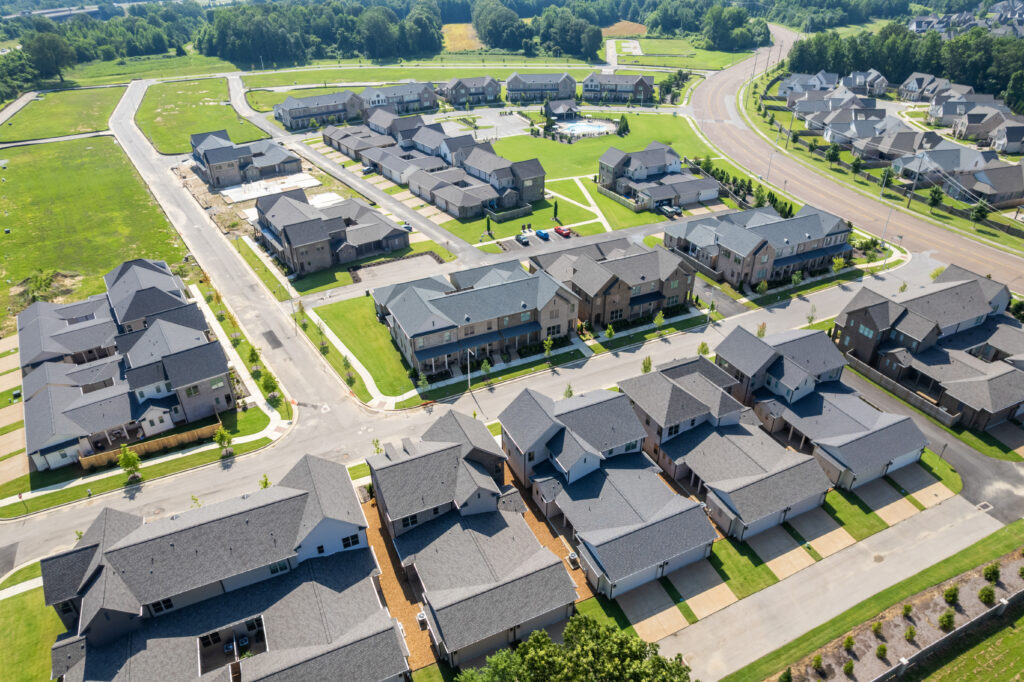
Before diving into specifics, it helps to understand the geography. All three suburbs sit east of Memphis proper, forming a corridor along the Poplar Avenue and Highway 72 axes. They share some characteristics—strong school systems, lower crime rates than urban Memphis, and that suburban blend of convenience and space—but the similarities end there.

Think of it this way: Bartlett is closest to Memphis and the most accessible. Germantown sits in the middle, both geographically and in terms of character. Collierville anchors the eastern end, with the most small-town feel despite significant growth over the past two decades.

Your commute, your budget, your family’s needs, and even your social preferences will all factor into which suburb makes sense for you.

Collierville at a Glance

The Town Square Lifestyle

Collierville’s identity revolves around its historic Town Square. Unlike many suburbs that grew up around strip malls and big box stores, Collierville developed outward from a genuine downtown core. The Square hosts local shops, restaurants, and regular community events that give the area a cohesive identity you won’t find in most suburban settings.

That small-town atmosphere isn’t just marketing—it’s something residents genuinely experience. Friday night football games matter here. Neighbors wave at each other. The Fourth of July parade draws crowds that actually know each other.

Schools in Collierville

Collierville operates its own municipal school district, separate from Shelby County Schools. This was a major draw when the district formed in 2014, and it remains one of the primary reasons families choose the area.

Collierville High School consistently ranks among the top public high schools in Tennessee. The elementary and middle schools maintain similarly strong reputations. For families prioritizing education, Collierville’s school system often tips the scales.

Collierville tends to command the highest prices among these three suburbs. Entry-level homes in established neighborhoods typically start in the upper $300,000s, with newer construction and larger lots pushing well into the $500,000s and beyond. Custom homes in premier neighborhoods like Schilling Farms or Wellington Woods can exceed $1 million.

The market here skews toward move-up buyers and families willing to invest in the school district and lifestyle. First-time buyers with tighter budgets may find limited inventory in their price range.

Buying in Collierville

If you’re house hunting in Collierville, prepare for competition in desirable neighborhoods. Homes priced correctly in good school zones tend to move quickly, especially during peak buying season from March through June.

Key considerations for buyers:

  • New construction is available in developing areas, but established neighborhoods closer to Town Square carry premium prices
  • HOA fees vary significantly—some communities have extensive amenities while others maintain minimal oversight
  • Commutes to downtown Memphis or the airport will be longer than from Bartlett or Germantown
  • Property taxes fund the municipal school system, so expect slightly higher rates than neighboring areas

Selling in Collierville

Sellers in Collierville benefit from consistent demand, particularly from families relocating to the Memphis area who prioritize schools. Corporate transferees often have Collierville on their short list, which helps maintain a steady buyer pool.

To maximize your sale:

  • Highlight school zone and district test scores in marketing materials
  • Emphasize proximity to Town Square if applicable
  • Stage outdoor spaces—Collierville buyers often value entertaining areas and curb appeal
  • Price strategically; overpricing can stall sales even in a strong market

Germantown at a Glance

Established Elegance

Germantown has been a desirable Memphis suburb for longer than either Collierville or Bartlett held that status. The city incorporated in 1841, and while it’s obviously evolved since then, that history translates to mature trees, established neighborhoods, and a certain settled quality you won’t find in newer developments.

The Germantown Parkway corridor provides shopping and dining options that rival anything in Memphis proper. But unlike generic suburban sprawl, Germantown’s older neighborhoods retain distinct character. Streets wind rather than grid. Lots vary in size. Architecture spans decades rather than conforming to one builder’s template.

Schools in Germantown

Like Collierville, Germantown operates a municipal school district. Germantown Municipal School District serves students from kindergarten through twelfth grade, with facilities that benefit from strong community funding and involvement.

Houston High School, Germantown High School, and the associated feeder schools maintain excellent academic reputations. Arts programs, athletics, and extracurricular offerings are robust. Families choosing between Collierville and Germantown schools often find both systems meet their standards, making the decision more about neighborhood fit than educational quality.

Germantown’s price range is the broadest of the three suburbs. You can find smaller homes in older sections starting in the mid-$300,000s, while estate properties in areas like Forest Hill or the older sections near Germantown Road can exceed $2 million.

This variety makes Germantown accessible to more buyer types than Collierville’s generally higher floor might allow. Empty nesters downsizing from larger homes, young professionals buying their first property, and families seeking room to grow all find options here.

Buying in Germantown

Germantown rewards patient buyers willing to wait for the right property in the right neighborhood. The city’s variety means you’ll need to clarify your priorities early—commute time, lot size, home age, and neighborhood character all vary significantly depending on where in Germantown you’re looking.

Key considerations for buyers:

  • Older homes may need updating; factor renovation costs into your budget
  • Flood zones affect some areas, particularly near Wolf River—always verify flood insurance requirements
  • Some established neighborhoods have restrictive covenants that limit modifications
  • Central Germantown offers walkability that most Memphis suburbs lack

Selling in Germantown

Germantown sellers have a broad potential buyer pool, but marketing needs to match the property. A mid-century ranch appeals to different buyers than a newer construction colonial, and your pricing and presentation should reflect that.

To maximize your sale:

  • Know your competition—pricing requires understanding which Germantown micro-market you’re in
  • Update where it counts; kitchens and bathrooms drive Germantown buyer decisions
  • Professional photography matters more here than in newer neighborhoods where homes look similar
  • Highlight mature landscaping and established trees as features, not just backdrop

Bartlett at a Glance

Accessible and Affordable

Bartlett often gets overlooked in conversations about Memphis’s best suburbs, which creates opportunity for buyers priced out of Collierville and Germantown. The city sits closer to Memphis proper, offers generally lower home prices, and provides much of what makes suburban living attractive without the premium.

That’s not to say Bartlett is a compromise. The city maintains its own identity, with a revitalized downtown area, excellent parks, and a community feel that residents genuinely appreciate. It’s just positioned differently in the market.

Schools in Bartlett

Bartlett City Schools separated from Shelby County Schools in 2014, joining Collierville and Germantown as a municipal district. The system includes multiple elementary schools, middle schools, and Bartlett High School.

Academic performance is solid, though standardized test scores and ranking metrics sometimes trail Collierville and Germantown. For many families, the differences are marginal enough that Bartlett’s lower home prices offset any perceived gap in school quality.

Here’s where Bartlett stands apart: entry points are meaningfully lower. Buyers can find solid three-bedroom homes in the low to mid-$200,000s—price points that barely exist in Collierville and are increasingly rare in Germantown.

Move-up homes in Bartlett’s nicer neighborhoods range from the mid-$300,000s to around $500,000, with relatively few listings above that threshold. This makes Bartlett particularly attractive for first-time buyers, investors, and anyone prioritizing value over prestige.

Buying in Bartlett

Bartlett buyers often get more house for the money, but due diligence matters. Some neighborhoods are stronger than others, and age varies widely across the city’s housing stock.

Key considerations for buyers:

  • Proximity to Memphis means easier commutes to downtown, the medical district, and the airport
  • Home ages span from 1960s construction to new builds—inspect carefully in older sections
  • Some areas are transitioning; research neighborhood trends before committing
  • Investment potential exists for buyers willing to renovate in up-and-coming pockets

Selling in Bartlett

Bartlett sellers compete on value. Buyers shopping here often compare your property against similar options in South Memphis suburbs or in older parts of Germantown, so pricing accurately is essential.

To maximize your sale:

  • Emphasize move-in readiness; Bartlett buyers often have tighter budgets and prefer not to renovate
  • Highlight commute advantages if your location offers easy highway access
  • Don’t overprice based on Collierville or Germantown comps—Bartlett has its own market
  • Showcase outdoor living spaces; Bartlett’s more affordable prices mean buyers expect yards and patios

Comparing the Three Suburbs Side by Side

Commute Times and Access

Bartlett wins for commuters heading into Memphis. Highway 64 (Stage Road) and access to I-40 put downtown within 20-25 minutes on a typical day. The airport is similarly accessible.

Germantown occupies the middle ground. Poplar Avenue traffic can slow things down, but most Memphis destinations are reachable within 30 minutes. The Germantown Parkway provides a north-south option that helps.

Collierville adds 10-15 minutes to most Memphis commutes compared to Germantown. If you work east of Memphis—in Collierville itself or in the growing commercial areas nearby—that’s irrelevant. If you commute to the medical district or downtown daily, factor the extra time and fuel costs.

Property Tax Considerations

All three suburbs levy their own municipal taxes on top of Shelby County property taxes. The combined rates are similar enough that tax burden alone shouldn’t drive your decision, but it’s worth comparing specific properties since assessed values and rates shift over time.

Municipal school districts in all three cities mean property taxes directly fund local schools—a feature many residents appreciate compared to the broader Shelby County system.

Lifestyle and Community Feel

Collierville offers the most cohesive small-town experience, centered on Town Square events and a tight-knit community identity. It works well for families who want neighbors they know and community activities they participate in together.

Germantown provides options. You can be as connected or as private as you prefer, depending on your neighborhood and involvement level. The city has history and character without demanding participation.

Bartlett skews practical. It’s a good place to live, work, and raise a family without the lifestyle branding that comes with Collierville’s Town Square or Germantown’s established reputation. Some people prefer that lower-key approach.

Schools Comparison

All three municipal districts outperform Shelby County Schools on most metrics. If you’re comparing only among these three:

Collierville typically leads in state rankings and standardized test performance. Germantown follows closely, often within statistical noise depending on the year and measure. Bartlett performs well but usually trails both on competitive metrics.

For most families, all three districts provide quality public education. Private and parochial options exist throughout the area for families preferring alternatives.

Making Your Decision

Choose Collierville If…

  • Top-rated schools are your primary driver
  • You want a walkable downtown with community events
  • Your budget allows for higher price points
  • You don’t mind a longer commute to Memphis
  • Small-town community involvement appeals to you

Choose Germantown If…

  • You want variety in home styles and price points
  • Mature neighborhoods and established trees matter
  • You value being central to shopping and dining
  • Moderate commute times work for your schedule
  • You prefer choosing your involvement level

Choose Bartlett If…

  • Value and affordability are top priorities
  • You commute into Memphis regularly
  • You want a municipal school district without premium pricing
  • First-time homeownership is your goal
  • You prefer practical over prestigious

Working With a Local Expert

These suburbs look similar from a distance, but the details matter when you’re spending hundreds of thousands of dollars on a home. School zones within districts vary. Flood risks affect specific streets. Neighborhood trajectories differ even within the same city.

A real estate agent who knows the Memphis suburban market can help you navigate these specifics whether you’re buying or selling. They’ll know which Germantown streets flood after heavy rains, which Collierville subdivisions have active HOAs, and which Bartlett neighborhoods are trending upward.

If you’re ready to explore homes in Collierville, Germantown, or Bartlett—or if you’re preparing to sell in any of these areas—connecting with someone who understands the local nuances makes the process smoother and helps you avoid expensive surprises.

Next Steps for Buyers and Sellers

The best suburb for you depends on what you’re optimizing for. There’s no universally correct answer, just the right fit for your family, your commute, your budget, and your lifestyle preferences.

Start by clarifying your non-negotiables. Then explore each area in person—drive the neighborhoods at different times of day, visit the town centers, and picture your daily life in each setting.

When you’re ready to get specific about properties, reach out to the Reid Realtors team. Whether you’re buying your first home in Bartlett, selling an estate in Germantown, or relocating to Collierville for the schools, local expertise helps you make confident decisions in any of Memphis’s eastern suburbs.


No Comments

Real Estate Negotiation Strategies for a Balanced Market in 2026

After years of wild swings — bidding wars one season, price cuts the next — the Memphis real estate market is settling into something that feels a lot more reasonable. And that shift changes the playbook for everyone involved.

Whether you’re buying your first home in Bartlett or selling a long-time family house in Germantown, a balanced market means neither side holds all the cards. That’s actually good news, but only if you know how to negotiate within it. The tactics that worked during the pandemic frenzy or the slowdowns that followed won’t cut it anymore.

Here’s what actually works right now — for buyers and sellers — along with strategies you can put to use in your next Memphis-area transaction.

What a Balanced Market Means for Negotiations

A balanced market happens when the supply of homes roughly matches buyer demand. You’ll hear agents refer to this as a “neutral” market, and it typically shows up as four to six months of housing inventory.

In practical terms, it means sellers can still get strong offers, but they can’t ignore reasonable buyer requests. And buyers have room to negotiate, but they can’t lowball and expect results either.

For the Memphis area in 2026, this balance creates opportunities on both sides — if you approach the negotiation table with the right strategy. Homes in desirable neighborhoods like Collierville and East Memphis still move quickly when priced well, while properties that sit tend to attract more aggressive buyer offers.

The key principle hasn’t changed: fair market value is simply the price a qualified buyer is willing to pay and a willing seller is willing to accept, after the home has been properly exposed to the market. What has changed is how you get to that number.

Negotiation Fundamentals That Always Apply

Before diving into buyer- or seller-specific tactics, there are principles that hold true in any market. These basics should guide every conversation from your first offer to closing day.

You Never Know Until You Ask

This might be the single most important rule in real estate negotiation. Never assume you know how the other side will respond. People surprise you constantly — sellers who seem firm on price suddenly accept a lower offer with the right terms, and buyers who appear stretched find room in their budget when they really want a home.

If you’re a buyer and you’re on the fence about making an offer, make it. What’s the worst that happens? They say no, and you move on. If you’re a seller who receives an offer that seems too low, counter it instead of rejecting it outright. Even offers that feel insulting can sometimes be negotiated to a number that works.

Keep the Conversation Alive

One of the biggest mistakes in real estate negotiation is letting the dialogue die. Always counter an unacceptable offer instead of rejecting it. Even if your counter-offer reflects the same position you held before, the act of responding keeps the door open.

Not responding creates a void, and that void kills deals. A counter-offer — even a firm one — signals that you’re still engaged and willing to talk.

Make Concessions Count

When you do give ground, give it grudgingly. This isn’t about being difficult for the sake of it. Concessions that come easily tell the other party there’s more room to push. Each small step should feel deliberate and meaningful.

If possible, tie every concession to something in return. Agreeing to cover a portion of closing costs? Ask for a cleaner contingency timeline. Dropping your offer price as a buyer? Request that the seller handle a specific repair. These exchanges keep the negotiation balanced and prevent one side from feeling like they’ve given everything away.

Control Your Emotions

Patience and calm are your best negotiating tools. Treat the transaction like a business deal, not a personal one. Desperation leads to terrible terms, and anger kills deals that could have worked out.

That doesn’t mean you shouldn’t care — of course you care, it’s a home. But the moment you let frustration or fear take over, you start making choices that don’t serve your interests. If this deal doesn’t work out, another one will come along. New listings hit the Memphis market virtually every day.

Negotiation Strategies for Buyers

In a balanced market, buyers have more leverage than they did during the height of the seller’s market, but less than they’d have in a full buyer’s market. The goal is to use that moderate leverage wisely.

Get Your Financing Locked Down First

Before you negotiate anything, get mortgage pre-approval — not just pre-qualification. Pre-approval involves an actual review of your financial documents and signals to sellers that you’re a serious, qualified buyer. In a balanced market where sellers may be weighing two or three offers, coming in with strong financing can tip the decision in your favor.

This is especially true in competitive Memphis neighborhoods. A pre-approved buyer offering slightly less than an unverified buyer offering more will often win out because the seller has more confidence the deal will actually close.

Look Beyond Just the Purchase Price

Some of the most strategic moves buyers make have nothing to do with shaving a few thousand off the listing price. It’s about structuring the right terms. In the Memphis market right now, almost every part of a transaction is up for discussion.

Seller concessions are one of the most common negotiation tools. The seller agrees to cover some or all of your closing costs, which typically run between one and two percent of the purchase price. These credits can go toward attorney costs, title insurance, and other fees. This is particularly helpful if you have enough for the down payment but are tight on cash to close.

Rate buydowns can save you serious money over time. Instead of using a seller credit toward closing costs, you can apply those funds to lower your mortgage interest rate. Depending on the numbers, this can save thousands in interest over the first few years of homeownership.

Personal property is another angle worth exploring. If the seller’s patio furniture, appliances, or window treatments caught your eye during the showing, ask for them. Sellers often throw in personal items to sweeten the deal or lighten their moving load.

Don’t Overlook Older Listings

Most buyers focus on the newest listings and skip right past homes that have been sitting for a while. That’s a missed opportunity. Properties with longer days on market often represent your strongest negotiating position as a buyer.

The market passes over good homes for all kinds of reasons — the most common being initial overpricing. But further down the road, these can be excellent purchases. Competitive bidding becomes unlikely, and the seller is often more open to significant concessions on price, repairs, or closing costs.

Build Your Case with Data

Making a strong case for your offer with comparable sales data improves the odds of acceptance, especially when you’re offering below asking price. Pull recent comps from the neighborhood, reference current market conditions, and show why your number is reasonable.

This applies during due diligence renegotiations too. If the inspection reveals issues, explaining why your request for a credit or price reduction is fair — backed by actual numbers — carries more weight than simply demanding a discount.

Make a Good Impression

Sellers and listing agents are human. Coming across as straightforward, serious, well-informed, and financially qualified can make a real difference in how your offer is received. In situations where multiple offers are close in price, sellers often lean toward the buyer and agent they like and trust most.

Introduce yourself at open houses. Make sure your agent communicates professionally with the listing agent. Submit a clean, well-organized offer package. These details matter more than many buyers realize.

Use Back-Up Position to Your Advantage

If you lose out in a multiple-offer situation, ask to be placed in back-up position. A fair percentage of deals fall through, and you’d move into first position automatically. You typically have the right to cancel your back-up offer at any time before being elevated, so you can keep shopping in the meantime. It’s a no-lose position for a patient buyer.

Negotiation Strategies for Sellers

Sellers in a balanced market still have leverage, but the days of fielding five offers above asking price are largely behind us. The goal now is to maximize your sale price and terms through smart preparation and calculated responses.

Price It Right from the Start

The vast majority of buyers and their agents won’t even make offers on overpriced listings. Unless they see the asking price as no more than about five percent over what they consider market value, most will simply walk away. And since a listing gets the most attention in its first few weeks on market, pricing it right from day one almost always results in a higher final sales price than overpricing and chasing the market down later.

In the Memphis market, work with your agent to run a thorough comparative market analysis. Look at what’s sold recently in your specific neighborhood — not just the broader zip code — and price accordingly. A home that’s priced just right often generates competing offers, which is exactly where you want to be as a seller.

Never Discourage an Offer

This bears repeating because it happens more often than it should: never discourage a buyer from making an offer. Real estate negotiation can’t truly begin until a written offer is on the table. Even lowball offers serve a purpose — they can sometimes be negotiated up to acceptable terms, and they can be leveraged to push other interested buyers to act.

Rejecting an offer outright, or discouraging someone from writing one in the first place, shuts down a conversation that might have led somewhere productive.

Counter Instead of Rejecting

When an offer comes in lower than you’d like, counter it. Don’t take it personally — treat it as the opening of a conversation. Buyers making low offers are often willing to pay more, sometimes significantly more, but an outright rejection typically ends the negotiation before it begins.

Your counter-offer should be strategic. If the buyer was fifteen percent below asking, they’re probably not going to come all the way up to full price. Consider where you’re willing to land and work backward from there, making each successive concession smaller than the last. This signals that you’re approaching your limit without giving away your bottom line.

Prepare for Inspections Proactively

One of the biggest deal-breakers in any real estate transaction is the inspection contingency. Buyers can use inspection findings to renegotiate — sometimes aggressively. One smart way to get ahead of this is to do a pre-listing inspection, especially with older homes common in areas like Midtown Memphis and East Memphis.

When you know about issues before listing, you can either fix them upfront or price them into your asking price. Either way, you avoid the surprise renegotiation that catches so many sellers off guard. A pre-inspected home also signals transparency, which builds buyer confidence and often leads to cleaner offers.

If you’d rather not deal with repairs yourself, consider offering a credit at closing. This lets the buyer handle the work on their own terms while keeping the negotiation simpler for everyone.

Keep Your Upgrades List Ready

Buyers often point out things they don’t like about a property as a way to negotiate a lower price — the paint color, outdated fixtures, or cosmetic issues. Having a detailed list of every upgrade and improvement you’ve made gives you ammunition to counter.

New roof? Updated HVAC? Recently refinished hardwoods? These improvements have real value, and presenting them proactively helps justify your asking price when buyers try to negotiate based on surface-level concerns.

Use Deadlines Strategically

Putting a time limit on your counter-offer creates urgency and keeps the negotiation moving forward. A response deadline of 48 to 72 hours nudges buyers to make decisions instead of sitting on the fence.

Just be realistic with your timeframes. You don’t want to rush a serious buyer or come across as inflexible. The goal is to maintain momentum, not to pressure someone into a bad decision that falls apart later.

Understand What Motivates Your Buyer

Not every buyer is driven by the same thing. Some are emotionally attached to your home and willing to stretch their budget. Others are on tight timelines due to job relocations or lease expirations. Some are first-time buyers watching every dollar.

The more you and your agent can learn about the buyer’s situation, the better you can structure your response. A buyer relocating for work might value a flexible closing date more than a price reduction. A cash-strapped first-timer might need closing cost help but could offer a higher purchase price. Understanding these motivations lets you craft counter-offers that work for both sides.

Terms Worth Negotiating Beyond Price

Price gets all the attention, but some of the most valuable negotiation happens around the terms and conditions of the deal. Here are areas that both buyers and sellers should consider.

Closing Cost Credits

Seller concessions toward closing costs are one of the most common negotiating tools in the Memphis market. For buyers, this can mean thousands of dollars you don’t have to bring to the closing table. For sellers, offering a closing cost credit instead of a price reduction can sometimes preserve a higher sale price on paper — which matters for neighborhood comps and appraisals.

Repair Credits vs. Actual Repairs

When inspection issues come up, both sides benefit from negotiating a credit rather than requiring the seller to complete repairs. A credit gives the buyer control over the quality and timeline of the work, and it saves the seller from coordinating contractors under a tight deadline. Outline the specifics clearly in writing — the amount, what it covers, and how it’s applied at closing.

Contingency Timelines

The inspection contingency, appraisal contingency, and financing contingency all have timelines that can be adjusted. Shortening these timelines can make a buyer’s offer more attractive to a seller. Extending them gives the buyer more breathing room. In a balanced market, these timelines become genuine negotiating chips rather than standard boilerplate.

Closing Date Flexibility

A flexible closing date costs nothing but can mean everything to the other party. Sellers who need extra time to move might appreciate a rent-back agreement, where they stay in the home for a set period after closing. Buyers who need to align with a lease expiration or job start date might need a specific close date. Accommodating the other side’s timeline is one of the easiest ways to strengthen your position without spending a dollar.

Escalation Clauses for Competitive Situations

If you’re a buyer in a multiple-offer scenario, an escalation clause lets your offer automatically increase in response to competing bids, up to a cap you set. For example, you might offer $350,000 with an escalation of $3,000 above competing offers, up to a maximum of $375,000. This keeps you competitive without forcing you to guess the right number or max out your budget from the start.

When to Walk Away

Sometimes the smartest negotiation move is knowing when to stop. For buyers, there comes a point where even the most appealing home no longer makes financial sense. Don’t get swept up in auction mentality or stretch into monthly payments you can’t sustain.

For sellers, if a buyer doesn’t have solid financing, keeps adding contingencies, or drags out the process, it might be smarter to move on and wait for a stronger offer. Walking away isn’t failure — it’s protecting your position.

The Memphis market has plenty of activity on both sides. Walking away from one deal doesn’t mean starting from scratch. It means you’re available for the right one.

Work with an Agent Who Negotiates Well

All of these strategies share one thing in common: they work best when you have an experienced agent in your corner. A skilled negotiator knows when to push, when to hold, and when to get creative with terms. They can read the other side, manage timelines, and keep the deal together when things get complicated.

At Reid Realtors, our team has deep experience negotiating real estate transactions across the Memphis area — from Collierville and Germantown to Bartlett, Arlington, and beyond. Whether you’re buying or selling, we’ll make sure you’re positioned to get the best possible outcome in today’s market.

Ready to talk strategy? Contact our team to start the conversation.


No Comments

The Lock-In Effect Is Finally Breaking in 2026

Something strange happened to the housing market starting in 2022. It froze. Not the prices—those stayed stubbornly high. The movement froze. Homeowners who would normally sell every seven to ten years just… stopped. They stayed in homes that didn’t fit their families anymore. They turned down job relocations. They squeezed new babies into two-bedroom houses and watched their kids share bedrooms well past the age when anyone wanted to.

The reason was simple math. During the pandemic, mortgage rates dropped to historic lows. Millions of homeowners locked in rates below 4%—some below 3%. Then rates climbed to 7% and 8%, and suddenly selling meant trading a $1,400 monthly payment for a $2,600 one. For the same house. In the same neighborhood. The math didn’t work, so people stayed put.

Economists gave this phenomenon a name: the lock-in effect. And for four years, it’s been the defining force in residential real estate. But something shifted in late 2025, and the data from early 2026 confirms it: the lock-in effect is finally breaking. Homeowners are moving again—not because rates dropped, but because life doesn’t wait for interest rates to cooperate.

What the Lock-In Effect Actually Did to the Market

To understand why the current shift matters, you need to understand just how dramatically the lock-in effect distorted normal market dynamics.

In a typical year, about 5% of homeowners sell their homes. People get new jobs in different cities. Families grow and need more space. Empty nesters downsize. Retirees move closer to grandchildren or warmer climates. Divorces happen. Deaths happen. Life creates a steady churn of homes entering the market.

Starting in 2022, that churn dropped by roughly half. The Mortgage Bankers Association estimates that the lock-in effect kept between 1.3 and 1.5 million homes off the market annually—homes that would have been listed under normal circumstances. That’s not a small number. It’s roughly equal to an entire year’s worth of new home construction vanishing from available inventory.

The Inventory Crisis

The immediate result was an inventory crisis. At the worst points of 2023 and early 2024, many markets had less than one month of housing supply. A balanced market typically has four to six months. Buyers were competing for scraps—and paying premium prices for them.

This created a frustrating paradox. Higher mortgage rates are supposed to cool housing markets. That’s the textbook response. But when nobody’s selling, higher rates just make the few available homes more competitive. Prices in many markets continued climbing through 2023 and 2024 despite rates that would have caused a slowdown in any normal environment.

The Human Cost

Beyond the market statistics, real people made real sacrifices. First-time buyers watched homeownership slip further out of reach as they lost bidding war after bidding war. Growing families stayed cramped. Aging homeowners who wanted single-story living for health reasons couldn’t find options. People who needed to relocate for career opportunities turned down promotions rather than sell their homes.

The lock-in effect wasn’t just a market phenomenon. It was millions of individual lives put on hold, waiting for an interest rate environment that might never return.

Why the Lock-In Effect Is Breaking Now

Here’s the uncomfortable truth that finally caught up with homeowners in 2025 and 2026: you can’t press pause on life indefinitely.

The National Association of Realtors has been tracking the shift closely, and their analysis points to what they call “trigger events”—the life circumstances that force a move regardless of what mortgage rates are doing. After four years of waiting, these events have accumulated past the breaking point for millions of households.

Life Events Don’t Wait

Consider the timeline. A couple who had their first child in 2021 now has a four-year-old and maybe a second child. That starter home they bought was perfect for two adults and a baby. It’s not perfect for a family of four with a kid starting kindergarten. They’ve been making it work, but “making it work” has an expiration date.

Or consider the empty nesters. Their kids left for college in 2020 or 2021. They told themselves they’d downsize when rates came back down. Four years later, they’re still heating and cooling 3,000 square feet, still maintaining a big yard, still climbing stairs they’d rather avoid. At some point, the carrying cost of waiting exceeds the cost of the rate difference.

Divorces that were delayed have become inevitable. Job relocations that were postponed can’t be postponed again. Parents who needed to move closer to aging relatives four years ago now face urgent care situations. The pressure has been building, and 2026 is when the dam breaks.

The Psychology Shifted

There’s also been a collective psychological shift that economists describe as moving from “denial” to “acceptance.” For the first year or two of high rates, most homeowners believed the situation was temporary. Rates would come back down. The Fed would pivot. Things would return to normal by next year.

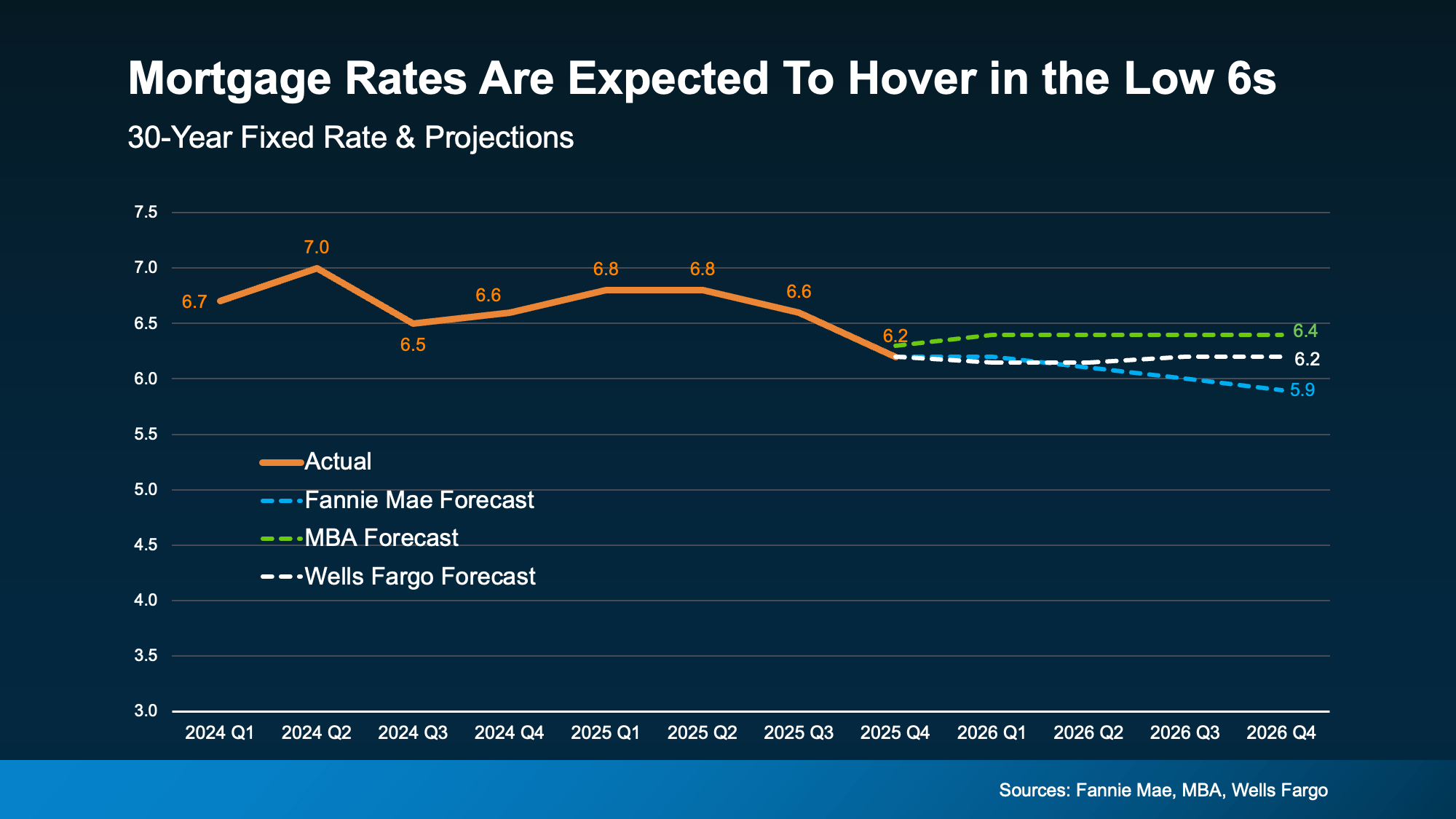
That belief sustained the lock-in effect. But after four years of “next year,” people have adjusted their expectations. Current Fannie Mae projections show rates hovering around 6% through 2026 and into 2027. The 3% rate era isn’t coming back—at least not in any timeline that matters for current life decisions.

Once homeowners accepted that reality, the calculus changed. Waiting stopped being a strategy and started being a sacrifice. And people are deciding the sacrifice isn’t worth it anymore.

What the Numbers Show

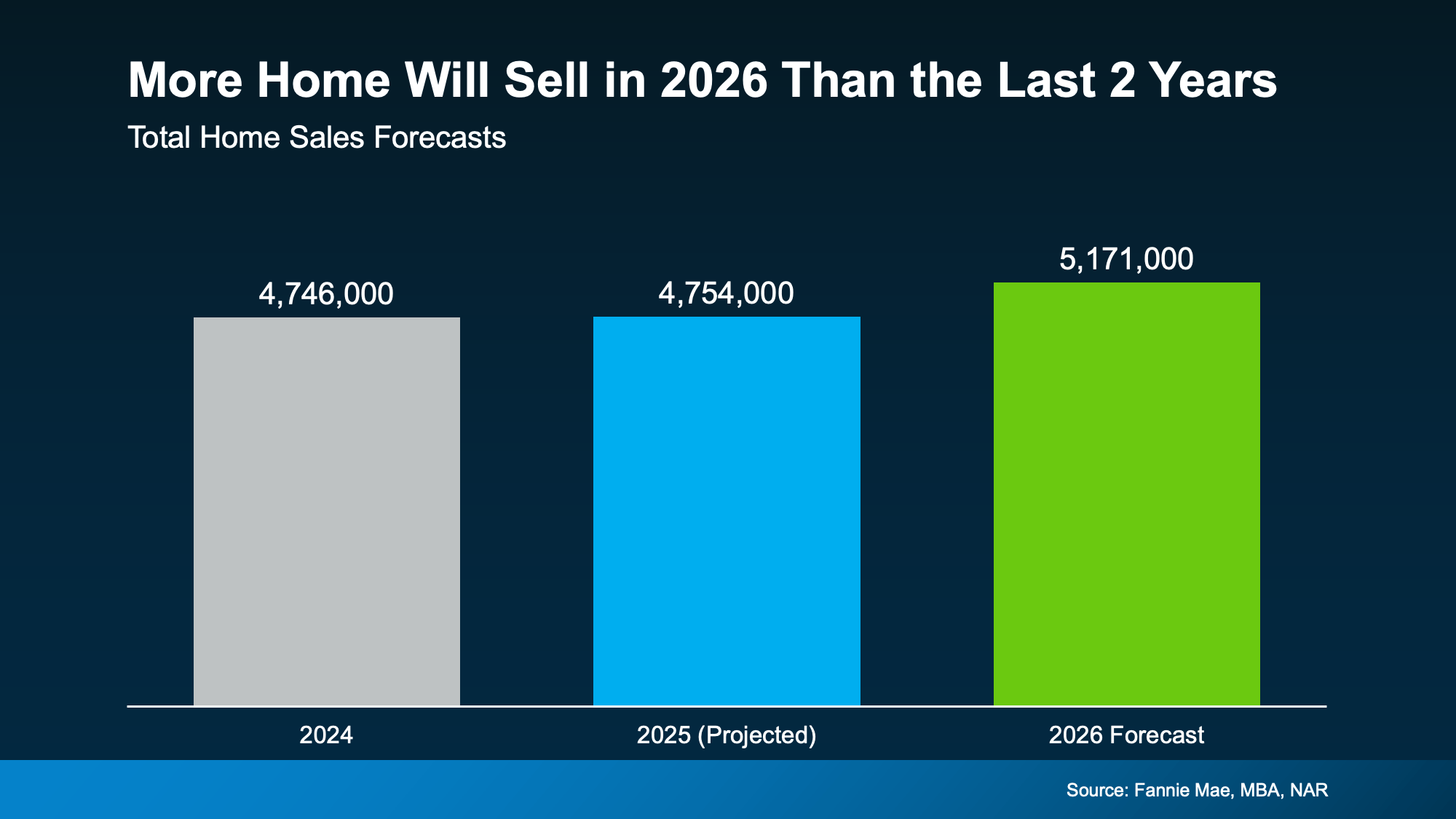
The shift from psychology to reality shows up clearly in the data. NAR is projecting a 14% increase in existing home sales for 2026—the first significant uptick since the rate surge began. That’s not a boom, but it’s a meaningful return toward normal transaction volumes.

More importantly, inventory levels are finally climbing. Year-over-year comparisons show roughly 20% more homes on the market now than at this time in 2025. Some markets are seeing even larger increases. The “nothing available” environment is transitioning to something resembling choice.

Regional Variations

The lock-in effect didn’t hit every market equally, and it’s not releasing equally either. Markets in the South and Southwest—where population growth has been strongest—are seeing faster inventory recovery as builders have been able to add supply. Older markets in the Northeast and Midwest, where housing stock is predominantly existing homes, are recovering more slowly.

Markets that saw the most dramatic pandemic-era price increases are also seeing faster inventory growth. Homeowners in those areas have the most equity, which makes the transition to a higher rate less financially painful. If your home appreciated $150,000 since 2020, you have more flexibility than someone whose home value stayed flat.

What “Normal” Looks Like

It’s worth noting that we’re not returning to the pre-pandemic market. That ship has sailed. We’re moving toward a new equilibrium that incorporates higher rates as a permanent feature rather than a temporary disruption.

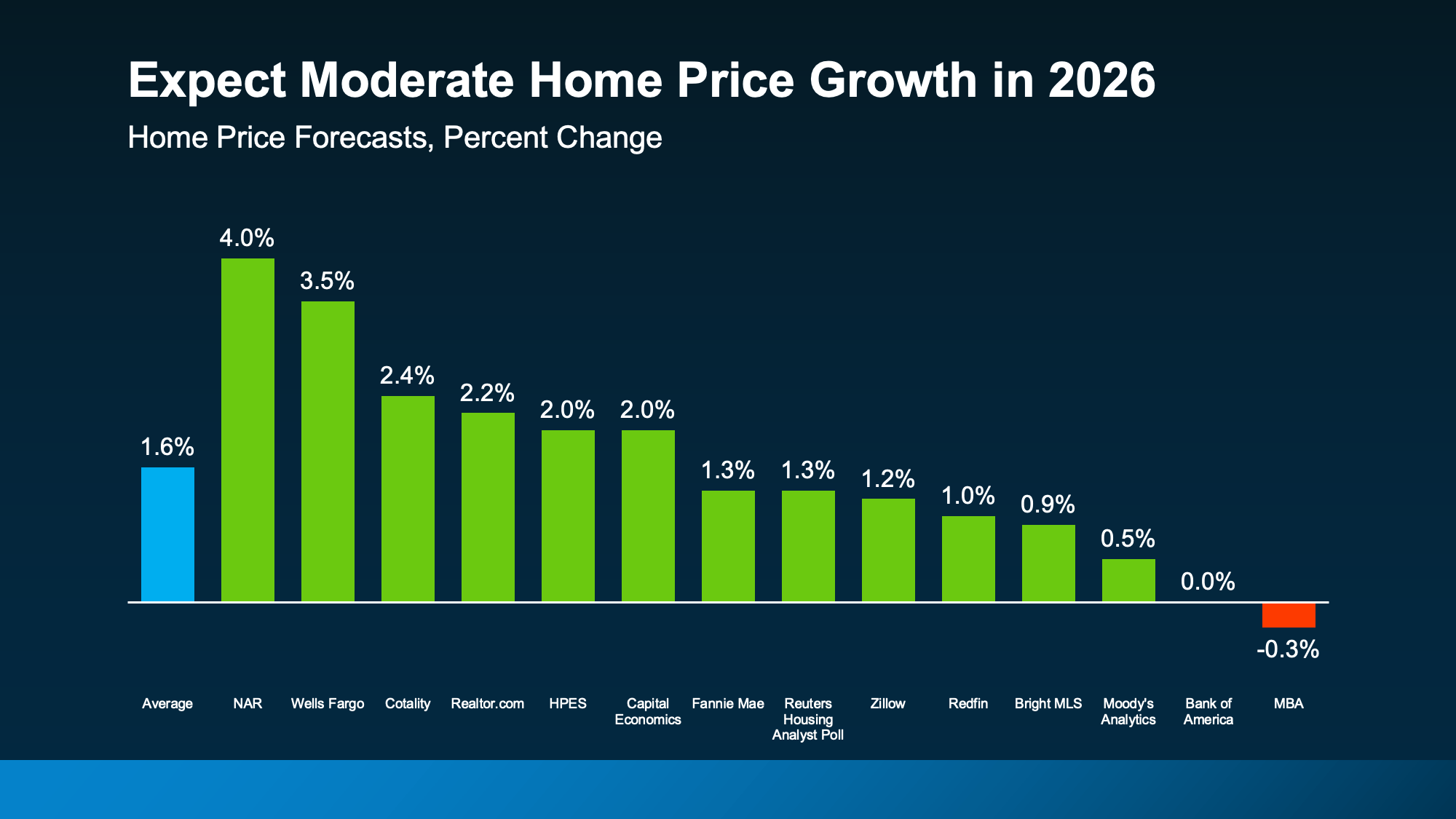
In this new normal, transaction volumes will likely settle somewhere between the frozen market of 2023 and the frenzied market of 2021. Prices will continue to appreciate, but at low single-digit percentages rather than the double-digit gains of the pandemic years. Inventory will stabilize at levels that allow for actual buyer choice without creating a glut.

What This Means If You’re Looking to Buy

If you’ve been trying to buy a home for the past few years—or if you gave up trying—2026 represents a genuine shift in your favor. Not a dramatic one, but a real one.

You Actually Have Options Now

The most immediate change is simple: there are more homes to look at. The difference between touring three houses and touring ten houses is significant. It’s the difference between settling for whatever’s available and actually finding something that fits your needs.

More inventory also means more time. In the tightest markets of 2023, homes were going under contract within hours of listing. You had to make decisions without thinking, waive inspections to compete, offer above asking price sight unseen. That environment was hostile to thoughtful decision-making.

With 20% more inventory, you can actually tour a home, sleep on it, maybe even tour it again before making an offer. You can compare properties meaningfully rather than just grabbing whatever you can get.

Negotiating Power Is Returning

When five buyers compete for every home, sellers hold all the cards. They can demand above-asking prices, refuse to make repairs, reject any offer with contingencies. Buyers had to play by whatever rules sellers set.

That dynamic is shifting. With more homes on the market, buyers can walk away from unreasonable demands. Contingencies—for inspections, for appraisals, for financing—are becoming acceptable again. Sellers are more willing to negotiate on price or offer credits for repairs. The power balance is moving toward equilibrium.

This doesn’t mean you can lowball sellers or make unreasonable demands. But it does mean you can protect yourself. You can insist on a home inspection. You can ask for repairs on legitimate issues. You can make your offer contingent on selling your current home if that’s your situation.

Price Growth Has Slowed

Home prices aren’t falling in most markets—inventory would need to increase much more dramatically for that to happen. But the rate of appreciation has slowed significantly. Instead of homes gaining 15% to 20% in value annually, we’re seeing low single-digit appreciation in most areas.

For buyers, this removes the panic of feeling like you’re chasing a moving target. If you don’t buy this month, you’re not going to be priced out by next month. You can take the time to find the right property without fear that waiting will cost you tens of thousands of dollars.

The Rate Reality

Here’s where buyers need to recalibrate expectations: rates are not going back to 3%. Or 4%. Fannie Mae’s current projection has rates settling around 6% through 2026 and into 2027. That’s the environment you’re buying into.

Let’s make that concrete. On a $350,000 home with 10% down, a 6% mortgage rate gives you a principal and interest payment of about $1,890 per month. Add taxes and insurance, and you’re probably looking at $2,300 to $2,500 total depending on your location.

At a 3% rate, that same home would have been around $1,330 for principal and interest—roughly $600 less per month. That’s real money. But here’s the thing: you can’t buy a home at a 3% rate. That option doesn’t exist. The choice isn’t between 3% and 6%. The choice is between buying at 6% and not buying.

For many buyers, especially those currently renting, the math still works. Rents have increased substantially since 2021, and they’re not coming back down either. Building equity, getting tax benefits, and having housing cost stability can make buying sensible even at current rates—depending on your specific situation.

What This Means If You’re Thinking About Selling

If you’ve been holding off on selling because you didn’t want to give up your low rate, you’re not alone. But if you’re now feeling the pull of those life events we discussed earlier, here’s what you need to know about selling in 2026.

Competition Is Increasing

The same inventory increase that helps buyers changes the game for sellers. You’re no longer the only option on the block. Buyers who might have had no choice but to bid on your home in 2023 now have four or five other properties to consider.

This means your pricing strategy matters more than it has in years. The “let’s list high and see what happens” approach that sometimes worked in 2021 is a recipe for sitting on the market in 2026. Buyers can compare your home to similar options. If your price doesn’t align with what else is available, they’ll simply move on to the next showing.

Working with an agent who understands current market conditions—not conditions from two years ago—is essential. Pricing right from day one prevents the slow death of accumulated days on market and eventual price reductions that signal desperation to buyers.

Presentation Matters Again

When inventory is scarce, buyers overlook a lot. Dated kitchens, worn carpets, overgrown landscaping—none of it mattered much when the alternative was not buying at all. Sellers could list homes in “as-is” condition and still get multiple offers.

That forgiveness is disappearing. Buyers with options are pickier. They’re comparing your home’s kitchen to the updated kitchen down the street. They’re noticing the deferred maintenance you’ve been putting off. They’re making mental notes about how much work your home needs versus the move-in-ready listing they saw yesterday.

This doesn’t mean you need a full renovation before listing. But addressing obvious issues, decluttering, and presenting your home in its best light isn’t optional anymore. Professional photography, strategic staging, and curb appeal investments pay off in a competitive inventory environment.

Your Equity Is Your Leverage

Here’s the good news: if you bought or refinanced during the low-rate years, you’ve likely built substantial equity. Home values increased dramatically between 2020 and 2023, and while appreciation has slowed, prices haven’t fallen. Most homeowners are sitting on significant paper gains.

That equity is your tool for managing the rate transition. Yes, you’ll have a higher rate on your next home. But if you’re putting down 30% or 40% instead of 10%, your monthly payment might not be as shocking as you feared. If you’re downsizing or moving to a less expensive area, you might even come out ahead.

The key is running the actual numbers for your specific situation rather than assuming the worst. Many homeowners discover that their equity position makes the transition more manageable than they expected.

A Framework for Your Decision

Whether you’re thinking about buying, selling, or both, here’s a practical framework for deciding if 2026 is your year to move.

Consider Buying If

Your timeline supports it. Plan to stay in your next home for at least five to seven years. Shorter timelines make the transaction costs—closing costs, moving expenses, the friction of buying and selling—harder to justify. The longer you stay, the more those costs amortize over time.

Your finances are stable. You have steady income, a solid down payment (ideally 10% to 20%), and an emergency fund that will survive the purchase intact. Stretching to buy at the absolute edge of your budget is risky in any market, but especially one where rates could still fluctuate.

You’ve found the right home. Not a compromise home. Not a “good enough for now” home. A home that actually fits your life for the foreseeable future. With more inventory available, settling shouldn’t be necessary.

Consider Selling If

Your current home no longer fits. The kids need separate bedrooms. The stairs are becoming difficult. The commute is unsustainable. The neighborhood has changed. Whatever the reason, you’re staying in a home that doesn’t serve your life anymore.

You have significant equity. Enough that the down payment on your next home meaningfully reduces your mortgage amount and monthly payment. Selling without equity to roll into the next purchase makes the rate jump more painful.

You’re prepared to buy in the same market. Unless you’re relocating to a dramatically cheaper area or downsizing substantially, you’ll be buying at current rates too. Make sure you’ve made peace with that reality before listing.

Consider Waiting If

Your job situation is uncertain. Layoffs, industry instability, or a potential career change all argue for staying put until things clarify. Taking on a new mortgage when income isn’t guaranteed creates unnecessary risk.

You’re waiting for 4% rates. If that’s your plan, you may be waiting a very long time. Most forecasts show rates stabilizing around 6%, and even optimistic scenarios don’t see a return to pandemic-era lows. Basing life decisions on rate predictions that may never materialize is a gamble.

Your current situation is actually fine. Not every homeowner needs to move. If your home fits your life, your payment is comfortable, and you’re in no hurry to change anything, there’s no urgency. The breaking of the lock-in effect creates opportunity, but it doesn’t create obligation.

The Market Is Normalizing, Not Crashing

One final point worth emphasizing: what we’re seeing in 2026 is normalization, not collapse. Headlines about “more inventory” and “price growth slowing” can sound alarming if you’re not paying close attention. But context matters.

Inventory is increasing from historically low levels. We’re moving from “virtually nothing available” to “approaching normal levels.” That’s healthy. It’s what markets are supposed to look like. It’s not a crash signal.

Price growth is slowing from unsustainable levels. Homes gaining 3% to 5% annually is normal. Homes gaining 20% annually was an anomaly that couldn’t continue. The slowdown isn’t bad news—it’s a return to sustainable appreciation.

Transaction volumes are recovering from artificially suppressed levels. More home sales means more people able to make life changes they’ve been postponing. It means a healthier market with more movement and opportunity.

For buyers, this normalization creates the best environment since 2021. For sellers, it requires recalibrating expectations but doesn’t eliminate opportunity. And for everyone still waiting, it’s worth asking: waiting for what? The conditions that created the lock-in effect aren’t coming back. The question is whether your life can keep waiting for market conditions that may never arrive.

Ready to Explore Your Options?

Every situation is different. The right move depends on your specific circumstances—your equity position, your timeline, your financial situation, and what you actually need from your next home. Generic advice can only take you so far.

If you’re ready to have a real conversation about what this market shift means for you specifically, reach out to us. We can walk through your numbers, discuss your options, and help you figure out whether 2026 is your year to make a move—or whether waiting still makes sense for your situation.

The lock-in effect kept millions of people stuck for four years. Now that it’s breaking, the question is simple: are you ready to get unstuck?

No Comments

Tax Benefits of Owning a Home in Memphis

Tax season is here, and if you own a home in Memphis, you could be sitting on thousands of dollars in savings without even realizing it. Whether you bought your first place last year or you’ve been a homeowner for decades, the tax code offers some serious perks that can lower what you owe — or bump up your refund.

The rules shifted in 2025 thanks to new federal legislation, and some of those changes are a big deal for Memphis homeowners. We’re breaking down every deduction and credit worth knowing about so you can walk into tax season prepared.

And if you’re still renting and wondering whether buying makes financial sense, this might just tip the scales. Let’s get into it.

Itemizing vs. the Standard Deduction

Before we talk about specific tax breaks, there’s one decision that determines whether most of them even matter: itemizing your deductions versus taking the standard deduction.

For the 2025 tax year (the return you’re filing now in early 2026), the standard deduction is $15,750 for single filers and $31,500 for married couples filing jointly. If your total itemized deductions — mortgage interest, property taxes, charitable donations, and so on — add up to more than those numbers, itemizing saves you money.

If they don’t, you take the standard deduction and move on. Most homeowners should at least run the numbers both ways, and any decent tax software will do this automatically. The key deductions below are all itemized, unless we note otherwise.

The Mortgage Interest Deduction

This is the big one. If you have a mortgage on your Memphis home, you can deduct the interest you pay on up to $750,000 of mortgage debt ($375,000 if you’re married filing separately). For homeowners who purchased before December 15, 2017, the cap is $1,000,000.

Here’s why this matters so much, especially in the early years of your loan: when you first start making mortgage payments, the vast majority of each payment goes toward interest rather than principal. That means your deduction is at its highest right when you need it most — when you’ve just taken on a major financial commitment.

Your lender will send you a Form 1098 in January or early February showing exactly how much mortgage interest you paid in 2025. Hold onto that form. It’s your ticket to this deduction.

If you’re a first-time buyer who purchased in 2025, congrats — you’re likely looking at one of the largest deductions available to individual taxpayers. If you’re still thinking about buying, check out our first-time homebuyer guide for Memphis to get started on the right foot.

Mortgage Points Can Save You Twice

When you bought your home, you may have paid “discount points” to lower your interest rate. Each point typically costs 1% of your loan amount and reduces your rate by about 0.25%.

The IRS treats mortgage points as prepaid interest, which means you can deduct them on your taxes the year you purchase your home. If you refinanced and paid points, you’ll generally deduct them over the life of the loan instead — but they’re still deductible.

This is one of those deductions people forget about because it happened at closing and felt like just another line item on a very long settlement statement. Go back and check your closing documents if you’re not sure.

Property Tax Deductions Got a Major Upgrade

Here’s where things get interesting for 2025. For years, the state and local tax (SALT) deduction was capped at $10,000 — a limit that frustrated homeowners in areas with higher property taxes. The One Big Beautiful Bill Act, signed into law in July 2025, raised that cap to $40,000 ($20,000 for married filing separately).

That’s a massive change. For Memphis homeowners, property taxes vary by neighborhood and municipality, but this expanded cap means far more homeowners can now deduct the full amount of their property taxes when they itemize.

The SALT deduction covers state and local taxes, which includes your property taxes plus either state income taxes or state sales taxes (you pick whichever is higher). Tennessee doesn’t have a state income tax, so Memphis homeowners would combine their property taxes with state and local sales taxes paid throughout the year.

For a detailed look at what’s available across Memphis neighborhoods, explore homes in GermantownColliervilleBartlett, and other areas on our site. Understanding your home’s value helps you plan for property tax assessments too.

Home Equity Loan Interest

If you’ve taken out a home equity loan or home equity line of credit (HELOC), the interest may be deductible — but there’s a catch. The loan must be used to “buy, build, or substantially improve” your home. If you used a HELOC to pay off credit card debt or fund a vacation, that interest isn’t deductible.

Used it to renovate your kitchen or add a deck? You’re in the clear. The combined total of your primary mortgage and home equity debt can’t exceed $750,000 for the interest to qualify.

Memphis homeowners who’ve built up equity over the past few years might find this especially relevant. If you’re curious about how much equity you’ve gained, reach out to our team and we can help you understand your home’s current market value.

Energy-Efficient Home Improvements

If you made energy-efficient upgrades to your Memphis home in 2025, you could be looking at some valuable tax credits. And unlike deductions, credits reduce your tax bill dollar-for-dollar — they’re worth more.

There are two main categories:

Residential Clean Energy Credit

Installed solar panels, a solar water heater, a geothermal heat pump, or a wind energy system? You can claim 30% of the installation cost as a tax credit. There’s no cap on this one (except for fuel cell property), making it one of the most generous tax breaks available to homeowners.

Energy-Efficient Home Improvement Credit

This covers more common upgrades like Energy Star-certified heat pumps, water heaters, furnaces, insulation, roofing, and windows. You can get credits ranging from $50 to $300 for qualifying equipment, plus 10% of the cost for certain improvements like insulation and roofing.

Here’s the important part: these energy-efficiency tax credits are set to expire after the 2025 tax year. If you made qualifying improvements last year, make sure you claim them on IRS Form 5695. And if you installed an electric vehicle charging station at home, you can get back 30% of the cost up to $1,000 — that credit lasts through June 2026.

Home Office Deduction

If you’re self-employed and use part of your Memphis home “exclusively and regularly” for business, you can deduct home office expenses. This applies whether you own or rent, but as a homeowner, the deduction can be particularly valuable since it can include a portion of your mortgage interest, property taxes, insurance, utilities, and repairs.

The simple method lets you deduct $5 per square foot of your home office, up to 300 square feet (a maximum $1,500 deduction). The regular method involves calculating the actual percentage of your home used for business, which can yield a larger deduction but requires more detailed record-keeping.

One important note: this deduction is for self-employed individuals and business owners. If you’re a W-2 employee working from home, you generally can’t claim it, even if your employer requires you to work remotely.

Mortgage Credit Certificates for First-Time Buyers

This one flies under the radar, but it can be a game-changer. Some first-time homebuyers (defined as not having owned a home in the past three years) qualify for a Mortgage Credit Certificate (MCC) through state or local housing programs.

An MCC lets you claim a percentage of your annual mortgage interest as a direct tax credit — not just a deduction. Credit rates vary by state and can range from 10% to 50%, up to a maximum of $2,000 per year. That’s $2,000 directly off your tax bill, every year, for the life of your loan.

The catch is that you need to apply for an MCC before you close on your home, usually through an approved lender. If you’re planning to buy in 2026, ask your lender about MCC availability in Tennessee. And if you’re exploring financing options, our first-time homebuyer guide covers the ins and outs of FHA, VA, and conventional loans for Memphis buyers.

Capital Gains Exclusion When You Sell

This isn’t a deduction you’ll claim this filing season (unless you sold in 2025), but it’s worth understanding as part of the overall financial picture of homeownership.

When you sell your primary residence, you can exclude up to $250,000 in capital gains from your taxable income ($500,000 for married couples filing jointly). To qualify, you need to have owned and lived in the home for at least two of the five years before the sale.

For many Memphis homeowners, this means you could sell your home at a significant profit and owe zero capital gains tax. Given that the Memphis market has remained steady and many homeowners have seen equity growth over the past several years, this exclusion could be worth tens of thousands of dollars when the time comes to sell.

Private Mortgage Insurance Gets Better in 2026

If you put less than 20% down on your home and you’re paying private mortgage insurance (PMI), there’s good news on the horizon. Starting with the 2026 tax year, PMI premiums will be treated as deductible mortgage interest under the One Big Beautiful Bill Act. That means they’ll be included in your mortgage interest deduction going forward.

For the 2025 tax year you’re filing now, PMI deductibility depends on your specific situation and income level. Check with your tax professional, but know that the rules are becoming more favorable for homeowners who carry PMI.

This is particularly relevant for Memphis buyers who used FHA loans or conventional loans with lower down payments. If you purchased with less than 20% down, keep an eye on this change for next year’s filing.

What Renters Are Missing Out On

None of these tax benefits apply to renters. Zero. When you write a rent check every month, that money is gone — it builds no equity and generates no tax deductions.

Homeownership isn’t right for everyone at every stage of life, and we’d never pressure someone into buying before they’re ready. But the financial advantages are real and measurable. Between mortgage interest deductions, property tax deductions, energy credits, and the eventual capital gains exclusion, owning a home in Memphis delivers tax benefits that can add up to thousands of dollars every single year.

If you’ve been on the fence about whether 2026 is the year to buy, the math might be more favorable than you think. Let’s talk about what a purchase could look like for your specific situation.

Tips to Maximize Your Tax Benefits This Season

Here are a few practical steps to make sure you’re not leaving money on the table:

Gather your documents early. You’ll need your Form 1098 (mortgage interest), property tax statements, receipts for any home improvements, and closing documents if you bought or refinanced in 2025.

Run the numbers both ways. Compare your total itemized deductions against the standard deduction. With the higher SALT cap, more homeowners will benefit from itemizing this year than in previous years.

Don’t forget state and local sales taxes. Since Tennessee has no state income tax, you can deduct sales taxes instead. The IRS provides tables based on your income and location, or you can track actual receipts for larger purchases.

Keep records of home improvements. Even if they don’t qualify for a current deduction, improvements increase your cost basis, which reduces your taxable gain when you eventually sell.

Work with a tax professional. The tax code is complex, and a good CPA or tax advisor can often find deductions you’d miss on your own. The cost of professional tax preparation is usually worth it for homeowners.

Let’s Make 2026 Your Year

Tax season is a great reminder of the real, tangible financial benefits that come with owning a home. Whether you’re a current homeowner looking to understand your deductions or someone considering a purchase this year, knowledge is the first step toward making smart financial decisions.

At Reid Realtors, we’re a third-generation, family-owned team that believes in personalizing your real estate experience. We know the Memphis market inside and out — from Collierville to BartlettGermantown to East Memphis and Lakeland.

Whether you want to understand your home’s current value, explore what you could buy this year, or just have questions about the market, we’d love to hear from you. Contact us today and let’s start the conversation.

No Comments

So You Want to Buy Your First Home in Memphis

If you’ve been scrolling through listings, saving your favorites on Zillow, and daydreaming about paint colors — you’re not alone. Buying your first home is one of the most exciting (and let’s be honest, nerve-wracking) things you’ll ever do. And if you’re looking at Memphis, you’ve picked a pretty great place to plant roots.

Memphis has always been one of the more affordable metro areas in the country, and heading into 2026, the market is giving first-time buyers some real opportunities. More homes are available, prices are holding steady, and there are programs designed specifically to help people like you get through the door — literally.

Whether you’re a young professional working downtown, a growing family eyeing the suburbs, or someone who’s just tired of paying rent, this guide is going to walk you through everything you need to know about buying your first home in Memphis.

Why Memphis Is a Great Place to Buy Right Now

Let’s start with some good news. The Memphis housing market in early 2026 is actually pretty friendly for first-time buyers. Here’s what’s working in your favor:

Home prices are affordable. The average home value in Memphis sits around $150,000, which is well below the national average. Even in the more popular suburbs like Collierville, Germantown, and Bartlett, you can find solid homes without the sticker shock you’d get in Nashville, Atlanta, or most other mid-size cities.

Inventory is up. One of the biggest challenges for buyers over the last few years was the lack of homes on the market. That’s changed. Inventory has grown significantly — over 20% compared to a couple of years ago — which means more choices for you and less pressure to make snap decisions.

Days on market are higher. Homes are sitting a little longer before they sell, averaging around 50 to 65 days depending on the area. That’s actually great for first-time buyers because it means you have more time to tour homes, think things over, and negotiate. The days of making offers within 24 hours of a listing going live have cooled off considerably.

Mortgage rates are stabilizing. While rates are still higher than the historic lows we saw a few years ago, they’ve settled into the mid-to-upper 6% range for a 30-year fixed mortgage as of early 2026. That’s a lot more predictable than the roller coaster we’ve been on, and it makes budgeting easier.

The bottom line? If you’ve been waiting for a “good time” to buy your first home in Memphis, this is about as balanced a market as you’re going to find.

Getting Your Finances Ready

Before you start touring homes and falling in love with kitchens, you need to get your financial house in order (pun intended). This is the part that isn’t as fun, but trust us — doing this work upfront will save you a ton of stress later.

Check Your Credit Score

Your credit score is one of the biggest factors in what kind of mortgage you can get and what interest rate you’ll pay. Here’s a rough breakdown:

740 and above: Excellent. You’ll get the best rates available.
700-739: Very good. You’ll still qualify for competitive rates.
640-699: Good. You can qualify for most loan programs, including FHA and Tennessee’s state programs.
Below 640: You may still have options, but you’ll want to talk to a lender about the best path forward.

If your score isn’t where you want it to be, don’t panic. Paying down credit card balances, making on-time payments, and avoiding new credit inquiries can make a real difference in just a few months.

Figure Out Your Budget

A common rule of thumb is that your monthly mortgage payment (including taxes and insurance) shouldn’t be more than about 28-30% of your gross monthly income. But that’s just a guideline — what actually matters is what you’re comfortable with.

Think about your full picture: car payments, student loans, groceries, childcare, and yes — having money left over to actually enjoy your life. Buying a home is great, but being “house poor” is not.

A quick example: If your household income is $60,000 a year ($5,000/month), you’d want to keep your total housing payment around $1,400-$1,500/month. In Memphis, that budget can go a long way.

Save for Your Down Payment (and Closing Costs)

One of the biggest myths about buying a home is that you need 20% down. You don’t. Here’s what you actually might need:

FHA loans: As low as 3.5% down
Conventional loans: As low as 3% down (with programs like HomeReady or Home Possible)
VA loans: 0% down for eligible veterans and active military
USDA loans: 0% down for eligible rural areas (some Memphis suburbs qualify)

On a $150,000 home, a 3.5% down payment is just $5,250. That’s a lot more manageable than the $30,000 you’d need at 20%.

But don’t forget about closing costs. These typically run 2-4% of the purchase price and cover things like the appraisal, title search, lender fees, and prepaid taxes and insurance. On that same $150,000 home, you’re looking at roughly $3,000-$6,000 in closing costs. Sometimes sellers will agree to cover a portion of these, especially in our current market.

Tennessee Programs That Can Help

Here’s where it gets exciting. Tennessee has some of the best first-time homebuyer programs in the Southeast, and if you qualify, they can make a huge difference.

THDA Great Choice Home Loan

The Tennessee Housing Development Agency (THDA) offers the Great Choice Home Loan, which is a 30-year fixed-rate mortgage designed for low-to-moderate income buyers. To qualify, you’ll need:

• A credit score of 640 or higher
• To complete a homebuyer education course ($99)
• To meet income and purchase price limits for your county
• To use a THDA-approved lender

The interest rates on these loans are competitive, and they can be paired with down payment assistance (more on that in a second).

THDA Great Choice Plus — Down Payment Help

This is the big one for a lot of first-time buyers. Great Choice Plus offers two types of down payment assistance:

Deferred option: Up to $6,000 toward your down payment and closing costs. No monthly payments, no interest, and the loan is forgiven after 30 years. If you sell or refinance before that, you’ll need to pay it back — but $6,000 in free money for staying put? That’s a pretty good deal.

Amortizing option: Up to 6% of the sales price, paid back over 15 years at the same rate as your first mortgage. This gives you access to more money upfront if you need it.

On a $150,000 home, that 6% amortizing option would give you $9,000 toward your down payment and closing costs. Combined with an FHA loan requiring just 3.5% down, you could potentially get into a home with very little cash out of pocket.

Homeownership for Heroes

If you’re a veteran, active-duty military, police officer, firefighter, EMT, or teacher, THDA’s Homeownership for Heroes program offers a reduced mortgage interest rate — half a percentage point lower than the standard Great Choice rate. That might not sound like a lot, but on a 30-year mortgage, it can save you thousands.

City of Memphis Down Payment Assistance

The City of Memphis also offers its own down payment assistance through the Division of Housing and Community Development. This is a separate program from THDA and can sometimes be combined with state programs. Availability and funding levels change, so it’s worth checking with a local lender or housing counselor to see what’s currently available.

Getting Pre-Approved — Do This First

Before you start seriously looking at homes, get pre-approved for a mortgage. This is different from pre-qualification (which is just a rough estimate). Pre-approval means a lender has actually reviewed your income, credit, and financial documents and given you a specific amount you’re approved to borrow.

Why does this matter?

You’ll know your real budget. No more guessing. You’ll know exactly what you can afford, which saves you from falling in love with a home that’s out of reach.

Sellers take you seriously. When you make an offer with a pre-approval letter attached, it tells the seller you’re a real buyer who can actually close. In a market where homes are still moving, this gives you an edge.

It speeds up the process. Once you find the right home, you don’t want to be scrambling to get your finances in order. Pre-approval puts you in a position to move quickly when the time comes.

The pre-approval process usually takes a few days and requires some paperwork: W-2s, pay stubs, bank statements, and tax returns. It’s not complicated, but gathering it all ahead of time makes things smoother.

Choosing the Right Memphis Neighborhood

Memphis is a city of neighborhoods, and where you buy matters just as much as what you buy. Here’s a quick look at some of the most popular areas for first-time buyers:

Bartlett

Bartlett is one of the most popular suburbs for first-time buyers, and for good reason. It offers a great mix of affordability, good schools, and a strong sense of community. You’ll find a range of homes from starter-sized ranch houses to larger family homes, and the median price point is accessible for most first-time buyers. It’s also conveniently located with easy access to major employers and shopping.

Collierville

Collierville is known for its charming town square, top-rated schools, and beautiful neighborhoods. It tends to be on the higher end of the Memphis suburbs in terms of price, but there are still options for first-time buyers — especially if you’re open to townhomes or older homes that might need a little updating. If schools are a top priority, Collierville is hard to beat.

Germantown

Germantown offers a similar vibe to Collierville with excellent schools, well-maintained neighborhoods, and plenty of parks and greenways. Home prices here are higher on average, but you’ll find pockets of affordability, especially in some of the older established neighborhoods. It’s a fantastic place to raise a family.

Lakeland

Lakeland has been growing steadily and is attracting a lot of younger families. The Lakeland School System is relatively new and has been getting strong reviews. You can find newer construction here at more reasonable price points compared to Collierville or Germantown. If you want a newer home without breaking the bank, Lakeland is worth a look.

Arlington

Arlington is a bit further out but offers a small-town feel with more space for your money. If you don’t mind a slightly longer commute and you value land and elbow room, Arlington can be a great fit. Home prices tend to be competitive, and new construction is happening regularly.

East Memphis

If you want to be closer to the city center, East Memphis offers tree-lined streets, established neighborhoods, and easy access to restaurants, shopping, and entertainment. Price points vary widely here — you can find very affordable options alongside more expensive homes. It’s a great option if you work in the medical district, at the University of Memphis, or in the Poplar Corridor.

Midtown Memphis

Midtown is for the buyer who loves character, walkability, and being in the heart of the city. Think bungalows, historic homes, and a vibrant arts and dining scene. Homes here range from affordable fixer-uppers to fully renovated gems. If nightlife, culture, and being close to everything are your priorities, Midtown is your spot.

The Home Buying Process Step by Step

Alright, you’ve got your finances in order, you’re pre-approved, and you know which neighborhoods interest you. Here’s what comes next:

Step 1: Find a Real Estate Agent

This one is huge, especially for first-time buyers. A good agent isn’t just someone who shows you houses — they’re your advisor, negotiator, and guide through the entire process. And in most cases, the seller pays the buyer’s agent commission, so it doesn’t cost you anything extra to have representation.

Look for an agent who knows the Memphis market, has experience working with first-time buyers, and is someone you feel comfortable communicating with. You’re going to be working closely with this person for weeks (sometimes months), so the relationship matters.

Step 2: Start Your Home Search

With your agent, you’ll set up a search based on your budget, preferred neighborhoods, must-haves (bedrooms, bathrooms, garage, yard size), and nice-to-haves. Your agent will send you listings as they hit the market, and you’ll schedule showings for the ones that catch your eye.

A few tips for your search:

• Be realistic about your first home. It doesn’t have to be your forever home. Focus on what you need now and what builds equity for the future.
• Don’t skip homes based on photos alone. Online photos can be misleading (both better and worse than reality). If it checks your major boxes, go see it in person.
• Pay attention to the bones. Cosmetic stuff like paint, flooring, and landscaping is easy to change. Structural issues, roof condition, and foundation problems are not.

Step 3: Make an Offer

When you find the one, your agent will help you put together a competitive offer. This includes the price you’re willing to pay, any contingencies (like the home inspection and appraisal), your proposed closing date, and any requests like seller-paid closing costs.

In today’s Memphis market, you often have some room to negotiate. Homes are sitting a bit longer, and sellers are more willing to work with buyers on price and terms than they were a couple of years ago. Your agent will help you understand what’s reasonable based on comparable sales in the area.

Step 4: Home Inspection

Once your offer is accepted, you’ll schedule a home inspection. This is non-negotiable for first-time buyers — seriously, do not skip this step. A professional inspector will go through the home top to bottom and identify any issues: roof condition, electrical, plumbing, HVAC, foundation, and more.

The inspection report will probably include a long list of items, and that’s normal. What matters is separating the big stuff (structural issues, major repairs) from the small stuff (a leaky faucet, a cracked outlet cover). Your agent will help you negotiate repairs or credits with the seller based on the findings.

In Memphis specifically, pay attention to:

• Foundation: Our clay soil can cause foundation movement over time. Look for cracks in walls, doors that don’t close properly, or uneven floors.
• HVAC: Memphis summers are brutal. Make sure the air conditioning system is in good shape and appropriately sized for the home.
• Termites: This is the South. Termite inspections are standard here, and any active issues need to be addressed before closing.
• Roof: Age matters. If the roof is 15+ years old, find out its condition and expected remaining life.

Step 5: Appraisal

Your lender will order an appraisal to make sure the home is worth what you’re paying for it. This protects both you and the bank. If the appraisal comes in at or above your offer price, you’re good to go. If it comes in low, you’ll need to negotiate — either the seller drops the price, you make up the difference in cash, or you meet somewhere in the middle.

Step 6: Final Walkthrough and Closing

A day or two before closing, you’ll do a final walkthrough to make sure the home is in the condition you agreed to — repairs are done, nothing new is broken, and the seller has moved out. Then comes closing day.

At closing, you’ll sign a stack of documents (bring your hand-stretching exercises), pay your closing costs and down payment, and receive the keys to your new home. The whole process from accepted offer to closing typically takes 30-45 days in Memphis.

Common First-Time Buyer Mistakes to Avoid

We’ve worked with a lot of first-time buyers over the years, and there are some patterns we see. Here are the mistakes you’ll want to steer clear of:

Waiting for the “perfect” time to buy. There’s no such thing. Interest rates might be a little lower next year, or they might be higher. Home prices might dip in one neighborhood and rise in another. If you’re financially ready and you find a home you love, that’s the right time.

Not getting pre-approved before shopping. We mentioned this already, but it bears repeating. Shopping without pre-approval is like going to a car dealership without knowing your budget. It wastes your time and sets you up for disappointment.

Making big financial changes during the process. Do not — and we cannot stress this enough — do not open new credit cards, finance a car, change jobs, or make large unexplained deposits while you’re in the mortgage process. Your lender is monitoring your finances up until closing day, and any of these moves can derail your loan.

Draining your savings for the down payment. You need to have money left over after closing. There will be unexpected expenses — a broken appliance, a plumbing issue, furniture you need. Keep a cash reserve of at least a few thousand dollars beyond your down payment and closing costs.

Falling in love with one home too early. Keep an open mind. Tour multiple homes, compare neighborhoods, and give yourself options. The first home you see is rarely the one you should buy.

Ignoring the neighborhood. You can change almost everything about a house, but you can’t change its location. Drive through the neighborhood at different times of day. Check the commute to your workplace during rush hour. Look at nearby schools, even if you don’t have kids — school quality affects resale value.

What to Expect With Costs After You Buy

Your mortgage payment is just one piece of the puzzle. Here are the other costs that come with homeownership that first-time buyers sometimes forget about:

Property taxes: In Shelby County, the property tax rate is higher than some surrounding counties. Budget accordingly — your lender can estimate this for you based on the home you’re buying.

Homeowner’s insurance: Required by your lender and typically rolled into your monthly payment. Shop around for quotes — prices can vary significantly between providers.

Private mortgage insurance (PMI): If you put less than 20% down on a conventional loan, you’ll pay PMI until you reach 20% equity. FHA loans have their own version called MIP (mortgage insurance premium) that lasts for the life of the loan in most cases.

Maintenance and repairs: A good rule of thumb is to budget 1-2% of your home’s value per year for maintenance. On a $150,000 home, that’s $1,500-$3,000 per year. Some years you’ll spend less, and some years the HVAC will die and you’ll spend more.

HOA fees: Some neighborhoods and all townhome/condo communities have homeowners association fees. These can range from $50/month to several hundred, depending on what’s included. Make sure you factor this into your budget.

Utilities: If you’re coming from an apartment, your utility bills will likely increase. Larger space means more to heat and cool, and you’ll be paying for water, trash, and possibly lawn care on top of electricity and gas.

Ready to Take the First Step?

Buying your first home is a big deal — there’s no getting around that. But it doesn’t have to be overwhelming. With the right preparation, the right team, and a market that’s giving buyers more opportunity than we’ve seen in years, 2026 could be the year you stop paying someone else’s mortgage and start building equity of your own.

Memphis is a city with a lot to offer — affordable living, strong communities, great food (obviously), and neighborhoods that fit every lifestyle. Whether you’re looking for a starter home in Bartlett, a bungalow in Midtown, or a new build in Lakeland, there’s something here for you.

The first step? Talk to a local real estate agent who knows the Memphis market inside and out. Get pre-approved, learn your options, and start exploring. You might be surprised how close you are to holding those keys.

If you have questions or want to start the conversation, we’d love to hear from you. That’s what we’re here for.

No Comments

Should You Buy a Home During a Recession?

If you’ve been scrolling through the news lately, you’ve probably seen plenty of headlines about economic uncertainty, potential recessions, and market volatility. And if you’re thinking about buying a home, all that talk might have you wondering whether you should hit pause on your plans.

You’re definitely not alone. A recent survey found that nearly two out of three Americans believe a recession is on the horizon, and about three-quarters of people say those concerns are affecting their financial decisions. That’s a lot of people feeling nervous about making big purchases right now.

But here’s the thing—feeling uncertain and actually being in danger are two very different situations. Before you shelve your homebuying dreams, let’s take a realistic look at what’s actually happening in the economy, what the experts are saying, and whether buying a home right now might actually be a smart move for you.

What the Experts Are Actually Saying

Here’s something interesting that might surprise you. While most everyday Americans expect a recession, most economists don’t share that same level of concern. According to recent surveys of economic experts, only about one in three think we’re actually headed toward a recession in the next year.

That’s a pretty significant gap between public perception and expert opinion. So what’s going on?

Part of it comes down to how news travels. Negative headlines get more clicks, and economic uncertainty makes for compelling stories. Meanwhile, the economists who spend their days analyzing data and trends are seeing a more nuanced picture—one that’s not nearly as alarming as the headlines suggest.

This doesn’t mean you should ignore economic signals entirely. It just means that making decisions based purely on fear of what might happen could cause you to miss out on opportunities that are right in front of you. The key is understanding the difference between general economic anxiety and your actual personal financial situation.

a blue and grey pie chart

What a Recession Means

Let’s back up for a second and talk about what a recession actually is, because the word gets thrown around a lot and it can sound pretty scary.

A recession is technically defined as two consecutive quarters of declining economic activity. That means the total value of goods and services being produced in the country goes down for at least six months. Usually, this comes with rising unemployment, reduced consumer spending, and a general slowdown in economic growth.

But here’s what people often forget—recessions vary wildly in their severity. Some are relatively mild and short-lived, while others (like the Great Recession of 2008 or the pandemic downturn in 2020) are much more intense. Treating all recessions as equally catastrophic is like treating every thunderstorm as a hurricane.

The economy naturally goes through cycles of growth and contraction. That’s just how things work. And while nobody wants to see a downturn, understanding that recessions are a normal part of economic life can help you make more rational decisions rather than reactive ones.

Your Personal Situation Matters More Than Headlines

Here’s perhaps the most important point in this entire article: your decision to buy a home should be driven primarily by your personal circumstances, not by what’s happening in the broader economy.

Think about why people actually buy homes. Someone might need more space because they have a baby on the way. Another person might be relocating for a new job. Someone else might be downsizing after their kids have moved out. These life events don’t wait for perfect economic conditions—they happen when they happen.

If you’ve found a home you love, your finances are solid, and you have a genuine need or desire to move, waiting around for some perfect economic moment might not make much sense. That perfect moment might never come, or it might come years down the road while you’ve been putting your life on hold.

Of course, this doesn’t mean you should ignore economic factors entirely. It means putting them in proper perspective alongside your own financial health, job security, and life goals.

Job Security

Let’s talk about the elephant in the room: job security. This is really the core concern that makes people nervous about buying a home during uncertain economic times. And it’s a legitimate concern worth taking seriously.

Here’s some perspective though. Even during the most severe recessions in recent memory—the Great Recession and the pandemic downturn—unemployment peaked around 10 percent. That sounds scary until you flip it around: even in the worst-case scenarios, more than 90 percent of workers kept their jobs.

Now, that doesn’t mean job loss won’t happen to you. But it does mean that a generalized fear of recession shouldn’t automatically derail your homebuying plans. What matters more is your specific situation.

Ask yourself some honest questions. How stable is your industry? Is your company doing well? Do you have skills that are in demand? Have there been any warning signs like layoffs or hiring freezes at your workplace?

If you work in an industry that could be particularly affected by current economic policies or trade situations—shipping, warehousing, certain manufacturing sectors—then being extra cautious makes sense. But if your job feels secure and you’ve built up some savings cushion, the general economic mood shouldn’t necessarily stop you from moving forward.

Why This Isn’t 2008

A lot of people who remember the housing crash of 2008 have that experience burned into their memories. And understandably so—it was devastating for millions of homeowners. But assuming that any economic downturn will lead to a similar housing collapse is a mistake.

The 2008 crisis was unique in some important ways. Banks were handing out mortgages to people who had no business qualifying for them. Many loans required little to no income verification. Speculative investors were buying up properties in bulk, artificially inflating prices. When the bubble finally burst, the entire financial system nearly collapsed.

Today’s housing market looks very different. Lending standards are much stricter than they were back then. Buyers have to actually prove they can afford their mortgages. Today’s homeowners generally have significantly more equity in their properties than homeowners did in 2007.

Perhaps most importantly, there’s a fundamental supply issue that didn’t exist before 2008. The country is short millions of housing units, and that undersupply keeps putting upward pressure on prices even when demand softens. For prices to crash the way they did in 2008, we’d need a situation where there’s suddenly way more housing supply than demand—and that’s just not the case right now.

Housing economists who study these trends carefully believe that while prices might soften in some markets, a widespread crash is very unlikely. If you buy a home and plan to stay there for several years, any short-term fluctuations in value will likely even out over time.

Benefits of Buying Now

Believe it or not, periods of economic uncertainty can actually create opportunities for homebuyers. Here’s why.

When everyone else is nervous, fewer people are actively shopping for homes. That means less competition for you. Remember those crazy bidding wars from a couple years ago, where homes were selling for tens of thousands over asking price within days of hitting the market? When buyer demand cools off, that frenzy calms down too.

With fewer buyers in the market, sellers become more motivated to negotiate. You might be able to get a better price, ask for repairs or credits, or negotiate other terms that would have been laughed off during a hot market. That negotiating power is valuable.

Interest rates are another factor worth considering. While rates have come down from their recent peaks, they could go lower if the economy weakens. Many lenders offer options to refinance later if rates drop significantly. So you could buy now at current rates and potentially refinance to something better down the road.

New construction builders often sweeten deals during slower periods too. Things like rate buydowns, upgraded appliances, or closing cost credits become more common when builders are trying to move inventory. If you’ve been eyeing a new build, this might be a good time to explore what’s available.

Challenges to Consider

Of course, buying during uncertain times isn’t without its challenges. Being realistic about these potential downsides will help you make a more informed decision.

If a true recession does hit, lending standards might tighten up even further. Banks become more cautious about who they lend to, which could make getting approved for a mortgage more difficult. Having excellent credit, a solid down payment, and stable employment documentation becomes even more important.

You might also find that there are fewer homes on the market to choose from. Some sellers decide to wait out uncertain periods rather than listing their properties, which can limit your options. Patience becomes important—you might need to search a bit longer to find the right home.

There’s also the psychological challenge of making a major purchase when the economic news feels gloomy. Even if the numbers support your decision, it can be emotionally difficult to commit to hundreds of thousands of dollars when everyone around you seems worried. Having confidence in your own financial analysis and trusting your preparation can help with this.

And of course, there’s always the possibility that the unexpected happens. You could lose your job mid-purchase, face an unexpected expense, or encounter some other financial disruption. Building a solid emergency fund before you buy provides a crucial safety net.

Renting Versus Buying

Some people figure they’ll just keep renting until the economic picture clears up. That’s certainly an option, but it’s worth understanding what’s happening in the rental market too.

Interestingly, recessions often push more people toward renting. People who might have bought decide to wait. Others who lose homes end up needing rentals. First-time buyers delay their purchases. All of this increased demand for rentals tends to push rent prices up.

Current projections show rental prices continuing to climb in most markets, with some cities expecting growth rates well above the national average. So while you’re waiting for the “right time” to buy, you could be paying increasingly higher rent with nothing to show for it at the end.

A fixed-rate mortgage, on the other hand, locks in your housing payment (aside from taxes and insurance adjustments) for the entire life of the loan. That predictability has real value, especially during uncertain times. Thirty years from now, you’ll still be paying the same principal and interest amount you agreed to today—while rents will have increased countless times.

This isn’t to say renting is always the wrong choice. For some situations—if you’re not sure where you want to live long-term, if your job might relocate you, or if your finances aren’t quite ready for homeownership—renting makes perfect sense. But don’t assume renting is automatically the “safe” choice during a recession.

Tips for Buying in Uncertain Times

If you’ve decided that buying a home makes sense for your situation, here are some strategies to set yourself up for success.

First, get crystal clear on your budget and stick to it religiously. This isn’t the time to stretch for a home at the top of your price range. Be conservative in your estimates and make sure you can comfortably afford your mortgage payment even if something unexpected happens. Don’t forget to factor in costs that tend to rise over time, like property taxes and homeowner’s insurance.

Build up your savings beyond just the down payment and closing costs. Aim to have a healthy emergency fund that could cover several months of expenses if needed. This gives you a cushion that lets you weather potential storms without immediately falling into financial trouble.

Get pre-approved before you start seriously shopping. This shows sellers you’re a serious buyer and helps you understand exactly what you can afford. In a market where buyers have more negotiating power, being pre-approved makes your offers more compelling.

Work with experienced professionals who understand the current market. A knowledgeable real estate agent can help you spot good deals and negotiate effectively. A skilled mortgage lender can walk you through your options and help you find the best financing for your situation. These relationships become even more valuable during uncertain times.

Don’t be afraid to negotiate. With fewer buyers competing for homes, you have more leverage than you might realize. Ask for repairs, request closing cost credits, or simply offer below asking price. The worst that can happen is the seller says no.

If you already own a home, consider selling before you buy your next one. This reduces financial pressure and gives you clarity on exactly how much you have to work with for your next purchase. It also means you won’t be stuck carrying two mortgages if your current home takes longer to sell than expected.

Making the Decision

At the end of the day, the decision to buy a home during uncertain economic times is deeply personal. There’s no universal right answer that applies to everyone.

What matters most is your specific situation. Is your job secure? Do you have solid savings? Is your credit in good shape? Do you have a genuine need or strong desire to move? Can you comfortably afford the payment without stretching yourself thin?

If you can answer yes to those questions, then economic uncertainty by itself probably shouldn’t stop you. Homes serve a dual purpose—they’re both a place to live and a long-term investment. Finding a home you can enjoy while building equity over time has value that goes beyond what’s happening in the economy this quarter or next.

Housing has historically proven to be a resilient investment across economic cycles. While there are always exceptions and short-term fluctuations, people who buy homes and hold onto them for significant periods of time generally come out ahead. The country still faces a housing shortage measured in millions of units, and that fundamental supply-demand imbalance supports home values over the long run.

Moving Forward with Confidence

Economic uncertainty can feel paralyzing, but letting fear make your decisions for you rarely leads to the best outcomes. Yes, be aware of economic conditions. Yes, be prudent and realistic about your finances. But also recognize that life doesn’t stop during uncertain times, and neither should your goals.

The experts aren’t predicting doom and gloom. Home values aren’t likely to crash. And the personal reasons that made you want to buy a home—more space, a better location, a place to call your own—are still just as valid as they were before recession talk started dominating the headlines.

If your finances are solid, your job is stable, and you’ve done your homework, you can absolutely move forward with confidence. Partner with experienced professionals who can guide you through the process, stay disciplined about your budget, and focus on finding a home that works for your life and your goals.

The best time to buy a home isn’t when the economy is perfect—because the economy is never perfect. The best time to buy is when you’re personally ready, when your finances support it, and when you’ve found the right opportunity. For many people, that time might be right now.

No Comments

Condos Could Be a Win for Today’s Buyers

Let’s be honest—buying a home is one of the biggest decisions you’ll ever make, and the options can feel overwhelming. Do you go for that charming single-family house with a yard, or does a low-maintenance condo make more sense for your lifestyle? It’s not just about what you can afford; it’s about what fits your life right now and where you see yourself in the future.

The good news? There’s no universally “right” answer here. What works perfectly for your best friend might be completely wrong for you, and that’s okay. The key is understanding what each option brings to the table so you can make a decision you’ll feel confident about for years to come.

Let’s walk through everything you need to know about condos versus houses, from the financial considerations to the lifestyle factors that might not be on your radar yet.

Condos Are Having a Moment 

If you’ve been watching the housing market lately, you might have noticed something interesting: condos are becoming increasingly attractive to buyers, and not just as a “backup plan” when they can’t find the house they want. Right now, the condo market is actually one of the more buyer-friendly segments out there.

According to recent data from the National Association of Realtors, there are currently around 194,000 condos available for sale nationwide—the second highest inventory we’ve seen in the past three years. Now, these numbers vary depending on where you’re looking to buy, but the overall trend is clear: you’ve got options.

What does this mean for you as a buyer? Well, for starters, you’re not stuck in that frantic situation where you have to make an offer sight unseen just to compete. You actually have time to be selective about layout, location, amenities, and all those details that matter when you’re going to be living somewhere. Compare this to early 2022, when inventory was tight and buyers were scrambling—we’ve nearly doubled the available condos since then.

a graph of blue lines with white text

The Financial Advantage of Today’s Condo Market

Here’s where things get really interesting. With more inventory comes more negotiating power for buyers. Many condo sellers right now are open to negotiations in ways they simply weren’t a couple years ago. You might be able to negotiate on price, ask for help with closing costs, or get other concessions that put money back in your pocket.

Recent data shows that condo prices actually dipped slightly in many markets—about 1.3% compared to the previous year in some areas. Over half of the top 100 metro areas in the country saw year-over-year price decreases for condos. While no one’s saying prices are plummeting, this cooling trend definitely shifts the power dynamic in favor of buyers.

This isn’t just about saving a few thousand dollars on the purchase price. When you’re in a position to negotiate, you can structure a deal that works better for your specific financial situation. Maybe that means getting the seller to cover some closing costs, or perhaps they’ll agree to include certain appliances or make repairs before you move in.

The Price Tag

Let’s talk numbers, because at the end of the day, most of us are working with a budget. As of late 2025, the median price for an existing single-family home sits around $420,600, while condos come in at about $363,700. That’s roughly a $57,000 difference—not exactly pocket change.

But here’s where the conversation gets more nuanced. That initial purchase price is just the beginning. You need to think about the total cost of ownership, which includes things like property taxes, insurance, maintenance, and for condos, those monthly HOA fees.

Property taxes are typically based on your home’s value, so condos usually come with lower tax bills than single-family homes. Same goes for insurance—the average condo insurance runs about $506 per year, compared to around $1,754 for a typical homeowners policy. Why the difference? Condo insurance only needs to cover the interior of your unit, while homeowners insurance has to protect the entire structure, exterior, and any additional buildings on the property.

a graph showing the price of a sales increase

HOA Fees

Now, before you get too excited about those lower upfront costs with condos, we need to talk about HOA fees. These monthly dues can range anywhere from a couple hundred dollars to well over a thousand, depending on the building, location, and amenities offered.

These fees cover exterior maintenance, common area upkeep, amenities like pools or gyms, and sometimes utilities. Think of it as paying someone else to handle all the stuff you’d have to do yourself with a house—mowing, snow removal, exterior painting, roof repairs, and more.

The catch? You’re paying these fees every month, regardless of whether you actually use the pool or need any maintenance that month. Over time, these costs add up significantly. A $400 monthly HOA fee means you’re paying $4,800 per year, or $24,000 over five years. That’s a big chunk of change that doesn’t build equity in your home.

There’s also the possibility of special assessments. If your condo building needs a major repair—like replacing the roof or upgrading the elevator—the HOA can levy a special assessment that all owners have to pay. These can sometimes run into the thousands of dollars, and they typically aren’t optional.

Maintenance: How Much Do You Want to Handle Yourself?

This is where the lifestyle differences between condos and houses really start to show up. With a condo, your maintenance responsibilities are pretty much limited to the interior of your unit. Leaky faucet? That’s on you. Broken dishwasher? You’re handling it. But when it comes to the roof, the siding, the landscaping, the parking lot—all of that falls under the HOA’s umbrella.

For some people, this is absolute heaven. You travel frequently? Work long hours? Just hate yard work? A condo lets you essentially “lock it and leave it” without worrying about whether your lawn looks like a jungle when you get back.

Single-family homeownership is a different beast entirely. You own the land, the structure, the exterior, everything. That means when the water heater dies at 10 PM on a Saturday, you’re the one calling the emergency plumber. When the roof starts leaking, you’re getting quotes from roofers. When the gutters need cleaning or the driveway needs sealing, that’s all you.

The average costs for major home maintenance items give you an idea of what you might be facing:

Roof replacement can run around $9,500. HVAC system replacement averages about $7,500. Even something like exterior painting can cost $3,200 or more. None of these are fun surprises, and all of them are your responsibility as a homeowner.

But here’s the flip side: when you handle your own maintenance, you control the timing, the quality, and the contractors. You’re not waiting for an HOA board to approve repairs or trying to work with whatever contractor they’ve hired. If you want to upgrade something, you can do it on your timeline.

Lifestyle and Freedom

Let’s move beyond dollars and cents for a minute and talk about how you actually want to live. Condos and houses offer fundamentally different lifestyle experiences.

Condos come with built-in community. You’re sharing walls with neighbors, using common spaces together, and probably running into the same people regularly at the mailbox or gym. For some people, especially those moving to a new city or downsizing from a family home, this community aspect is a huge selling point. You’re not isolated, there’s a built-in social structure, and you might even get some security from having neighbors close by.

Many condos also come loaded with amenities you’d never install yourself in a house. Rooftop decks, swimming pools, fitness centers, party rooms, gated entry—these features can really enhance your quality of life without the hassle of maintaining them yourself.

The tradeoff? Less privacy and less control. You’re going to hear your neighbors sometimes—that’s just physics when you share walls. You’ll need to follow community rules about everything from whether you can have a dog to what color you can paint your front door to whether you can install a satellite dish.

Houses, particularly single-family homes, offer more freedom and privacy. Want to paint your house an unusual color? Go ahead. Want to tear out the lawn and install a garden? Knock yourself out (within local regulations, of course). You’ve got space between you and your neighbors, you can have privacy in your backyard, and you’re not following someone else’s rules about how to use your property.

But with that freedom comes responsibility. You don’t have access to a community pool unless you install one yourself. You want a home gym? That’s coming out of your pocket. And maintaining all that space—the yard, the exterior, the driveway—takes time and money.

Building Equity and Appreciation

Here’s a consideration that doesn’t always get enough attention in the condo-versus-house debate: how these properties appreciate over time. Yes, you’re buying a home to live in, but it’s also likely one of your biggest financial investments. Understanding how that investment might grow matters.

Generally speaking, single-family homes tend to appreciate faster than condos. There are lots of reasons for this—limited land supply, higher demand, the fact that you own the land under the house—but the trend is pretty consistent across most markets. Recent data showed that condo sales dropped about 12% year-over-year in some markets, while single-family home sales only dropped about 4%. That kind of demand difference affects values.

But—and this is important—appreciation depends on way more than just the type of property. Location absolutely matters. A condo in a hot urban neighborhood might appreciate faster than a house in a declining suburb. The quality of the HOA, available amenities, school districts, local job markets, and broader economic trends all play roles in how much your property value grows.

For first-time buyers, a condo can still be an excellent wealth-building tool even if it doesn’t appreciate as quickly as a house might. You’re building equity instead of throwing rent money away, you’re probably getting tax benefits from mortgage interest deductions, and when you’re ready to upgrade, that equity can become your down payment on the next place.

The First-Time Buyer Advantage

If you’re looking at your first home purchase, condos offer some specific advantages worth considering. The lower entry price means you might be able to buy sooner rather than saving for years to afford a house. You’re building equity and establishing a mortgage payment history, both of which help when you’re ready to move up to a larger place down the road.

The reduced maintenance responsibility also matters more than you might think when you’re still figuring out homeownership. There’s a learning curve to owning property—understanding when to call a professional versus handling something yourself, budgeting for unexpected repairs, managing contractors. Starting with a condo where you only handle interior maintenance can ease you into homeownership without overwhelming you.

Plus, many first-time buyers are earlier in their careers, potentially working long hours or traveling for work. A condo’s low-maintenance lifestyle fits better with those career demands than a house that needs regular attention.

When a House Makes More Sense

Of course, condos aren’t the answer for everyone. If you’re planning to stay in one place for a long time, the faster appreciation of houses can make them the smarter financial choice despite the higher upfront costs. Over a decade or two, that appreciation difference can translate to significant wealth building.

Families with kids often prefer houses for the space, privacy, and ability to control their environment. You don’t have to worry about noise complaints from downstairs neighbors when your toddler is learning to walk. You can have a yard where kids can play without coordinating access to community spaces.

If you value independence and customization, houses offer the freedom that condos simply can’t match. Want to renovate the kitchen exactly how you want it? With a house, you’re only limited by your budget and local building codes. With a condo, you might need HOA approval for even interior changes, and exterior modifications are often completely off the table.

Making Your Decision

So where does all this leave you? The truth is, choosing between a condo and a house comes down to aligning your purchase with your current life situation, your future plans, and your personal preferences.

Think about questions like: How much maintenance am I willing to handle? Do I value having amenities without maintaining them myself? How important is privacy to me? Am I okay following community rules? Do I plan to stay here long-term or is this a stepping stone? What’s my realistic budget for monthly expenses beyond just the mortgage?

Neither choice is inherently better—they’re just different, suited to different needs and lifestyles. A condo might be perfect for you right now even if you eventually want a house. Or maybe you’ve always been a house person, and that’s okay too.

Your Next Step

The most important thing you can do is talk with a local real estate professional who knows your market inside and out. National trends are useful, but the reality is that real estate is intensely local. What’s happening with condo inventory and prices in your specific area might look completely different from national averages.

At Reid Realtors, we help buyers navigate exactly these kinds of decisions every day. We can show you what’s actually available in your price range, explain the specific pros and cons of different neighborhoods and buildings, and help you understand the true cost of ownership for any property you’re considering.

Whether you end up in a condo, a house, or something in between, the goal is finding a place that fits your life and your budget—not just for right now, but for the next chapter of your story.

Ready to explore your options? Reach out to our team and let’s start the conversation about what homeownership could look like for you.

No Comments

Expert Forecasts Point to Affordability Improving in 2026

If you’ve been watching the housing market over the past few years, you know it’s been a wild ride. Maybe you’re thinking about buying your first home, or perhaps you’ve been waiting to sell because the timing just hasn’t felt right. Whatever your situation, you’re probably wondering the same thing everyone else is: what’s actually going to happen with real estate this year?

Here’s the good news—things are finally starting to shift in a positive direction. After years of watching affordability slip further and further out of reach, we’re seeing some welcome changes that could make 2026 the year you’ve been waiting for. Let’s break down what’s happening and what it means for you, whether you’re looking to buy, sell, or you’re just keeping an eye on the market.

The Problem We’ve All Been Dealing With

Let’s be honest for a second. The housing market has been frustrating for just about everyone lately. Buyers have been struggling with high costs and limited options. Sellers have felt trapped by the low mortgage rates they locked in during the pandemic, afraid to give them up even when they needed to move. And renters? They’ve been caught in the middle, watching rent prices climb while homeownership seemed increasingly out of reach.

The main culprit behind all this frustration has been affordability—or really, the lack of it. When you combine elevated home prices with higher mortgage rates, monthly payments have eaten up a much bigger chunk of people’s paychecks than they used to. We’re talking about typical mortgage payments now representing over 30% of median household income, compared to around 21% back in 2019. That’s a significant jump, and it’s kept a lot of people on the sidelines.

But here’s where things get interesting. After three years of these challenging conditions, we’re finally seeing some movement in the right direction. Multiple factors are coming together to create a more balanced, more accessible market than we’ve seen in quite a while.

Mortgage Rates Have Come Down

Remember when mortgage rates were flirting with 7% or higher? Those days are behind us, at least for now. Over the past year, rates have dropped by nearly a full percentage point. That might not sound like much when you say it out loud, but the impact on your monthly payment is substantial.

Right now, rates are hovering in the low-to-mid 6% range, and most experts expect them to stay somewhere around there throughout 2026. The forecasts generally point to an average of about 6.3% for a 30-year fixed-rate mortgage. Now, I know what you might be thinking—”6% is still pretty high compared to a few years ago.” And you’re absolutely right. But here’s the thing: those ultra-low rates we saw during the pandemic were exceptional circumstances, not the norm.

What really matters is that rates are already lower than they were a year ago, and that makes a real difference in what you can afford. Even a small decrease in your interest rate can save you hundreds of dollars each month and potentially tens of thousands over the life of your loan.

Of course, where rates go from here depends on several factors outside anyone’s direct control. The overall economy, employment numbers, inflation trends, and decisions made by the Federal Reserve all play a role. If the job market weakens or inflation continues to cool down, we might see rates dip a bit lower. If the opposite happens, they could tick back up. The key point is that we’re in a better place than we were, and that’s already opening doors for more people.

a graph with numbers and lines

What Lower Rates Mean for You

If you’re a buyer, this rate environment means your purchasing power has improved. You can afford more house for the same monthly payment, or you can keep your payment lower than it would have been with higher rates. Either way, it’s working in your favor.

For sellers, it’s probably time to adjust expectations. Rates in the 6% range might just be the new reality, at least for the foreseeable future. But if you’ve been holding off on selling because you didn’t want to give up your low rate, remember that you’ve likely built up substantial equity in your home. That equity can help you make your move work, even with a higher rate on your next property.

More Houses Are Coming to Market

One of the biggest frustrations of recent years has been the severe shortage of homes for sale. When there aren’t enough houses to go around, buyers end up in bidding wars, prices get pushed higher, and everyone feels the pressure. But we’re starting to see that dynamic shift.

Throughout 2025, the inventory of available homes improved by roughly 15%. That’s a pretty significant increase, and it made a noticeable difference in how the market operated. Buyers suddenly had more options to choose from, more time to make decisions, and more room to negotiate. It was a refreshing change after years of having to move quickly or lose out.

The good news continues into 2026. While experts don’t expect inventory gains to be quite as dramatic as last year, we should still see continued improvement. Current projections suggest the supply of homes for sale will grow by another 8.9% this year. That might not sound as exciting as a 15% jump, but it’s still meaningful progress in the right direction.

Why Inventory Matters

Why does this matter so much? More inventory creates balance. When buyers have options, they don’t feel as pressured to accept less-than-ideal terms or overpay just to secure a home. They can take their time, compare properties, and make more informed decisions. This also means sellers need to be more competitive—pricing your home correctly and presenting it well becomes essential to attracting buyers when they have other choices.

For buyers, this expanding inventory is great news. You’re more likely to find a home that actually meets your needs rather than settling for something that’s just “good enough.” You’ll have more negotiating power, which could mean getting a better price, requesting repairs, or securing other concessions that weren’t available in the ultra-competitive market of recent years.

For sellers, the increased competition means you need to approach your sale strategically. Your home needs to stand out, whether that’s through competitive pricing, great presentation, or both. Working with an experienced local agent becomes even more valuable in this environment because they can help you understand what buyers in your specific area are looking for.

Home Prices Are Slowing Down, Not Crashing

Let’s address the elephant in the room—what about home prices? If you spend any time on social media, you’ve probably seen dramatic predictions about an impending housing crash. Spoiler alert: that’s not what’s happening.

Here’s the reality. With more homes on the market, there’s less upward pressure on prices. We’ve seen this play out over the past year, with price growth slowing considerably compared to the rapid appreciation we experienced a few years ago. The overwhelming consensus among housing experts is that prices will continue to rise nationally, just at a much more moderate pace.

On average, forecasts suggest national home prices will increase by somewhere between 1% and 2.2% in 2026. Some forecasts even predict essentially flat growth, with increases of around half a percent. That’s a far cry from the double-digit annual appreciation we saw during the pandemic era, and that’s actually a healthy thing.

Moderate price growth is sustainable. It allows incomes to gradually catch up, making homes more affordable over time without causing the kind of sharp corrections that can destabilize the market. Think of it as a gentle landing rather than a sudden drop.

a graph of increasing prices

Local Markets Tell Different Stories

But here’s something really important to understand: these national figures mask significant regional variation. Some local markets will see stronger price growth, while others might experience slight declines. The housing market isn’t one big monolithic thing—it’s actually thousands of individual local markets, each with its own dynamics, supply and demand factors, and economic conditions.

That’s why working with a knowledgeable local real estate agent is so valuable. They understand the nuances of your specific market and can give you insights that national statistics simply can’t provide. Maybe your area is experiencing job growth that’s driving demand, or perhaps new construction is adding enough supply to ease price pressures. These local factors matter much more than national averages when you’re making a decision about a specific property.

For buyers, this slower price growth environment means more predictability. You’re less likely to face those frustrating situations where homes are selling for tens of thousands over asking price or where you need to waive contingencies just to compete. You can take a more measured approach, do your due diligence, and make offers that make financial sense.

For sellers, the good news is that slower growth doesn’t mean your equity is at risk. Your home’s value is still expected to increase or at least hold steady in most markets. The difference is that you might need to be more patient and realistic about pricing. The days of listing high and getting multiple offers within hours are largely behind us, at least in most markets.

What This Means for Home Sales

When you put all these factors together—lower mortgage rates, more inventory, and moderate price growth—you get an affordability equation that’s finally improving. And that translates into more people being able to buy and sell homes.

After years of sluggish activity, experts are predicting an uptick in home sales for 2026. The estimates vary, but most forecasts suggest a modest increase of around 3% in existing home sales compared to the previous year. That might not sound like a massive jump, but remember that we’re coming off some of the slowest years for home sales in three decades. Any increase is significant progress.

This improved sales environment creates opportunities on both sides of the transaction. More sales mean more options for buyers and more potential purchasers for sellers. It’s a gradual return to a functioning market where people can make moves based on their life circumstances rather than feeling trapped by impossible affordability or market conditions.

A Return to Market Balance

The key word here is “balance.” After years of extreme seller’s market conditions followed by an abrupt shift, we’re moving toward the most balanced market we’ve seen in roughly a decade. In a balanced market, neither buyers nor sellers have an overwhelming advantage. Transactions happen at fair prices, negotiations are reasonable, and people generally feel satisfied with the outcomes.

This is healthy for everyone. Buyers don’t feel like they’re overpaying or being forced into bad decisions. Sellers receive fair value for their homes without unrealistic expectations. And the overall housing market functions more smoothly without the volatility and frustration that have characterized recent years.

a graph of a graph showing the sales of a company

The Income and Price Growth Dynamic

There’s another positive trend worth highlighting: for the first time in quite a while, household incomes are expected to rise faster than home prices. This is significant because it’s one of the core drivers of improving affordability.

Most projections suggest wages will increase by somewhere between 3.6% and 4% in 2026, while home prices grow by only 1% to 2.2%. This reverses a trend that’s been in place since before the pandemic, where home prices consistently outpaced income growth, making housing progressively less affordable.

When your income grows faster than home prices, your purchasing power improves even if prices don’t actually decline. You become able to afford more house relative to your earnings. Over time, this dynamic can significantly improve market accessibility, especially for first-time buyers who haven’t benefited from appreciation on a home they already own.

It’s worth noting that this income growth isn’t happening in a vacuum. It reflects broader economic conditions, labor market dynamics, and wage pressures across different industries. If the job market remains strong and employers continue competing for talent, these wage increases could persist or even accelerate.

The Reality Check on Pre-Pandemic Affordability

Now, let’s pump the brakes for a moment and inject some realism into this discussion. While things are improving, we’re not magically returning to the affordability levels of 2019 anytime soon. The math on that is pretty sobering.

To get back to 2019 affordability levels, we would need one of these scenarios: mortgage rates would have to plummet to around 2.65%, or household incomes would need to jump by 56%, or home prices would have to fall by 35%. None of these outcomes are remotely likely in the near term.

The reality is that we’re dealing with a fundamental shift in housing economics. The combination of elevated home prices and higher mortgage rates creates a challenging environment that won’t be fixed quickly or easily. If current trends continue without significant changes, it could take more than two decades to return to pre-pandemic affordability metrics.

This doesn’t mean the situation is hopeless—far from it. It just means we need to adjust our expectations and work with the market as it is, not as we wish it were. The improvements happening in 2026 are real and meaningful, even if they don’t represent a complete reset to previous conditions.

New Construction

The story for newly built homes is a bit different from existing home sales. Homebuilders are facing some unique challenges heading into 2026, particularly with excess inventory of finished homes.

Many builders are currently sitting on more unsold, completed homes than they’ve had in over a decade. This oversupply situation means new construction activity is likely to slow down in the near term, with some forecasts suggesting a 3% decline in single-family home construction.

For buyers interested in new homes, this could actually present opportunities. Builders with excess inventory may be more willing to negotiate on price, offer incentives like rate buydowns, or include upgrades they wouldn’t normally provide. If you’re flexible about location and design, you might find some good deals on newly built homes.

Regional Variations

I keep coming back to this point because it’s so important: national trends only tell you so much. The housing market in South Florida looks very different from the market in rural Indiana or downtown Seattle. Some states, like Florida, Texas, and California, have already seen home prices decline slightly from their peaks. Others are still experiencing solid appreciation.

Your local market conditions depend on factors like job growth, population trends, new construction activity, local regulations, and even weather patterns and natural disaster risks. Before making any major housing decisions, you really need to understand what’s happening in your specific area.

This is where a good real estate agent earns their commission. They can provide insights into neighborhood-level trends, upcoming developments that might affect property values, and the realistic timeline for buying or selling in your market. They know what similar homes have sold for recently, what buyers are currently looking for, and what it takes to make a deal happen.

The Rental Market

For those who are renting, the news is mixed. After a period of explosive rent growth a few years ago, things cooled off considerably in 2025. In fact, rents were essentially flat on a year-over-year basis for the first time in several years.

Unfortunately, that relief might be temporary. With homeownership still out of reach for many people due to high down payment requirements and monthly mortgage costs, rental demand is expected to remain strong. As fewer new apartment buildings are completed in the coming year, basic supply and demand dynamics could push rents back up.

Most forecasts suggest rent increases of around 2% to 3% by the end of 2026. That’s not catastrophic, but it’s still an increase that will eat into household budgets. For renters considering whether to buy, these modest but ongoing rent increases make the case for homeownership stronger, assuming you can manage the upfront costs and monthly payments.

Government Policy

You might be wondering about the new administration’s promised housing reforms. President Trump has indicated plans to pursue what he’s calling “the most aggressive housing reform plans” in U.S. history, but details remain pretty vague at this point.

What we know so far is that the focus will likely be on regulatory reforms—making it easier and faster to get construction projects approved, incentivizing states to reduce barriers to homebuilding, and potentially introducing new mortgage products like 50-year mortgages or portable mortgages that could transfer between properties.

The challenge with any government intervention in housing is that meaningful change takes time. Even if significant reforms are implemented quickly, their effects on housing affordability won’t be immediate. Building more homes—which is ultimately what’s needed to fundamentally improve affordability—is a multi-year process involving land acquisition, zoning approvals, construction, and more.

That said, regulatory streamlining could help over time. If it becomes easier and less expensive to build new homes, developers will build more of them, gradually increasing supply and easing price pressures. It’s not a quick fix, but it’s the kind of structural change that could make a real difference over the long term.

Should You Make Your Move in 2026?

So here’s the million-dollar question: should this be your year to buy or sell?

The truth is, there’s no universal answer that applies to everyone. But what we can say is that the conditions in 2026 are more favorable than they’ve been in several years. Affordability is improving, even if gradually. Market balance is returning, giving both buyers and sellers more breathing room.

If you’ve been putting off a move because the market felt impossible, it might be time to reconsider. Maybe you’ve been waiting for rates to drop—well, they have dropped, and while they might go a bit lower, waiting for them to return to 3% means you could be waiting a very long time. Maybe you’ve been worried about getting into a bidding war—with more inventory available, that’s less of a concern now.

For sellers, consider that rates in the 6% range might be the new normal, and if you’ve been accumulating equity in your current home, that can help offset the impact of a higher rate on your next property. The market is active enough that you have buyers, but not so overheated that you need to price aggressively high.

For first-time buyers, the improvements in affordability might finally make homeownership achievable. Yes, prices are still high by historical standards, but they’re not rising as rapidly, and your income is growing faster than home values for the first time in years. If you’ve been saving for a down payment, your target might finally be within reach.

Moving in the Right Direction

Nobody has a crystal ball, and economic forecasters readily admit they’re often wrong. But the broad consensus heading into 2026 is that the housing market is moving in a positive direction after years of frustration and challenges.

You’ll have more choices as a buyer. You’ll have more realistic expectations as a seller. Monthly costs relative to income are improving, even if slowly. The market is finding balance again.

Is it perfect? No. Are we back to 2019 affordability levels? Absolutely not. But is it better than it’s been in a while, with momentum continuing in the right direction? Yes, and that’s worth paying attention to.

If you’re thinking about buying or selling, the best move you can make is connecting with a knowledgeable local real estate agent. They can help you understand the specific opportunities and challenges in your market, navigate the transaction process, and make sure you’re making decisions based on current reality rather than outdated assumptions or social media hysteria.

The market is giving you an opportunity you haven’t had in quite some time. Whether you choose to take advantage of it is up to you, but at least now you know what you’re working with. And after years of uncertainty and difficulty, that clarity alone is a welcome change.

No Comments

Buyers vs Sellers: Agents Make the Difference

The real estate market can feel like a puzzle sometimes, especially when you’re hearing terms like “buyer’s market” and “seller’s market” thrown around. If you’re thinking about buying or selling a home, understanding these market conditions isn’t just helpful—it’s essential. And here’s the thing: having an experienced real estate agent by your side can completely change your outcome, regardless of whether buyers or sellers have the upper hand.

Let’s break down what’s happening in today’s housing market and, more importantly, how working with the right agent can help you navigate these waters successfully.

Today’s Housing Market

Recent data shows something pretty interesting about the current real estate landscape. There’s a significant imbalance between the number of people trying to sell homes and those actively looking to buy. When sellers outnumber buyers substantially, the market shifts in favor of those looking to purchase. It’s basic supply and demand at work.

Think about it like this: if you walk into a farmers market and there are twenty vendors selling apples but only a handful of shoppers, those vendors are going to be much more willing to negotiate on price. The same principle applies to real estate. When there are more homes available than people looking to buy them, buyers find themselves in a position of strength.

Buyer’s Market vs a Seller’s Market

So what exactly makes a market lean one way or the other? Industry experts typically use a simple benchmark to make this determination. When there are significantly more sellers than buyers in the market, it becomes a buyer’s market. Conversely, when buyers outnumber sellers, we’re looking at a seller’s market. And when things are relatively balanced? Well, that’s aptly called a balanced market.

The current situation shows that we’ve been experiencing buyer’s market conditions for quite some time now. This means that if you’re looking to purchase a home, you’re in a position to negotiate. But here’s where things get tricky—just because it’s technically a buyer’s market doesn’t mean every buyer has an easy time. Housing affordability remains a challenge for many families, and navigating these conditions effectively requires expertise.

Market Conditions Keep Shifting

You might be wondering why we’re seeing this particular imbalance right now. Several factors are at play, and understanding them can help you make smarter decisions about your own real estate journey.

First off, housing costs remain elevated in many areas. When mortgage rates are higher and home prices haven’t come down significantly, fewer people can comfortably afford to enter the market. This naturally reduces the number of active buyers. At the same time, economic uncertainty makes people more hesitant about making major financial commitments like purchasing a home.

On the seller side, many homeowners are finding themselves in a tough spot. They might need to sell, but they’re also discouraged by the lackluster response their listings are receiving. Some sellers have watched their homes sit on the market for months without getting serious offers. Others have seen their neighbors sell for less than asking price and decided to hold off on listing altogether.

Here’s something interesting though—many sellers are actually buyers themselves. They’re trying to sell their current home so they can purchase another one. When the market isn’t responding well to their listing, they often pull it off the market entirely rather than accept a lower price, which keeps them stuck in their current situation.

Geographic Variations Matter A Lot

Not all real estate markets are created equal. While national trends give us a general picture, the reality on the ground varies dramatically depending on where you’re looking to buy or sell. Some regions are experiencing extreme buyer’s market conditions, while others remain competitive seller’s markets.

Take Texas and Florida, for example. These Sun Belt states saw explosive growth during recent years as people relocated from more expensive coastal areas. To accommodate all those new residents, builders ramped up construction significantly. Now, these same markets have an oversupply of homes relative to buyer demand. In cities like Austin and San Antonio, sellers vastly outnumber buyers, creating strong advantages for those looking to purchase.

On the flip side, areas in the Northeast and parts of the Midwest tell a different story. These regions issue fewer building permits and have less new construction, which means inventory remains tighter. Markets in New York, New Jersey, and Pennsylvania continue to favor sellers, with more buyers competing for fewer available homes.

Even within the same general region, conditions can vary wildly. California provides a perfect example—while some markets remain firmly in buyer’s market territory, others have shifted back toward favoring sellers. This kind of localized variation is exactly why you need an agent who truly knows your specific market inside and out.

Real Estate Agents Help Buyers

If you’re looking to buy a home right now, you might be thinking you can handle it on your own since buyers have more leverage. But here’s the truth—having an experienced agent working for you can mean the difference between getting a good deal and getting a great deal, or between a smooth transaction and a stressful nightmare.

Negotiation Makes All the Difference

Yes, buyers currently have more negotiating power, but knowing how to exercise that power effectively is a skill that comes with experience. Your agent understands how to read a seller’s situation and craft offers accordingly. Are they motivated to sell quickly? Have they already purchased another home? How long has the property been on the market? These factors all influence negotiation strategy.

A skilled buyer’s agent knows exactly which concessions to ask for and when to push for them. Maybe you can negotiate a lower purchase price. Perhaps the seller would be willing to cover your closing costs. There might be repairs that need addressing, or you could ask for credits to handle them yourself after closing. Without professional guidance, many buyers leave money on the table simply because they don’t know what’s reasonable to request or how to frame those requests effectively.

Better Information

Real estate agents have access to tools and information that aren’t readily available to the general public. They can identify properties before they hit the broader market, giving you first crack at opportunities. They also have deep knowledge of neighborhood trends, school districts, future development plans, and other factors that impact property values long-term.

Your agent can also help you understand the true condition of a property beyond what’s visible during a showing. They’ve seen countless homes and can spot potential issues that untrained eyes might miss. This expertise helps you avoid costly mistakes and focus on properties that truly meet your needs.

Managing Transactions Smoothly

Buying a home involves mountains of paperwork, strict deadlines, inspection contingencies, appraisal processes, and coordination between multiple parties. Your agent manages all of this complexity for you, ensuring nothing falls through the cracks. They work with lenders, title companies, inspectors, and other professionals to keep your transaction moving forward.

When issues arise—and they almost always do—your agent is there to help solve problems quickly. Maybe the appraisal comes in low, or the inspection reveals unexpected issues. These situations require quick thinking and creative problem-solving to keep your deal on track, and that’s where agent experience becomes invaluable.

How Agents Help Sellers Despite Challenging Conditions

If you’re on the selling side, you might be feeling discouraged about current market conditions. After all, when buyers have the upper hand, getting your home sold for the price you want becomes more challenging. This is exactly when having a top-notch real estate agent becomes crucial to your success.

Pricing That Attracts Serious Buyers

Pricing your home correctly is absolutely critical in a buyer’s market, but it’s not as simple as looking at what your neighbors listed their homes for. Your agent will conduct a comprehensive market analysis that considers recent sales, current listings, neighborhood trends, and your home’s unique features. They’ll help you understand what buyers in your area are actually willing to pay right now, not what you wish they would pay or what your home might have sold for two years ago.

Here’s something many sellers don’t realize—pricing slightly below market value can actually get you more money in the end. When a property is priced competitively, it generates more interest and showings. More interested buyers can lead to multiple offers, which can drive the final price up. Even if you don’t get multiple offers, you’re more likely to sell quickly, which saves you money on mortgage payments, utilities, and maintenance while your home sits on the market.

Making Your Home Stand Out From the Competition

When buyers have plenty of options, they become more selective. Your home needs to make a strong first impression and stand out from everything else they’re considering. This is where your agent’s expertise in presentation and marketing becomes essential.

A good agent will walk through your home with a critical eye and provide honest feedback about what needs to be addressed before listing. They might suggest minor repairs, decluttering, or staging that will make your home more appealing to buyers. They’ll also arrange for professional photography that showcases your home in the best possible light—and in today’s digital-first world, those photos are often a buyer’s first impression of your property.

Beyond the basics, experienced agents know how to highlight your home’s best features while being honest about potential concerns. They understand buyer psychology and can position your property to appeal to the right target audience.

Marketing That Reaches Qualified Buyers

Listing your home on the Multiple Listing Service is just the starting point. A proactive agent implements a comprehensive marketing strategy that goes far beyond the MLS. They leverage social media platforms, email marketing to their network of potential buyers and other agents, professional networks, and sometimes even targeted advertising to get your listing in front of the right people.

At Reid Realtors, our agents stay up to date on the latest marketing trends and technologies. We understand that different types of buyers look for homes in different ways, and we tailor our marketing approach accordingly. Whether it’s creating virtual tours for out-of-state buyers or hosting well-timed open houses for local shoppers, we know how to generate serious interest in your property.

Protect Your Interests

When offers start coming in during a buyer’s market, they might not be what you hoped for. Buyers know they have leverage and often use it. This is where having an experienced negotiator on your side becomes invaluable. Your agent can evaluate offers objectively, looking beyond just the price to consider contingencies, closing timelines, and buyer qualifications.

Sometimes the highest offer isn’t actually the best offer. An experienced agent can help you understand the strengths and weaknesses of each proposal and negotiate terms that work in your favor. They know how to counteroffer effectively, when to stand firm, and when compromise makes sense. Throughout the negotiation process, they keep emotions in check and focus on achieving the best possible outcome for you.

Local Market Expertise

One of the biggest advantages of working with a real estate agent—especially a local one like the professionals at Reid Realtors—is their intimate knowledge of your specific market. National trends and statistics are interesting, but what really matters is what’s happening in your neighborhood, your school district, your particular price range.

Local agents understand the nuances that make certain properties more desirable than others in your area. They know which neighborhoods are up-and-coming, where new development is planned, how school district changes might impact property values, and what types of homes are currently in highest demand. This hyperlocal knowledge informs every aspect of their strategy, whether they’re helping you buy or sell.

They also have relationships with other local professionals you’ll need throughout the transaction—lenders, inspectors, contractors, title companies, and more. These relationships can smooth the process considerably and sometimes even give you access to better service or pricing than you’d get on your own.

Leverage Points

Regardless of whether you’re buying or selling, understanding where you have leverage in the current market is crucial. Your agent helps you identify these leverage points and use them strategically.

For Buyers

In the current market environment, buyers have several leverage points they can use during negotiations. The abundance of available properties means you can be selective. If a home has been on the market for a while, the seller may be more motivated to negotiate on price or terms. Your agent will help you identify these situations and craft offers that take advantage of them.

You can also negotiate for concessions beyond just price. Seller-paid closing costs, home warranties, repair credits, or including certain appliances or fixtures—all of these are on the table. Your agent knows what’s reasonable to ask for based on comparable sales and the specific property’s situation.

For Sellers

Even in a buyer’s market, you’re not powerless. Your agent will help you identify and maximize whatever leverage you do have. Maybe your home has unique features that are hard to find elsewhere in your price range. Perhaps your location is particularly convenient or desirable. Your property might be in move-in ready condition while competitors need significant work.

Your agent will also advise you on strategic concessions that can make your property more attractive without giving away too much. Sometimes offering to cover some closing costs or including a home warranty can tip the scales in your favor without significantly impacting your bottom line.

Timing and Market Awareness

Real estate markets are constantly evolving, and timing can have a huge impact on your success. What’s true today might not be true six months from now. Your agent monitors market trends continuously and can advise you on timing strategies that maximize your advantage.

For buyers, this might mean acting quickly when the right property comes along or, conversely, being patient if inventory is expected to increase. For sellers, it might involve listing at a strategic time of year when buyer activity typically peaks in your area, or making a move before market conditions shift further.

Economic factors, interest rate changes, seasonal patterns, and local events all influence real estate markets. An experienced agent keeps their finger on the pulse of these factors and helps you make timing decisions based on real data rather than emotion or guesswork.

How Reid Realtors Approaches Market Challenges

At Reid Realtors, we understand that buying or selling a home is one of the biggest financial decisions you’ll make. That’s why our approach goes beyond just facilitating transactions—we focus on building relationships and ensuring you end up in a better place than where you started.

Our agents are continually trained on the latest market trends and negotiation strategies. We stay current with continuing education and invest in understanding emerging technologies and marketing approaches that benefit our clients. But more importantly, we approach every transaction with integrity, always doing what’s right even when no one is watching.

We believe in excellence, which means constantly redefining what’s possible and pushing ourselves to deliver better results for our clients. Whether you’re a first-time homebuyer trying to navigate a complex market or empty nesters looking to downsize, we tailor our approach to your specific situation and goals.

Community impact is core to who we are. We see our role as more than just facilitating real estate transactions—we’re here to make a meaningful difference in people’s lives during a significant transition. That commitment drives everything we do, from how we negotiate on your behalf to how we communicate throughout the process.

What to Expect When Working With an Agent

If you’ve never worked with a real estate agent before, or if you’ve had less-than-stellar experiences in the past, you might be wondering what the process actually looks like when you partner with the right professional.

Initial Consultation and Goal Setting

The relationship starts with a conversation about your specific goals, timeline, and circumstances. A good agent asks lots of questions and really listens to your answers. They want to understand not just what you think you want, but what will actually make you happy and serve your long-term interests.

For buyers, this involves discussing your must-haves versus nice-to-haves, your budget and financing situation, your timeline, and what’s motivating your purchase. For sellers, it means understanding why you’re selling, where you’re headed next, what your timeline looks like, and what outcome would make you feel successful.

Market Education and Strategy

Your agent will then educate you about current market conditions in your specific area and price range. They’ll show you data, explain trends, and help you understand what to realistically expect. Based on this market knowledge and your goals, they’ll develop a customized strategy for moving forward.

This is also when they’ll set expectations about timeline, process, potential challenges, and what you can do to maximize your chances of success. Transparency during this phase prevents unpleasant surprises later on.

Ongoing Communication and Support

Throughout your buying or selling journey, your agent should be responsive and proactive about communication. They’ll keep you informed about new developments, schedule showings or listing activities, provide feedback, and guide you through each step of the process.

The best agents anticipate your questions and concerns before you even have to ask. They explain complex concepts in plain language and make sure you understand what’s happening at every stage.

Common Mistakes Agents Help You Avoid

Part of an agent’s value comes from helping you avoid costly mistakes that inexperienced buyers and sellers often make. These mistakes can cost you thousands of dollars or derail your transaction entirely.

For buyers, common mistakes include falling in love with a house and overpaying emotionally, skipping important inspections to make offers more competitive, misunderstanding financing terms, or missing critical red flags about a property or neighborhood. Your agent provides objective perspective and protective guidance throughout the process.

For sellers, common mistakes include overpricing based on emotional attachment, neglecting necessary repairs or improvements, being inflexible about showing times, taking buyer feedback personally, or making poor decisions during negotiations. Your agent helps you approach the sale professionally and strategically rather than emotionally.

The Long-Term Relationship

At Reid Realtors, we don’t view our relationship with you as ending when your transaction closes. We’re here for the long haul, whether that means answering questions about your new home, providing referrals for contractors and service providers, keeping you informed about your home’s value over time, or helping you again when your circumstances change.

Real estate needs evolve throughout your life. Maybe you’re buying your first home now, but in a few years you’ll need more space for a growing family. Eventually, you might downsize again. Life changes like job relocations, marriages, divorces, and retirements all impact your housing needs. We want to be your trusted real estate resource through all of these transitions.

This long-term perspective also shapes how we approach your transaction today. We’re not just trying to close a deal—we’re building a relationship and helping you make decisions that will serve you well for years to come.

Looking Ahead at Market Forecasts

While nobody can predict the future with certainty, understanding expert perspectives on where the market might be headed can help inform your decision-making. Many economists and real estate analysts believe that buyer’s market conditions are likely to persist for the foreseeable future, though modest improvements in affordability could bring more buyers off the sidelines.

Interest rate movements, economic conditions, employment trends, and housing supply will all play roles in shaping market dynamics going forward. Your agent stays informed about these macro trends and helps you understand how they might impact your specific situation.

The key takeaway here is that waiting for “perfect” market conditions is rarely a winning strategy. Instead, focus on your personal circumstances, financial readiness, and goals. With the right agent guiding you, you can successfully buy or sell in virtually any market environment.

Make Decisions With Confidence

Buying or selling a home is inherently stressful, and market uncertainty only adds to that stress. But here’s what you need to remember—you don’t have to figure this out alone. Working with an experienced, trustworthy real estate agent dramatically improves your outcome while reducing stress and uncertainty along the way.

At Reid Realtors, we’ve helped countless clients navigate challenging market conditions successfully. We’ve guided first-time buyers through competitive situations, helped sellers get their homes sold even when inventory was abundant, and supported families through complex transitions. Our track record speaks to our ability to deliver results regardless of market conditions.

The current market presents both challenges and opportunities. For buyers, the abundance of inventory and increased negotiating power creates chances to find great properties at favorable terms. For sellers, strategic pricing and presentation can still attract serious buyers and result in successful sales. In both cases, having an experienced agent who understands market dynamics and knows how to leverage them in your favor is invaluable.

We invite you to reach out and have a conversation about your real estate goals. There’s no pressure, no obligation—just an opportunity to learn more about your options and how we might be able to help. Whether you’re thinking about buying, selling, or just curious about what your home might be worth in today’s market, we’re here to provide honest, expert guidance.

Remember, our core values of integrity, excellence, and community impact guide everything we do. We’re not just here to facilitate transactions—we’re here to help you transition from where you are now to a better place that truly fits your needs and desires. That commitment, combined with our market expertise and dedication to relationships, makes all the difference in your real estate journey.

Ready to take the next step? Let’s talk about how we can help you achieve your real estate goals, regardless of what the market is doing. Because at the end of the day, it’s not just about buyers versus sellers—it’s about you and your success.

No Comments

New Year, New Home: Make It Happen in 2026

There’s something magical about the start of a new year. It’s like turning to a blank page in your favorite notebook, full of possibility and promise. For many of us, this is when we start imagining what the next twelve months could look like, and sometimes that vision includes a completely new address.

If you’ve been thinking about buying or selling a home this year, you’re definitely not alone. The new year brings a unique energy that makes big decisions feel a little less scary and a lot more exciting. But here’s the thing—turning that dream into reality takes more than just wishing. It requires some planning, honest reflection, and the right team in your corner.

Let me walk you through everything you need to know about making your real estate goals happen in 2026, whether you’re looking to buy your first home, upgrade to something bigger, or finally downsize to that cozy bungalow you’ve been eyeing.

Understanding Your Real Motivation

Before you start scrolling through listing photos at midnight (we’ve all been there), you need to get crystal clear on why you want to move. I’m not talking about surface-level reasons here. I mean really digging into what’s driving this decision.

Maybe your family has grown and you’re constantly tripping over toys in your too-small living room. Perhaps you’re tired of paying rent and watching that money disappear each month instead of building equity. Or maybe you’ve been maintaining a big house since the kids moved out, and you’re ready for something more manageable that doesn’t require spending every weekend on yard work.

Your “why” is incredibly important because it becomes your North Star throughout the entire process. When you’re feeling overwhelmed by paperwork, when you see a house that’s almost perfect but not quite, when you’re negotiating and feeling the pressure—that’s when your why keeps you grounded and focused.

Think of it as your personal mission statement for this journey. Write it down. Put it somewhere you’ll see it regularly. Share it with your real estate agent so they truly understand what success looks like for you. Because here’s what I’ve learned: when you’re clear about your motivation, making decisions becomes so much easier. You’re not just looking at square footage and granite countertops anymore. You’re evaluating whether a property helps you achieve what you actually want out of life.

What You Actually Need

Once you know your why, it’s time to get practical. This is where a lot of people jump straight to Pinterest boards and dream home fantasies, which is fun but not super helpful when you’re actually house hunting.

Start by making two lists. The first list is your absolute must-haves—the non-negotiables that a home has to have or you won’t even consider it. The second list is your nice-to-haves—things you’d love but could live without if necessary.

Your must-haves might include things like the number of bedrooms you need. If you’ve got three kids, a two-bedroom house probably isn’t going to cut it, no matter how charming the kitchen is. Maybe you work from home and need a dedicated office space where you can close the door and take video calls without the dog barking in the background. Or perhaps you’ve got a beloved pet who needs a fenced yard to run around safely.

Nice-to-haves are different for everyone. Some people dream of a chef’s kitchen with a gas range and an island big enough to seat six. Others want a master bathroom with a soaking tub and separate shower. A three-car garage, a screened porch, hardwood floors throughout—these are all great features, but they’re bonuses rather than requirements.

Here’s why this distinction matters: in today’s market, affordability is still a real concern for many buyers. Having your priorities straight means you can be flexible where it counts. Maybe you’re willing to consider a neighborhood that’s a bit farther from downtown if the home checks all your essential boxes. Perhaps you’ll take a house that needs some cosmetic updates if the bones are solid and the layout works for your family.

Go over these lists with your real estate agent during your first meeting. A good agent will use this information to filter through properties and show you homes that actually match what you need, saving you time and preventing you from falling in love with places that don’t make sense for your situation.

Wrap Your Head Around the Numbers

Let’s talk about everyone’s favorite topic: money. I know, I know—it’s not as fun as imagining yourself hosting dinner parties in your new dining room. But understanding your financial picture is absolutely crucial if you want to make this happen.

Start by taking an honest look at your savings. How much do you have set aside for a down payment? The old rule was that you needed twenty percent down, but that’s not always the case anymore. There are programs available that require much less, sometimes as little as three to five percent. The trade-off is that you’ll likely pay private mortgage insurance if you put down less than twenty percent, but for many people, that’s worth it to get into a home sooner.

Next, think about what monthly payment feels comfortable for you. And I mean actually comfortable, not “we could technically afford this if we never eat out and cancel all our subscriptions” comfortable. You want to buy a home you can enjoy, not one that keeps you up at night worrying about money.

Don’t forget about the other costs that come with homeownership. Property taxes, homeowners insurance, potential HOA fees, utilities, and maintenance all need to factor into your budget. A good rule of thumb is to expect to spend about one to two percent of your home’s value annually on maintenance and repairs. That might sound like a lot, but it’s reality, especially with older homes.

This is where working with professionals becomes absolutely essential. A local real estate agent can give you realistic expectations about what your money will buy in your target neighborhoods. They’ve seen countless transactions and can tell you whether your budget aligns with your wishlist or if some adjustments are needed.

A lender is equally important, maybe even more so. They’ll look at your income, debts, credit score, and savings to determine what you can actually borrow. Getting pre-approved for a mortgage isn’t just about knowing your budget—it also shows sellers you’re a serious buyer, which can make your offer more competitive.

If you’re currently a homeowner looking to sell and buy, you’ll need to understand the equity you’ve built up in your current property. This equity can become your down payment on your next home, which is one of the significant advantages of homeownership. Your agent can help you understand current market values and timing strategies so you’re not stuck owning two homes at once or, worse, being homeless between properties.

Your Home Wishlist

Okay, now we get to the fun part—figuring out exactly what your dream home looks like. But let’s approach this strategically rather than just pinning pretty pictures on a board.

Think about size first. How much space do you genuinely need versus how much you think you want? A bigger house means higher utility bills, more to clean, more to furnish, and more to maintain. Sometimes people realize they’d be happier with a smaller, well-designed space than a sprawling home with rooms they never use.

Layout matters more than you might think. An open floor plan might be perfect if you love entertaining and want to chat with guests while cooking. But if you prefer defined spaces and closed doors, or if you work from home and need quiet, a more traditional layout might suit you better. Think about your daily routines and how you actually use your space.

Location is always going to be a major factor. How long of a commute are you willing to tolerate? Do you want to be walking distance to shops and restaurants, or do you prefer a quieter, more suburban setting? What about school districts if you have kids? Proximity to family and friends? These questions all matter.

Features and finishes are where personal preference really shines through. Some buyers won’t even look at a house without granite or quartz countertops. Others couldn’t care less and plan to renovate anyway. High-end appliances, a fancy backsplash, spa-like bathrooms—these things add to a home’s appeal and price tag, but only you can decide what’s worth paying extra for.

Don’t forget about outdoor space. A big backyard might be essential if you have kids or dogs. Or maybe you’re a gardening enthusiast who dreams of raised beds and a greenhouse. On the flip side, if you hate yard work, a low-maintenance property with minimal landscaping might be ideal.

Special rooms and features have become increasingly popular. A home office isn’t just a nice-to-have anymore for many people—it’s essential. A mudroom can be a game-changer for families with kids and pets. A butler’s pantry makes entertaining easier. A finished basement adds valuable living space. Think about which of these features would genuinely improve your daily life.

Here’s a pro tip: tour some homes before you get too attached to your wishlist. Sometimes you’ll discover that something you thought was essential actually doesn’t matter that much, or you’ll fall in love with a feature you hadn’t even considered. Real-world experience beats theoretical planning every time.

Don’t Get Overwhelmed

The internet has made house hunting simultaneously easier and more complicated. You’ve got access to incredible resources, but you can also go down rabbit holes that leave you feeling more confused than when you started.

Start with the basics. Online real estate platforms let you search for homes in your target areas, filter by your criteria, and get a sense of what’s available in your price range. You can take virtual tours, look at neighborhood photos, and sometimes even see historical price data. These tools are fantastic for getting oriented and developing a sense of what different areas offer.

But don’t stop there. Research the neighborhoods themselves, not just the houses in them. What are the schools like? What’s the crime rate? Are there parks, walking trails, and community amenities? What’s the vibe of the area—is it more families with young kids, young professionals, retirees, or a mix?

Here’s something many buyers don’t think to do: actually spend time in the neighborhoods you’re considering. Drive through at different times of day and on different days of the week. Stop by on a Saturday morning and see what the energy feels like. Grab coffee at a local shop. You might discover that a neighborhood that looked perfect online doesn’t actually feel right, or you might fall in love with an area you hadn’t seriously considered.

Mortgage options deserve their own research time. There are conventional loans, FHA loans, VA loans if you’re a veteran, USDA loans for rural areas, and various state and local programs designed to help buyers, especially first-timers. Each has different requirements, down payment expectations, and benefits. Your lender can walk you through the options, but doing some preliminary research helps you ask better questions.

Don’t be afraid to adjust your expectations based on what you learn. Maybe you discover that the neighborhood you had your heart set on is completely out of your price range, but there’s a neighboring area that’s more affordable and actually has better schools. Flexibility is your friend in this process.

Save More Than You Think You’ll Need

One of the biggest mistakes buyers make is underestimating how much money they’ll need, both upfront and after moving in. Let’s talk about the real costs involved.

Your down payment is the obvious one, but it’s not the only upfront cost. You’ll also need money for closing costs, which typically run between two and five percent of the purchase price. That includes things like appraisal fees, title insurance, attorney fees, and various other charges that add up quickly.

Then there’s moving itself. Whether you’re hiring professional movers or renting a truck and bribing friends with pizza, moving costs money. If you’re moving to a new area, you might need temporary housing while you search, which is another expense to plan for.

Once you’re in your new home, some immediate costs pop up. Utility deposits are usually required when you set up new accounts. You might need window treatments if the previous owners took theirs. Many homes require at least some minor repairs or updates right away—maybe the fence needs fixing, or you discover the dishwasher doesn’t work properly.

Maintenance and repairs are ongoing realities of homeownership. Even a brand new home will eventually need things fixed or replaced. Older homes might need attention sooner rather than later. Setting aside money each month for inevitable repairs isn’t pessimistic—it’s smart planning. When the water heater dies or the AC needs servicing, you’ll be glad you have that cushion.

Landscaping is another expense people often forget about. Maybe the yard needs basic maintenance equipment like a lawn mower and trimmer. Perhaps you want to add some curb appeal with plants and mulch. Or maybe you’re dealing with more significant needs like tree removal or drainage issues.

The bottom line is this: save more than you think you’ll need. If you calculate that you need fifteen thousand dollars for your down payment and closing costs, try to save twenty thousand. That buffer will save you stress and give you options if unexpected expenses arise.

Work With Real Estate Pros Who Have Your Back

You could theoretically buy a home without professional help, but I wouldn’t recommend it. Real estate transactions are complex, legally binding, and involve more money than most of us deal with in our daily lives. Having experts guide you isn’t a luxury—it’s smart strategy.

Your real estate agent is your advocate, adviser, and navigator throughout this journey. A good agent brings local market knowledge that you simply can’t get from browsing online. They know which neighborhoods are up-and-coming, which have hidden issues, and which offer the best value. They understand market dynamics—when it’s a buyer’s market versus a seller’s market, and how to position you accordingly.

But it’s more than just knowledge. A great agent also brings negotiation skills to the table. They’ve handled countless transactions and know how to structure offers, negotiate repairs, navigate inspection issues, and push for terms that benefit you. They can read situations and people in ways that help you make strategic decisions.

Just as importantly, an agent manages the overwhelming amount of detail involved in buying or selling. There are deadlines to track, documents to sign, contingencies to monitor, and communications to coordinate between all the different parties. Your agent keeps everything moving forward so nothing falls through the cracks.

Your lender is equally crucial. They don’t just approve you for a loan—they help you understand your options and choose the mortgage product that best fits your situation. They can explain the difference between a fifteen-year and thirty-year mortgage, help you understand adjustable versus fixed rates, and calculate different scenarios so you can make informed decisions.

Good lenders are also educators. If your credit score needs work before you can qualify for the best rates, they’ll tell you what steps to take. If your debt-to-income ratio is too high, they’ll help you understand what you need to change. They want you to succeed because your success is their success.

When choosing professionals, don’t just go with the first person you meet. Interview a few agents and lenders. Ask about their experience, their communication style, and their approach to working with clients. You want people who listen to you, respect your goals, and make you feel confident rather than pressured.

Check references and reviews, but remember that every client is different. What matters is whether their approach aligns with your needs and communication preferences. Some people want an agent who’s constantly checking in, while others prefer less frequent updates. Some buyers want to see every possible option, while others want their agent to pre-filter and only show the best matches. Find professionals whose style works for you.

Realistic Timelines

Real estate doesn’t happen overnight, and trying to rush the process usually leads to mistakes and regret. Let’s talk about realistic timelines and pacing.

If you’re starting from scratch—meaning you haven’t talked to a lender yet and you’re still saving for a down payment—you might be looking at several months before you’re ready to seriously house hunt. That’s not a bad thing. Use that time to improve your financial position, research neighborhoods, and get clear on what you want.

Getting pre-approved typically takes a few weeks once you submit your application and documents. Don’t confuse pre-approval with pre-qualification. Pre-qualification is a quick estimate based on the information you provide. Pre-approval involves actually verifying your finances and gives you a much stronger position as a buyer.

The house hunting phase varies wildly depending on your market and how specific your criteria are. Some buyers find their perfect home in the first weekend. Others search for months. On average, most buyers look at about ten homes before making an offer, but there’s no right or wrong here. You’ll know it when you find it.

Once you’re under contract, expect about thirty to forty-five days until closing, though this can be shorter or longer depending on various factors. This period includes the home inspection, appraisal, finalizing your mortgage, and handling any negotiated repairs. There’s a lot happening behind the scenes, even when it feels like nothing is moving forward.

If you’re selling your current home and buying another, timing gets trickier. Ideally, you’d close on your sale and your purchase on the same day or very close together. Your agent can help strategize this, potentially including contingencies in your contracts to protect you.

Here’s some honest advice: don’t put artificial pressure on yourself with arbitrary deadlines. Yes, there might be timing considerations like school schedules or lease expirations, but within reason, it’s better to take the time to find the right home than to settle for something that doesn’t really work just to meet a deadline.

The market itself also affects timing. If inventory is low and competition is fierce, finding the right home takes longer. If there are lots of options and fewer buyers, you might move more quickly. Your agent can help you understand current conditions and adjust your expectations accordingly.

Making the Actual Move

All the planning in the world doesn’t mean much if you don’t take action. So let’s talk about the practical steps to turn your goal into reality.

Start by getting your finances in order. Request your credit reports and check them for errors—you’d be surprised how often there are mistakes that can be easily corrected. Pay down high-interest debt if possible, as this improves your debt-to-income ratio. Build up your savings consistently, even if it’s just a little bit each month.

Connect with a real estate agent and lender early, even if you’re not quite ready to buy. They can give you a roadmap of what you need to do and help you set realistic timelines based on your situation. Think of these initial conversations as consultations where you’re gathering information and building relationships.

If you’re selling your current home, you’ll need to prepare it for market. This might involve decluttering, making minor repairs, fresh paint, and professional staging. Your agent will walk through your home and give specific recommendations for what will provide the best return on investment.

For buyers, attending open houses is valuable even before you’re ready to make an offer. You’ll start developing a sense of what you like and don’t like, what your money buys in different areas, and what compromises you’re willing to make. You’ll also get better at quickly assessing whether a property is worth a closer look.

When you find a home you want to make an offer on, your agent will help you determine a fair price based on comparable sales and current market conditions. In competitive situations, you might need to think creatively about making your offer attractive—maybe a flexible closing date, a personal letter to the sellers, or limiting contingencies if you’re comfortable doing so.

The inspection period is your chance to learn everything about the condition of the home. Hire a qualified home inspector and attend the inspection if possible. They’ll find issues you never would have noticed. How you handle inspection findings depends on their severity—major problems might lead to requesting repairs or a price reduction, while minor issues you might just accept.

Closing day is exciting but involves signing a mountain of paperwork. Read everything carefully and don’t be afraid to ask questions if something doesn’t make sense. Bring a valid ID and whatever payment method your closing attorney requires for your portion of the costs.

Embracing Your Fresh Start

The day you get the keys to your new home is incredibly special. All the stress of searching, negotiating, and coordinating suddenly feels worth it when you walk through that door knowing it’s yours.

But here’s something people don’t always think about: moving into a new home is both exciting and overwhelming. There’s unpacking to do, systems to learn, new routines to establish. Give yourself grace during this transition period. You don’t need to have everything perfect immediately.

Take time to actually settle in before jumping into major projects. Live in the space for a while and figure out how you use each room. That grand renovation plan might change when you realize your initial ideas don’t match how you actually function in the space.

Get to know your neighbors and your neighborhood. Introduce yourself to the people next door. Find your new favorite coffee shop and grocery store. Locate the nearest park, the best pizza place, and where to get your car serviced. These small acts of integration help a new place start feeling like home.

If you’re selling and buying, there’s often an emotional component to leaving your old home, especially if you’ve made wonderful memories there. That’s completely normal and okay. You can honor what that place meant to you while being excited about this new chapter.

Why This Year Makes Sense

So why tackle this now? Why make 2026 the year you finally make your real estate dreams happen?

First, there’s something powerful about using the new year as a starting point. It provides natural momentum and a clear beginning to your journey. Instead of vaguely thinking “someday we should move,” you’re committing to making it happen this year.

Second, waiting rarely makes things easier. Markets fluctuate, and while nobody can predict the future, waiting for the “perfect” time often means missing out on opportunities. If homeownership or a new home would genuinely improve your quality of life, the best time to start is now.

The longer you wait, the longer you delay the benefits of being in the right home. If you’re currently renting and that money could be building equity instead, each month that passes is a missed opportunity. If you’re in a home that doesn’t work for your needs, every day you stay there is another day of frustration.

Starting early in the year also gives you the entire year to work with. If you encounter obstacles or it takes longer than expected, you’ve got time to navigate challenges without feeling rushed. There’s breathing room in your timeline.

Finally, taking action feels good. Even if the actual transaction doesn’t happen until later in the year, knowing you’re moving toward a meaningful goal creates positive momentum in your life. You’re not just thinking about change—you’re creating it.

Your Next Steps Start Today

Here’s what I want you to take away from all this: buying or selling a home doesn’t have to be overwhelming. Yes, it’s a big decision. Yes, it involves money and paperwork and more decisions than you probably realize right now. But it’s also completely doable, especially with the right preparation and the right team supporting you.

Start by getting clear on your why. Write it down. Share it with your partner or whoever else is part of this decision. Let that motivation guide everything that follows.

Make your lists of must-haves and nice-to-haves. Be honest with yourself about what you actually need versus what would just be cool to have.

Look at your finances realistically and start talking to professionals who can help you understand what’s possible. Get pre-approved so you know exactly where you stand.

Do your research, but don’t get paralyzed by information overload. At some point, you need to move from learning to doing.

Find a real estate agent who gets you, who listens to your goals, and who you trust to guide you through this process. That relationship makes all the difference.

And then take it one step at a time. You don’t need to have everything figured out from day one. This is a journey, and like any journey, you figure things out as you go.

The vision of yourself in a new home in 2026 doesn’t have to stay a vision. With intention, preparation, and the right support, you can absolutely make it your reality. And here’s the best part: a year from now, you could be celebrating your first holiday season in your new place, making new memories in a home that truly works for your life.

So if this is something you’ve been thinking about, if moving has been in the back of your mind, or if you’re ready to take the leap, don’t wait. Start having those conversations. Reach out to professionals who can help. Take that first step.

Your 2026 could look very different from your 2025, and it starts with deciding that this is the year you’re going to make it happen. The fresh start you’re imagining is absolutely within reach. Let’s make this the year you turn that dream address into your real address.