Every month, a seller somewhere in the Memphis suburbs spends $45,000 on a kitchen so the next owner can enjoy it. They don’t think of it that way. They think the kitchen is what stands between them and a strong sale, so they gut it, pick finishes under pressure, live through eight weeks of dust, and then price the house as if buyers will repay every dime. Buyers won’t.
The top ROI home improvements before selling are almost never the dramatic ones. Selling well is not the same job as renovating, and the sellers who net the most in Germantown, Collierville, and Bartlett tend to be the ones who spent the least, in the smartest places. This post covers where those places are, what the improvement money is really buying, and the projects we regularly talk clients out of.
Sale prep is a different job
When you improve a home you plan to live in, you’re buying years of daily use. When you improve a home you’re about to sell, you’re buying one thing: fewer objections during a three-week marketing window. That reframe sorts almost every project into the right pile on its own.
A buyer walking through your house is running two tallies, mostly subconsciously. One is a list of things they’d have to fix, and each item on it gets mentally priced at contractor rates plus hassle, which means a $400 problem reads like a $2,000 problem. The other tally is how cared-for the house feels, because buyers use what they can see to judge what they can’t. Nobody can see your HVAC maintenance history, but everyone can see the water stain on the ceiling below the upstairs bath.
Money spent before listing should shrink the first tally or feed the second. A remodel does neither efficiently; it swaps your taste for money and asks the buyer to share your taste. The remodeling industry’s own annual cost-versus-value surveys have made the same point for years: modest exterior and cosmetic projects recover most of their cost at resale, while big-ticket remodels recover a fraction. You don’t need the survey, though. You just need the two tallies.
The short list that earns its money
Paint sits at the top, and it isn’t close. Interior paint in a current neutral is the cheapest transformation in real estate, and it does double duty, erasing scuffs from the objection tally while signaling maintenance on the cared-for tally. If the budget only covers some rooms, paint the ones photographed first: kitchen, living areas, primary bedroom. While the painter is there, have them do the front door.
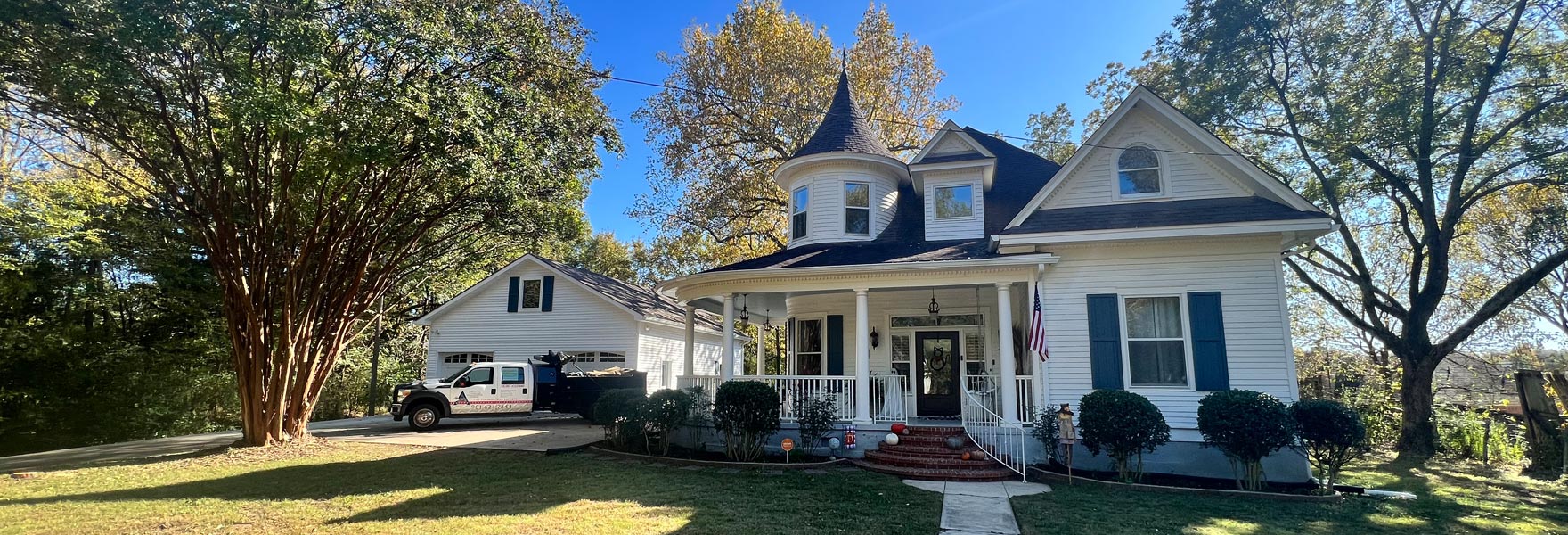
The front door matters because curb appeal is disproportionately cheap to fix. Most of what makes a house photograph badly from the street costs hundreds, not thousands: an overgrown bed, a mildewed walkway, a dated light fixture, a lawn with bare patches. Fresh mulch, a pressure wash, trimmed shrubs, and new house numbers change the first photo in the listing, and the first photo decides whether a buyer ever sees the second. If the garage door faces the street and shows its age, replacing it is one of the few improvements that surveys consistently score near full cost recovery, for the same reason: it’s a huge share of what the camera sees.
Inside, small hardware carries strange weight. Dated brass doorknobs, loose cabinet pulls, yellowed switch plates, and builder-grade light fixtures from 1994 each cost little to swap and collectively decide whether a kitchen reads “fine” or “project.” Swapping fixtures and hardware is the closest thing to a remodel you can do for four figures.
And then there’s the least glamorous item on the list, which also has the best return of anything in this post: deep cleaning. Carpets, grout, windows, baseboards, the oven. A spotless dated house outsells a dirty updated one, because clean is the loudest cared-for signal there is and it costs a few hundred dollars.
Kitchens and baths reward restraint
The kitchen question comes up in nearly every listing appointment. A dated kitchen costs you something at sale. A remodeled kitchen almost never earns back what it cost. The move that threads the needle is the refresh: paint the cabinets, replace the hardware, update the faucet and light fixtures, and, if the counters are genuinely rough, replace them with a mid-grade surface. That package delivers most of the photographic improvement of a remodel at a tenth of the price, and it leaves the layout decisions to the person who’ll live with them.
Bathrooms follow the same rule at smaller scale. Recaulk everything, replace the vanity light and mirror, new shower curtain, fresh white towels. If a vanity is failing, swap it; don’t move plumbing. The buyer who wants a spa bathroom was always going to build it themselves.
The test we give sellers: if a project requires a permit or moves a wall, it’s probably a renovation wearing a sale-prep costume, and it belongs to the next owner.
Fix what the inspector will find
Cosmetics decide whether you get an offer. Repairs decide whether you keep it. Around ten days after you go under contract, a home inspector will spend three hours in your house, and their report will hand your buyer a renegotiation list. Every deferred item you already know about, the slow drain, the GFCI outlet that doesn’t trip, the flashing you’ve meant to look at, will cost more in that negotiation than it would cost to fix this week, because under contract the buyer holds the leverage and prices repairs at worst-case.
So before spending a dollar on granite, walk the house against our list of home inspection red flags and clear the cheap ones. Service the HVAC and keep the receipt. In our older-tree suburbs, get the roof and gutters looked at, since limb wear and clogged gutters are how forty-year-old oaks show up in inspection reports. A clean inspection doesn’t just protect your price; it keeps deals from wobbling in week three, which is when sellers lose sleep.
This is also the honest answer to sellers with real equity wondering how much to reinvest before listing. If you’re sitting on years of appreciation, and many local owners are sitting on more than they think, our post on how much equity you have in your home is worth reading first, because the goal is protecting that number, not growing it through drywall.
What to skip
The talk-you-out-of-it list, from actual conversations. A pool: it costs six figures and shrinks your buyer pool while it’s at it. A full kitchen or bath gut in the month before listing: covered above, and doubly wrong on a deadline, because rushed remodels photograph like rushed remodels. Converting the garage to a bonus room: in these suburbs, buyers count garage bays the way they count bedrooms. High-end landscaping installed the week before photos: buyers can’t tell a $15,000 landscape package from $600 of mulch and seasonal color in a listing photo, so buy the $600 version.
Also skip anything that fixes a problem no buyer flagged. Sellers project their own decade of small annoyances onto buyers who will never notice them. The pantry door that sticks in humid weather has bothered you since 2019; it will not appear in any offer.
If a bigger project genuinely is warranted, your timeline decides whether it’s possible. Sellers targeting the spring market have the runway to do this properly, and our spring 2027 prep calendar maps which projects belong to which month. Sellers listing in the next six weeks should read our guide to selling this fall instead, and keep the project list short.
The school zones change the math
What “move-in ready” means depends on which street you’re on.
In the sought-after Germantown and Collierville school zones, demand does some of your improvement work for you. Families buying into GMSD or Collierville Schools are buying the zone first and the house second, and a dated-but-spotless house in the right zone still sells. That cuts both ways, though. Because these buyers are often relocating on a deadline with no bandwidth for contractors, the houses that trigger real competition are the ones with nothing to do. In these zones, the repair list and the deep clean are nearly mandatory, while the cosmetic refresh is what separates a sale from a bidding contest.
In Bartlett and Cordova, buyers are value-driven and handier on average, and they’ll trade a weekend of painting for a fair price. Cosmetic perfection returns a little less there; mechanical soundness returns even more, because a value buyer stretching for the payment has no slack for a surprise furnace.
Either way, the sequencing advice in our post on pricing mistakes that cost sellers applies here too: improvements support the price, they don’t replace the pricing homework.
Walk it with your agent before you spend
The cheapest insurance in this whole post is a walk-through with your listing agent before you hire anyone. We do these constantly, and half the value is the spending we prevent. Sellers reliably want to fund the wrong projects, the ones tied to their own years in the house, and reliably undervalue the $150 fixes a stranger notices in the first ninety seconds.
An agent who works your streets knows what this fall’s buyers flagged in feedback three doors down, which improvements photographed well enough to bring traffic, and which expensive upgrades nobody mentioned in a single showing. That intelligence is free, and it should shape the budget before the budget exists. It’s the first thing we build in our selling process, and if you want it for your house, reach out and we’ll walk it with you.
Spend like a seller, not an owner
The owner renovates for the years ahead. The seller has three weeks of showings and one inspection to get through, and every dollar should point at those. Fix what’s broken, clean everything, paint what the camera sees, and let the next owner buy their own kitchen. The best-returning improvement in the house is usually the humblest one on the list.