Ask around and you’ll hear the same advice: sell in spring, wait if you missed it. Around here, that advice costs people money.
Selling your home in the fall works differently than selling it in April, and in Germantown, Collierville, Bartlett, Cordova, and out in Arlington and Lakeland, differently can mean better. The buyers change, the calendar tightens, and the competition mostly goes home. We wrote about selling a Germantown home in the summer heat earlier this year; this is the autumn sequel, and the season has its own rulebook. This post covers who’s still buying after Labor Day, the dates that decide whether you close this year, how to price when the comps get thin, and what to do when the holidays arrive with your sign still in the yard.
The fall buyer is a different animal
Spring buyers browse. They have six months of runway, forty listings to tour, and a school calendar giving them until August. Fall buyers don’t have any of that, and it shows in how they behave.
Who’s left after Labor Day? Corporate relocations, for one. Companies move people on the company’s schedule, and a family relocating to the area in October needs a house in October, not in May. These suburbs collect a steady share of those buyers because relocating families shop the school districts first and the neighborhoods second. Then there are the buyers who lost out in spring, sometimes on three or four houses, and are still hungry. And the ones staring at a personal deadline: a lease ending in December, a baby coming in February, a job that starts January 5.
So expect fewer showings and better ones. A June listing might get fifteen showings and one offer. An October listing might get six showings and one offer, and the people walking through are pre-approved, motivated, and done sightseeing. Fewer footprints on your carpet, same sold sign.
The other half of the equation: most of your would-be competition believed the sell-in-spring advice. Fall inventory thins out, which means the buyer who needs a four-bedroom in a good school zone this month is choosing from a short list. Being on a short list is a fine place to be.
The dates that decide your year
Fall selling runs on a countdown, and it’s worth doing the arithmetic before you list rather than after.
A typical financed sale takes 30 to 45 days from contract to close, and before that you need time to go under contract at all. Give a well-priced listing a few weeks to attract its buyer and you get the rule we give clients: to close before December 31, be on the market by mid-October. List November 1 and you’re negotiating over Thanksgiving and hoping the appraiser isn’t on vacation. It happens, but the margin is gone.
The countdown steepens as it goes. Lenders, appraisers, inspectors, and title offices all run holiday-thin from Thanksgiving through New Year’s, and a file that would sail through in early October crawls in late December. Buyer traffic follows the same slope: solid in September and October, softer in November, and mostly quiet from mid-December on.
None of that is a reason to panic-list this weekend. It’s a reason to pick a lane. On the market by October 15, or plan a January launch and use the extra weeks to prepare. The awkward middle, listing in late November because you finally got around to it, is the one move the calendar punishes.
Pricing against a thinner comp set
Fall pricing has a trap in it. The comps your neighbor quotes at the mailbox are from May and June, when the yard looked perfect and three families were bidding on everything in the zip code. By October those numbers are a season old, and buyers’ agents know it even when sellers don’t.
That doesn’t mean fall prices collapse here; these suburbs hold value well precisely because supply stays tight. It means the evidence is thinner. Fewer recent sales means each comp carries more weight, and one overpriced neighbor who sat all summer says as much as one strong sale. A good agent will walk you through which September closings reflect the current market and which are leftovers from spring contracts, because a September closing is often a July deal wearing a fall date.
The first two weeks still decide everything. A fall listing that debuts too high doesn’t get a spring correction wave of fresh buyers to bail it out; the pool is smaller, everyone in it sees your listing the day it goes live, and they all watch it sit. We wrote up the pricing mistake that costs sellers in detail, and fall is when it bites hardest, because the calendar you just read about eats the recovery time.
Curb appeal when the leaves are falling
Fall curb appeal advice usually amounts to pumpkins on the porch. In neighborhoods like ours, the real work is overhead.
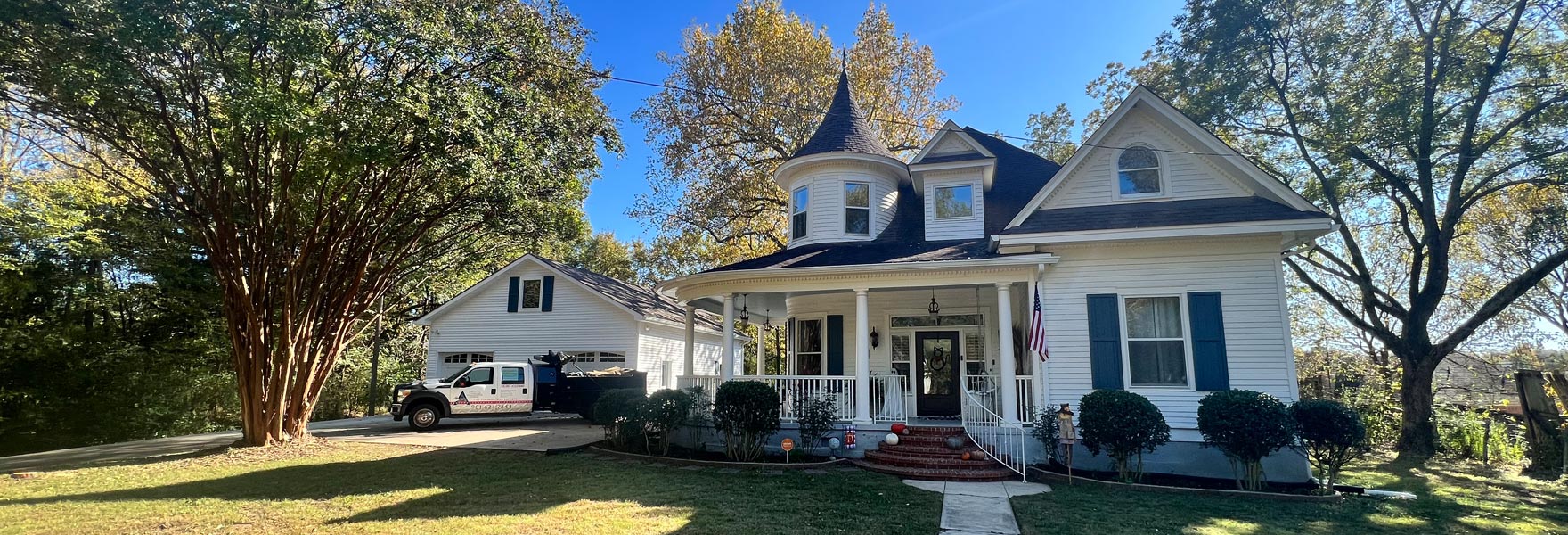
Germantown, east Collierville, and the older streets of Bartlett and Cordova are full of houses under forty-year-old oaks and maples, which is a big part of why buyers want them, and every one of those trees is about to put its leaves on your lawn weekly through November. A buyer pulling up to a leaf-buried yard and full gutters doesn’t think “autumn.” They think “deferred maintenance,” and they start looking for more of it inside. Raked lawn, clean gutters, clear roofline. Boring, and worth real money.
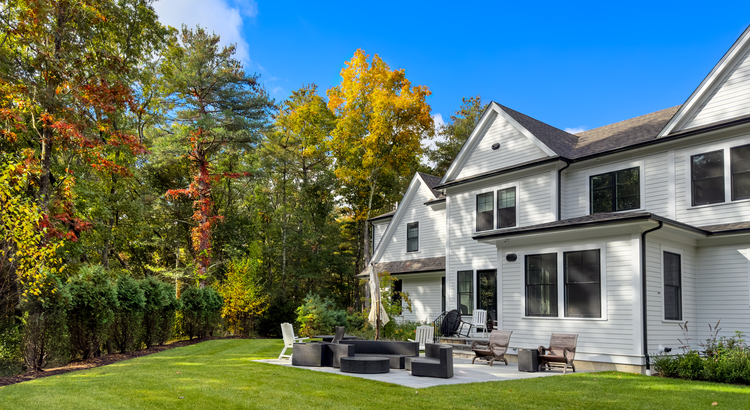
Two fall-specific moves earn their keep. First, get exterior photos taken early, while the trees still have color, even if you list a few weeks later; bare-branch photos in the listing tell everyone how long you’ve been sitting the moment December arrives. Second, walk your house at 5:30 PM after the time change. That’s when second showings happen, in the dark, so porch lights, path lights, and a bright entry do the job the sun did in June. Inside, turn on every lamp for every showing and let the house feel warm; a fall buyer standing in a bright, warm living room while it’s cold and dark outside is feeling exactly what you want them to feel: I could live here.
If you’re weighing bigger fixes, stick to the ones that return their cost; our list of home upgrades that help a house sell applies in any season. And consider having your HVAC serviced before you list. The furnace is about to get its first workout of the year during your showing window, and “heat didn’t seem to work upstairs” is a sentence you never want in an offer’s repair addendum. A glance at the common home inspection red flags now beats discovering one under contract in December, when contractor schedules and the closing countdown are both against you.
What fall looks like suburb by suburb
The season plays a little differently across the east side of the county.
In Germantown and Collierville, the school-zone premium doesn’t hibernate. Families already zoned locally mostly bought by August, but relocation buyers chase GMSD and Collierville Schools year-round, and they shop with urgency. If your house sits in a sought-after zone, fall is a legitimately strong window; you’re one of few options for a buyer who has to solve schools now. Our tour of Collierville’s best neighborhoods shows the kind of research these relocating families are doing before they ever land at the airport.
Bartlett and Cordova stay livelier later into the year. Value-focused buyers, first-timers, and move-up families priced out of the bigger-name suburbs keep touring well into November, because for them the math matters more than the season. If anything, fall’s thinner inventory helps a well-kept Bartlett listing stand out in a way it wouldn’t in a crowded April.
Arlington and Lakeland sellers have one extra assignment: know what the builders are doing. These are new-construction towns, and builders close their fiscal years with incentives, rate buydowns, closing-cost credits, sometimes real price cuts on standing inventory. A resale seller a mile from a spec home with a year-end deal attached needs to know that before setting a price, because your buyer will know it. Your edge is everything the spec house doesn’t have: the established yard, the finished blinds and gutters and fence, the no-waiting move-in. Sell that, and price with the builder’s incentive in view. If you’re not sure how your suburb stacks up this season, the Collierville vs Germantown vs Bartlett comparison is a good primer on what buyers are weighing.
When the holidays arrive and it hasn’t sold
Say it’s the week before Thanksgiving and you’re still on the market. You have three honest options.
Riding it out is stronger than it feels. The December buyer is the most serious buyer of the year; nobody tours a stranger’s house on December 28 for fun. Showings will be scarce, but each one is live ammunition. Keep the house warm, keep it easy to show, and be patient with the pace.
Regrouping is also legitimate. Some sellers take the listing down in late November and relaunch in early January, ahead of the spring flood, with fresh photos and, if the market said so, a fresh price. January buyers show up earlier than most sellers expect, and a relaunched listing meets them without the “what’s wrong with it” cloud of a 90-day-old one. If the first attempt taught you something, that lesson belongs in the relaunch; our post on what to do when your house didn’t sell walks through the diagnosis.
What we’d steer you away from is the quiet third option: leaving a stale, overpriced listing up through the holidays untouched, on the theory that it costs nothing. It costs the relaunch. By February, every agent in the area has watched it sit for 120 days, and that history follows the house.
The season rewards sellers who respect the calendar
Fall doesn’t punish sellers in these suburbs. It punishes sellers who drift into it, listing in late November at June’s price with July’s photos. The ones who count backward from December 31 and pick a lane do fine, and often better than fine, because most of their competition took the season off.
If you’re deciding whether to list now or wait for spring, talk to us. We’ll pull what’s genuinely sold near you in the last sixty days, tell you what your street’s fall market looks like, and give you a straight answer, even if that answer is “wait.” Our whole approach to selling your house starts with the timing conversation, because in a fall market, when you list is half the strategy.