

So you’re relocating to Memphis. Maybe a job brought you here, maybe family did, or maybe you’re a remote worker who ran the math on your rent and realized your paycheck would stretch a lot further somewhere with a river view. Whatever got you looking, you probably have the same questions everyone has before a big move: is this a good place to actually live, what will my money buy, and where should I plant myself once I get there.
Those are fair questions, and this guide answers them the way we’d answer them for a friend. We help people land in the Memphis metro every week, and a lot of them are doing it sight unseen from another state. The short version: Memphis is one of the more affordable metros of its size in the country, the metro is bigger and more varied than the city name suggests, and the right spot for you depends on what you’re trading for what. Let’s walk through it.
Is Memphis a good place to live?
For most people who move here, yes, though it helps to know what you’re getting.
Memphis has real character. Music, barbecue, the river, and an unpretentious feel that people from pricier metros tend to exhale into. The pace is slower than the coasts. Summers are hot and humid, spring and fall are genuinely lovely, and winters are mild with the occasional ice day that shuts everything down for 48 hours.
The thing that surprises most newcomers isn’t the culture, though. It’s the money. Your income goes considerably further here than it does in most large metros, and for a lot of families that single fact reshapes what daily life feels like. A house with a yard stops being a fantasy. That part deserves a closer look.

The cost of living in Memphis
The cost of living in Memphis sits below the national average, and it’s dramatically below what you’d pay in a coastal or big-Sun-Belt metro. Housing is the biggest driver. What a mid-size house costs here would often be a down payment somewhere like Denver, Austin, or anywhere in California.
Two things make the difference for newcomers. First, home prices. Without quoting you a hard median that’ll be stale by the time you read this, buyers moving from higher-cost metros are regularly startled by how much square footage, yard, and school zone their budget covers here. Money that bought a starter condo back home tends to buy a family house in Memphis.
Second, and people forget this one, Tennessee has no state income tax. None on wages. For someone relocating from a state that takes a real bite out of every paycheck, that’s not a rounding error. It’s a raise you keep every month. We wrote more about how that plays out for local homeowners in our breakdown of the tax benefits of owning a home in Memphis, and it’s one of the quieter reasons remote workers and retirees keep choosing Tennessee.
The trade-offs are honest ones. Property tax rates in Shelby County run higher than in some neighboring areas, which is part of why the suburbs and outlying counties are so popular. And “affordable” doesn’t mean everywhere is equal. Memphis is a city of neighborhoods with a wide spread, so where you land matters as much as the metro-wide average.
The city versus the suburbs
This is the part out-of-towners most need to understand before they start browsing listings at midnight.
“Memphis” the metro is far bigger than Memphis the city. Inside the city limits you’ll find everything from historic districts with real charm to areas still working through decades of disinvestment. There are wonderful pockets, established, walkable, full of character, and there are blocks a mile away with a completely different story. This is normal for an older American city, but it catches newcomers off guard, and it’s exactly why buying remotely without local eyes is risky.
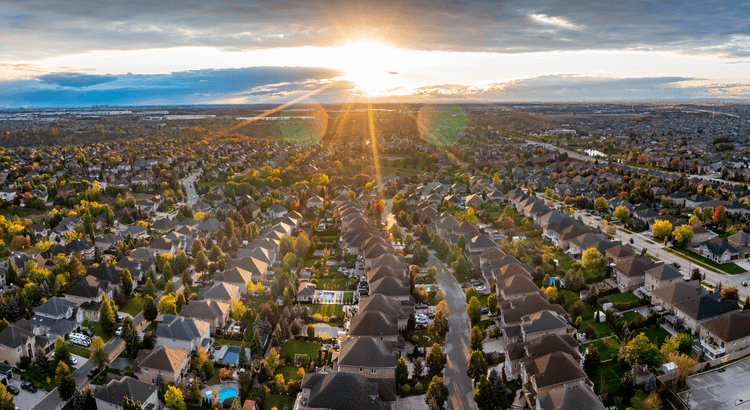
Most families relocating from out of state end up looking hard at the suburbs and the eastern edge of the metro, where the newer housing, the sought-after schools, and the bigger lots are. That’s where the rest of this guide spends its time. If you want to weigh the front-runners side by side, our comparison of Collierville, Germantown, and Bartlett is the piece newcomers reach for most.
The best Memphis suburbs, and who each one fits
There’s no single best Memphis suburb. There’s a best one for your budget, your commute, your kids’ schools, and how much land you want. A quick, honest tour of the main options.
Germantown
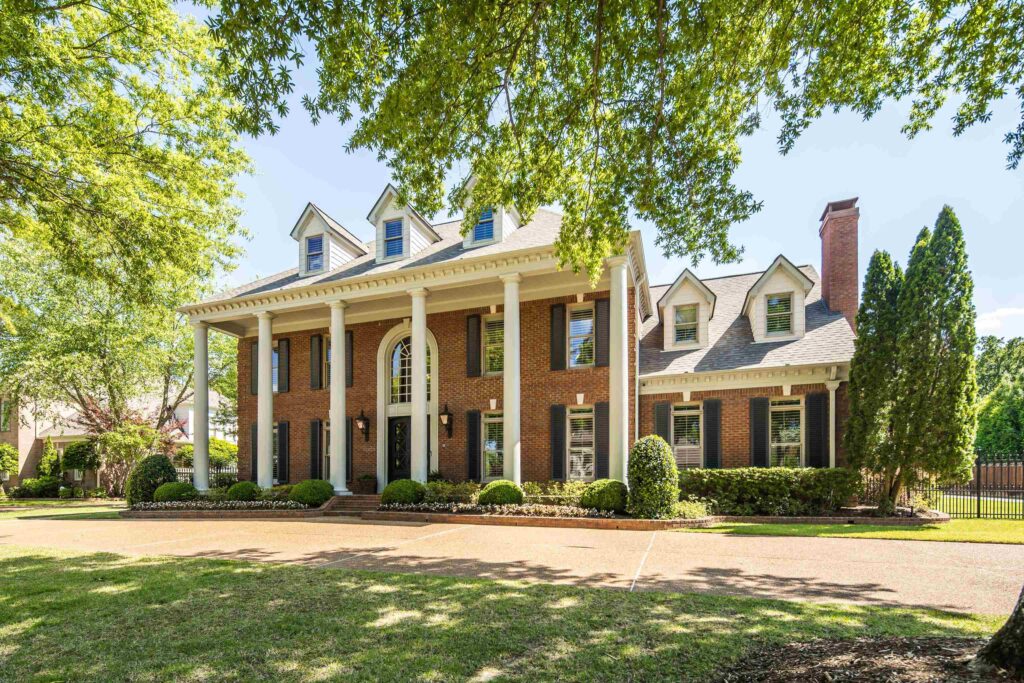
Germantown is the established, leafy, top-of-the-market pick. The schools are excellent, the neighborhoods are mature with big trees, and it carries a certain prestige in the metro. You pay for all of that. Germantown tends to run at the higher end of suburban pricing, so your dollar buys less house here than a few zip codes over. For buyers who want the address and the schools and have the budget, it’s hard to beat. You can get a feel for what’s available on our Germantown homes page.
Collierville
Ask a Memphis family where they’d raise kids and Collierville comes up fast, and it’s earned that. The schools are top-tier, the historic town square is genuinely charming, and the whole place is built around raising kids. It sits a bit further east, so you’re trading a longer commute toward downtown for a strong sense of community and newer housing stock. Pricing is comparable to Germantown in many pockets. If you’re relocating with school-age children and want the “we’re staying put for fifteen years” kind of town, start here. Browse homes in Collierville to calibrate.
Bartlett
A lot of newcomers find their sweet spot on value in Bartlett. You get more house for the money than in Germantown or Collierville, it has its own well-regarded Bartlett City Schools system, and it’s closer in, which helps the commute. It doesn’t carry the same prestige-name premium, and honestly that’s the point, buyers who care more about square footage and a solid school district than a marquee address do very well here. Our buyer’s guide to Bartlett goes deeper, and you can scan current Bartlett listings too.
Cordova, Arlington, and Lakeland
These three round out the eastern options. Cordova is a large, established suburban area with a wide price range and lots of inventory, which makes it a practical landing spot while you learn the metro. Arlington and Lakeland sit further northeast and have grown fast, drawing families who want newer construction, more space, and a small-town feel, with the trade-off of a longer drive to the core. If you don’t need to be downtown five days a week, these are worth a serious look.
Eads
Eads is the pick for people who want land. Think large lots, rural quiet, room for a shop or a few animals, and neighbors you can’t quite see. You give up walkability and quick errands for space and privacy, and the housing is a different animal, more acreage, more custom builds. It’s not for everyone, but for the buyer picturing elbow room, it’s a real option. We laid out the case in why buyers are looking at Eads.
Schools, and why they drive Memphis real estate
If you’re moving with kids, schools will probably steer your search more than anything else, and in the Memphis metro that’s tightly bound to which municipality you’re in.
The suburban districts, Germantown, Collierville, Bartlett, Arlington-area, and the others, run their own municipal school systems, and their reputations are a big reason those areas hold their value. This is why two similar houses a few miles apart can carry very different prices: you’re often paying for the school zone as much as the drywall. If schools are your priority, decide on the district first and let that narrow the map, rather than falling for a house and discovering the zoning afterward.
What the commute really looks like
Coming from a major metro, Memphis traffic will feel like a gift. There’s rush hour, but it’s measured in minutes, not the soul-flattening hours you might be used to.
Roughly speaking, closer-in suburbs like Bartlett and Cordova put you within a reasonable drive of downtown and the medical district. Germantown is a moderate commute. Collierville, Arlington, Lakeland, and Eads sit further out, so budget more time if you’ll be heading toward the core daily. The upside of the far suburbs is space and schools; the cost is windshield time. If you’re remote or hybrid, that math changes completely and the outer areas open right up. Figure out your actual commute pattern before you fall for a location, because it quietly shapes daily life more than almost anything else.
Practical first steps for moving to Memphis
Once you’ve got a sense of the map, moving to Memphis TN goes smoother if you handle a few things in order.
Rent first if you’re unsure. There’s no shame in leasing for six months to learn the metro from the inside before you buy. Plenty of newcomers do exactly that, and if you’re weighing it, the rent-versus-buy net-worth comparison is worth reading so you go in clear-eyed about what waiting costs.
Line up your money early. Talk to a lender and get pre-approved before you’re serious about listings, so you know your real budget and can move fast when the right house appears. Relocation timelines are tight, and a pre-approval in hand is the difference between winning a house and watching it go.
Learn the geography from someone who lives it. Maps and listing photos don’t tell you that one street floods, or that the “10-minute commute” is 35 in traffic, or that the school zoning changed last year. That local read is the whole reason to work with an agent who actually knows these neighborhoods.
Time your two moves. If you’re selling a home in your current city and buying here, the choreography matters. Get that sequence planned early so you’re not carrying two mortgages or scrambling for a rental in between.
Buying a Memphis home from another city
A good share of the people we help are buying from hundreds of miles away, and it works fine when it’s set up right.
The key is having someone on the ground you trust to be your eyes. A local agent can tour homes with you over video, walk the street and the yard, tell you what the photos are hiding, and steer you away from the areas that look great online but won’t hold up in person. That last part matters more in a metro like this one, where quality varies block to block. If you’re not sure how to vet someone from afar, our guide to choosing a great local real estate agent is built for exactly this situation.
From there, the mechanics are routine. Remote closings, electronic signatures, and video tours are standard now, and a good agent-and-lender team keeps the whole thing moving while you finish out your life in the old city. If this is your first purchase on top of being a relocation, buying your first home in Memphis walks through the process start to finish.

Your soft landing starts with a conversation
Relocating anywhere is a lot, and doing it to a metro you’ve never lived in adds a layer. The good news is that Memphis rewards the move for most people who make it. Your money goes further, the tax picture is friendly, the traffic is humane, and once you sort out which suburb fits your budget and your kids’ schools, the rest tends to fall into place.
The one thing you can’t do well from a distance is read the neighborhoods, and that’s the part where a local really earns their keep. When you’re ready to start mapping your options, reach out to a Reid agent and tell us what you’re moving for. We’ll help you figure out where you fit, even if your move is still months away and you’re just starting to look.