
If you’ve been scrolling through listings, saving your favorites on Zillow, and daydreaming about paint colors — you’re not alone. Buying your first home is one of the most exciting (and let’s be honest, nerve-wracking) things you’ll ever do. And if you’re looking at Memphis, you’ve picked a pretty great place to plant roots.
Memphis has always been one of the more affordable metro areas in the country, and heading into 2026, the market is giving first-time buyers some real opportunities. More homes are available, prices are holding steady, and there are programs designed specifically to help people like you get through the door — literally.
Whether you’re a young professional working downtown, a growing family eyeing the suburbs, or someone who’s just tired of paying rent, this guide is going to walk you through everything you need to know about buying your first home in Memphis.
Why Memphis Is a Great Place to Buy Right Now
Let’s start with some good news. The Memphis housing market in early 2026 is actually pretty friendly for first-time buyers. Here’s what’s working in your favor:
Home prices are affordable. The average home value in Memphis sits around $150,000, which is well below the national average. Even in the more popular suburbs like Collierville, Germantown, and Bartlett, you can find solid homes without the sticker shock you’d get in Nashville, Atlanta, or most other mid-size cities.
Inventory is up. One of the biggest challenges for buyers over the last few years was the lack of homes on the market. That’s changed. Inventory has grown significantly — over 20% compared to a couple of years ago — which means more choices for you and less pressure to make snap decisions.
Days on market are higher. Homes are sitting a little longer before they sell, averaging around 50 to 65 days depending on the area. That’s actually great for first-time buyers because it means you have more time to tour homes, think things over, and negotiate. The days of making offers within 24 hours of a listing going live have cooled off considerably.
Mortgage rates are stabilizing. While rates are still higher than the historic lows we saw a few years ago, they’ve settled into the mid-to-upper 6% range for a 30-year fixed mortgage as of early 2026. That’s a lot more predictable than the roller coaster we’ve been on, and it makes budgeting easier.
The bottom line? If you’ve been waiting for a “good time” to buy your first home in Memphis, this is about as balanced a market as you’re going to find.
Getting Your Finances Ready
Before you start touring homes and falling in love with kitchens, you need to get your financial house in order (pun intended). This is the part that isn’t as fun, but trust us — doing this work upfront will save you a ton of stress later.
Check Your Credit Score
Your credit score is one of the biggest factors in what kind of mortgage you can get and what interest rate you’ll pay. Here’s a rough breakdown:
740 and above: Excellent. You’ll get the best rates available.
700-739: Very good. You’ll still qualify for competitive rates.
640-699: Good. You can qualify for most loan programs, including FHA and Tennessee’s state programs.
Below 640: You may still have options, but you’ll want to talk to a lender about the best path forward.
If your score isn’t where you want it to be, don’t panic. Paying down credit card balances, making on-time payments, and avoiding new credit inquiries can make a real difference in just a few months.
Figure Out Your Budget
A common rule of thumb is that your monthly mortgage payment (including taxes and insurance) shouldn’t be more than about 28-30% of your gross monthly income. But that’s just a guideline — what actually matters is what you’re comfortable with.
Think about your full picture: car payments, student loans, groceries, childcare, and yes — having money left over to actually enjoy your life. Buying a home is great, but being “house poor” is not.
A quick example: If your household income is $60,000 a year ($5,000/month), you’d want to keep your total housing payment around $1,400-$1,500/month. In Memphis, that budget can go a long way.
Save for Your Down Payment (and Closing Costs)
One of the biggest myths about buying a home is that you need 20% down. You don’t. Here’s what you actually might need:
FHA loans: As low as 3.5% down
Conventional loans: As low as 3% down (with programs like HomeReady or Home Possible)
VA loans: 0% down for eligible veterans and active military
USDA loans: 0% down for eligible rural areas (some Memphis suburbs qualify)
On a $150,000 home, a 3.5% down payment is just $5,250. That’s a lot more manageable than the $30,000 you’d need at 20%.
But don’t forget about closing costs. These typically run 2-4% of the purchase price and cover things like the appraisal, title search, lender fees, and prepaid taxes and insurance. On that same $150,000 home, you’re looking at roughly $3,000-$6,000 in closing costs. Sometimes sellers will agree to cover a portion of these, especially in our current market.
Tennessee Programs That Can Help
Here’s where it gets exciting. Tennessee has some of the best first-time homebuyer programs in the Southeast, and if you qualify, they can make a huge difference.
THDA Great Choice Home Loan
The Tennessee Housing Development Agency (THDA) offers the Great Choice Home Loan, which is a 30-year fixed-rate mortgage designed for low-to-moderate income buyers. To qualify, you’ll need:
• A credit score of 640 or higher
• To complete a homebuyer education course ($99)
• To meet income and purchase price limits for your county
• To use a THDA-approved lender
The interest rates on these loans are competitive, and they can be paired with down payment assistance (more on that in a second).
THDA Great Choice Plus — Down Payment Help
This is the big one for a lot of first-time buyers. Great Choice Plus offers two types of down payment assistance:
Deferred option: Up to $6,000 toward your down payment and closing costs. No monthly payments, no interest, and the loan is forgiven after 30 years. If you sell or refinance before that, you’ll need to pay it back — but $6,000 in free money for staying put? That’s a pretty good deal.
Amortizing option: Up to 6% of the sales price, paid back over 15 years at the same rate as your first mortgage. This gives you access to more money upfront if you need it.
On a $150,000 home, that 6% amortizing option would give you $9,000 toward your down payment and closing costs. Combined with an FHA loan requiring just 3.5% down, you could potentially get into a home with very little cash out of pocket.
Homeownership for Heroes
If you’re a veteran, active-duty military, police officer, firefighter, EMT, or teacher, THDA’s Homeownership for Heroes program offers a reduced mortgage interest rate — half a percentage point lower than the standard Great Choice rate. That might not sound like a lot, but on a 30-year mortgage, it can save you thousands.
City of Memphis Down Payment Assistance
The City of Memphis also offers its own down payment assistance through the Division of Housing and Community Development. This is a separate program from THDA and can sometimes be combined with state programs. Availability and funding levels change, so it’s worth checking with a local lender or housing counselor to see what’s currently available.
Getting Pre-Approved — Do This First
Before you start seriously looking at homes, get pre-approved for a mortgage. This is different from pre-qualification (which is just a rough estimate). Pre-approval means a lender has actually reviewed your income, credit, and financial documents and given you a specific amount you’re approved to borrow.
Why does this matter?
You’ll know your real budget. No more guessing. You’ll know exactly what you can afford, which saves you from falling in love with a home that’s out of reach.
Sellers take you seriously. When you make an offer with a pre-approval letter attached, it tells the seller you’re a real buyer who can actually close. In a market where homes are still moving, this gives you an edge.
It speeds up the process. Once you find the right home, you don’t want to be scrambling to get your finances in order. Pre-approval puts you in a position to move quickly when the time comes.
The pre-approval process usually takes a few days and requires some paperwork: W-2s, pay stubs, bank statements, and tax returns. It’s not complicated, but gathering it all ahead of time makes things smoother.
Choosing the Right Memphis Neighborhood
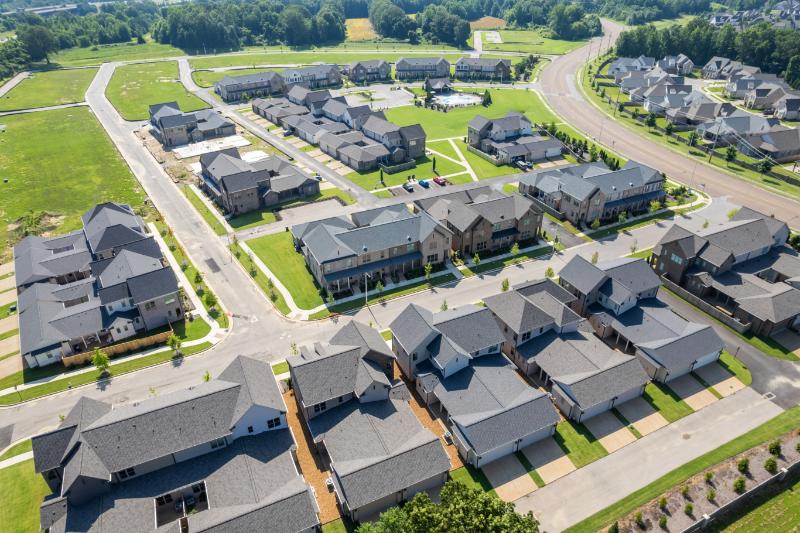
Memphis is a city of neighborhoods, and where you buy matters just as much as what you buy. Here’s a quick look at some of the most popular areas for first-time buyers:
Bartlett
Bartlett is one of the most popular suburbs for first-time buyers, and for good reason. It offers a great mix of affordability, good schools, and a strong sense of community. You’ll find a range of homes from starter-sized ranch houses to larger family homes, and the median price point is accessible for most first-time buyers. It’s also conveniently located with easy access to major employers and shopping.
Collierville
Collierville is known for its charming town square, top-rated schools, and beautiful neighborhoods. It tends to be on the higher end of the Memphis suburbs in terms of price, but there are still options for first-time buyers — especially if you’re open to townhomes or older homes that might need a little updating. If schools are a top priority, Collierville is hard to beat.
Germantown
Germantown offers a similar vibe to Collierville with excellent schools, well-maintained neighborhoods, and plenty of parks and greenways. Home prices here are higher on average, but you’ll find pockets of affordability, especially in some of the older established neighborhoods. It’s a fantastic place to raise a family.
Lakeland
Lakeland has been growing steadily and is attracting a lot of younger families. The Lakeland School System is relatively new and has been getting strong reviews. You can find newer construction here at more reasonable price points compared to Collierville or Germantown. If you want a newer home without breaking the bank, Lakeland is worth a look.
Arlington
Arlington is a bit further out but offers a small-town feel with more space for your money. If you don’t mind a slightly longer commute and you value land and elbow room, Arlington can be a great fit. Home prices tend to be competitive, and new construction is happening regularly.
East Memphis
If you want to be closer to the city center, East Memphis offers tree-lined streets, established neighborhoods, and easy access to restaurants, shopping, and entertainment. Price points vary widely here — you can find very affordable options alongside more expensive homes. It’s a great option if you work in the medical district, at the University of Memphis, or in the Poplar Corridor.
Midtown Memphis
Midtown is for the buyer who loves character, walkability, and being in the heart of the city. Think bungalows, historic homes, and a vibrant arts and dining scene. Homes here range from affordable fixer-uppers to fully renovated gems. If nightlife, culture, and being close to everything are your priorities, Midtown is your spot.
The Home Buying Process Step by Step
Alright, you’ve got your finances in order, you’re pre-approved, and you know which neighborhoods interest you. Here’s what comes next:
Step 1: Find a Real Estate Agent
This one is huge, especially for first-time buyers. A good agent isn’t just someone who shows you houses — they’re your advisor, negotiator, and guide through the entire process. And in most cases, the seller pays the buyer’s agent commission, so it doesn’t cost you anything extra to have representation.
Look for an agent who knows the Memphis market, has experience working with first-time buyers, and is someone you feel comfortable communicating with. You’re going to be working closely with this person for weeks (sometimes months), so the relationship matters.

Step 2: Start Your Home Search
With your agent, you’ll set up a search based on your budget, preferred neighborhoods, must-haves (bedrooms, bathrooms, garage, yard size), and nice-to-haves. Your agent will send you listings as they hit the market, and you’ll schedule showings for the ones that catch your eye.
A few tips for your search:
• Be realistic about your first home. It doesn’t have to be your forever home. Focus on what you need now and what builds equity for the future.
• Don’t skip homes based on photos alone. Online photos can be misleading (both better and worse than reality). If it checks your major boxes, go see it in person.
• Pay attention to the bones. Cosmetic stuff like paint, flooring, and landscaping is easy to change. Structural issues, roof condition, and foundation problems are not.
Step 3: Make an Offer
When you find the one, your agent will help you put together a competitive offer. This includes the price you’re willing to pay, any contingencies (like the home inspection and appraisal), your proposed closing date, and any requests like seller-paid closing costs.
In today’s Memphis market, you often have some room to negotiate. Homes are sitting a bit longer, and sellers are more willing to work with buyers on price and terms than they were a couple of years ago. Your agent will help you understand what’s reasonable based on comparable sales in the area.
Step 4: Home Inspection
Once your offer is accepted, you’ll schedule a home inspection. This is non-negotiable for first-time buyers — seriously, do not skip this step. A professional inspector will go through the home top to bottom and identify any issues: roof condition, electrical, plumbing, HVAC, foundation, and more.
The inspection report will probably include a long list of items, and that’s normal. What matters is separating the big stuff (structural issues, major repairs) from the small stuff (a leaky faucet, a cracked outlet cover). Your agent will help you negotiate repairs or credits with the seller based on the findings.
In Memphis specifically, pay attention to:
• Foundation: Our clay soil can cause foundation movement over time. Look for cracks in walls, doors that don’t close properly, or uneven floors.
• HVAC: Memphis summers are brutal. Make sure the air conditioning system is in good shape and appropriately sized for the home.
• Termites: This is the South. Termite inspections are standard here, and any active issues need to be addressed before closing.
• Roof: Age matters. If the roof is 15+ years old, find out its condition and expected remaining life.
Step 5: Appraisal
Your lender will order an appraisal to make sure the home is worth what you’re paying for it. This protects both you and the bank. If the appraisal comes in at or above your offer price, you’re good to go. If it comes in low, you’ll need to negotiate — either the seller drops the price, you make up the difference in cash, or you meet somewhere in the middle.
Step 6: Final Walkthrough and Closing
A day or two before closing, you’ll do a final walkthrough to make sure the home is in the condition you agreed to — repairs are done, nothing new is broken, and the seller has moved out. Then comes closing day.
At closing, you’ll sign a stack of documents (bring your hand-stretching exercises), pay your closing costs and down payment, and receive the keys to your new home. The whole process from accepted offer to closing typically takes 30-45 days in Memphis.
Common First-Time Buyer Mistakes to Avoid
We’ve worked with a lot of first-time buyers over the years, and there are some patterns we see. Here are the mistakes you’ll want to steer clear of:
Waiting for the “perfect” time to buy. There’s no such thing. Interest rates might be a little lower next year, or they might be higher. Home prices might dip in one neighborhood and rise in another. If you’re financially ready and you find a home you love, that’s the right time.
Not getting pre-approved before shopping. We mentioned this already, but it bears repeating. Shopping without pre-approval is like going to a car dealership without knowing your budget. It wastes your time and sets you up for disappointment.
Making big financial changes during the process. Do not — and we cannot stress this enough — do not open new credit cards, finance a car, change jobs, or make large unexplained deposits while you’re in the mortgage process. Your lender is monitoring your finances up until closing day, and any of these moves can derail your loan.
Draining your savings for the down payment. You need to have money left over after closing. There will be unexpected expenses — a broken appliance, a plumbing issue, furniture you need. Keep a cash reserve of at least a few thousand dollars beyond your down payment and closing costs.
Falling in love with one home too early. Keep an open mind. Tour multiple homes, compare neighborhoods, and give yourself options. The first home you see is rarely the one you should buy.
Ignoring the neighborhood. You can change almost everything about a house, but you can’t change its location. Drive through the neighborhood at different times of day. Check the commute to your workplace during rush hour. Look at nearby schools, even if you don’t have kids — school quality affects resale value.
What to Expect With Costs After You Buy
Your mortgage payment is just one piece of the puzzle. Here are the other costs that come with homeownership that first-time buyers sometimes forget about:
Property taxes: In Shelby County, the property tax rate is higher than some surrounding counties. Budget accordingly — your lender can estimate this for you based on the home you’re buying.
Homeowner’s insurance: Required by your lender and typically rolled into your monthly payment. Shop around for quotes — prices can vary significantly between providers.
Private mortgage insurance (PMI): If you put less than 20% down on a conventional loan, you’ll pay PMI until you reach 20% equity. FHA loans have their own version called MIP (mortgage insurance premium) that lasts for the life of the loan in most cases.
Maintenance and repairs: A good rule of thumb is to budget 1-2% of your home’s value per year for maintenance. On a $150,000 home, that’s $1,500-$3,000 per year. Some years you’ll spend less, and some years the HVAC will die and you’ll spend more.
HOA fees: Some neighborhoods and all townhome/condo communities have homeowners association fees. These can range from $50/month to several hundred, depending on what’s included. Make sure you factor this into your budget.
Utilities: If you’re coming from an apartment, your utility bills will likely increase. Larger space means more to heat and cool, and you’ll be paying for water, trash, and possibly lawn care on top of electricity and gas.
Ready to Take the First Step?
Buying your first home is a big deal — there’s no getting around that. But it doesn’t have to be overwhelming. With the right preparation, the right team, and a market that’s giving buyers more opportunity than we’ve seen in years, 2026 could be the year you stop paying someone else’s mortgage and start building equity of your own.
Memphis is a city with a lot to offer — affordable living, strong communities, great food (obviously), and neighborhoods that fit every lifestyle. Whether you’re looking for a starter home in Bartlett, a bungalow in Midtown, or a new build in Lakeland, there’s something here for you.
The first step? Talk to a local real estate agent who knows the Memphis market inside and out. Get pre-approved, learn your options, and start exploring. You might be surprised how close you are to holding those keys.
If you have questions or want to start the conversation, we’d love to hear from you. That’s what we’re here for.