
(Updated 10/28/25)
Picture this: three generations living under one roof, sharing meals, splitting bills, and creating memories together every single day. It might sound like a throwback to earlier times, but this living arrangement is actually making a serious comeback in modern America. And the reasons might surprise you.
If you’ve been scrolling through real estate listings lately, feeling that familiar knot in your stomach as you see prices that seem impossibly out of reach, you’re definitely not alone. The housing market has been challenging, to say the least. But here’s something interesting: more families are finding creative solutions to the affordability crisis, and one of the most popular options involves bringing multiple generations together under one roof.
Increase in Multi-Generational Living
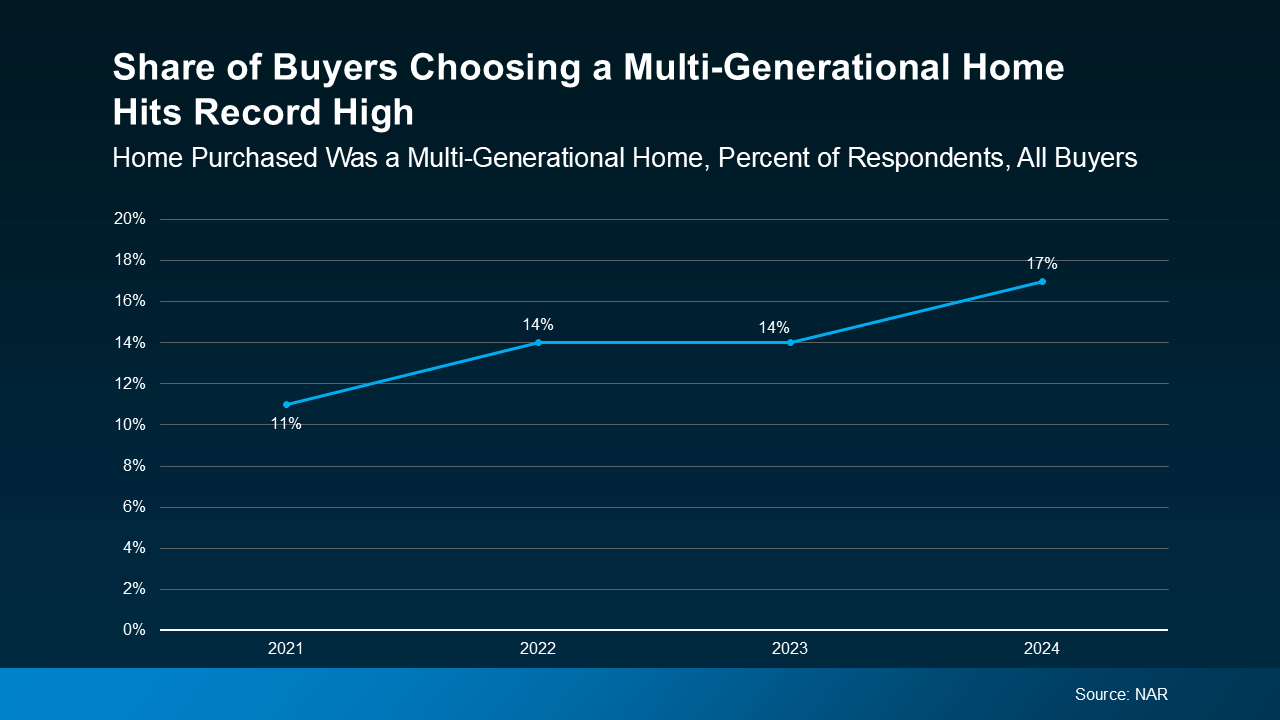
Let’s talk numbers for a second. Right now, about 17% of people buying homes are choosing multi-generational properties. That means nearly one in five homebuyers is purchasing a place to share with parents, adult children, or extended family members. The National Association of Realtors has been tracking this trend for years, and they’ve never seen numbers this high before.
Think about that for a moment. This isn’t just a small blip on the radar. It’s a significant shift in how Americans are approaching homeownership and family life. And it’s happening for reasons that make a lot of sense when you look at today’s economic landscape.
The Story Behind the Trend
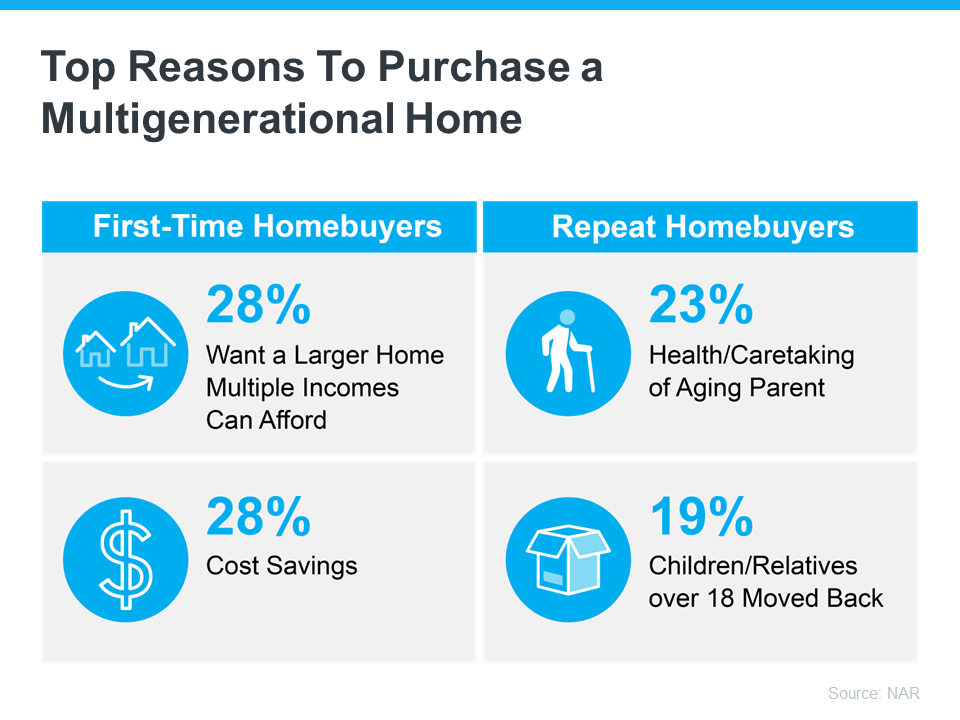
Here’s where things get really interesting. In the past, when families decided to live together across generations, the main reason was usually caregiving. Adult children wanted to be close to aging parents who needed extra support, or grandparents stepped in to help with young grandchildren. And while that’s still a major factor, there’s a new motivation that’s taken the top spot: affordability.
Back in 2015, only about 15% of people buying multi-generational homes said cost savings was their primary reason. Fast forward to today, and that number has jumped to 36%. That’s more than double in less than a decade. What changed? Well, pretty much everything about the housing market.
Home prices have climbed steadily, mortgage rates have fluctuated significantly, and wages haven’t always kept pace with these increases. The result is that many people who would have easily qualified for homes in the past are now finding themselves priced out of the market. It’s frustrating, it’s stressful, and it’s affecting people across all age groups and income levels.
Pooling Resources Makes It Possible
Let’s break down why the multi-generational approach actually works so well from a financial perspective. When you’re trying to buy a home on a single income, or even as a couple, you’re limited by what you can afford based on your combined earnings. Your mortgage lender will look at your income, your debt, and calculate what they’re comfortable lending you. Sometimes that number is lower than what you need to get the home you want in the neighborhood you prefer.
But here’s where the magic happens: when you add another generation into the mix, you’re suddenly pooling multiple incomes. Maybe it’s you and your partner, plus your parents who still work or have retirement income. Or perhaps it’s you and your adult children who have established careers. Whatever the combination, you’re creating a stronger financial profile.
This isn’t just about qualifying for a loan, though that’s certainly part of it. It’s about the day-to-day reality of homeownership. Mortgages are just the beginning. There are property taxes, homeowners insurance, utilities, maintenance costs, and all those unexpected expenses that pop up when you own a home. When these costs are divided among multiple adults, the burden on any single person becomes much more manageable.
Think about it like this: if your monthly housing costs total $3,000, that might feel overwhelming if you’re shouldering it alone or splitting it just with a spouse. But divide that same $3,000 among four adults, and suddenly each person is only responsible for $750. That’s a game-changer for most family budgets.
Beyond the Payments
Here’s something else that’s pretty exciting about this arrangement: it might allow you to upgrade to a larger home than you could have afforded otherwise. When lenders look at multiple incomes, they can approve you for a bigger loan amount. This means more square footage, additional bedrooms, maybe an extra bathroom or two, and the space everyone needs to live comfortably without feeling cramped.
This is especially valuable when you consider that multi-generational living works best when everyone has some personal space. You’ll want separate bedrooms, possibly separate living areas, and ideally a floor plan that gives each generation a bit of privacy while still allowing for family time. A larger home makes all of this possible in a way that a smaller, more affordable single-family home might not.
And here’s the kicker: even with that larger, nicer home, you might still be paying less per person than you would if everyone was living separately in smaller places. It’s one of those rare situations where you actually get more for less.
The Sandwich Generation Solution
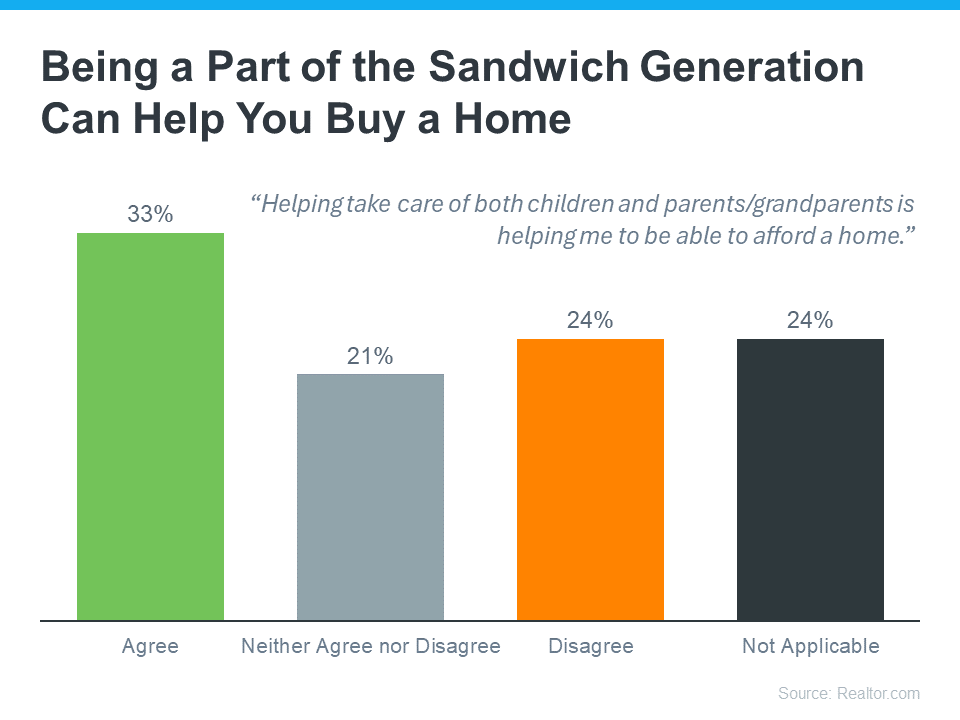
Have you ever heard the term “Sandwich Generation”? It refers to people who find themselves caring for both their children and their aging parents at the same time. If you’re nodding your head right now, you know exactly how challenging this can be. You’re pulled in multiple directions, trying to be there for your kids while also making sure your parents are okay. It’s exhausting, emotionally draining, and often financially straining.
Research shows that roughly one in six Americans falls into this category. That’s a lot of people juggling multiple caregiving responsibilities. But here’s an interesting finding: about a third of people in the Sandwich Generation say that their situation has actually made it easier for them to afford a home. How is that possible?
Well, when everyone lives together, there are some pretty significant advantages. If your parents contribute to the mortgage or help with other household expenses, that’s money you’re not spending entirely on your own. If your grandparents are home and can help watch the kids, you’re potentially saving hundreds or even thousands of dollars per month on childcare costs. For many families, these savings make the difference between being able to buy a home and continuing to rent.
The Non-Financial Benefits That Matter Just As Much
Look, we’ve talked a lot about money because, let’s be honest, that’s a huge factor in housing decisions. But there’s so much more to the multi-generational living story than just the financial angle.
When your parents or grandparents live with you, caregiving becomes so much easier. You’re not driving across town multiple times a week to check on them, help with medication, or take them to appointments. You’re right there, able to help when needed and enjoy their company when you’re not in full caregiving mode. For many families, this peace of mind is priceless.
There’s also something beautiful about the quality time aspect. In our busy, scattered lives, it’s easy for family connections to become limited to holiday gatherings and occasional phone calls. When you live together, you get those everyday moments. Your kids eat breakfast with their grandparents. You can share a cup of coffee with your adult daughter before everyone heads to work. Your aging parents get to see their grandchildren grow up, not through photos sent via text, but in real-time, right in front of them.
This kind of togetherness creates stronger bonds and more memories. Research has shown that older adults who live with family often experience better mental health outcomes. They feel more connected, less isolated, and more purposeful when they’re part of the daily rhythm of family life. For children growing up in multi-generational homes, the benefits are equally significant. They develop closer relationships with grandparents, learn to respect and care for older family members, and gain wisdom from multiple generations.
Finding the Right Home
Now, here’s where things can get a bit tricky. Finding a home that works for two, three, or even four generations isn’t quite as simple as your typical house hunt. You’ve got more people involved, which means more opinions, more needs, and more must-haves on your list.
You’ll want to think about things like bedroom placement. Maybe your elderly parents need a bedroom on the ground floor because stairs are becoming difficult. Perhaps your adult children want their bedrooms on a separate level for privacy. You might need multiple bathrooms to avoid morning traffic jams. Some families look for homes with separate living spaces, like a basement suite or an in-law apartment, that allow for independence while still being under the same roof.
Accessibility is another crucial consideration. If you’re planning for aging parents to live with you long-term, you’ll want to think about features like wider doorways for wheelchairs or walkers, grab bars in bathrooms, a step-free entrance, and maybe even a bedroom and bathroom on the main floor. Planning for these needs now can save expensive renovations later.
The kitchen and common areas matter too. Can everyone gather comfortably for meals? Is there enough seating? Do you have adequate storage for everyone’s belongings? These practical questions might seem mundane, but they make a huge difference in how well multi-generational living actually works day-to-day.
Working with a Real Estate Agent Who Gets It
This is where having the right real estate agent becomes absolutely essential. Not every agent has experience with multi-generational home searches, and the learning curve can be steep. You want someone who understands the unique challenges and can help navigate them efficiently.
A skilled agent will help you identify properties with the right layout before you even schedule a showing. They’ll know which neighborhoods have larger homes that fit your budget when you’re pooling resources. They can point out features you might not have thought about, like whether a basement could be finished to create additional living space, or if a property has the right zoning for adding an accessory dwelling unit in the future.
Your agent can also help facilitate conversations when multiple family members are involved in the decision-making process. When you’ve got parents, adult children, and maybe even grandparents all weighing in on properties, having a neutral professional who can keep everyone focused on the priorities is incredibly valuable.
The Momentum Behind This Trend
Here’s something that suggests this isn’t just a temporary blip: nearly three in ten homebuyers say they’re planning to purchase a multi-generational home. That’s 28% of people actively looking at real estate who are considering this option. These aren’t just people dreaming about it casually. These are buyers who are serious enough about homeownership to be out there looking, and they’re specifically interested in multi-generational properties.
What does this tell us? The trend isn’t slowing down. If anything, it’s gaining steam. As more families see friends and relatives successfully navigate multi-generational living, and as housing affordability continues to be a challenge, we’re likely to see these numbers grow even more.
The pandemic accelerated this trend too. When everyone was stuck at home, many families reevaluated what home meant to them. People who had been living far from aging parents suddenly felt the distance more acutely. Young adults who had been living on their own found themselves reassessing whether that independence was worth the financial strain. Families started asking bigger questions about what really mattered.
Making a Decision That’s Right for Your Family
So, is multi-generational living right for you? That’s a question only you and your family can answer. It requires honest conversations about expectations, boundaries, and how you’ll handle the inevitable challenges that come with multiple adults living together.
You’ll want to talk through the practical stuff: how will you split expenses? Who’s responsible for what household tasks? How will you handle different parenting styles if grandparents are living with grandchildren? What about privacy and personal space? These conversations might feel awkward, but having them before you move in together can prevent a lot of conflict down the road.
Consider the personalities involved too. Some families thrive in close quarters, while others need more independence. Some people are natural caregivers who find joy in helping aging parents, while others might find it stressful despite having good intentions. There’s no judgment either way, but being realistic about your family dynamics will help you make the best decision.
Financial Reality Checks
Let’s get specific about the money side for a moment. When you’re evaluating whether multi-generational living makes financial sense, sit down and run the actual numbers. Calculate what everyone is currently spending on housing separately. Add up rent or mortgage payments, utilities, internet, streaming services, groceries, and all those other costs that come with maintaining a household.
Now compare that to what it would look like if you were all living together. Factor in a larger home that could accommodate everyone, but remember to divide those costs among all the contributing adults. In most cases, you’ll find significant savings for everyone involved. These savings can be redirected toward other goals, whether that’s paying down debt, saving for retirement, building an emergency fund, or simply having more breathing room in your monthly budget.
When Multi-Gen Living Becomes a Long-Term Strategy
For some families, multi-generational living starts as a temporary solution but evolves into a permanent lifestyle choice. Maybe adult children move in to save for their own down payment, but they end up loving the arrangement and staying longer. Perhaps aging parents move in for caregiving reasons, but the family realizes how much they enjoy living together and decides to make it permanent.
This evolution is natural and perfectly okay. The beauty of homeownership is that you can adapt as your needs change. Maybe you start in a smaller multi-generational home and eventually upgrade to something larger. Or perhaps you modify your existing home to better accommodate everyone’s needs. Finishing a basement, adding a bathroom, or converting a garage into living space are all options that families explore as they settle into this lifestyle.
The Future of Housing
The rise in multi-generational living represents more than just individual families making choices about where to live. It reflects a broader shift in how Americans are thinking about housing, family, and community. In many cultures around the world, multi-generational living has always been the norm. The American trend toward nuclear families living separately was actually a relatively recent phenomenon, driven by post-World War II prosperity and cultural shifts.
In some ways, we’re coming full circle, rediscovering the benefits that previous generations knew well. But we’re doing it with a modern twist, combining traditional family structures with contemporary sensibilities about privacy, independence, and personal space.
As housing continues to be a challenge in many markets, multi-generational living offers a practical solution that also happens to bring families closer together. It’s efficient, it’s economical, and for many families, it’s emotionally fulfilling in ways they didn’t expect.
Taking the First Step
If you’re reading this and thinking, “Hey, this might actually work for my family,” the next step is simple: start the conversation. Talk to your family members about the possibility. Gauge their interest and openness to the idea. Discuss the pros and cons honestly.
Then, reach out to a local real estate agent who has experience with multi-generational home searches. They can help you understand what’s available in your market, what your pooled resources can afford, and what the process would look like. You might be surprised to find that homeownership is more achievable than you thought when you team up with your loved ones.
Remember, there’s no one-size-fits-all approach to housing. What works beautifully for one family might not be the right fit for another. But for the growing number of families who are choosing multi-generational living, it’s proving to be a solution that addresses both the practical challenges of today’s housing market and the timeless human need for connection and family.
Whether your motivation is primarily financial, caregiving-focused, or simply about wanting to live closer to the people you love, multi-generational homes offer a path forward that’s worth considering. In a housing market that often feels impossibly difficult to navigate, it’s refreshing to find an option that actually makes things easier while bringing families together.
The question isn’t whether multi-generational living is a trend that will stick around. The data suggests it’s here to stay. The real question is whether it might be the right choice for you and your family. And that’s a conversation worth having.