
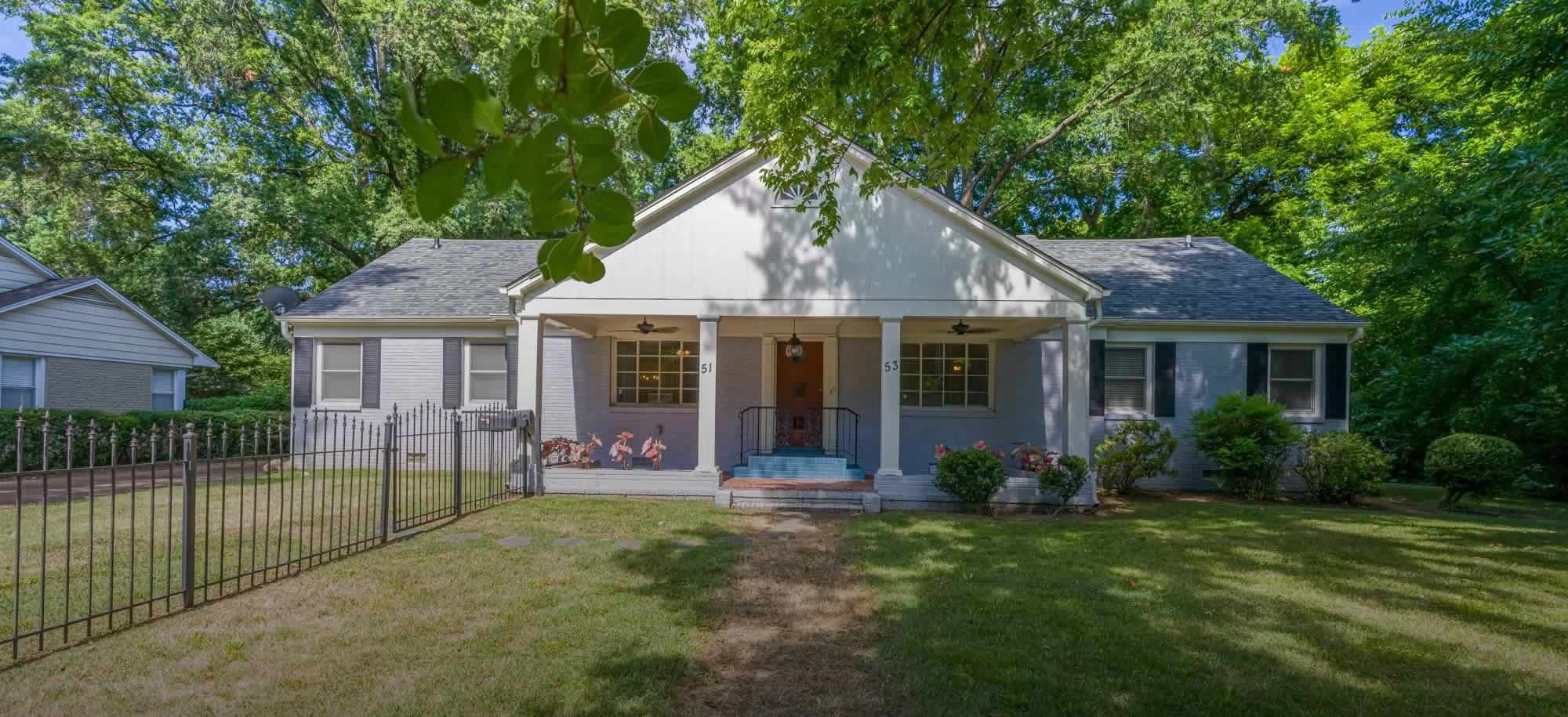
The call usually comes at a bad time, and the house is the last thing you’re thinking about. Then a few weeks pass and it becomes the first thing. A parent’s home in Germantown or Collierville, bought in the 1980s or 90s, paid off or close to it, sitting there with the thermostat still set the way they liked it.
If you’re selling an inherited house in Germantown TN, or in Collierville, you’re in a better position than most heirs in the country. These are neighborhoods where buyers are waiting, where the lot and the school zone carry real value even when the kitchen doesn’t, and where the tax rules tend to work in your favor. You still have to get the order of operations right, and that’s what this post is about.
We’re real estate agents, not attorneys or accountants, so treat the legal and tax parts as a map of what to ask, and take the questions to a Shelby County probate attorney and a CPA. And nothing here is urgent this week. The house isn’t going anywhere.
The first thirty days
Slow down and secure things. That’s the whole job for the first month.
Change the locks if more than a couple of people had keys. Keep the utilities on; a house with no power in a Memphis August grows mold fast, and a house with no heat in January bursts pipes. Forward the mail so you catch the bills and the statements you don’t know exist yet.
Call the homeowner’s insurance company. Most policies restrict coverage once a house has been empty for 30 to 60 days, and an empty house is exactly when you need the coverage. Ask what a vacancy endorsement costs. While you’re at it, find the deed, any mortgage statement, the latest property tax bill, and the will.
Then the hard part: don’t clear the house out yet. Until you know who has legal authority over the estate, you don’t know who gets to decide what happens to the contents. Families have fallen apart over a dining room table that one sibling hauled to Goodwill in week two.
Who can legally sell the house
In Tennessee, ownership of real estate generally passes to the heirs at the moment of death, either through the will or, without a will, through the state’s intestacy rules. That sounds like you can sell right away. In practice, a title company will almost always want to see court paperwork before it insures the sale, which means some form of probate in Shelby County Probate Court.
If there’s a will, it names an executor (Tennessee calls them the personal representative) and that person petitions the court to open the estate. If the will only needs to pass real estate and there’s nothing else to administer, Tennessee has a shorter route where the will is probated as a “muniment of title” without a full administration. Your attorney will know in five minutes whether the estate qualifies. Tennessee’s small-estate affidavit is a separate shortcut, and it generally covers personal property under a set dollar limit, not the house.
Without a will, the court appoints an administrator and the house goes to the heirs the statute names, which for a widowed parent usually means the children in equal shares. That’s where sibling ownership begins, and we’ll get to it.
If the house was held in a living trust, the trustee can typically sell without probate at all, which is why a lot of Germantown families set one up. And as of this writing, Tennessee doesn’t offer a transfer-on-death deed for real estate, so if a well-meaning friend says “just file the TOD form,” that’s another state’s advice.
Expect the court process to take a few months before you can close, partly because Tennessee gives creditors a window to file claims against the estate. You can list and market the house during that time.
The tax break most heirs don’t know about
When you inherit a house, the IRS resets its cost basis to the fair market value on the date of death. Accountants call it the stepped-up basis. Say your parents bought a house on a cul-de-sac off Poplar Pike in 1988 for $180,000, and it’s worth $520,000 the month they passed. If you sell it soon after for $520,000, your taxable gain is roughly zero. The $340,000 of appreciation they watched happen over four decades drops out of the tax math entirely. Those figures are illustrative, but the mechanism is real, and it’s why heirs who sell within the first year or so rarely owe capital gains tax on a parent’s home. Inherited property also counts as a long-term holding no matter how quickly you sell.
The basis only steps up once, and it’s tied to that date-of-death value. Which brings us to the single most useful thing in this post: get a date-of-death appraisal from a licensed appraiser, even if you plan to keep the house for a while. It’s a few hundred dollars. It documents your basis, it settles arguments between siblings about what the house is worth, and it’s the number every professional in this process will ask you for. We’d tell every heir to order one in the first month, before anyone has an opinion about price.
On the estate side, Tennessee repealed its inheritance tax for deaths after 2015, and there’s no state estate tax either. The federal estate tax only reaches estates worth many millions of dollars, so for most Germantown and Collierville families the house passes without an estate tax bill. Hold it for years and the gain above that stepped-up number becomes taxable when you sell, unless you move in and make it your own primary residence long enough to qualify for the homeowner exclusion. A CPA can run your specific situation.
If there’s still a mortgage
An unpaid mortgage doesn’t mean the house has to be sold immediately. Under federal law, a lender generally can’t call a loan due just because the borrower died and the home transferred to a relative. You can keep paying it while the estate is settled, and the servicer has to work with you as a “successor in interest,” which lets you get statements and talk to them even if you’re not on the loan.
Reverse mortgages are the exception. When the last borrower dies, the loan comes due, and heirs typically get a limited window, often around six months with extensions available, to sell the house, refinance it, or pay the balance. If a parent had a reverse mortgage, call the servicer in the first two weeks and ask for the payoff and the deadline in writing.
Property taxes keep coming too. Germantown and Collierville homeowners get two bills, one from Shelby County and one from the city, and any senior tax freeze or tax relief your parent qualified for ends with them. The bill on a house that’s been frozen for a decade can jump when it resets to the current rate and assessment. If you want to see how those two bills work, we broke it down in our guide to property taxes in Germantown and Shelby County.
When you inherited it with your siblings
Three names on the deed, three opinions about the house. This is the situation that stalls more inherited sales than probate ever does.
The cleanest resolution is a buyout. One sibling wants to keep the house, the appraisal sets the number, and they pay the others their share, usually by getting a mortgage on the property in their own name. The date-of-death appraisal is what makes this work without a fight, because it’s an outside number nobody picked.
If nobody wants it, you sell and split the net proceeds. A house held jointly by heirs sells like any other house; the difference is that every co-owner signs the listing agreement and the closing documents, so decide up front who’s the point of contact for the agent and how decisions get made. A group text that needs three yeses for every showing feedback email will wear everyone out by week four.
The ugly path is a partition action, where one co-owner asks the court to force a sale because the others won’t agree. It works, and it turns the family into litigants for a year. In our experience, most families who end up there could have avoided it with one appraisal and one honest conversation in the first month.
Sell it as-is or fix it first
Somebody will tell you the house needs a full renovation before it can sell. In Germantown and Collierville, that’s usually wrong.
These suburbs have a deep pool of buyers who want in for the schools and the lot, and a fair number of them are happy to buy a well-built 1980s house with an original kitchen if the price reflects it. What they won’t tolerate is deferred maintenance they can’t see the bottom of: a roof at the end of its life, an HVAC system from the Clinton administration, foundation movement in the east-metro clay, a wet crawlspace. Fix or price for the things an inspector will flag; we covered the ones that scare buyers off in our post on home inspection red flags.
What’s worth doing is the cheap stuff. Clear the house completely, deep clean, paint the wood-paneled den, pull the carpet if there’s hardwood under it, and let the light in. A cosmetic refresh in one of these neighborhoods often returns more than it costs. A gut remodel almost never does when you’re selling right after, because you’re guessing at a stranger’s taste. Our list of home upgrades that help sell your house is the right scope for an inherited home.
On the contents: an estate sale company will handle a full house for a percentage of the proceeds and leave you with a clean-out list. Just settle who owns what before the tags go on.

Renting it out instead
Some heirs look at a paid-off house in a top school district and think landlord. It’s a legitimate option in these suburbs, and we wrote the honest version of the math in buying a rental property in Germantown or Collierville. The short version: strong tenants, thin cash flow, real appreciation.
Inheritance adds a couple of cautions. Tennessee doesn’t give owner-occupants a property tax discount, so the bills don’t shrink when it becomes a rental, and they’ll have already reset from any senior freeze. And renting complicates a later sale between siblings, because now there’s a lease and a tenant with rights in the middle of a family decision. If you’re on the fence, our guide to whether to rent your house or sell it applies here, with the added wrinkle that you’re not the one who chose the house.
Pricing a house nobody has bought in forty years
Inherited homes get mispriced in both directions. Out-of-town heirs anchor on the number their parents mentioned at Thanksgiving, usually a Zestimate from three years ago. Local heirs anchor on what the renovated house down the street sold for, and forget theirs has the original bathrooms.
The right comps for a dated house are other dated houses in the same neighborhood. In Germantown and Collierville, the same floor plan in Forest Hill or Halle Plantation can sell for very different prices depending on whether the kitchen has been touched, and a good agent will show you both sets of comps side by side instead of averaging them. Overpricing an as-is house costs more here than elsewhere, because the buyers who want a project want a deal, and the buyers who want move-in-ready won’t come look. We wrote about the pricing mistake that costs sellers, and inherited homes are where we see it most.
Closing costs come out of the proceeds like any other sale: commission, title fees, and a prorated share of those two property tax bills. Our breakdown of what sellers pay in closing costs in the Memphis area is worth a read before you tell your siblings what the check will be.

Slow for a month, then decisive
Almost every inherited-home sale that goes badly went badly because someone moved fast in the first month and slow after that. Somebody cleared the house before the will was read, or listed it before probate opened, or priced it off a memory, and then the family spent a year untangling it.
Flip that. Spend the first month securing the house, ordering the appraisal, and getting a probate attorney to tell you who can sign. Then, once the authority and the number are settled, move with purpose: decide sell, keep, or rent, and do it.
If you’ve inherited a house in Germantown or Collierville and don’t know where to start, talk to us. We’ll walk through the house with you, pull the right comps for its condition, and tell you honestly what it would bring as-is versus with a light refresh. There’s no charge for the conversation.