

(Updated 8/03/26)
Ask ten people the best time to buy a house and you’ll hear ten confident answers. Spring, because that’s when the houses are. January, because that’s when the deals are. Whenever rates dip. Whenever you’re ready.
The honest answer for Memphis is that the calendar gives you real advantages, but different ones in different seasons, and the right month depends on which advantage you need. If your priority is price, winter is your friend. If it’s choice, spring. If you want a bit of both, fall is quietly the best-kept secret in the local market. We work all four seasons, and each one has a personality worth knowing before you start your search.
What the seasons do to the Memphis market
Memphis follows the national rhythm: listings swell in spring, peak in early summer, thin out through fall, and hit bottom around the holidays. Buyer traffic follows the same curve, and that’s the part people miss. The number of homes matters less than the ratio of buyers to homes, because that ratio is what decides whether you’re negotiating or competing.
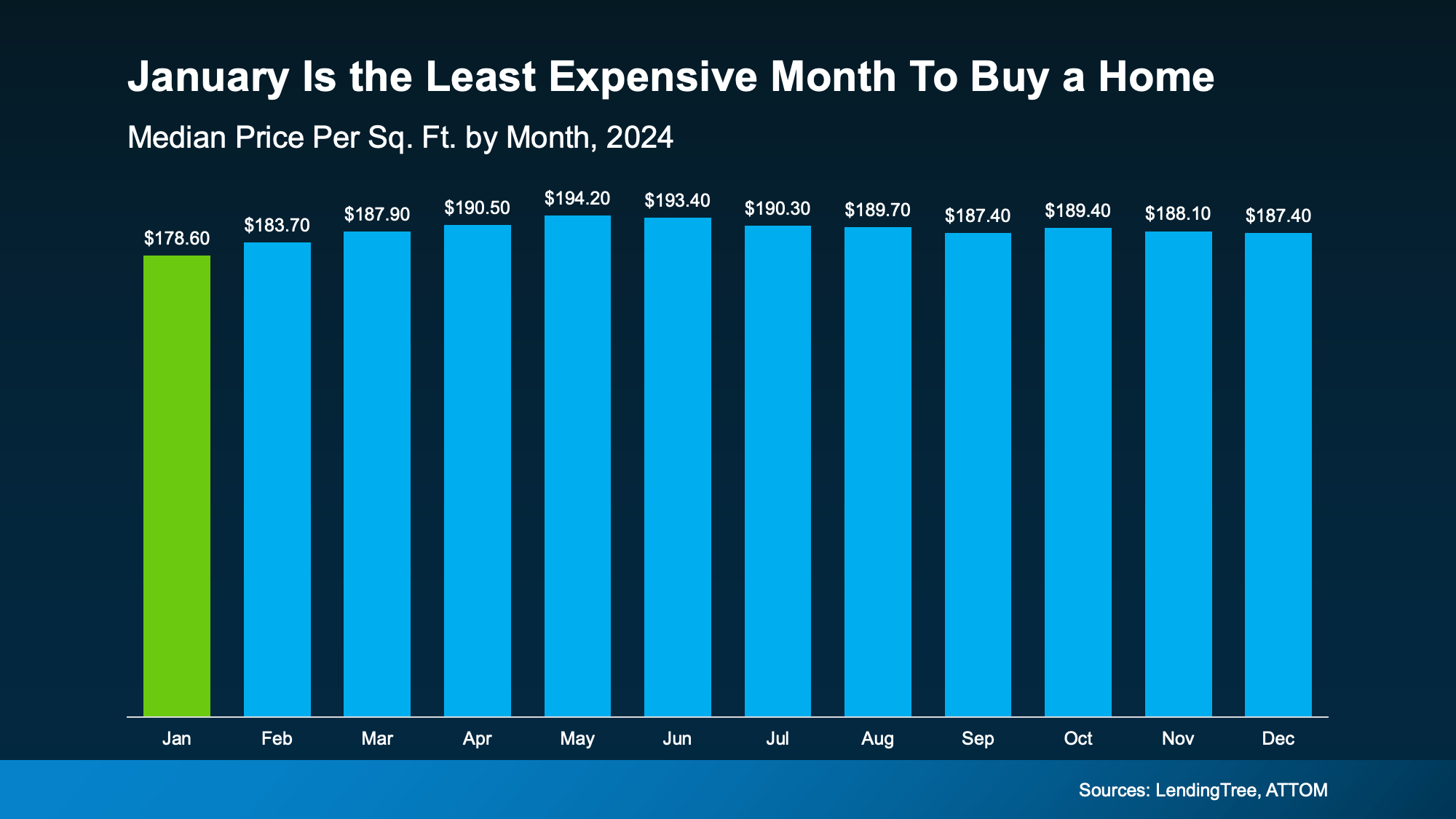
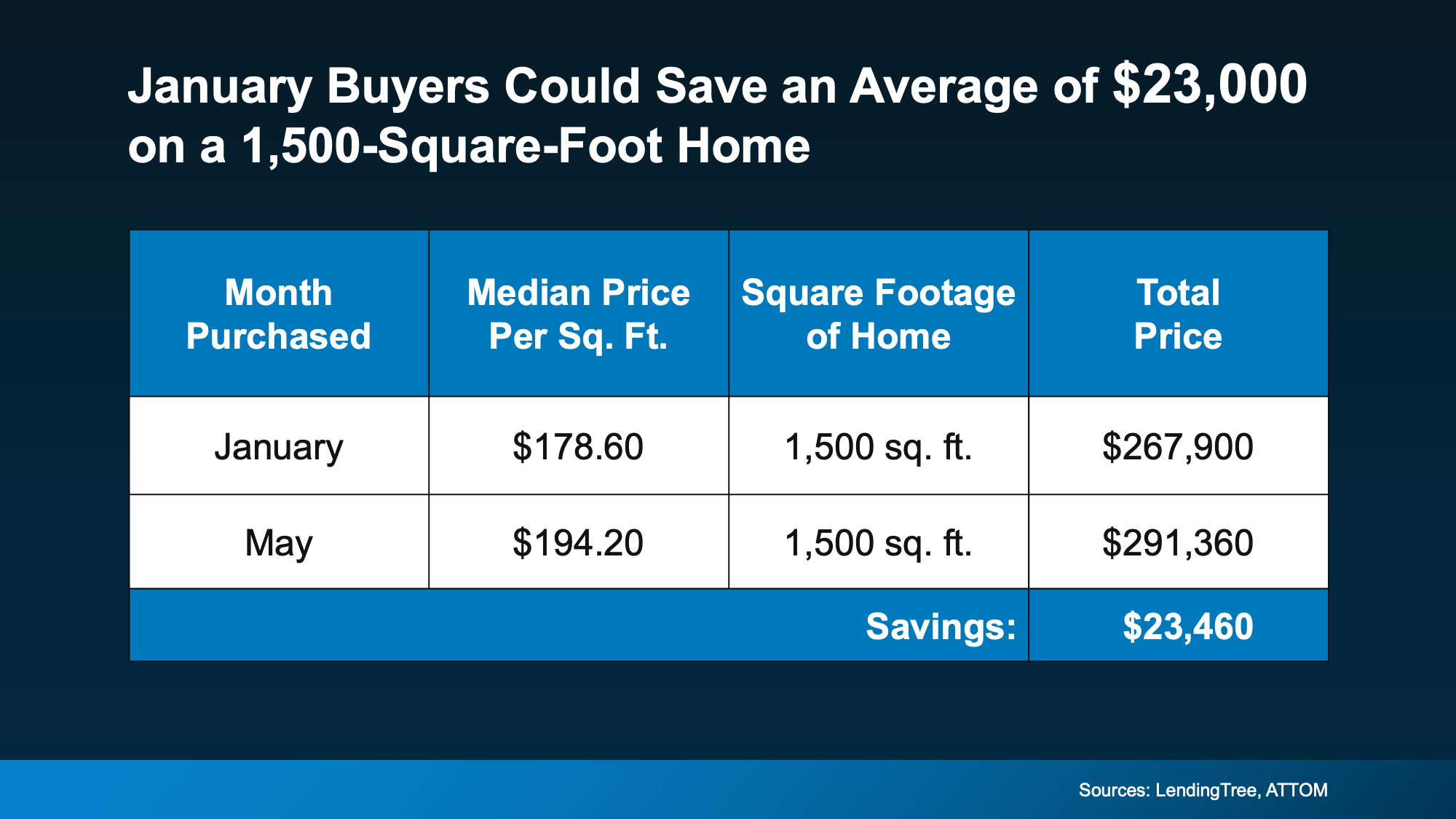
Seasonality is real, but it’s a thumb on the scale, not a magic discount. The gap between the best and worst month to close is typically a few percent on price, not twenty. What changes more dramatically is everything around the price: how many offers you’re up against, how willing sellers are to cover closing costs or repairs, and how much time you get to think before someone else buys the house.
Winter, when buyers hold the leverage
December through February is the quietest stretch of the Memphis market, and quiet is exactly what a price-focused buyer wants.
Most buyers disappear over the holidays and stay gone until spring. The sellers still listed in January are usually there for a reason: a job relocation, an estate, a house that didn’t move in the fall. Motivated sellers plus empty open houses is the best negotiating setup the calendar ever hands you. This is when we see closing cost credits, repair concessions, and below-ask offers accepted with the least resistance, the kind of terms that take a bidding war to get anywhere near in May.
The trade-off is selection. Winter inventory is the year’s thinnest, so you’re choosing from fewer homes and some compromise is likely. Showings in the cold have an upside people forget, though: you’re seeing every house at its worst. Drafty windows, a struggling furnace, and standing water in the yard all show themselves in January in a way they never will at a June open house.
Spring, when the market gives you choice
March through May is when Memphis inventory blooms. Families list so they can close before the next school year, and for a few months you’ll have the widest selection of the year in nearly every neighborhood and price point.
Spring is the right season for buyers with specific needs. If you’re set on a particular school zone or a floor plan that rarely comes up, your odds of finding it are simply better when the most homes are for sale. Our home buyer’s guide to Bartlett is a good example of the kind of targeted search where spring selection pays off.
The bill for that selection is competition. Every buyer who hibernated all winter shows up at the same open houses you do, and well-priced homes in popular areas draw multiple offers within days. You’ll pay closer to asking, sometimes over it, and you’ll have less room to ask for concessions. If you’re shopping in spring, go in prepared: we wrote a full playbook on winning against multiple offers without overpaying, and spring is the season it earns its keep.
Summer, the family-move window
June and July run on the school calendar. Inventory stays strong, closings peak, and families race to be unpacked before the first bell. Competition stays real but eases a notch from the spring frenzy, especially on homes that have been listed for a few weeks.
Late summer is where it gets interesting for bargain hunters. A house that hit the market in April and hasn’t sold by August has a tired seller behind it, and price cuts cluster in this stretch. Watching days-on-market becomes a strategy in itself: the longer a home has sat through the busy season, the more conversation there is to be had about price and terms.
Fall, the sweet spot most buyers skip
September through November might be the best overall value on the Memphis calendar, and it’s the season fewest buyers plan around.
The spring and summer crowds are gone, but the market hasn’t emptied out the way it does in December. You get a workable amount of inventory, including summer listings whose sellers are now genuinely motivated, with a fraction of the competition. Sellers who want to be done before the holidays negotiate like it. For buyers who want decent selection and real leverage at the same time, fall is the compromise season that doesn’t feel like much of a compromise.
A month-by-month cheat sheet
| Months | What you get | What it costs you |
|---|---|---|
| Dec–Feb | Max negotiating leverage, motivated sellers | Thinnest selection of the year |
| Mar–May | Widest selection, new listings daily | Most competition, strongest prices |
| Jun–Jul | Strong inventory, school-calendar timing | Competition still real |
| Aug | Price cuts on stale summer listings | Selection starting to thin |
| Sep–Nov | Leverage plus workable inventory | Fewer brand-new listings each week |
The best season for your situation
A first-time buyer with flexibility on timing gets the most from winter and fall, when there’s room to negotiate and time to think. Start with our guide to buying your first home in Memphis, and whatever season you choose, get pre-approved before you start the house hunt. In winter it makes you the serious buyer in a quiet market; in spring it’s the ticket that gets your offer read at all.
A family targeting a school district should lean spring, accept the competition, and win on preparation. And if you have a house to sell first, the seasons cut both ways, since the market you’re selling into is the same one you’re buying from. We covered how to sequence that in selling and buying at the same time.

Pick your season, then work it
The calendar deals every buyer a different hand, but any season works when you play it for what it offers: leverage in the winter, selection in the spring, tired listings in late summer, balance in the fall. What doesn’t work is waiting for a perfect month that the data says doesn’t exist.
If you tell us what you’re optimizing for, we can tell you when your market is, and what it looks like in the neighborhoods you care about right now. Reach out to the team and we’ll map it out together.