
(Updated 11/7/25)
Finding your dream home can feel like searching for a needle in a haystack these days. With the housing market still tight and available properties limited, many buyers are finding themselves stuck in the endless loop of browsing listings that just don’t quite fit. But here’s something you might not have considered: newly built homes are becoming a much bigger slice of the housing pie than they’ve been in years.
If you’ve been feeling frustrated by the lack of options in the traditional housing market, exploring new construction might be exactly what you need. Think of it as opening a door you didn’t know was there. Instead of competing with multiple offers on existing homes or settling for something that’s “good enough,” you could be looking at brand-new properties that might even let you customize features to your liking.
The thing is, buying a newly built home isn’t quite the same as purchasing an existing property from a homeowner. There’s a different process, different players involved, and honestly, a few different things you need to know to protect yourself and make smart decisions. That’s what we’re going to walk through together.
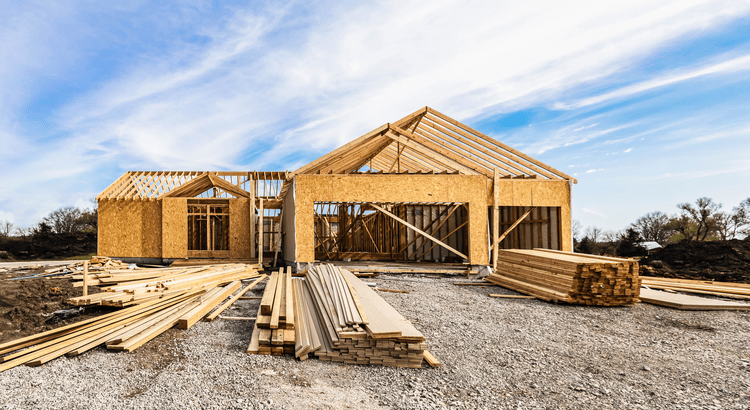
New Construction Deserves Your Attention
Let’s talk about what’s actually happening in the housing market. If you’ve been house hunting lately, you’ve probably noticed that pickings are slim. The inventory of existing homes available for sale is still sitting at roughly half of what it was back in 2019. That’s not a typo—we’re talking about half the options.
Meanwhile, builders have been ramping up construction in a big way. After years of underbuilding following the 2008 housing crash, they’re finally hitting their stride again. New residential completions, which is basically a fancy way of saying “finished homes ready to move into,” are now matching long-term historical averages. For the first time in over a decade, builders are constructing homes at a pace that’s keeping up with what the market actually needs.
What does this mean for you as a buyer? More options. Plain and simple. Newly built homes now make up a larger percentage of available inventory than we’ve seen in recent memory. Plus, builders are also breaking ground on even more properties, which means this trend is likely to continue.
Here’s another bonus: depending on where you are in your timeline, you might be able to move into a recently completed home pretty quickly. Or, if you’ve got a bit more flexibility and want to put your own stamp on things, you could buy a home that’s still under construction and have a say in finishes, fixtures, and features.
The Builder’s Representative Isn’t Your Representative
When you walk into a new construction sales office, you’ll typically meet a friendly, knowledgeable sales agent. They’ll show you floor plans, walk you through model homes, and answer all your questions about the community. They’re great at what they do, but here’s the thing you absolutely need to understand: they work for the builder, not for you.
This isn’t meant to sound ominous or suggest that these folks aren’t honest people. They are. But their primary responsibility is to their employer, the builder. Their job is to sell homes for that builder and represent that builder’s interests. That’s just the reality of the situation.
Think about it this way: if you’re buying a car, you wouldn’t rely solely on the dealership’s salesperson to tell you whether you’re getting a good deal, right? You’d probably do your own research, maybe bring along someone who knows cars, or at least go in with a clear understanding of what you should be paying. The same principle applies here.
This is exactly why having your own representation matters so much. When you bring your own real estate agent to the table, you have someone whose sole job is to look out for you. They’re focused on your interests, your concerns, and your goals. That balance of representation can make a significant difference in how the entire process unfolds.
How Your Agent Becomes Your Secret Weapon
Let’s break down the specific ways a real estate agent becomes invaluable when you’re venturing into new construction territory.
They Know What’s Coming Down the Pipeline
Your agent doesn’t just know the neighborhood as it exists today. They’re tuned into what’s being planned, what’s been proposed, and what developments might be on the horizon. Imagine falling in love with a property that backs up to a peaceful wooded area, only to find out six months after you close that a major highway is planned right through those trees. Your agent can help you avoid that kind of surprise.
They’re also familiar with how different neighborhoods are evolving. Maybe one area is becoming increasingly popular with young families, which could mean more schools and family-friendly amenities coming soon. Or perhaps another community is seeing a lot of investment in infrastructure and retail. This kind of insight helps you make a more informed decision about not just the house itself, but the entire area you’ll be calling home.
Your agent can even review the builder’s site plan with you, pointing out things you might not think to look for. Are there plans for retention ponds? What about that empty lot next door? Is commercial development planned nearby? These details matter when you’re thinking about your quality of life and your home’s future value.

They’ve Got the Inside Scoop on Builders
Not all builders are created equal. Some have stellar reputations for quality construction and responsive customer service. Others… well, let’s just say they might have a history of cutting corners or being difficult to work with after the sale closes.
Your real estate agent has worked with multiple builders in the area and has likely heard feedback from other buyers. They know which companies consistently deliver well-built homes and which ones tend to have issues. They’re aware of which builders are responsive when problems arise and which ones are harder to pin down for warranty work.
This kind of knowledge is gold. It can help you avoid potential headaches and focus on builders with proven track records. Your agent might know, for instance, that Builder A uses higher-quality HVAC systems or that Builder B has had complaints about foundation issues. That’s information you’re not going to find in a glossy sales brochure.
They Guide You Through the Customization Maze
One of the most exciting parts of buying new construction is the ability to customize your home. Want quartz countertops instead of granite? Prefer hardwood floors over carpet? Need an extra outlet in the garage for your workshop? In many cases, you can make these choices.
But here’s where it gets tricky: not all upgrades are worth the cost. Some will give you a great return on investment, while others might be overpriced for what you’re actually getting. Your agent can help you navigate these decisions with an eye toward both your immediate wants and your long-term financial picture.
For example, upgrading to better insulation or a more efficient HVAC system might not be as visually exciting as fancy light fixtures, but it’ll save you money on energy bills and appeal to future buyers if you ever sell. On the flip side, some cosmetic upgrades can be done more affordably after you move in, so why pay builder markup?
Your agent acts as a sounding board, helping you prioritize which customizations make the most sense for your budget and your goals. They’ve seen enough transactions to know what typically adds value and what doesn’t move the needle.
They’re Your Advocate in Negotiations
Builder contracts are not the same as traditional purchase agreements for existing homes. They’re often longer, more complex, and heavily weighted in favor of the builder. That makes sense from the builder’s perspective, but it means you need someone who can break down what you’re actually agreeing to.
Your agent will review these contracts with you, explaining the terms in plain English and flagging anything that should give you pause. They’ll make sure you understand things like timeline contingencies, what happens if construction is delayed, how change orders work, and what your recourse is if something goes wrong.
But they’re not just there to explain paperwork. They’re also skilled negotiators who can potentially secure better terms for you. Maybe that means negotiating for upgraded appliances at no extra cost, or getting the builder to cover certain closing costs. Perhaps it’s negotiating a more favorable contingency if you need to sell your current home first. Your agent knows what’s negotiable and how to ask for it in a way that’s most likely to succeed.
The Smart Way to Start Your New Construction Journey
So you’re sold on the idea of exploring new construction. Great! But where do you actually begin? Let’s walk through a smart approach.
Find the Right Agent First
Before you set foot in any builder’s sales office, connect with a real estate agent who has experience with new construction. This timing matters more than you might think. If you visit a builder’s sales office before you have your own representation and you sign in or provide your contact information, that builder might not work with your agent later. Some builders consider you their direct client at that point.
Look for an agent who specializes in or has significant experience with new construction. The process is different enough from traditional home sales that you want someone who really knows the ropes. They should be familiar with local builders, understand construction timelines, and be well-versed in reviewing builder contracts.
Ask potential agents about their experience with new builds. How many new construction transactions have they handled? Can they provide references from buyers they’ve represented in new construction purchases? What builders do they have experience working with? These questions will help you find someone who can truly guide you through the process.
Understanding What You’re Working With
Once you have an agent, they can help you understand the full landscape of new construction options in your area. This includes homes in various stages of completion.
There are move-in-ready homes that were just completed. These are great if you need to relocate quickly or if you’re not particularly interested in customization. You can often move in within a few weeks of closing, and what you see is what you get.
Then there are homes currently under construction. These might be anywhere from foundation stage to nearly finished. Depending on how far along they are, you might have some say in finishes and fixtures, though probably not major structural elements. These typically have a clearer timeline than starting from scratch.
Finally, there are to-be-built homes where you’re essentially starting with a blank slate. You pick your lot and floor plan, and then you’re involved throughout the construction process. This gives you maximum customization options but requires the most patience, typically taking anywhere from six months to over a year from contract to move-in.
Your agent can help you evaluate which option makes the most sense given your timeline, budget, and desire for customization.
Do Your Homework on Neighborhoods
Even with a new home, location still matters immensely. Actually, it might matter even more because you’re making a significant investment in an area’s future, not just its present.
Work with your agent to research different communities where new construction is happening. Visit these areas at different times of day and on different days of the week. How’s the traffic during rush hour? What’s the neighborhood like on a Saturday afternoon? Are there amenities like parks, shopping, and restaurants nearby?
Think about your daily routine and what would make life easier or more enjoyable. If you commute to an office, how long would the drive be? If you have kids or plan to, what are the schools like? If you work from home, is there good infrastructure like reliable internet?
Your agent can provide data on things like school ratings, crime statistics, and future development plans, but nothing beats physically spending time in an area to get a feel for it.
Review the Builder’s Previous Work
Before you get too far down the road with any particular builder, take time to look at their previous projects. Most builders will have completed homes in the area that you can drive by. Your agent might even be able to arrange tours of recently completed homes in the same community.
Pay attention to quality details. How do the homes look a year or two after completion? Are there signs of settling or poor drainage? How do the common areas and landscaping look? This can give you insight into how the builder maintains quality and how the community will age.
If possible, talk to people who’ve bought from this builder before. What was their experience like during construction? Did the builder meet promised timelines? How responsive have they been about warranty issues? Your agent might have connections with past buyers or be able to point you toward online reviews and community forums.
What to Watch Out For
Buying new construction has tons of benefits, but there are also some potential pitfalls to avoid. Let’s talk about the common ones.
Timeline Optimism
Construction timelines are educated guesses, not guarantees. Weather delays, supply chain issues, labor shortages, and inspection findings can all push back your completion date. If you’re planning to sell your current home and time things perfectly, build in a healthy buffer. Your contract should clearly spell out what happens if the builder doesn’t meet the estimated completion date.
Most experienced agents recommend having a backup plan. Maybe that means a temporary living situation, a flexible lease-end date on your current home, or putting some belongings in storage. It’s better to plan for delays and be pleasantly surprised if everything stays on schedule than the other way around.
Change Order Chaos
Once construction is underway, you might be tempted to make changes. “Can we add a window here? Can we upgrade that bathroom fixture?” While some changes are possible, they can get expensive fast and can also delay your completion date.
Change orders, as they’re called, typically come with premium pricing. The builder has already planned out your home’s construction, ordered materials, and scheduled subcontractors. Making changes disrupts that process, and builders charge accordingly. Your agent can help you understand whether a change is truly worth the cost or if it’s something you could tackle after moving in for less money.
Warranty Limitations
New homes typically come with warranties, but it’s crucial to understand what’s actually covered and for how long. There’s usually a tiered system: a shorter warranty for things like paint and finishes, a mid-length warranty for mechanical systems, and a longer structural warranty.
Read the warranty documents carefully with your agent. What process do you need to follow to make a warranty claim? Are there specific maintenance requirements you must follow to keep the warranty valid? What’s explicitly excluded from coverage? Some builders try to limit their warranty obligations significantly, and you want to know that upfront.
Also, understand that the builder’s warranty is separate from any manufacturer warranties on appliances and systems in your home. You’ll want to keep all of this documentation organized.
The Appraisal Question
When you’re buying an existing home, the sale price of comparable homes in the area helps establish value for appraisal purposes. With new construction, especially in a newly developing area, there might not be many comparable sales yet. This can sometimes lead to appraisal issues if the home doesn’t appraise for the contract price.
Your agent should help you understand this risk upfront. If you’re financing your purchase, the lender will require an appraisal, and if it comes in low, you might need to renegotiate with the builder, come up with additional cash, or walk away from the deal depending on your contract terms.
Lot Premium Surprises
When you’re selecting a lot, builders often charge premiums for desirable locations. Corner lots, cul-de-sac lots, lots backing to green space, lots with better views—these all typically cost extra. Make sure you understand the total cost including any lot premiums when you’re evaluating your budget.
Also, consider the practical aspects of different lot locations. That corner lot might cost more and have more yard maintenance. The lot backing to trees might be peaceful but could have drainage considerations. Your agent can help you think through these trade-offs.
Your Financing Options
Financing a new construction home can work a bit differently than financing an existing home, especially if you’re buying before construction is complete.
Construction Loans vs. Traditional Mortgages
If you’re buying a home that’s already built or nearly finished, you’ll typically use a traditional mortgage just like you would for an existing home. But if you’re buying early in the construction process, you might need a construction loan that converts to a permanent mortgage upon completion. This is sometimes called a “construction-to-permanent loan.”
These loans can be more complex because the lender needs to disburse funds in stages as construction progresses. There might be additional inspections and documentation requirements. The interest rate during the construction phase might also differ from your final mortgage rate.
Many builders also have relationships with preferred lenders who offer incentives if you finance through them. These might include covering closing costs, rate discounts, or upgrade credits. However, don’t automatically assume the builder’s preferred lender is offering you the best deal. Your agent can help you shop around and compare offers.
Understanding Earnest Money and Deposits
Builder contracts typically require earnest money deposits, often in stages. You might put down one amount at contract signing, another when you make design selections, and possibly another at certain construction milestones. Make sure you understand when these deposits are due and what conditions would allow you to get them back if you need to cancel the contract.
The contract should spell out specifically what happens to your deposits under various scenarios. Can you get them back if you can’t secure financing? What if the builder doesn’t complete construction within a specified timeframe? What if you simply change your mind? These details matter.
The Final Stretch and Beyond
As construction nears completion, there are some important steps you’ll go through.
Pre-Closing Walkthroughs
You’ll typically do a walkthrough with the builder before closing to identify any issues that need to be addressed. This is sometimes called a “punch list” inspection. Your agent should be with you for this walkthrough, as they can help identify issues you might miss.
Look carefully at everything. Test all the windows and doors. Turn on all the faucets. Flip every light switch. Check the caulking, paint, and trim work. Look for any signs of damage during construction. Make note of anything that’s not complete or doesn’t look right. The builder should address these items before or shortly after closing.
Don’t feel rushed during this walkthrough. This is your chance to make sure everything is as it should be before you take ownership. If something doesn’t seem right, speak up. It’s much easier to get the builder to fix things before closing than after.
The Orientation Session
Many builders conduct an orientation or “homeowner education” session where they walk you through all the systems in your home. They’ll show you how to operate the HVAC system, where your shut-off valves are, how to maintain certain features, and so on.
Pay close attention during this session and take notes. Ask questions about anything you don’t understand. If possible, record video on your phone so you can refer back to it later. This is also a good time to ask about the warranty process and who to contact if issues arise.
Post-Move-In Realities
Here’s something a lot of new homeowners don’t realize: newly constructed homes settle. You might notice small cracks in drywall, nail pops, or minor issues developing in the months after you move in. This is typically normal and covered under your warranty, but it’s good to be aware of it so you don’t panic when it happens.
Most builders offer a walkthrough at the end of your first year to address any settling issues. Document everything throughout your first year and save it for this walkthrough. Take photos of any problems, no matter how minor they seem.
The Bottom Line on New Construction
Buying a newly built home can be an amazing experience. You get to be the first owner, everything is under warranty, you might get to customize features to your liking, and you’re not inheriting someone else’s deferred maintenance or questionable renovation choices.
But it’s definitely a different process than buying an existing home, and having the right guidance makes all the difference. A knowledgeable real estate agent who specializes in new construction becomes your advocate, your advisor, and your safety net throughout the journey.
They’ll help you navigate builder contracts, understand what’s negotiable, avoid common pitfalls, make smart decisions about upgrades, and ensure you’re protecting your interests every step of the way. The builder’s sales agent is great at what they do, but they work for the builder. Your agent works for you.
If you’ve been frustrated by the lack of inventory in the traditional housing market, new construction might open up a world of possibilities you hadn’t considered. With builders finally ramping up production to meet demand, now is actually a great time to explore this option.
The key is to approach it strategically. Do your homework, ask lots of questions, take your time with decisions, and lean on the expertise of a qualified real estate professional who’s been down this road many times before. With the right preparation and the right team, you could be unlocking the door to your dream home before you know it.
Whether you’re drawn to the idea of customizing every detail or you simply want the peace of mind that comes with a new home warranty and modern systems, new construction deserves a spot on your radar. Your perfect home might not be one that’s already been lived in—it might be one that’s being built right now, just waiting for you to make it yours.
Remember, this is likely one of the biggest financial decisions you’ll make. Taking the time to do it right, with proper representation and careful consideration, isn’t just smart—it’s essential. So before you take that first step into a builder’s sales office, make sure you’ve got your own agent by your side. Your future self will thank you.