
(Updated 10/3/25)
With everything getting pricier these days – from groceries to gas – you might be thinking this isn’t the right time to tackle home projects. But here’s the thing: you don’t need a massive renovation to make a real difference in your home’s value and appeal. Sometimes the smartest moves are the smaller, budget-friendly updates you can knock out over a weekend or two.
Whether you’re planning to sell soon or just want to love your home more, knowing which projects are worth your time and money can save you from costly mistakes. Let’s break down what actually works.
Why Updates Matter
Not every home improvement project will boost your resale value. Before you pick up that sledgehammer or start ordering materials, you need to think strategically. Some upgrades offer great returns, while others might actually turn buyers away or just not deliver the payoff you’d expect.
The key is understanding what buyers in your area want and making sure your updates match your home’s overall value. You don’t want to be the most expensive house on the block – that can actually hurt your chances of selling.
Planning Ahead Pays Off Big Time
Even if selling isn’t on your radar right now, life can change fast. A new job, growing family, or shifting priorities can speed up your timeline unexpectedly. You don’t want to be scrambling to fix up your house when things change.
Making smart updates now means fewer headaches later. You can spread out the work over time, which is easier on your wallet and stress levels. Plus, you’ll actually get to enjoy the improvements while you’re still living there, and you’ll have peace of mind knowing your house is ready to impress whenever you decide to list it.
What Buyers Actually Want (And What Pays Off)
Different updates offer different returns on investment. According to recent studies, here are some projects that typically give you the best bang for your buck:
High-Impact Kitchen Updates The kitchen can make or break a sale. But you don’t need to gut the whole thing. Start with smaller changes that pack a punch. New cabinet hardware, updated light fixtures, or even just painting your cabinets can completely transform the space. If you want to refresh cabinets without replacing them, consider hiring someone to paint or refinish them – it’s way more affordable than new cabinets.
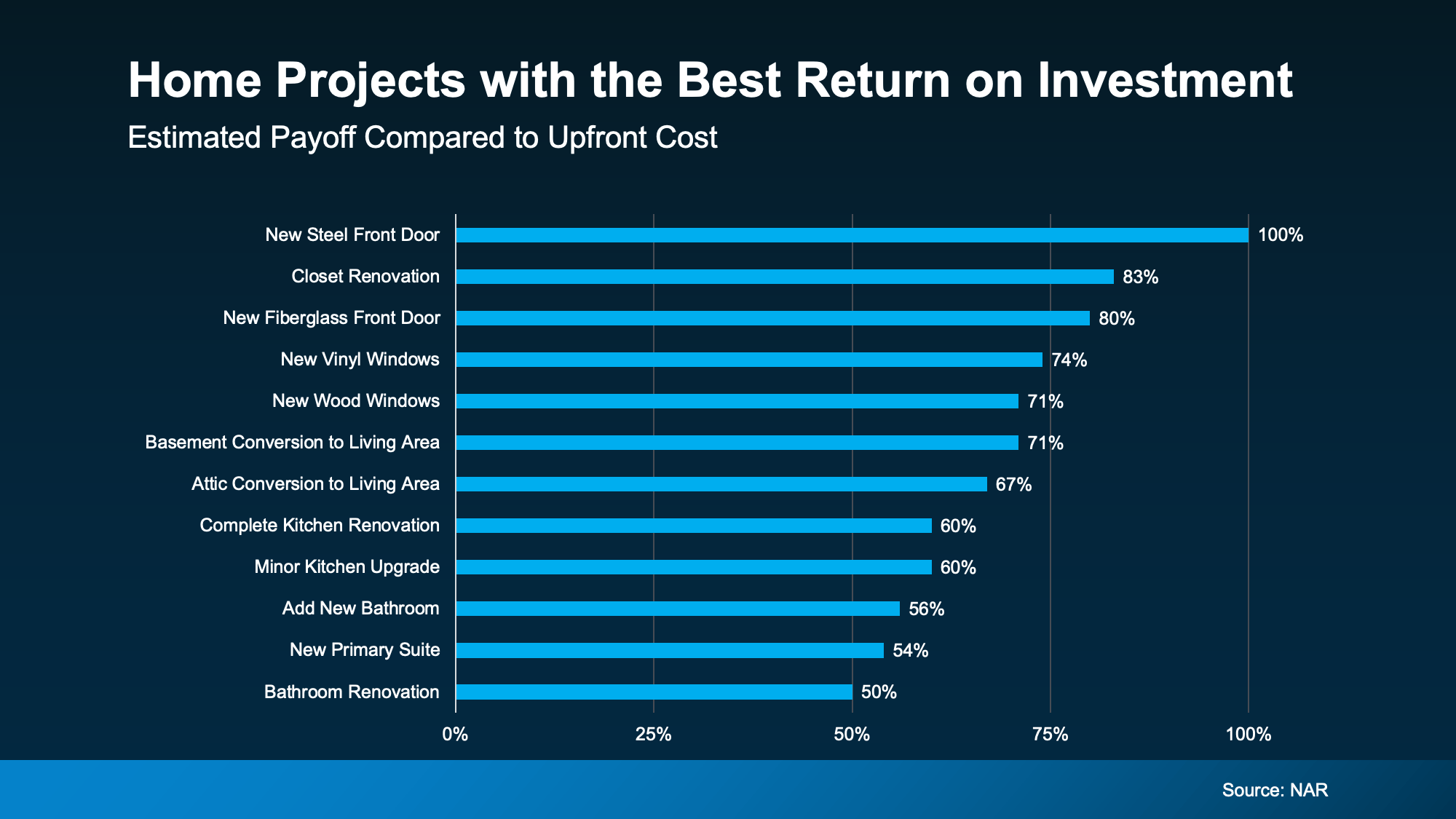
Kitchen remodels can recoup anywhere from 63% to 82% of your investment, but the trick is not going overboard. Adding a $80,000 kitchen to a $125,000 home doesn’t make sense. Keep things in proportion to your home’s value.
Bathroom Refreshes Bathrooms are another big selling point. You’d be surprised what a difference a new faucet, updated mirror, or fresh shower curtain can make. Throw in some nice towels and a plant or two, and suddenly you’ve got spa vibes without breaking the bank.
For bigger updates, bathroom remodels typically recoup about 74% to 94% of costs. But again, go for midrange updates rather than ultra-luxury finishes unless you’re in a high-end home. Most buyers just want bathrooms that feel clean, modern, and functional.
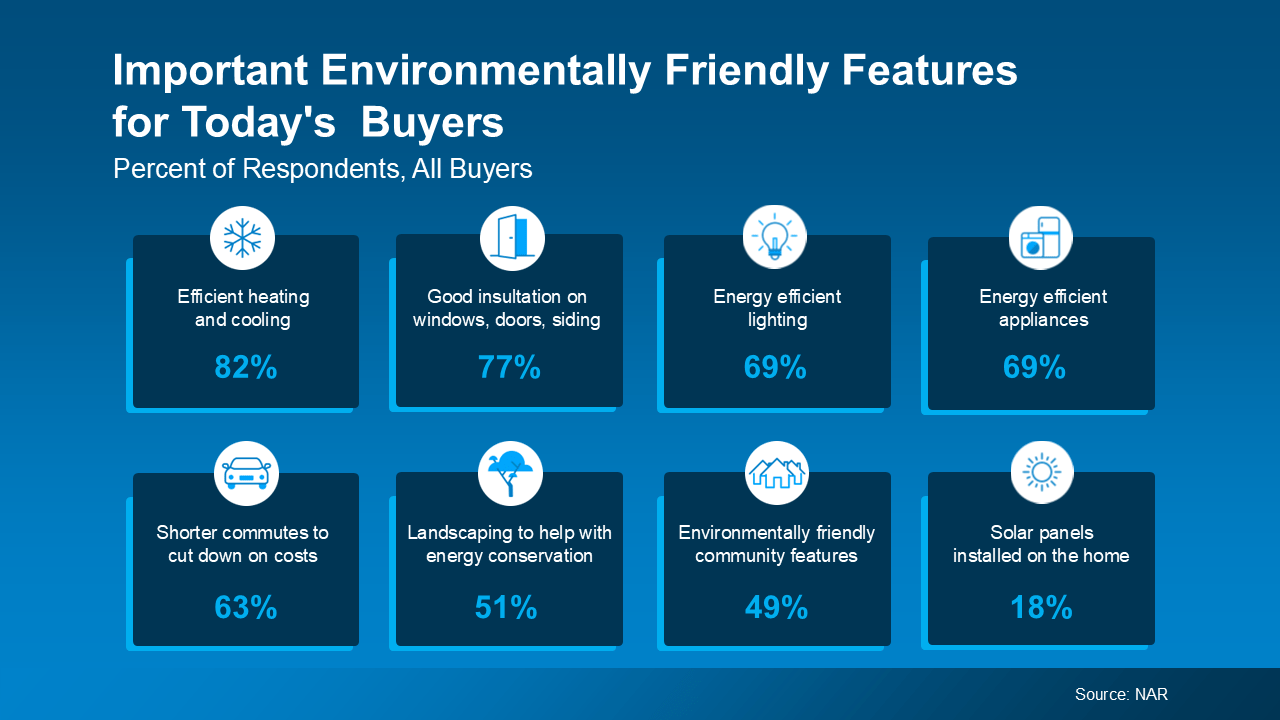
Energy-Efficient Upgrades Here’s where you can enjoy benefits now and when you sell. More than 80% of buyers consider heating and cooling costs when shopping for homes. Upgrading to energy-efficient appliances, adding proper insulation, or installing programmable thermostats can significantly lower monthly bills.
The U.S. Department of Energy now offers Home Energy Rebates that can provide up to $14,000 in savings on energy-efficient upgrades. This includes things like insulation, heat pumps, and more. These rebates make improvements more affordable than ever.
Studies show that homes with high energy-efficiency ratings sell for about 2.7% more on average than similar homes without these features. You save money while living there, then get rewarded again when you sell.
Curb Appeal Wins Every Time First impressions really do count. Your home’s exterior is the first thing potential buyers see, and if it doesn’t grab them right away, they might not even want to come inside.
The good news? Boosting curb appeal doesn’t have to cost a fortune. Small projects like:
- Refreshing exterior paint or touching up worn areas
- Power washing the siding, driveway, and walkways
- Adding new house numbers and updating your mailbox
- Planting flowers or adding fresh mulch around shrubs
- Pruning overgrown bushes and keeping the lawn maintained
These small cosmetic touches create a great first impression and help your home stand out. They’re also projects you can often tackle yourself to save money.
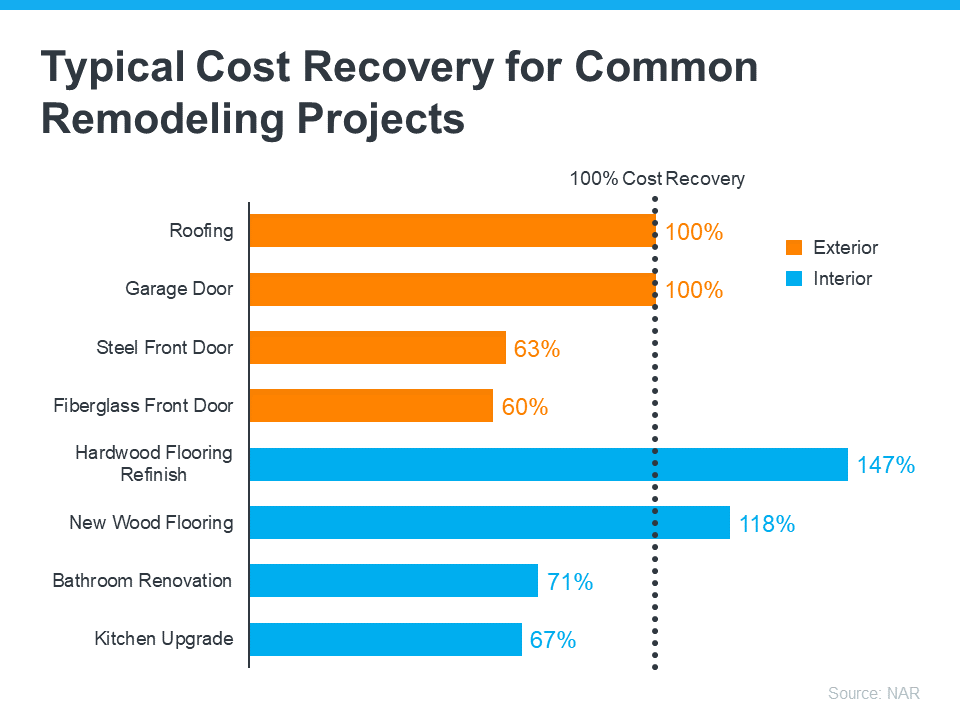
The Front Door Factor Installing a new steel entry door costs around $2,355 but can recover up to 188% at resale. That’s one of the best returns you’ll find. Buyers appreciate the energy efficiency, low maintenance, and security of a solid front door. It’s also one of those updates that immediately makes your whole house look better.
Garage Door Replacement If your garage door is looking dingy or outdated, replacing it costs an average of $4,513 but can recoup about 194% in resale value. Since garage doors are such a prominent feature on many homes, this upgrade can really boost your curb appeal.
Updates That Add Living Space
Finishing Your Basement If you’ve got an unfinished basement, you’re sitting on potential. Finishing a basement can add significant value – potentially $40,000 to $50,000 depending on your market – with an ROI around 70%.
You’re adding heated square footage, which bumps your house into a higher price bracket. Even a basic finish with flooring, drywall, and paint creates a valuable blank canvas for buyers to envision as a home office, entertainment space, or extra bedroom.
Creating a Home Office With remote work becoming more common, dedicated office space is increasingly valuable. More than half of homebuyers now consider a home office important. You don’t necessarily need to build an addition – converting a walk-in closet or finishing part of a basement can work great.
Adding a Deck or Patio Outdoor living spaces are huge right now. A wooden deck gives you about 45% to 107% ROI and costs around $3,600 to $13,000 depending on size and materials. Composite decks cost more but can recoup up to 122% of their value. Either way, you’re expanding usable living space at a lower cost per square foot than adding interior space.
Smart, Budget-Friendly Weekend Projects
You don’t need to take on major renovations to make an impact. Here are some quick wins:
Update Light Fixtures This is one of the most overlooked and affordable updates. Swap out that builder-grade fixture in your dining room or hallway for something more modern or with a bit of personality. It can instantly change the feel of a room and doesn’t have to cost more than a nice dinner out.
Fresh Paint A fresh coat of neutral paint can do wonders, especially if your current colors are looking tired or too specific to your taste. The right shade can brighten a room, make it feel bigger, and create a clean, updated look. Light, neutral colors help buyers imagine their own belongings in the space.
Add Wallpaper Accents Wallpaper is having a moment, and it’s pretty affordable. Whether traditional or peel-and-stick, a pattern can add interest and depth to a room. Just don’t go overboard – sometimes too much can be overwhelming. Use it as an accent rather than covering every wall.
Flooring Updates If your carpet has seen better days or your hardwood floors are scratched up, addressing flooring can make a big difference. Refinishing hardwood costs around $3 to $8 per square foot. Or consider luxury vinyl planks (LVP), which look great, are super durable, cost $3-$10 per square foot, and are easier to maintain than hardwood.
What NOT to Do
Some projects can actually hurt your resale value or just not deliver the returns you’d expect:
Swimming Pools Unless you’re in southern California or Florida where pools are expected, adding a pool might not pay off. Families with young kids see them as safety hazards, and many buyers aren’t interested in the extra maintenance, energy costs, and insurance expenses. In cooler climates, they’re especially hard to justify.
Over-the-Top Luxury Upgrades That $10,000 range or marble bathroom floors might be your dream, but buyers often won’t pay extra for ultra-high-end finishes unless you’re in a luxury home. Quality mid-range upgrades usually offer better ROI than going all-out with the most expensive options.
Garage Conversions Converting your garage into living space might give you more square footage, but most buyers want actual garages. This upgrade often doesn’t increase value and can even hurt it.
Overly Personal Customizations The more customized a project is to your specific taste, the less likely it is to add value. Your home recording studio might be perfect for you, but it might not appeal to the next buyer. Projects that are too specific can actually turn buyers off if they’d have to redo everything.
The Environmental Angle
Eco-friendly features are becoming increasingly important to buyers. Here’s what they’re looking for:
- Heating and cooling efficiency: This is the top priority for 82% of buyers
- Energy-efficient windows and doors: Proper insulation helps maintain comfortable temps and lowers bills
- Energy Star appliances and lighting: Reduce energy use and save money
- Solar panels: Provide long-term savings (though the upfront cost is significant)
- Landscaping for energy conservation: Strategically placed trees and shrubs can lower cooling costs
The common thread? These features help buyers save money and make homes more comfortable. But they benefit you too. If you upgrade now, you enjoy the savings while living there, then get rewarded again at resale.
Modern Features Buyers Want
Beyond energy efficiency, here are features that today’s buyers are looking for:
- Laundry rooms (86% of buyers want this)
- Patios or decks (86%)
- Energy Star windows (83%)
- Exterior lighting (82%)
- Walk-in showers (increasingly popular over tubs)
- Smart home features (thermostats, security cameras, doorbells)
- Security cameras and systems (76% of buyers consider this essential)
Getting the Most Value: Work with a Pro
This is important: what adds value in one market might not work in another. That’s where working with a local real estate agent becomes crucial. They know what buyers in your specific area are looking for and can guide you toward updates that’ll actually pay off.
Your agent can:
- Tell you which upgrades make sense for your neighborhood and price point
- Help you avoid over-improving for your area
- Recommend trusted local contractors
- Give you realistic expectations about what you’ll recoup
- Help you prioritize projects if you’re on a budget
Don’t make assumptions based on national data alone. A parking pad might be a huge value-add in one city but meaningless in another. An outdoor fireplace might be perfect in one climate but not worth it in another. Local expertise matters.
Timing Your Updates
If you’re planning to sell within the next year or two, focus on projects that’ll help you sell faster or for more money. These typically include:
- Painting in neutral colors
- Updating kitchens and bathrooms
- Boosting curb appeal
- Addressing any obvious maintenance issues
- Making sure everything works properly
If you’re staying put for a while, you have more flexibility to choose projects you’ll personally enjoy, even if they don’t offer the highest ROI. Just keep resale value in mind so you’re not making choices that’ll hurt you later.
The Bottom Line
You don’t need a huge budget to make meaningful improvements to your home. Focus on strategic updates that offer good returns – things like fresh paint, updated fixtures, improved curb appeal, and energy-efficient features. These projects make your home more enjoyable now while setting you up for success when it’s time to sell.
Start with the basics: Is everything clean and well-maintained? Are there any obvious repairs needed? Then move on to updates that’ll appeal to a wide range of buyers rather than super-specific customizations.
Remember, the goal is making updates that help buyers envision themselves living in your space. Keep things neutral, modern, and functional. And always, always check with a local real estate pro before taking on major projects. They’ll help you make smart choices that actually pay off in your specific market.
This weekend, grab a coffee, put on some music, and knock out one small project. Your home (and your future self) will thank you.