You’ve spent weeks — maybe months — scrolling through listings, driving through neighborhoods, and walking through house after house. You finally found the one. The layout works, the neighborhood feels right, and you can already picture where the couch goes.
But before you get too attached, there’s one step that can save you from turning your dream home into a financial nightmare: the home inspection. And more importantly, knowing which findings are minor quirks and which ones are genuine red flags.
Not every issue on an inspection report is a dealbreaker. Every home has something. But certain problems — especially ones common to Memphis-area homes — deserve serious attention before you sign on the dotted line.
Why You Should Never Skip a Home Inspection
It might be tempting to waive the inspection, especially if you’re competing with other buyers on a home in Germantown or Collierville. But skipping this step means you’re essentially buying a property blind. You won’t know the true condition of what’s behind the walls, under the floors, or up on the roof.
A home inspection gives you leverage. If the report uncovers problems, you can negotiate repairs, ask for a price reduction, or walk away entirely. Without it, you’re absorbing every hidden issue at full cost — and some of those costs can reach well into five figures.
Think of the inspection fee (typically a few hundred dollars) as cheap insurance against a $10,000 surprise.
Foundation Problems
The foundation is literally what everything else sits on. When it’s compromised, nothing else in the house is truly stable.
Memphis sits on clay-heavy soil, and clay expands when it’s wet and contracts when it’s dry. That constant movement puts pressure on foundations over time, leading to shifting, cracking, and settling that you won’t find in areas with sandier or rockier ground. It’s one of the most common structural concerns in our market.
What to Watch For
Hairline cracks in concrete are normal — they happen during the curing process and aren’t cause for alarm. Cracks less than an eighth of an inch wide from minor settling can usually be sealed without much expense.
The real concern starts with horizontal cracks in basement or crawl space walls, or diagonal cracks that radiate from the corners of doors and windows. Those patterns suggest the foundation is moving in ways it shouldn’t. Cracks wider than a quarter inch anywhere on the foundation typically require evaluation by a structural engineer.
Other signs of foundation trouble include doors that won’t close properly, uneven floors, and gaps between walls and ceilings. Foundation repair in the Memphis area can run anywhere from a few thousand dollars for minor stabilization to $15,000 or more for major work — so this is one area where you want the full picture before committing.
Roof Condition
Your roof is the barrier between your home and Memphis weather — and Memphis weather doesn’t go easy on roofs. Between summer storms, hail, and heavy rain, roofing materials take a beating.
Age and Material
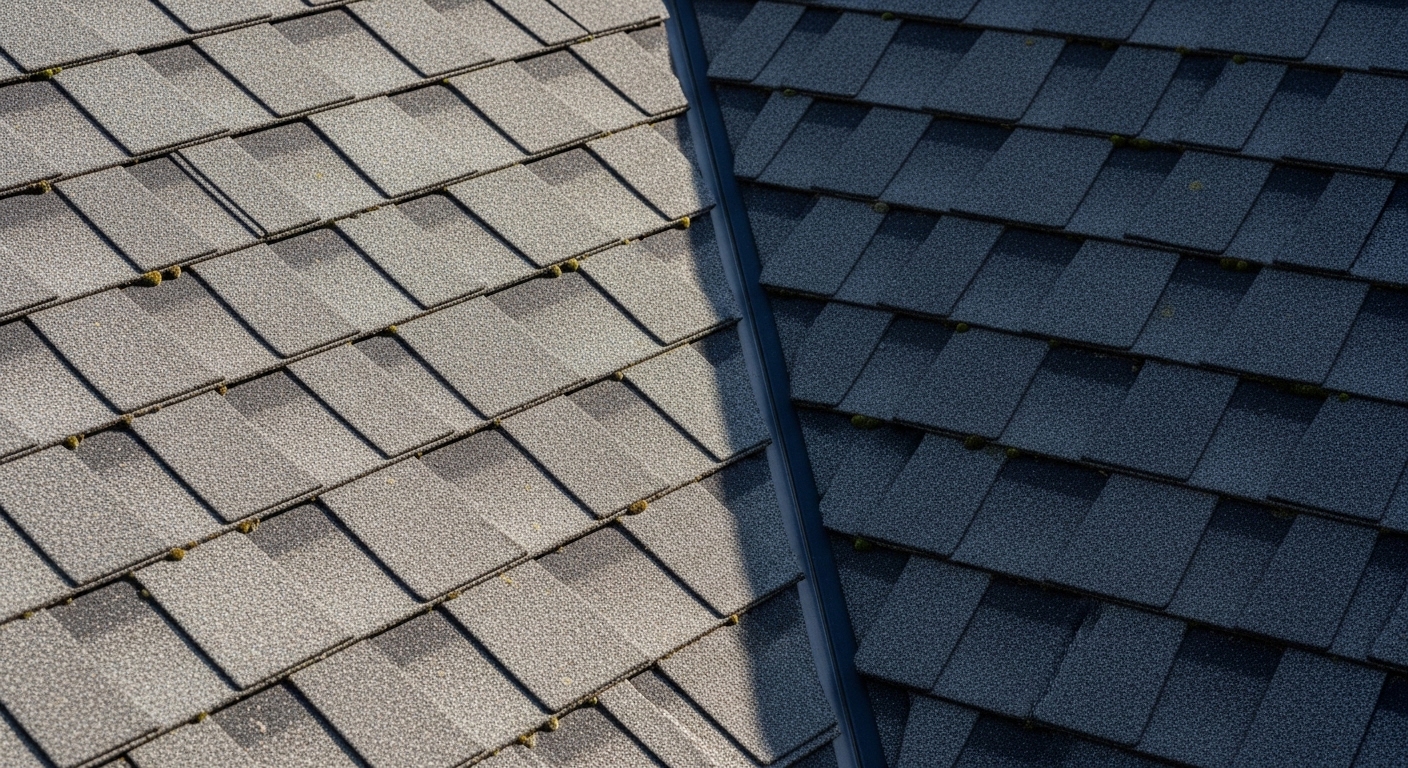
Your inspector should be able to estimate the roof’s age and identify the material type. Most asphalt shingle roofs last 20 to 25 years with proper maintenance. If the roof is approaching the end of its lifespan, you’re looking at a replacement cost that commonly falls between $8,000 and $20,000 depending on the size and pitch of the home.
Warning Signs
Missing or curling shingles, discolored patches, and areas where shingles don’t match are all indicators of previous damage or patchwork repairs. On the interior, water stains on ceilings — those brownish rings or streaks — often point to an active or recent leak.
One subtle red flag: freshly painted ceilings or differences in ceiling texture between rooms. Sometimes sellers cover up water damage with a coat of paint. Your inspector should be checking the attic space for signs of moisture, daylight coming through, or sagging decking.
Also pay attention to any trees with branches touching or hanging over the roof. Overhanging vegetation traps moisture, scrapes shingles, and gives pests easy access to your home.
Electrical System Issues
Electrical problems aren’t just expensive — they’re dangerous. And in Memphis, where you’ll find everything from brand-new construction in Arlington to century-old homes in Midtown, the range of electrical conditions is wide.
Outdated Wiring
Homes built between the 1880s and 1940s may still have knob-and-tube wiring, which is a serious fire hazard and will almost certainly need to be replaced entirely. Homes from the 1960s and 70s sometimes have aluminum branch circuit wiring, which is another significant concern. Both can lead to higher insurance premiums — or in some cases, difficulty getting insured at all.
Replacing an electrical panel alone can cost around $8,000 or more. A full rewire of an older home pushes that number considerably higher. If you’re looking at a historic Midtown home with original charm, make sure you understand what’s behind the plaster walls before you fall in love with the woodwork.
Other Electrical Red Flags
Outdated fuse boxes (instead of modern breaker panels), two-prong outlets throughout the house, and a lack of GFCI outlets near water sources are all signs that the electrical system needs attention. An older system may also struggle to handle the demands of modern appliances, air conditioning, and electronics.
Plumbing and Sewer Concerns
Plumbing problems can range from a minor annoyance to a catastrophic expense, and the worst ones are often hidden underground or inside walls.
Pipe Material Matters
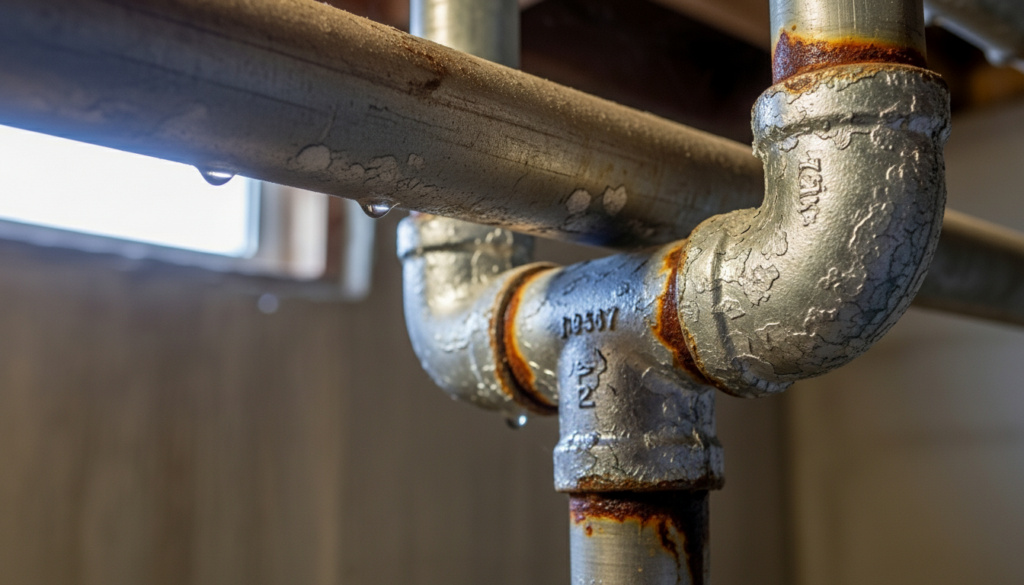
Homes built before the 1950s may have galvanized pipes — identifiable by their silver-gray color. These pipes were designed to last about 60 years, which means most are living on borrowed time. As they corrode internally, they restrict water flow and can release lead into the drinking water. Replacing galvanized plumbing throughout a house is a significant investment, often $10,000 or more.
Cast iron drain pipes are another concern in older Memphis homes. They’re reliable for 50 to 70 years, but eventually they deteriorate from the inside out. A full replacement can run $30,000 or higher.
Homes built before 1986 may also contain lead pipes, which were banned that year but remain in many older properties across the Memphis area.
Get a Sewer Scope
Even if your home is connected to city sewer (as most Memphis homes are), a separate sewer scope inspection is worth every penny. A camera goes through the main sewer line to check for tree root intrusion, bellies where water pools instead of draining, and obstructions. Sewer line repairs can reach $10,000, and they’re the kind of problem that won’t show up in a standard home inspection unless you specifically request this add-on.
Signs that hint at sewer problems include standing water in the yard, slow drains throughout the house, or heaved sidewalks and walkways near the sewer line.
Mold and Moisture
Memphis humidity is no joke. The combination of warm temperatures and moisture creates ideal conditions for mold growth, particularly in crawl spaces, basements, and poorly ventilated areas.
When Mold Is Normal
Small amounts of mold around bathtub caulking, shower corners, and windowsills are common in any home. These areas see regular moisture and condensation, and a little surface mold there isn’t a red flag on its own.
When Mold Is a Problem
Mold on walls or ceilings outside of bathrooms and kitchens signals something more serious — usually a hidden leak, poor ventilation, or chronic moisture intrusion. If your inspector finds mold in unusual locations, it often means there’s a larger underlying issue that needs to be identified and fixed before the mold itself can be properly addressed.
Crawl spaces deserve special attention in Memphis homes. High humidity can lead to moisture buildup under the house, promoting mold growth on floor joists and subflooring. Your inspector should be going under the house (if accessible) and checking for standing water, moisture on surfaces, and visible mold.
Professional mold remediation can cost anywhere from a few hundred dollars for a small area to several thousand for widespread contamination. But the mold is only half the battle — you also need to fix whatever moisture problem caused it in the first place.
Seller Tricks to Watch For
If you walk into a showing and smell candles, air fresheners, or heavy fragrance, take note. While some sellers just want their home to smell inviting, strong scents can also mask musty odors that indicate mold or mildew. Ask for the scents to be turned off or removed before a second visit.
Termites and Pest Damage
Termites are a fact of life in the Memphis area. The warm, humid climate makes Tennessee one of the more active regions for termite activity in the country, and damage from these pests is both common and costly.
What Inspectors Look For
Signs of termite activity include mud tubes along the foundation, discarded wings near windows and doors, hollow-sounding wood, and bubbling or cracking paint on wood surfaces. However, termite activity isn’t always visible — it can be seasonal, and damage often occurs inside walls and structural members where you can’t see it.
For this reason, many experienced buyers in the Memphis market opt for a separate Wood Destroying Insect (WDI) inspection in addition to the standard home inspection. A general inspector may note signs of pest activity, but a dedicated WDI inspection is more thorough.
Beyond Termites
Squirrels, mice, and rats can cause their own brand of damage — chewing through wiring (creating fire hazards), nesting in walls and attics, and contaminating insulation. If there are gaps or openings along the foundation or roofline, critters will find a way in. Your inspector should note any potential entry points.
Drainage and Grading
Water management around the exterior of a home is one of the most frequently flagged issues in inspection reports, and it’s one that a lot of buyers overlook.
The Basics
The ground around your foundation should slope away from the house for at least five feet. When it doesn’t, rainwater pools against the foundation — and over time, that standing water causes settlement, wood rot, and moisture intrusion into crawl spaces and basements.
Gutter downspouts should extend at least five feet from the foundation or connect to a drainage system. One of the most common problems inspectors find is downspouts that dump water right at the base of the house.
Planter Beds and Mulch
High soil or mulch levels against the siding or foundation are another frequent issue. The proper clearance between soil and the exterior facade is four to six inches. Homeowners often pile new mulch on top of old mulch year after year, gradually raising the grade until it’s in contact with siding or even above the foundation line. This traps moisture against the structure and invites both rot and pests.
Why It Matters
Drainage problems are deceptive because the damage they cause is gradual. You might not notice anything for months or years, but the cumulative effect of water sitting against your foundation, seeping into crawl spaces, or saturating the soil underneath your home adds up. Fixing drainage professionally can cost $5,000 to $10,000 or more, though some grading issues can be addressed with relatively simple landscaping corrections.
HVAC System Health
Heating and cooling equipment is easy to ignore — it’s usually tucked away in a closet, attic, or crawl space — but it’s one of the most expensive systems in the house to replace.
Lifespan and Condition
Most HVAC systems last 15 to 20 years with proper maintenance. If the system in the home you’re considering is approaching or past that range, budget for replacement. A new system can cost anywhere from $5,000 to $15,000 or more depending on the size of the home and type of equipment.
Your inspector should check for dirty condenser coils, clogged filters, and proper airflow. These sound like minor maintenance items, but chronic neglect shortens equipment life and can lead to expensive compressor or heat exchanger failures.
Gas Appliance Safety
Gas-fired furnaces that haven’t been properly maintained can develop cracked heat exchangers, which can leak carbon monoxide into your home. This is a safety issue that goes beyond dollars and cents. If the home has gas appliances, make sure the inspector checks for proper combustion and venting.
Windows and Doors
Replacing windows and doors isn’t glamorous, but it’s expensive. If a home still has original single-pane windows, you’re looking at poor energy efficiency, minimal sound insulation, and eventual replacement costs that add up quickly across a whole house.
Check that windows and doors open and close smoothly, seal tightly, and don’t show signs of rot or deterioration around the frames. Failed seals on double-pane windows (visible as fogging or condensation between the panes) mean those units need replacement.
In older Memphis homes, window replacement across the entire house can easily exceed $10,000 — and in some historic districts, there may be requirements about what replacement windows are acceptable.
Red Flags Beyond the House Itself
A thorough evaluation doesn’t stop at the property line. Some of the most important factors aren’t things any inspector will put in their report.
The Neighborhood
Drive by the property at different times of day and on different days of the week. A street that seems quiet on a Tuesday morning might tell a different story on a Saturday night. You can fix a house, but you can’t fix your neighbors.
Use Google Street View’s historical feature to see what the property and surrounding homes have looked like over the past several years. Overgrown yards, accumulating vehicles, or deteriorating properties nearby can signal quality-of-life issues that won’t show up on an inspection report.
Listing Red Flags
A home that’s been on the market significantly longer than comparable properties in the area usually has a reason. Similarly, a listing with very few photos — or no interior photos at all — is often hiding something. Homes that have been listed, taken off the market, and relisted in a short timeframe also warrant extra scrutiny. Ask your agent to dig into the listing history.
Quick Flips
If a home sold recently and is back on the market for 30 to 50 percent more with obvious cosmetic upgrades, proceed with caution. Quick-flip investors are known for prioritizing surface-level improvements — fresh paint, new flooring, updated fixtures — while leaving structural, electrical, and plumbing issues untouched or poorly addressed. If you’re interested in a flipped property, have the mechanical and structural systems inspected especially carefully.
Unpermitted Work
Additions, renovated rooms, and converted garages should all have proper building permits on file. In many areas, permit history is available online. Unpermitted work can create insurance problems, complicate future sales, and may not meet code — which means it could need to be redone.
Choosing the Right Inspector
Not all home inspectors are created equal. An experienced inspector who knows the Memphis market will understand the specific issues that affect homes in this area — from clay soil foundation concerns to termite prevalence to the quirks of older Midtown construction.
Don’t automatically go with whoever is cheapest or whoever your agent recommends without doing your own research. Look at their reviews, find out how many inspections they’ve done, and ask whether they provide detailed reports with photos. A good inspector doesn’t just hand you a checklist — they walk you through what they’ve found and explain what it means.
Consider adding specialty inspections for sewer scope, termite/WDI, and radon testing. The extra cost is minimal compared to the protection they provide.
Keep Perspective
It’s easy to read through a list like this and feel overwhelmed. Every home has issues — brand new construction included. The goal of an inspection isn’t to find a perfect house. It’s to make sure you understand what you’re buying so you can make an informed decision.
Some problems are minor and easily fixed. Others are major but negotiable — a seller might agree to make repairs or reduce the asking price. And some issues are genuine dealbreakers that justify walking away.
The key is having the information you need, a clear understanding of what repairs would cost, and an experienced real estate agent who can help you navigate the negotiation from there.
Ready to Find Your Memphis Home?
Buying a home is one of the biggest financial decisions you’ll ever make, and having the right team behind you makes all the difference. At Reid Realtors, our agents know the Memphis market inside and out — from Germantown and Collierville to Midtown and Bartlett. We’ll help you find the right home, guide you through the inspection process, and make sure you’re making a decision you feel confident about.
Contact us today to get started with a local agent who puts your interests first.