

If you’ve been rattling around in a house that feels too big for just the two of you (or just you), you’re not alone. Downsizing your home is one of the most common real estate moves Memphis homeowners make once the kids are gone, retirement gets closer, or the upkeep on a bigger place starts feeling like a second job.
But it’s also one of the most personal decisions you’ll ever make about real estate. There’s money involved, obviously. There’s also a whole pile of emotions that nobody really prepares you for. And there are practical details that can turn a smart financial move into a headache if you don’t think them through.
Here’s what we see Memphis homeowners deal with when they’re weighing whether to downsize, and what you should know before putting up a sign.
Why so many Memphis homeowners are downsizing right now
The numbers are hard to ignore. According to Census data and Realtor.com, nearly 12,000 Americans turn 65 every single day, and that pace holds for the next two years. About 15% of older Americans say they’re planning to retire this year, with another 23% targeting 2027.
That wave of retirements is driving a lot of housing decisions. When the daily commute goes away, so does the main reason many people stayed in a particular house or neighborhood. The four-bedroom place near the office that made sense at 45 doesn’t always make sense at 65.
In the Memphis area, this lines up with another factor: longtime homeowners have been sitting on rising property values for years. If you bought in Germantown or East Memphis 15 or 20 years ago, your home is probably worth considerably more than what you paid. That built-up equity gives you options you might not realize you have.
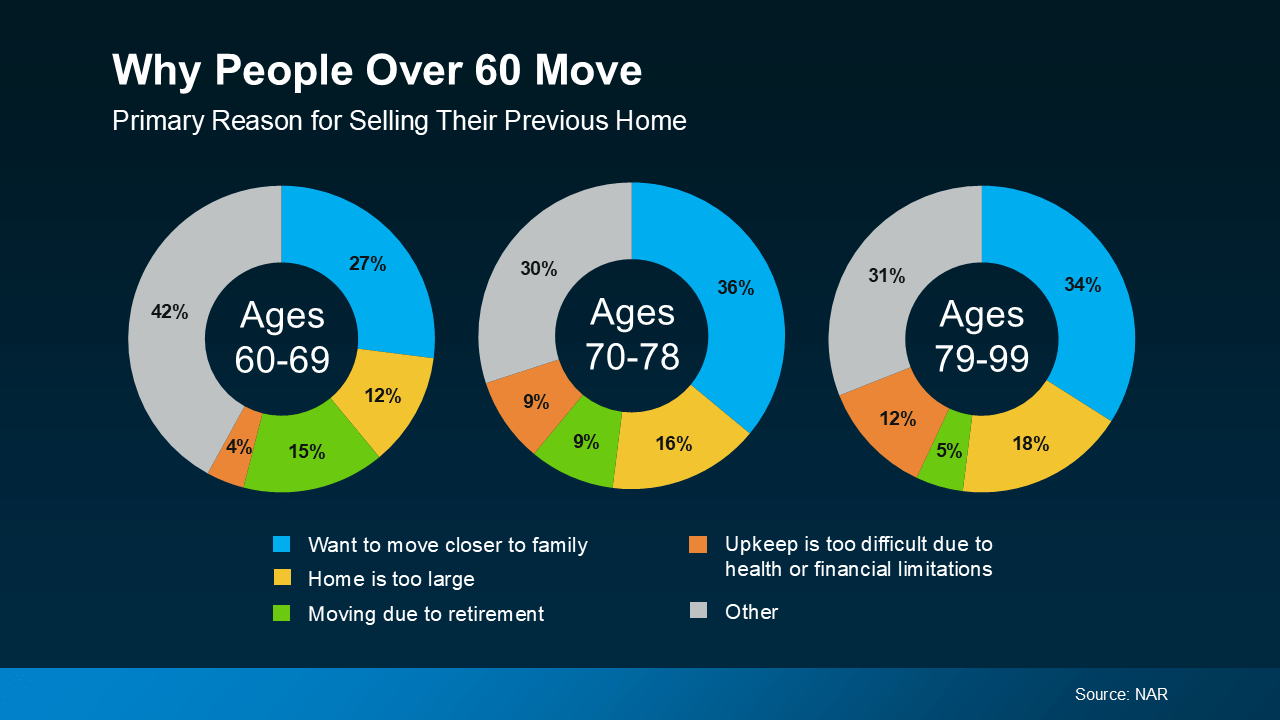
The National Association of Realtors tracks why people over 60 move, and the top reasons aren’t about cashing in on a hot market. They’re about lifestyle. People want to be closer to family. They want fewer stairs and less yard work. They want to stop spending weekends on maintenance and start spending them on the things they actually enjoy.
The financial picture
Let’s talk money, because for most people that’s where the downsizing conversation either gets real or stalls out.
According to Cotality (formerly CoreLogic), the average American homeowner has about $299,000 in home equity. If you’ve owned your home for a long time, your number could be significantly higher, especially if your mortgage is paid off or nearly there.
That equity is the engine that makes downsizing work financially. When you sell a larger, more expensive home and buy something smaller, the difference in price goes into your pocket. Depending on the gap, that could mean paying cash for the next place, adding a meaningful chunk to retirement savings, or both.
But the sale price is only part of the equation. The ongoing monthly savings add up fast.
A smaller home means lower property taxes. In Shelby County, that difference can be hundreds of dollars a year depending on where you move and the assessed value of the new place. You’ll spend less on utilities. Less on insurance. Less on general maintenance and repairs. If you move from a house with a big yard to a townhome or a property with an HOA that handles exterior upkeep, you can also subtract the cost of lawn care, gutter cleaning, and the other weekend tasks that eat into your time.
For a lot of retirees, the savings from downsizing don’t just reduce expenses. They change what’s possible. That’s travel money. That’s helping a grandchild with college. That’s breathing room in a budget that felt tighter than it should.
One scenario worth thinking through: if downsizing reduces your monthly housing costs by $500, that money invested over 15-20 years compounds into a meaningful amount. Or, put differently, it’s $6,000 a year you weren’t spending on a house you didn’t need.
The emotional side of leaving
Here’s the part that catches people off guard. You can run the numbers, agree that downsizing makes perfect financial sense, and still feel a pit in your stomach when you think about actually doing it.
That’s normal. You raised your kids in this house. You know every creaky floorboard. The pencil marks on the doorframe where you tracked how tall the grandkids were getting. The kitchen where you’ve hosted every Thanksgiving for 20 years.
Leaving those things behind is hard, and anyone who tells you it’s just a house is being dismissive.
A few things that help.
Give yourself time. This isn’t a decision you need to make in a weekend. Homeowners who start thinking about downsizing a year or two before they actually do it tend to be happier with the outcome than people who rush into it.
Separate the stuff from the memories. The house holds memories, but you take the memories with you. The physical objects are a different conversation. Before you even think about listing, go through your belongings room by room. Keep what you’ll actually use in a smaller space. Give sentimental items to family members who’ll appreciate them. Sell what has value. And let go of the rest. Doing this before you list takes enormous pressure off the moving process.
Your family might have opinions. Adult children sometimes feel weird about their parents selling the house they grew up in. That’s understandable. But this is your decision, based on your life and your finances. Most family members come around once they see how much happier you are after the move.
One observation from working with downsizers over the years: the anticipation of leaving is almost always harder than the actual leaving. We’ve watched hundreds of families make this move, and the overwhelming majority say the same thing a few months later. They wish they’d done it sooner.

Signs downsizing is right for you
Not everyone should downsize, and not every moment is the right time. Here are the situations where it tends to make the most sense.
You have rooms nobody uses. If you’re heating and cooling bedrooms that haven’t had a person sleep in them for years, you’re paying for space you don’t need. That’s a straightforward one.
Maintenance is becoming a burden. The yard work, the roof repairs, the gutters, the HVAC system that needs replacing. If keeping up with the house feels more like an obligation than a source of pride, that’s telling you something.
The house doesn’t fit your body anymore. This is the one people don’t like to talk about, but it matters. Stairs become a concern as you get older. A big yard becomes harder to manage. A two-story home with the laundry in the basement and the bedrooms on the second floor is a different experience at 70 than it was at 40.
You’d rather spend money on living than on housing. When you start doing the math and realize how much of your retirement budget goes to a house that’s bigger than what you need, the trade-off gets obvious.
On the other hand, if you still love the space, use most of the rooms, and feel comfortable with the maintenance costs, there’s no rule that says you have to downsize. Downsizing is only a good move when it actually improves your life.
Where Memphis downsizers tend to go
Most people who downsize in the Memphis area don’t leave the metro. They move to something smaller and more manageable, usually in a neighborhood they already know and like.
Germantown and Collierville both have townhome and condo developments that attract downsizers. These tend to offer single-level living, smaller yards or HOA-maintained exteriors, and proximity to the restaurants and shopping that people in those communities are used to.
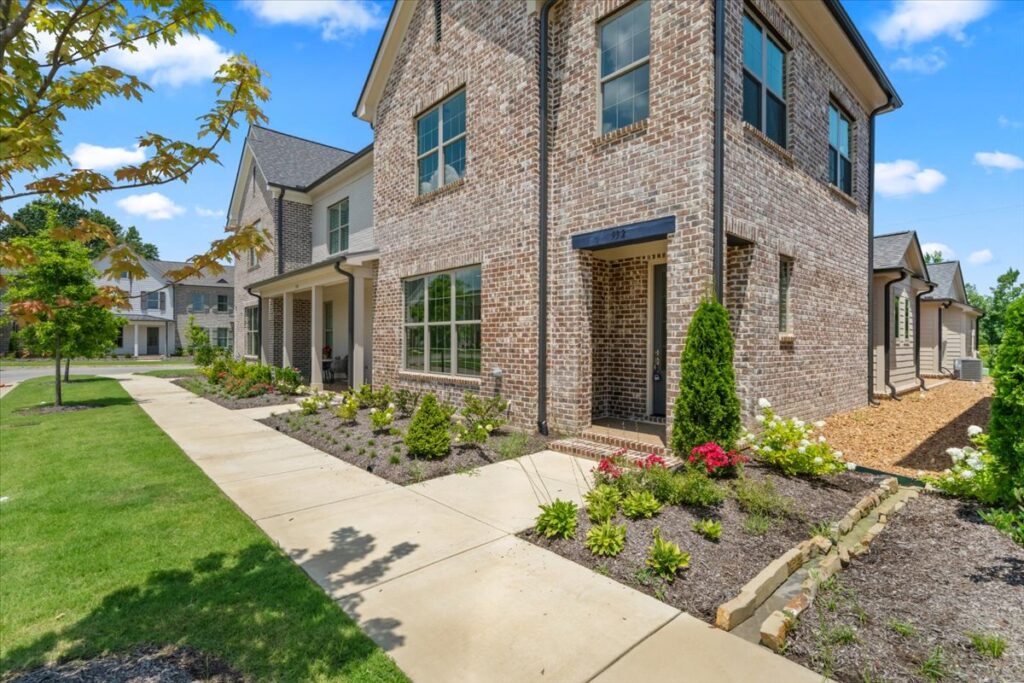
Cordova has newer single-story homes in the moderate price range that work well for people coming out of a larger house. Bartlett and Arlington offer similar options, sometimes with a bit more land if you’re not ready to give up outdoor space entirely.
For people who want a change of scenery, some Memphis downsizers move closer to Midtown or Downtown, especially those drawn to walkability and being near the cultural core of the city. That’s a bigger lifestyle shift, but it appeals to retirees who are done with suburban commuting and want their neighborhood to feel active.
And then there are people who leave Memphis altogether. Florida, the Carolinas, and the Tennessee mountains all pull Memphis retirees. If relocation is on your mind, the equity in your Memphis home can go a long way in markets where housing costs are lower.
The point is, downsizing doesn’t have to mean moving across town to a place you’ve never been. For most people, it means staying in the same general area but in a home that better fits their life right now.
Getting your home ready to sell
If you’ve decided to move forward, the selling process for a long-owned home has some quirks you should be aware of.
Start with decluttering. This is different from packing, and it should happen well before you list. The more stuff you remove from the house, the bigger and cleaner it looks to buyers. Closets, garages, attics, spare bedrooms, the basement — everything gets lighter. Buyers need to picture their life in your space, and that’s hard when every surface is covered.
The four-category approach works: keep, give, sell, trash. Be honest with yourself during this process. If you haven’t touched something in five years and it’s not a family heirloom, it probably goes in the sell or trash pile.
Don’t over-renovate. A full kitchen remodel before listing rarely makes financial sense. But small updates do. Fresh neutral paint. Replacing dated light fixtures. Pressure washing the driveway and front walkway. Cleaning carpets or refinishing hardwood floors. These are the kinds of affordable fixes that change how a buyer feels about a home.
Get professional photos taken. If your agent doesn’t include professional photography as part of their listing package, that should give you pause. NAR data shows that 83% of buyers say photos are the most useful feature on a property listing. Your home needs to look its best online because that’s where the first impression happens.
And price it based on current data. Not what your neighbor got two years ago. Not what Zillow says. A comparative market analysis from an agent who sells in your neighborhood regularly is the only reliable way to set a price that attracts buyers without leaving money on the table.
Costs that catch people off guard
Downsizing saves money over time, but the transition itself has costs that are easy to overlook.
Selling your home comes with closing costs, typically 6-10% of the sale price when you factor in agent commissions, title fees, transfer taxes, and any repairs negotiated during the inspection. On a $300,000 home, that’s $18,000-$30,000.
Moving expenses add up, especially if you’re moving furniture that’s been in the same place for decades. Professional movers in the Memphis area typically charge $2,000-$5,000 for a local move, more if you’re going out of state.
Your existing furniture might not fit. That oversized sectional or the king-size bedroom set may not work in a smaller floor plan. Budget for some replacement pieces.
If there’s a gap between selling your current home and closing on the new one, you may need temporary housing or storage. Both cost money.
And here’s one that surprises people: property taxes on a newer or recently updated smaller home can sometimes be comparable to what you were paying on your older, larger home, depending on assessed values in the new neighborhood. Run the numbers before assuming everything drops.
None of these costs should stop you from downsizing if the long-term math works out. But knowing about them in advance means no surprises at closing.

Start with a conversation
Downsizing is a big decision, but the first step is small. You don’t need to commit to anything. You just need information.
What is your current home actually worth? What would a smaller home in the neighborhoods you like cost right now? What does the math look like after selling costs and the transition? These are questions an experienced agent can answer in one meeting.
At Reid Realtors, we’ve been helping Memphis-area families with exactly this kind of move for three generations. We’ll walk your property, talk through the numbers, and give you an honest picture of what downsizing could look like for your situation. No pressure, no sales pitch. Just a conversation about your options.
Call us at (901) 372-8500 or stop by our Germantown office. Whenever you’re ready, we’re here.