
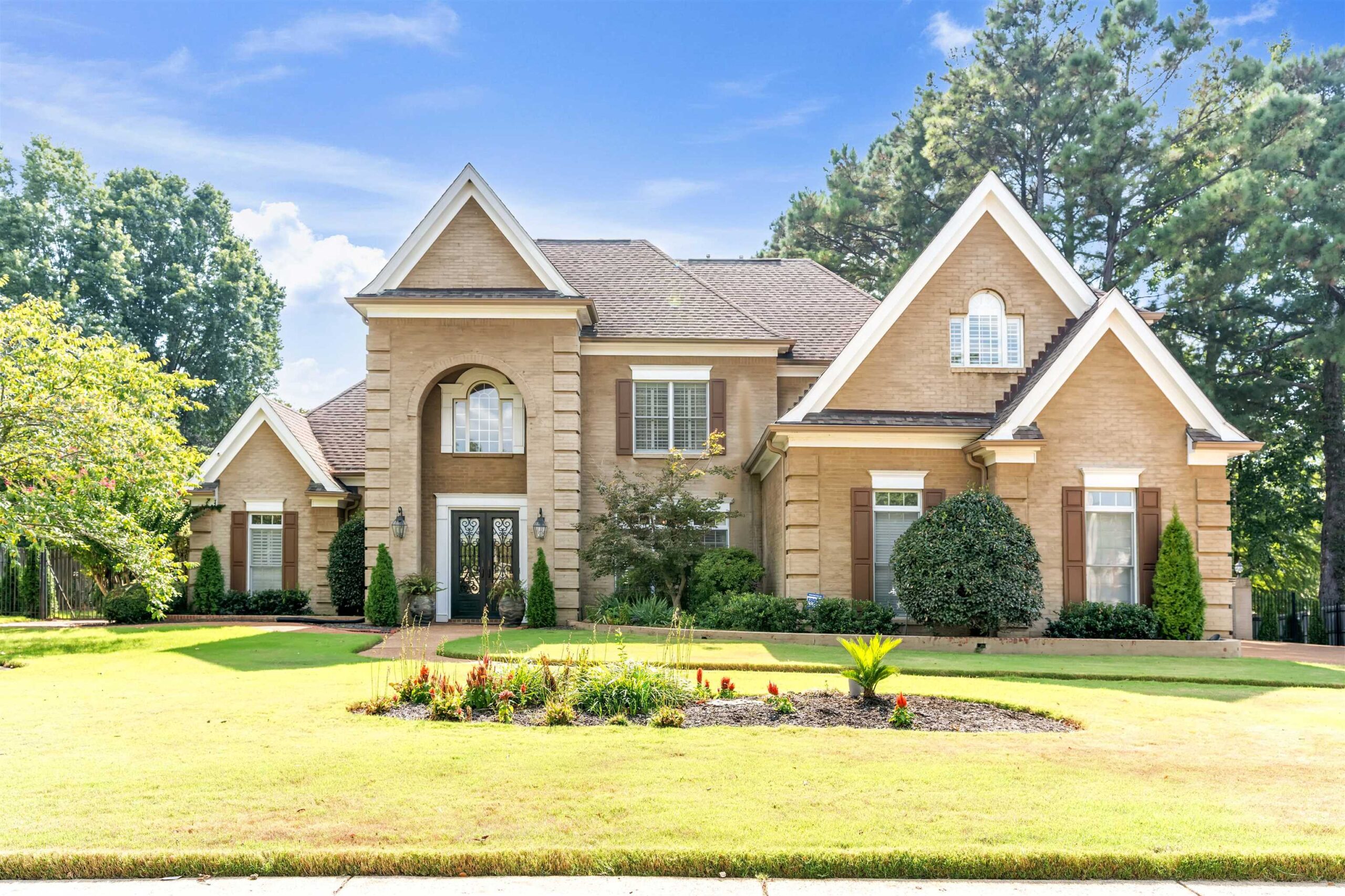
Germantown homes are sitting on the market for about 50 days before going under contract. That number comes from Zillow’s most recent data (February 2026), and it tells you something useful about the pace of this market right now.
Fifty days isn’t slow. It isn’t fast either. It’s a market where good homes sell at a reasonable pace and overpriced or under-prepared homes sit. If you’re a seller, that distinction matters, because the difference between a 30-day sale and a 90-day listing usually comes down to decisions you control.
What the Germantown numbers look like right now
The February 2026 snapshot from Zillow puts Germantown’s median days to pending at 51. That’s the midpoint, half of listings go under contract faster, half take longer.
The median sale price in January 2026 was $456,167. The median list price in February was $516,317. That gap between list price and sale price suggests that some sellers are pricing high and negotiating down, while others are landing close to asking. Inventory sits at 185 active listings with 42 new ones added in the most recent period.
What these numbers don’t tell you is whether the market favors buyers or sellers overall. They tell you something more practical: there’s steady activity, enough inventory for buyers to be selective, and enough demand for well-priced homes to move within a reasonable window.
Why 50 days is a useful benchmark
Days to pending measures the time between a listing going live and a seller accepting an offer. It’s the clearest signal of market pace because it strips out the closing process, which is mostly paperwork and lender timelines that have nothing to do with demand.
In a hot market, this number drops into the teens. During the 2020-2021 frenzy, some Germantown homes went pending within a week of listing. In a sluggish market, it stretches past 90 days or longer, and sellers start making price cuts.
At 51 days, Germantown sits in a zone where buyers are active but not frantic. They’re looking, they’re touring, and they’re making offers, but they have enough options that they won’t overpay for a home that doesn’t check their boxes. For sellers, that means pricing and presentation carry more weight than they did when inventory was razor-thin.
If you’re curious where your home fits in this picture, getting a home valuation before you list gives you a realistic starting point instead of a guess.
What separates 30-day sales from 90-day listings
In a 50-day market, the spread between the fastest and slowest sales is wide. Some homes in Germantown go under contract in three weeks. Others linger for three months. The patterns in what moves quickly are consistent enough that you can learn from them.
Pricing that reflects the market, not your mortgage
The biggest factor is price. Homes priced at or just below market value generate the most early interest and the strongest offers. Homes priced 5-10% above comparable sales lose showings in the first two weeks, which are the most important weeks of any listing.
That $60,000 gap between Germantown’s median list price and median sale price is a signal. Some of that reflects normal negotiation. But some of it reflects sellers who listed too high, sat for weeks, and eventually dropped their price to where they should have started. Those extra weeks cost more than the price difference; they cost momentum.
Condition and first impressions
Buyers in this market are comparing your home against 184 other active listings. They’re scrolling through photos before they ever schedule a showing. If your home’s first impression online doesn’t stand out, you lose showings you never know about.
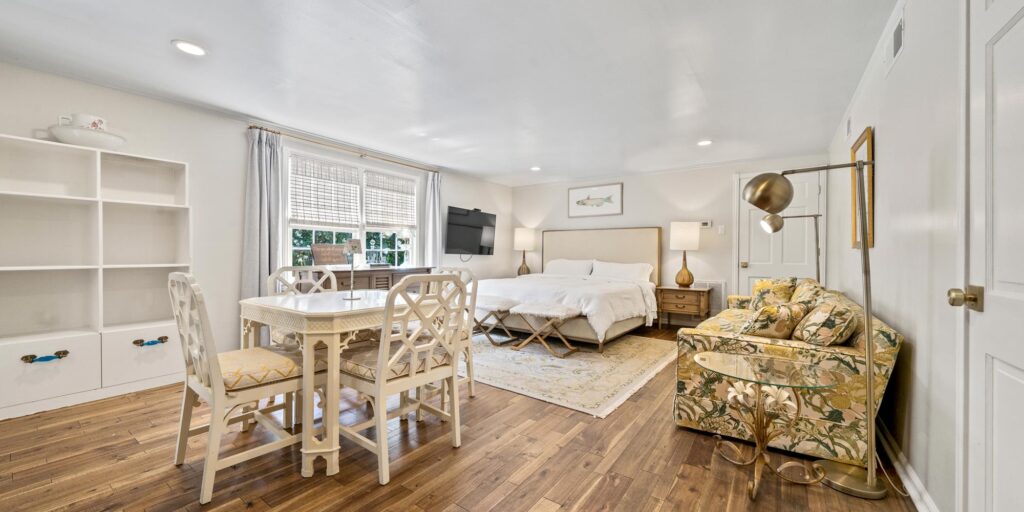
Fresh paint, clean landscaping, updated light fixtures, and decluttered rooms aren’t glamorous upgrades. But they’re the ones that get people through the door. Low-cost improvements that help sell your house can make a measurable difference in how fast your listing moves, especially in a market where buyers have options.
Timing within the season
Spring consistently delivers more buyer activity than any other time of year. ShowingTime data shows the same curve year after year: activity climbs through March, peaks in April and May, and drops off in the second half. If you’re already thinking about selling, getting your listing up before that spring wave crests gives you the best shot at landing on the shorter side of that 50-day median.
Who’s buying in Germantown right now
Germantown draws a specific mix of buyers, and understanding who they are helps you position your home.
Families with school-age kids make up a large share. Germantown’s school district is a consistent draw, and spring is when these families make their move so kids can start the new school year settled. These buyers care about bedrooms, yard space, proximity to schools, and neighborhood feel. They’re less likely to compromise on location and more likely to pay fair market value for a home that fits.
Relocating professionals are another steady segment. Memphis attracts corporate transfers, medical professionals, and logistics industry workers, and Germantown is where many of them land. These buyers often work on compressed timelines and make decisions quickly once they find something that works.
Empty nesters looking to downsize also move through Germantown’s market. Some are leaving larger homes in the area for something easier to maintain. Others are coming from East Memphis or Cordova for Germantown’s walkability and amenities.
Knowing who’s likely to tour your home helps you stage it, price it, and market it to the right audience.
What sellers get wrong in a 50-day market
The most common mistake is treating 50 days like it’s slow. It’s not. Fifty days is a healthy, functioning market. The problem is that sellers who expect a 10-day sale (because that’s what they heard happened two years ago) get anxious when their phone doesn’t ring in the first week. That anxiety leads to bad decisions: premature price drops, accepting low offers too early, or pulling the listing and relisting later at a worse time of year.
The second mistake is ignoring the data. Germantown’s numbers are public and updated regularly. You can see what similar homes sold for, how long they took, and whether they sold above or below asking. Sellers who price based on what they need to get out of the home, rather than what the market supports, consistently take longer to sell.
The third is underestimating the competition. At 185 active listings, buyers have choices. Your home isn’t competing against the concept of Germantown real estate. It’s competing against the specific other homes in your price range, your school zone, and your square footage bracket. If three of those homes show better than yours, you’re fourth in line.
If you’re also buying
Most sellers are also buying their next home, and that creates a timing puzzle. Do you sell first and risk being homeless for a stretch? Do you buy first and carry two mortgages? Or do you try to close both on the same day and hope nothing falls apart?
The cleanest approach is usually selling first, or at least getting your home under contract before you make an offer on the next one. In a market where homes take roughly 50 days to go pending, you can start your search while your home is listed and have a realistic sense of your timeline. Sellers on the other end of your purchase want to see a buyer who can close, not one who’s still waiting on their own sale.
Working with an agent who handles both sides of that transaction in Germantown and the Memphis area makes the logistics manageable. Coordinating closing dates, managing contingencies, and keeping both deals on track is where experienced local agents earn their fee.

The bottom line on Germantown’s market
Fifty-one days to pending means the market is working. Buyers are active, homes are selling, and pricing is landing in a range that makes sense for both sides. It’s not the frenzy of a few years ago, and that’s fine. A steady market rewards sellers who do the work: price correctly, present the home well, and list during the window when buyer activity is highest.
If you’ve been waiting for the “right time” to sell in Germantown, the spring window is open and the market data supports making a move. Reach out to the Reid Realtors team to talk through what the numbers look like for your specific home and neighborhood.