If you’re shopping for a home, you’ve probably been watching mortgage rates and prices like a hawk. The number almost nobody watches until the week before closing is homeowners insurance, and in the Memphis area it deserves a spot in your budget math from day one.
Insurance has always been part of owning a home. What’s changed over the past few years is the size of the line item. Premiums climbed steeply nationwide, and that stings when affordability already feels stretched. The newest data has a bit of genuinely good news in it, though: the increases are finally slowing down. And for buyers around Memphis specifically, the picture is better than the national headlines suggest.
Yes, premiums really did go up
You’ve probably heard it from a neighbor, or lived it on your own renewal notice. It’s not anecdotal. Pew Research Center found that 71% of U.S. homeowners say their insurance costs rose over the past few years.
Insurers spent those years absorbing expensive disasters and higher rebuilding costs, and they passed the bill along. For a buyer, the practical takeaway is to treat the premium as a real number to shop, not a rounding error. Your first year’s premium typically gets paid at closing (it’s one of the line items in our Memphis-area closing costs breakdown), and after that it usually rides along in your monthly escrow payment, right next to property taxes.
The increases are losing steam
Premiums are still rising. The pace is what’s changing. According to Rate Insurance’s latest annual report, 2025 brought the first slowdown in annual premium increases since 2019:
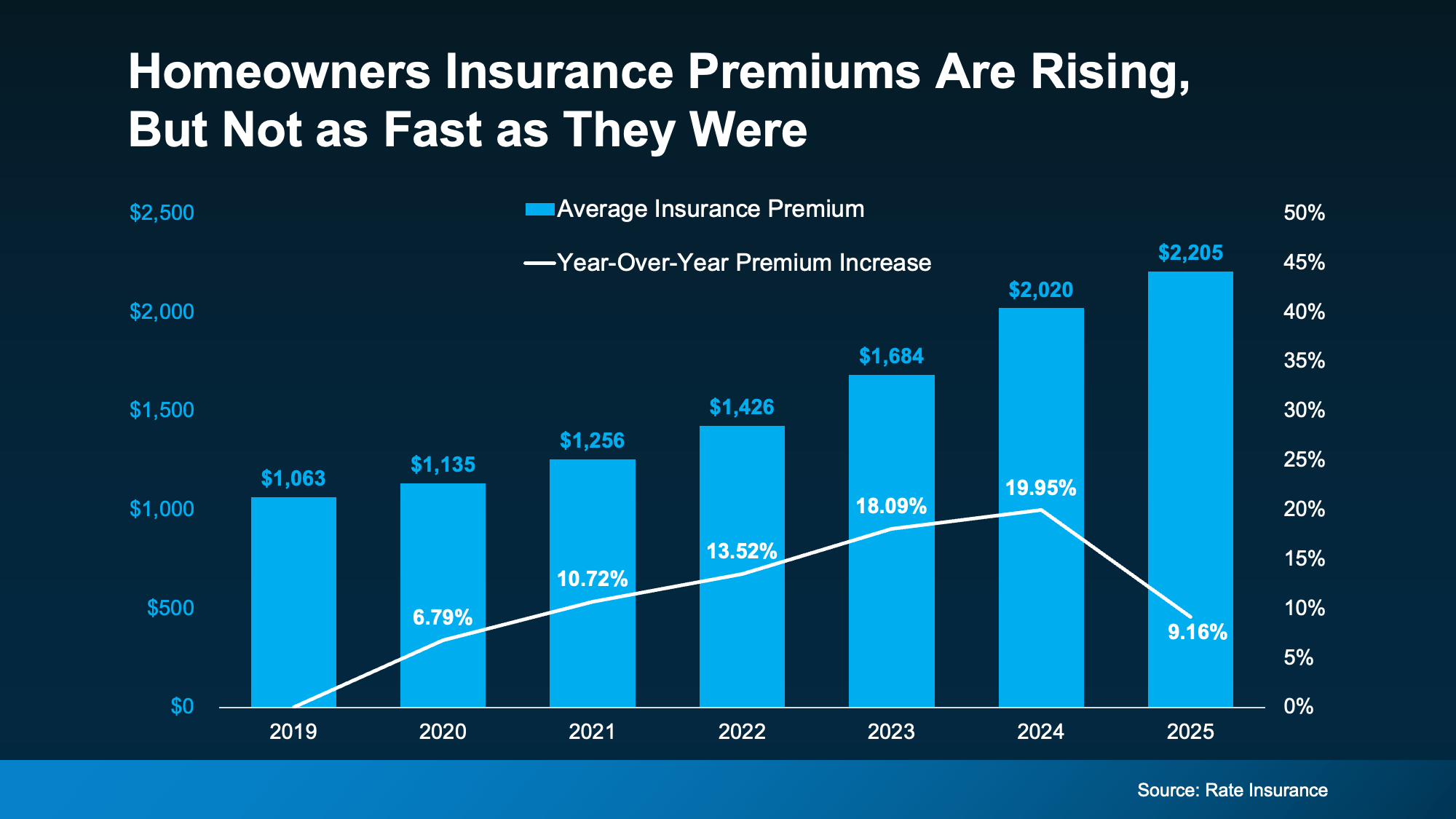
That’s not the same as premiums getting cheaper, and it would be a stretch to promise relief on your renewal. But after several years of double-digit jumps in some markets, “rising slower” is a real change in direction, and it takes some pressure off buyers trying to pin down a monthly payment.
Tennessee buyers catch a break on price
Insurance is priced by claims, and claims are local, so what you’d pay in Memphis has little to do with what a buyer pays in Miami or Denver. This is where the news gets better for us.
Forbes puts the average Tennessee premium at $2,431 a year for a home with $350,000 of dwelling coverage, against a national average of $2,720. Nearly $300 a year cheaper than the typical American homeowner pays, and far below the coastal and hail-belt states that drive the scary headlines.
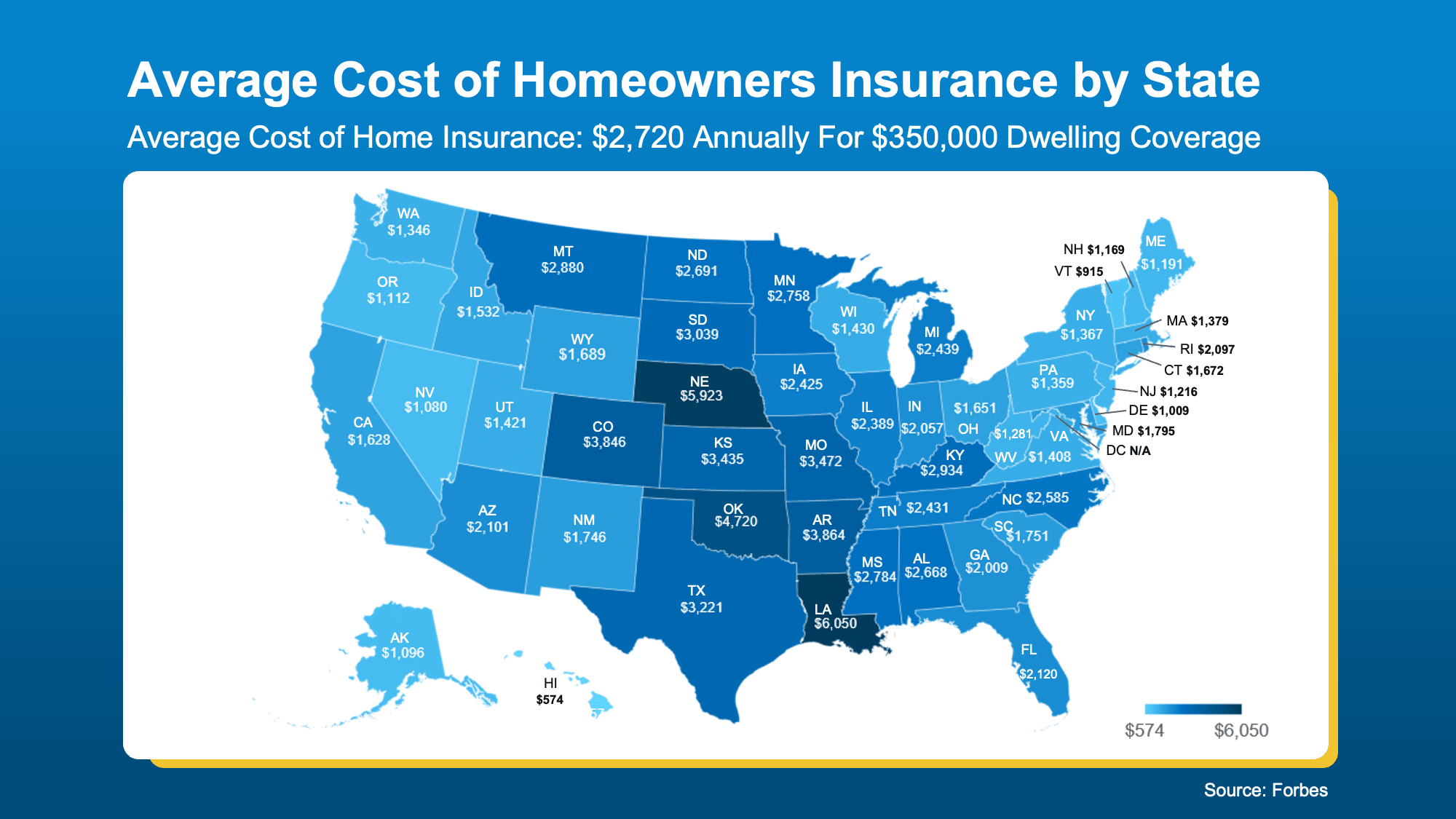
Your own quote will land above or below that average depending on the house itself: its age, its roof, its distance from a fire station, your claims history, even your credit. Two homes on the same Germantown street can quote hundreds of dollars apart.
What drives premiums in the Memphis area
Around here, the weather story is wind. The MidSouth’s severe spring storms, straight-line winds, and occasional hail do most of the damage that turns into claims, and insurers price for it.
Two things follow from that. First, ask every insurer you quote how they handle wind and hail. Many policies in our area carry a separate wind-and-hail deductible, often set as a percentage of your dwelling coverage rather than a flat number, and the difference between 1% and 2% on a $400,000 policy is $4,000 out of pocket on a storm claim. Buyers compare premiums all day and never look at the deductible structure, then discover it the week a tree limb goes through the shingles.
Second, the roof matters enormously to your quote. An older roof can raise the premium, shrink the coverage to depreciated value, or in some cases make a policy hard to get at all, while a recent roof can earn a meaningful discount. It’s one more reason to pay attention when your home inspection flags roof wear: that finding follows you into your insurance bill every year, long after the negotiating table.
One more gap worth knowing about: standard homeowners policies don’t cover flooding, and parts of Shelby County sit near creeks and floodplains where lenders require a separate flood policy. If a house you love is anywhere near water, check its flood zone before you write the offer, because that second policy changes the monthly math.
Get a quote before you make an offer
The smartest insurance move a buyer can make costs nothing: get a real quote on the actual house while you’re still deciding, not after your offer is accepted.
An early quote does two jobs. It makes your budget honest, since your lender will count insurance in your monthly payment when finalizing what you can borrow comfortably. And it can surface a problem while you can still do something about it, like a roof that quotes badly or a prior claims history on the property. A ten-minute phone call beats a surprise at closing every time.
If you’re a first-time buyer, build the habit now: price the insurance the same day you price the mortgage.
How to keep the premium down
When you’re ready to buy coverage, a little effort goes a long way. Get quotes from at least three companies, because this market genuinely rewards shopping and the spread between carriers can be surprising. Ask about bundling home and auto, which is often the single biggest discount available. Then ask what other discounts exist, since nobody volunteers them: new roof, impact-resistant shingles, storm windows, monitored alarm, even paying annually instead of monthly.
Your credit score feeds most insurers’ pricing in Tennessee too, so the same credit cleanup that earns you a better mortgage rate quietly earns you a better premium.
And an independent local agent can quote several carriers at once and tell you which ones have been treating MidSouth storm claims fairly. That last part never shows up in an online quote, and it’s worth as much as the price.
Price the whole payment, not just the loan
Homeowners insurance has become a bigger piece of the homebuying conversation, but for Memphis-area buyers it doesn’t have to be a scary one. Tennessee premiums run below the national average, the increases are slowing, and almost everything else is within your control: quote early, mind the wind deductible and the roof, shop three carriers, and fold the real number into your budget before you fall in love with a house.
If you want help thinking through the full monthly cost of a home you’re considering, taxes, insurance, and all, reach out. We run that math with buyers every week, and we’re happy to point you to local agents our clients have had good experiences with.