
Updated October 9, 2026
Two houses in Collierville, same price, same school zone, a mile apart. One sits in a subdivision with a pool, a clubhouse, and a landscaped entrance, and its HOA fees run a few hundred dollars a quarter. The other is in an older neighborhood where the “association” is a voluntary civic club that mails a newsletter and asks for a donation each spring. On the listing sheet, those two homes look like the same purchase. Over ten years of ownership, they aren’t.
HOA fees are easy to skim past when you’re comparing homes, because the number is small next to the price. The number is also the least useful thing to know about an HOA. Whether the association has money saved for the pool it will someday have to replaster, and whether its covenants allow the fence you’re already picturing for the dog, will shape your next ten years in that house far more than $75 a month. Both have to be checked before your inspection period runs out.
Germantown and Collierville have every kind of association, from none at all to mandatory communities with a clubhouse and an architectural review board, so this guide is written for buyers shopping there.
What HOA fees pay for
A homeowners association is the legal entity that owns and maintains whatever a neighborhood shares, and enforces the covenants recorded against every lot. Dues are how it pays for that. In a typical east-metro subdivision, the money goes to some mix of:
- Entrance landscaping, signage, lighting, and irrigation
- Common-area mowing, detention ponds, walking trails, and green space
- Amenities like a pool, clubhouse, playground, or tennis courts, plus insurance on them
- A management company, if the board hires one, and legal and accounting costs
- A reserve fund for big future repairs: resurfacing the pool, replacing a fence line, fixing the entrance wall
Townhomes and condos are different, and the dues are higher for a reason. In many of them, the association also insures and maintains roofs, exteriors, and yards. That’s a real cost you’d otherwise pay yourself, so a higher fee there isn’t automatically a worse deal. If that’s the kind of home you’re considering, our look at why buyers are choosing townhomes in Collierville gets into the trade-offs.
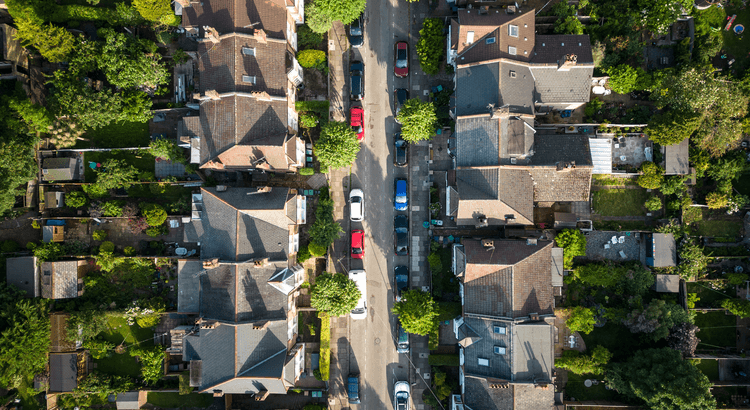
How HOAs look around Germantown and Collierville
You won’t find one standard HOA setup in the east metro, and that’s what trips people up.
A lot of Germantown was built out in the ’70s, ’80s, and ’90s. Some of those neighborhoods have mandatory associations with recorded covenants and real dues. Others have voluntary neighborhood associations that do social events and lobby City Hall but can’t make you pay. And some have nothing beyond the original deed restrictions. Two streets apart can mean two different answers, which is why our Germantown buyer’s guide says to find out before you sign.
Collierville’s newer subdivisions, especially on the east and south sides of town, are much more likely to have mandatory HOAs, and the ones with pools and clubhouses carry the bigger dues. That tracks with the national pattern. Census data analyzed by the National Association of Home Builders shows 65.7% of new single-family homes started in 2024 were built inside a community association. If you’re shopping newer construction in Collierville, Arlington, or Lakeland, assume there’s an HOA until someone shows you otherwise. If you’re comparing specific Collierville subdivisions, our guide to Collierville’s neighborhoods is a good place to start.
At the other end, much of Eads has no HOA at all. As we covered in why buyers are looking at Eads, that means no dues and no review board, and also nobody to call when the neighbor starts building a second detached garage.
How HOA dues affect your mortgage approval
Your lender counts HOA dues as part of your housing payment. Fannie Mae’s debt-to-income guidelines put association dues in the monthly housing expense right alongside principal, interest, taxes, and insurance. Every dollar of dues is a dollar of payment you can’t spend on the loan itself.
Some rough math. At a 30-year rate around 6.25%, $100 a month buys roughly $16,000 of mortgage. So a home with $150 in monthly dues costs you about $24,000 in borrowing power compared with an identical home that has none. For a buyer who’s already near the top of their approval, that can decide which house works.
Two things to keep straight when you run the numbers:
- Your pre-approval is based on an assumed payment. If the house you fall for has dues the estimate didn’t include, ask your lender to rerun it. Our post on getting pre-approved before you house hunt explains why that letter is only as good as its assumptions.
- Dues stack on top of property taxes, and Germantown and Collierville both add a city tax to the Shelby County bill. Look at the full monthly figure, not the dues alone. Our Germantown and Shelby County property tax explainer walks through that side.
HOA dues on your primary home also aren’t tax-deductible, a point that stings a little more in the higher-dues Collierville communities.
Special assessments and reserves
The dues number tells you what the association charges today. The reserve fund tells you what it’s going to need to charge later.
Every pool needs replastering eventually. Every entrance wall cracks, and every privacy fence along a main road has to be replaced. A well-run HOA saves for those costs a little at a time, usually guided by a reserve study, which is a professional estimate of what will need replacing and when. A poorly run one keeps dues low to keep owners happy, then sends a special assessment letter when the pool fails inspection. Each owner might get a bill for $1,500 or $3,000, often due in a few months.
We’d take a higher fee with healthy reserves over a low fee with thin ones every time. Low dues with no savings behind them just push the cost onto whoever owns the house when the bill arrives, and that might be you.
Tennessee added one protection here in 2024. Under Public Chapter 691, effective July 1, 2024, an HOA needs a two-thirds vote of members to levy a special assessment for a “nonessential amenity” like a pool, tennis court, or clubhouse. It has to offer financing or a payment plan, and it can’t foreclose on a home over that kind of assessment. That helps. It doesn’t cover assessments for things the law doesn’t treat as nonessential, like drainage, roads, or a retaining wall, so the reserve question still matters.
Covenants that can change your plans
Covenants (often called CC&Rs, short for covenants, conditions, and restrictions) are the rules recorded against the property. They run with the land, so they bind you the day you close whether or not anyone handed you a copy. The ones that tend to surprise east-metro buyers:
- Fence height, style, and material, and whether you need approval first
- Sheds, pergolas, pools, and room additions going through an architectural review board
- Exterior paint colors, roof material, and sometimes front-door or mailbox styles
- Parking rules for boats, RVs, work trucks, and trailers
- Rental restrictions: caps on how many homes can be leased, minimum lease terms, or a ban on short-term rentals
If there’s any chance you’ll keep this house as a rental after your next move, check the rental rules first. A leasing cap with a waitlist can sink that plan years before you get to it. Our posts on buying a rental property in Germantown or Collierville and whether to rent your house or sell it both cover HOA rental limits.
If you have a specific project in mind, like a pool, a detached garage, or a backyard fence for the dog, read the covenants for it during your inspection period. Don’t count on getting it approved after closing.
What Tennessee law does and doesn’t require
People moving here from other states are often surprised by how little Tennessee law says about subdivision HOAs. There’s no single statewide HOA act. A proposed Tennessee Homeowners Association Act has been discussed, but as of this writing it hasn’t become law. Most of an association’s power, including its right to place a lien for unpaid dues, comes from its own recorded declaration and bylaws, and incorporated HOAs also fall under the Tennessee Nonprofit Corporation Act.
Condos are the exception. Under the Tennessee Condominium Act of 2008, a condo association has to provide a package of disclosures when a unit is resold, covering things like current assessments, reserves, insurance, and pending lawsuits, within 10 business days of a request.
For a house in a regular subdivision, nobody is required to hand you a full financial picture. The seller has to disclose that the home is in an HOA, and covenants and bylaws are available on request. The budget, the reserves, the minutes, any assessment the board already voted on: you get those by asking, or you don’t get them.
Documents to request before you’re committed
Ask for these as soon as you’re under contract, and leave enough time in your inspection or due-diligence period to read them:
- The declaration (CC&Rs), bylaws, and any separate rules or architectural guidelines
- The current annual budget and the most recent financial statement
- The latest reserve study, or the board’s reserve plan if there isn’t one
- Board meeting minutes from the last 12 months
- A statement of the seller’s account: current dues, any balance owed, and any assessment already approved
- The association’s insurance summary (most relevant for townhomes and condos)
- Any pending or threatened lawsuits involving the association
- Transfer fees, capital contributions, or setup fees charged when a home sells
The minutes are the most useful of the lot. Budgets show what the board planned. Minutes show what it’s arguing about, like a pool contractor who walked off the job in July, or a dues increase the board has already penciled in for January. Ten minutes of reading can tell you more than the whole budget.
Item 8 is easy to miss and shows up at closing. Who pays those fees is negotiable and spelled out in the purchase contract, and it’s one of the line items we cover in our breakdown of closing costs in the Memphis area.
A note on brand-new subdivisions
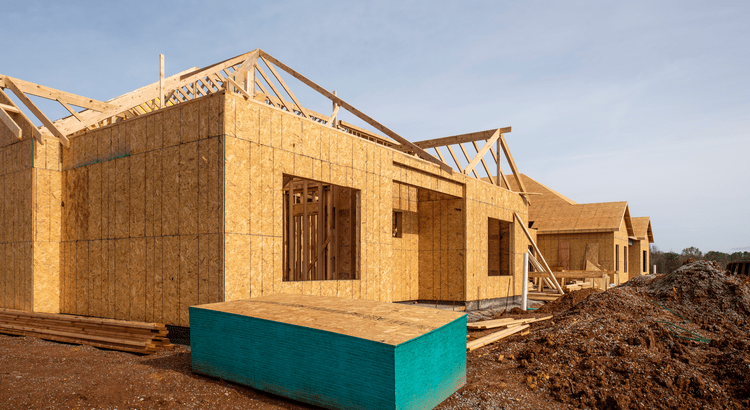
In a new subdivision, the builder usually controls the HOA board until enough homes have sold, then turns it over to the owners. Until that handoff, the builder is setting the budget, and some builders keep early dues low to help sales. That doesn’t mean anything is wrong. It does mean today’s dues may not reflect what the association costs once the owners are paying for everything themselves.
Ask when the turnover is expected, whether the builder pays dues on unsold lots, and whether a reserve fund exists yet. Your own agent should be asking these questions too, one more reason we argue for bringing your own agent to new construction.
Skipping the HOA entirely
Some buyers decide they just want a house with no association at all. That’s a fine choice, but it isn’t automatically the better one. An HOA is a trade: you give up some control over your property in exchange for protection against the neighbor who wants to park a boat on the front lawn or paint the house purple. Plenty of Germantown and Collierville buyers want exactly that trade, and it’s part of why well-kept subdivisions hold their value.
What decides it is this particular association. A $900-a-year HOA with healthy reserves, clear rules, and a board that answers email can be a better deal than no HOA at all. A $300-a-year HOA that’s been putting off a $200,000 repair is not.

Read the minutes before you sign
If you only have time to read one HOA document before your inspection period closes, make it the last year of board minutes. A brochure can’t tell you the board spent three meetings arguing about the drainage swale behind the back row of houses, and the minutes will.
If you’re looking at homes in Germantown or Collierville and want help sorting out which associations are well run, reach out to us. We’ll request the documents, read them with you, and flag anything that should change your offer.